
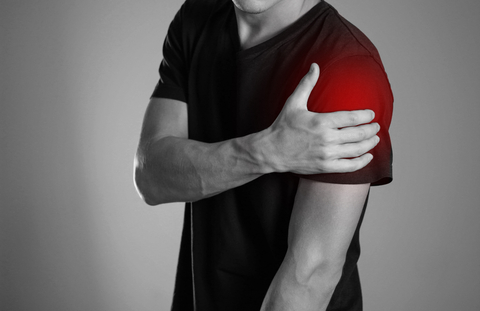
If you’re dealing with persistent joint pain, stiffness, or swelling, you’re not alone—bursitis can significantly limit your mobility and comfort. Whether it’s in the hip (trochanteric bursitis), shoulder (subacromial bursitis), or along the inside of the knee (pes anserine bursitis), The PT Zone offers specialized therapies to reduce inflammation, alleviate pain, and restore normal function.
- Decrease inflammation in the bursa for quicker relief
- Improve joint mechanics to reduce friction and irritation
- Strengthen surrounding muscles for added support and stability
- Enhance overall flexibility to prevent future flare-ups
Let us help you move freely and
comfortably again
Bursitis occurs when one or more bursae—small fluid-filled sacs that cushion and reduce friction in your joints—become inflamed. Common forms include trochanteric bursitis in the hip, subacromial bursitis in the shoulder, and pes anserine bursitis near the knee. Each type can lead to pain, swelling, and limited mobility, often aggravated by repetitive motions, prolonged pressure on the affected area, or muscle imbalances. At The PT Zone, we take an individualized approach to address the root causes of your bursitis and help you return to your normal activities with greater ease.
Our team specializes in identifying the muscular or postural factors that may be contributing to excessive friction around the bursa. By combining targeted exercises, manual therapy, and modalities like dry needling or cupping, we work to reduce inflammation, ease discomfort, and prevent recurrence. Through consistent care and focused guidance, we aim to enhance your overall joint function—so you can move, walk, lift, or run without being held back by persistent pain.
We start with a detailed assessment of your range of motion, strength, and movement patterns to pinpoint any imbalances or mechanical issues. From there, we’ll create a tailored rehabilitation program that addresses your specific type of bursitis—whether it’s in the hip, shoulder, or knee. Our methods include improving joint alignment, teaching you correct movement techniques, and incorporating exercises that stabilize the area around the inflamed bursa.
As you progress, we continually monitor your condition and adjust your plan to ensure optimal recovery. This commitment to personalized care not only helps relieve your current pain, but also reduces the likelihood of future bursitis flare-ups in the same or other joints.
Our Therapies for Bursitis Recovery:
We use a combination of manual therapy, guided exercise routines, and specialized interventions—like dry needling or cupping—to address bursitis at its source. Our goal is to decrease joint stress, relieve inflammation, and restore your mobility so you can stay active and pain-free.
-
Graston Technique
Graston Technique in Medford, MA gently breaks down scar tissue, improves circulation, and accelerates healing for long-lasting pain relief.
-
Graston Technique
Graston Technique in Marblehead, MA targets scar tissue and adhesions, improving mobility and speeding healing for enduring relief.
-
Graston Technique
Graston Technique in Malden, MA pinpoints and frees tight tissues, boosting circulation and speeding recovery to deliver natural, long-lasting pain relief
-
Graston Technique
Graston Technique in Lynnfield, MA breaks down adhesions, restores motion, and accelerates healing for rapid, long-term relief.
-
Graston Technique
Graston Technique in Lynn, MA breaks up adhesions, boosts circulation, and speeds tissue recovery for natural, long-lasting relief.
-
Graston Technique
Graston Technique in Everett, MA accelerates healing by breaking up scar tissue, reducing inflammation, and restoring functional movement for lasting relief.
-
Graston Technique
Graston Technique in Danvers, MA helps break down scar tissue, ease pain, and boost mobility. Experience faster, targeted recovery for lasting relief.
-
Graston Technique
Find Renewed Mobility with Graston Technique in Chelsea, MA What is Graston Technique andHow Does It Help? Graston Technique uses specialized metal tools to detect and break up problematic scar tissue. For many people in Chelsea, Massachusetts, this targeted approach can accelerate healing for muscle, tendon, or ligament injuries. As the tool glides over tight…
-
Gait Training
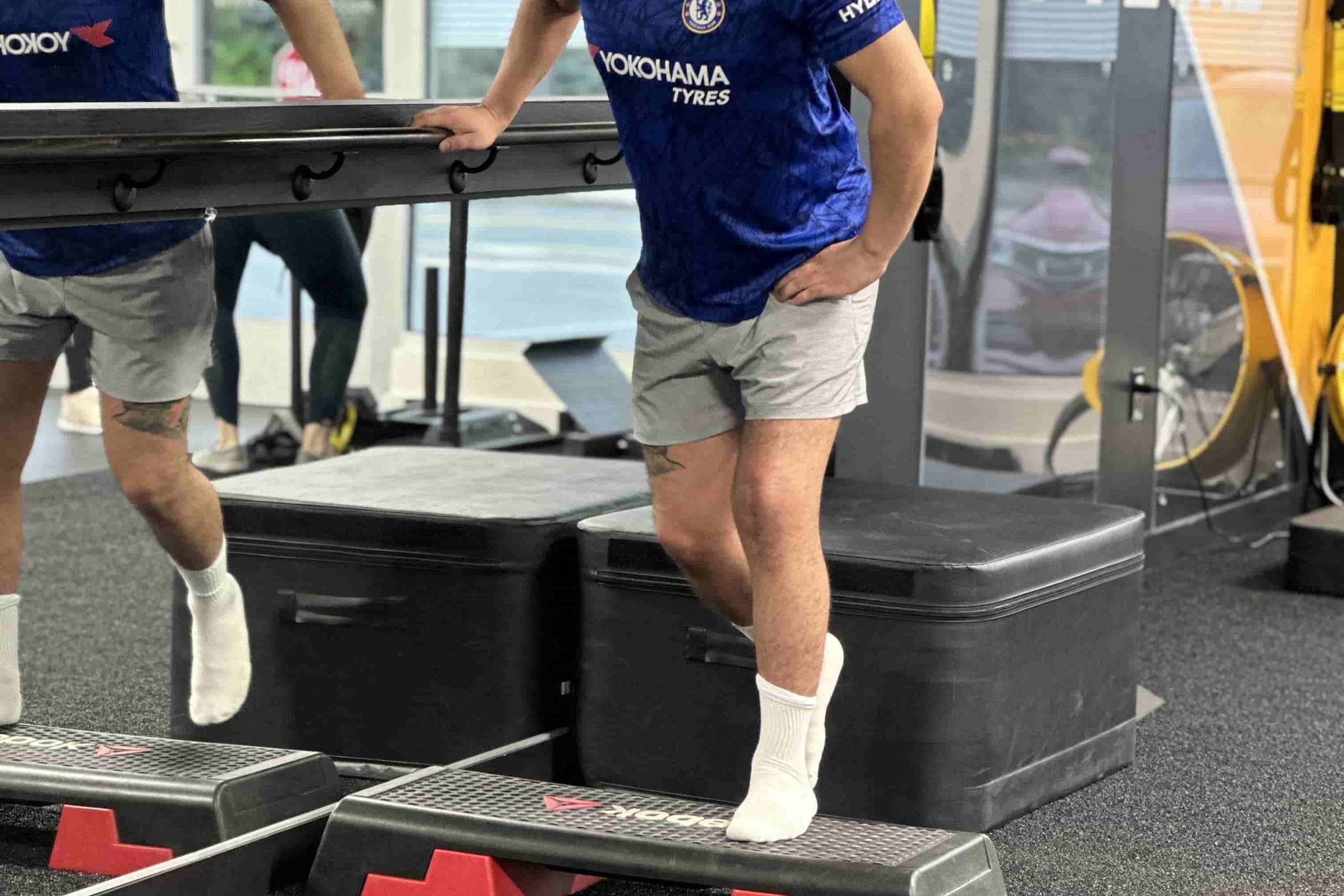
Reclaim a smooth, pain-free stride in Everett, MA with focused gait training. From post-surgery rehab to chronic knee or ankle issues, our targeted techniques build strength, restore balance, and support confident mobility.
-
Graston Technique
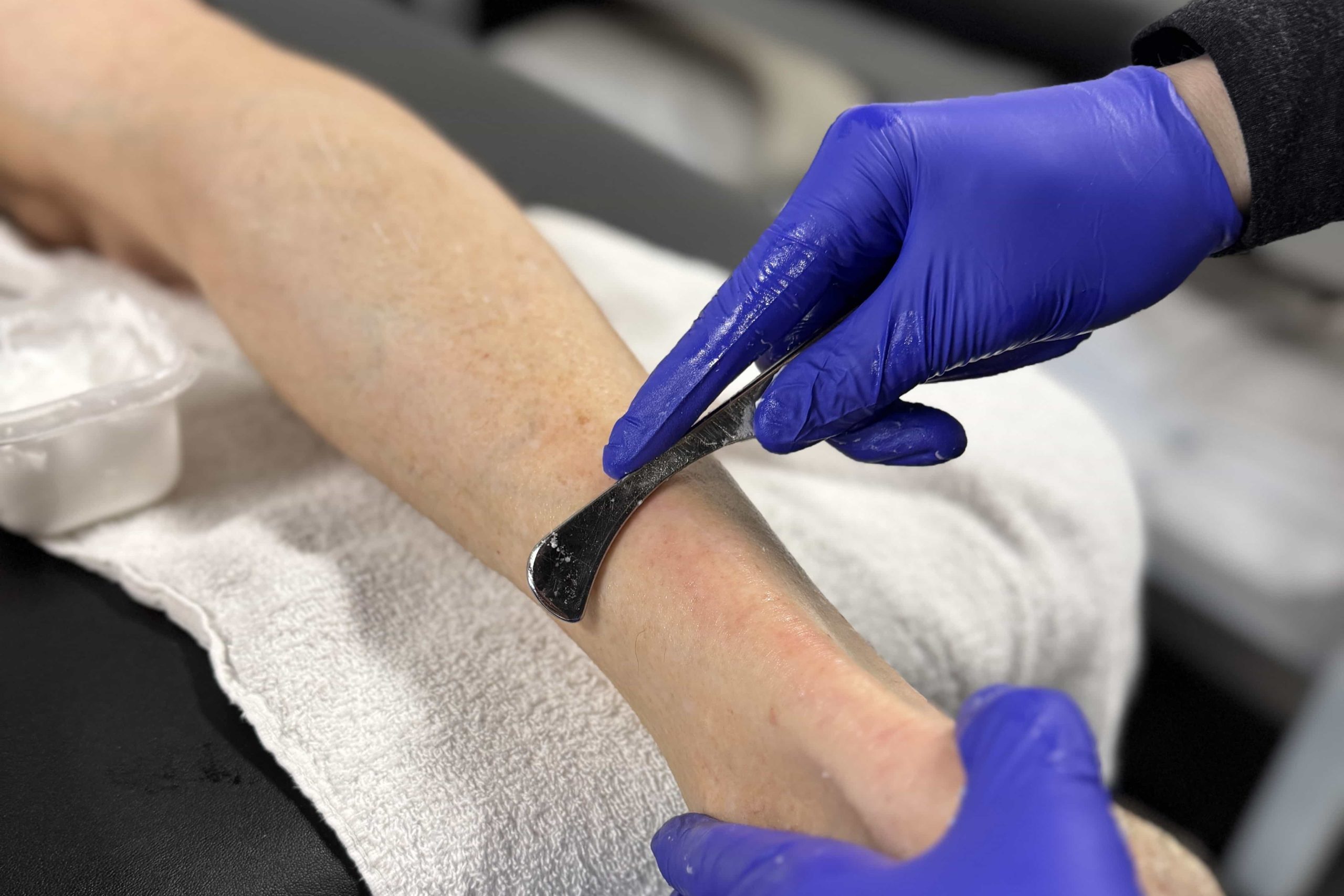
Experience the Graston Technique in Beverly, MA, a cutting-edge form of instrument-assisted soft tissue mobilization designed to break up scar tissue and fascial restrictions. This specialized approach promotes enhanced circulation, accelerates healing, and restores freedom of movement for long-lasting relief.

At The PT Zone, we’re dedicated to helping you conquer bursitis and rediscover a pain-free life.
Our holistic approach addresses the immediate discomfort caused by an inflamed bursa while also tackling the underlying postural or muscular issues that can lead to chronic flare-ups. By personalizing your treatment and guiding you every step of the way, we help ensure you regain your freedom of movement and maintain lasting joint health. Let us support your journey to a more active, pain-free lifestyle.
Common Questions from Bursitis Clients
1. How long does it take to recover from bursitis?
Recovery varies depending on the type and severity of your bursitis. Some people notice relief within a few weeks of targeted therapy, while more persistent cases may require a few months. Consistency in following your treatment plan, including home exercises and activity modifications, can help accelerate your progress.
2. What causes bursitis in the hip, shoulder, or knee?
Bursitis can be triggered by repetitive motions, overuse, or direct pressure on a joint. In the hip (trochanteric bursitis), factors like tight IT bands or excessive friction play a role. Shoulder (subacromial) bursitis often arises from poor posture or rotator cuff imbalances. Pes anserine bursitis near the knee can develop with improper biomechanics or insufficient medial knee support. Identifying and addressing these specific issues helps us tailor an effective recovery plan.
3. Will physical therapy completely heal my bursitis?
Physical therapy can significantly reduce inflammation and pain by improving joint alignment, reducing friction, and strengthening the muscles around the affected bursa. While complete “healing” often depends on individual factors—such as your dedication to rehab, the degree of injury, and any underlying conditions—most clients see marked improvements in pain relief, mobility, and overall function with a focused therapy plan.
4. What can I do to avoid future bursitis flare-ups?
Preventing a recurrence often involves maintaining good posture, staying active with proper movement patterns, and following any maintenance exercises recommended by your physical therapist. Strengthening the muscles that support and stabilize your joint is key, as well as addressing any foot, hip, or shoulder mechanics issues that put excess stress on the bursa. Small adjustments, such as using supportive footwear or ergonomic setups, can also be highly beneficial.
5. What should I expect during a therapy session for bursitis?
A typical session may include manual therapy to reduce tension and enhance joint mobility, followed by targeted exercises that build stability and correct imbalances around the affected area. We may incorporate modalities like ultrasound, electrical stimulation, or ice/heat to help with pain and inflammation. Each step is customized to your progress, ensuring that you move toward recovery at a pace that feels safe and effective.
6. Does physical therapy for bursitis hurt?
Some mild discomfort is normal when working through areas of inflammation or stiffness, but we strive to keep pain to a minimum. Our therapists tailor treatments to your current tolerance level, gradually building intensity as your condition improves. Open communication helps ensure we’re progressing at a pace that supports healing without causing excessive discomfort.
7. How soon will I see improvements in pain and mobility?
Many clients experience reduced pain and better joint movement within the first few weeks of consistent therapy. Long-term gains in strength, flexibility, and overall joint health are typically observed over the following weeks or months, depending on individual factors. Regularly attending sessions, performing your home exercises, and following our activity guidelines will help you reach and maintain these improvements as efficiently as possible.