Elevate Your Mobility with Gait Training in Everett, MA
- Reinforces proper walking form for stability
- Helps reduce pain from lower-extremity injuries
- Accelerates post-surgery recovery
- Minimizes re-injury risks through balanced movement
- Promotes long-term, confident mobility
What Is Gait Training and
How Does It Help?
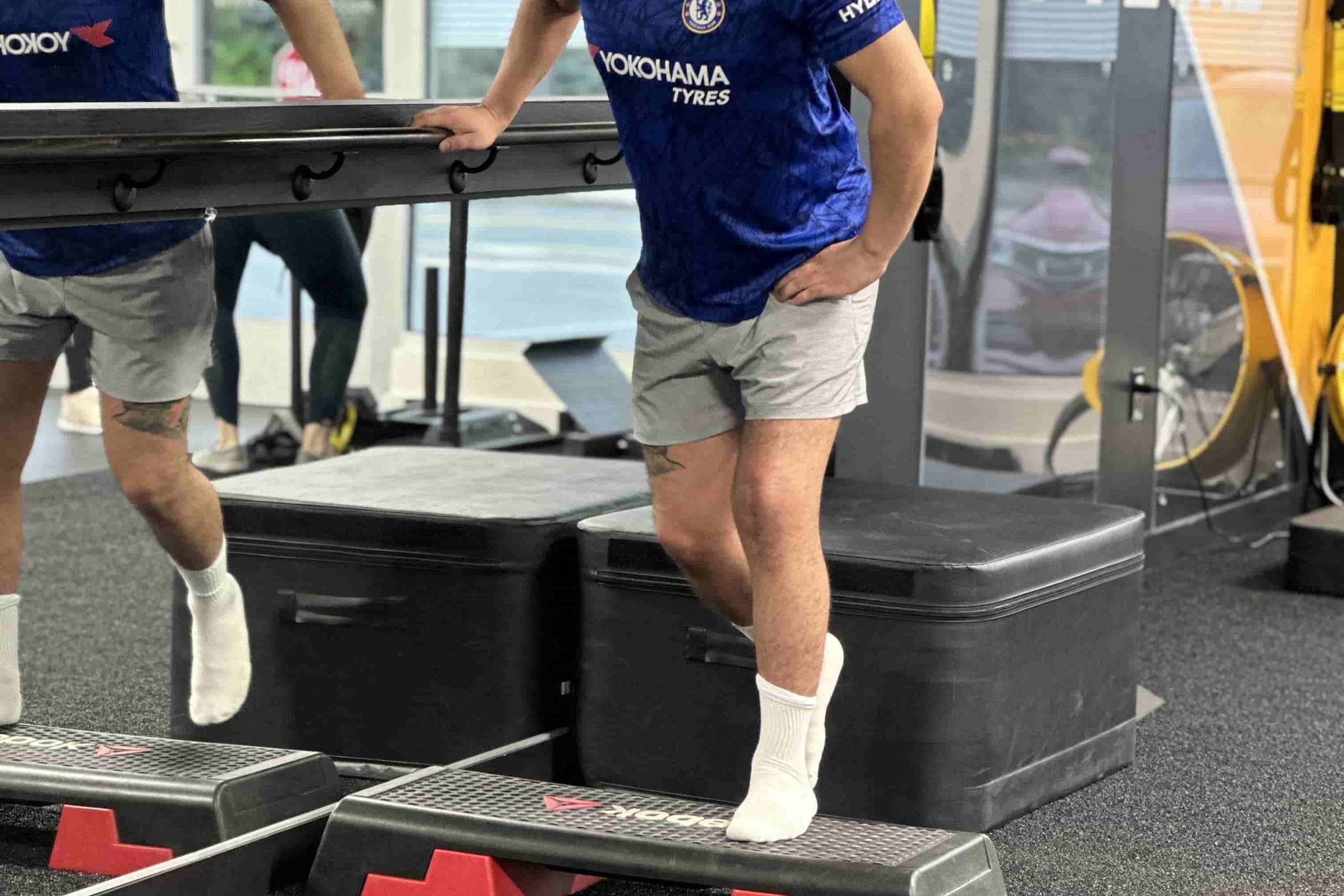
Gait training is a specialized form of therapy that analyzes and refines how you walk—from foot placement to core engagement. In Everett, MA, this approach has helped countless individuals recover from injuries, prevent future setbacks, and achieve smoother, more efficient movement.
Unlike generalized workout regimens, gait training pinpoints the exact challenges in your stride. By focusing on factors like balance, step length, and muscle coordination, it alleviates excessive strain on vulnerable joints and tissues. This targeted strategy not only aids in reducing existing pain but also safeguards you against recurring issues.
Sessions often include strength exercises, balance drills, and practical walking routines. Over time, these elements realign your lower body mechanics, helping you gain confidence and fluidity with every step.
Whether you’re recuperating from a fracture or simply want to optimize your walking efficiency, gait training offers a structured, evidence-based path. By gradually refining your stride, you’ll notice improved stability, decreased discomfort, and enhanced mobility throughout Everett, MA—no matter where your day takes you.
By blending modern techniques with personalized care, gait training helps reclaim the freedom to move without hesitation. The result? Fewer limitations, a healthier posture, and a more confident, pain-free life on your feet.

In The Zone


Conditions Gait Training Can
Help Address: (A-Z)
ACL tear
Gait training strengthens the supporting muscles around the knee, promoting safer movement and reduced strain on a healing ACL.
Achilles Rupture
Retraining gait helps restore calf strength and proper foot mechanics, ensuring a stable recovery from an Achilles injury.
Ankle Sprains
Gait training corrects unstable walking patterns, reducing your chances of re-injuring a sprained ankle and boosting overall balance.
Bony Fractures (lower extremity)
Once cleared for weight-bearing, gait training ensures you resume walking correctly, preventing overload on healing bones.
Joint Replacement (hip, knee)
Gait training helps adapt to the replaced joint by reinforcing proper muscular support and limiting unnatural compensations.
Joint Sprains (ankle, back, knee)
By stabilizing weak areas, gait training alleviates pain around sprained joints and fosters natural, pain-free mobility.
Labral tears (hip)
Gait training focuses on correcting abnormal hip rotation and stride length, easing pressure on the injured labrum.
Meniscus tears
Gait training refines knee alignment to reduce stress on the meniscus, aiding a more efficient and less painful stride.
Muscle strains (Calf, Hamstring, Quadriceps)
Specific gait exercises restore proper lower-body coordination, preventing compensations that can hinder strained muscles from fully healing.
Osgood-Schlatter Disease
Gait training decreases tension on the tibial tuberosity by adjusting knee alignment and stride mechanics, alleviating pain for young movers.
Patellar Tendinitis
By refining each phase of your step, gait training helps reduce stress on the patellar tendon, speeding recovery from jumper’s knee.
Patellofemoral Pain Syndrome
Gait training refines lower-body coordination, preventing the kneecap from tracking improperly and easing anterior knee discomfort.
Plantar Fasciitis
By improving foot strike and calf flexibility, gait training relieves constant strain on the plantar fascia, reducing heel pain.
Sacroiliac Dysfunction
Gait training targets pelvic alignment to stabilize the SI joint, reducing back or hip discomfort tied to dysfunctional movement.
Severs Disease
Gait training offloads the heel growth plate by improving foot posture and calf engagement, reducing heel pain in growing adolescents.
Shin Splints
Correcting stride length and lower-leg mechanics helps reduce ongoing irritation, allowing shin splints to resolve more efficiently.

Conveniently located at 136 Canal St Unit 4, Salem, MA 01970

The PT Zone is a progressive sports physical therapy and wellness group located on the North Shore of Boston, MA. It is one of the leading sports injury rehabilitation providers in Massachusetts.
We Accept Insurance










Location
136 Canal St. Unit 4
Salem, MA 01970
Working Hours
| Mon. – Thurs. | 7am – 7pm |
| Fri. | 7am – 2pm |
Copyright 2025 | The PT Zone