
If you’re dealing with intense pain at the back of your ankle, trouble pushing off your foot, or a sudden “pop” sensation after a strenuous activity, you may be suffering from an Achilles rupture. At The PT Zone, we offer specialized care to reduce discomfort and restore strength to get you back on your feet.
- Alleviate pain and swelling around the tendon
- Promote proper healing and alignment of the ruptured fibers
- Restore ankle mobility and normal walking pattern
- Strengthen calf muscles to prevent re-injury
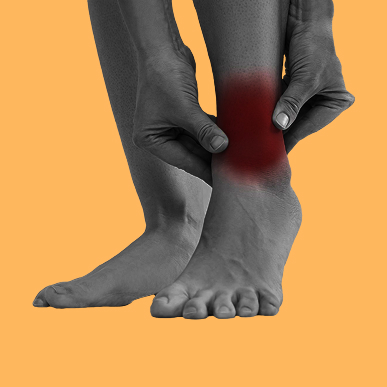
Let us help you move freely and
comfortably again
An Achilles rupture can halt your everyday activities, making it difficult to walk or perform athletic movements. Whether it happened suddenly during sports or resulted from prolonged strain on the tendon, the pain and limited mobility can be disheartening. At The PT Zone, we understand the critical role your Achilles tendon plays in maintaining balance, stability, and power for running and jumping.
Our approach focuses on carefully guiding you through each phase of rehabilitation to ensure proper tendon healing and regain normal foot mechanics. We tailor treatment plans that may include exercises to gently stretch and strengthen the calf muscles, manual therapy to reduce scar tissue, and gradual weight-bearing activities to promote tendon resilience.
By targeting not only the site of the rupture but also the underlying reasons for tendon weakness, we help accelerate recovery and reduce the likelihood of future injuries.
Our Therapies for Achilles Rupture Recovery:
Lorem ipsum dolor sit amet, consectetur adipiscing elit, sed do eiusmod tempor incididunt ut labore et dolore magna aliqua. Ut enim ad minim veniam, quis nostrud exercitation ullamco laboris nisi ut aliquip ex ea commodo consequat.
-
Graston Technique
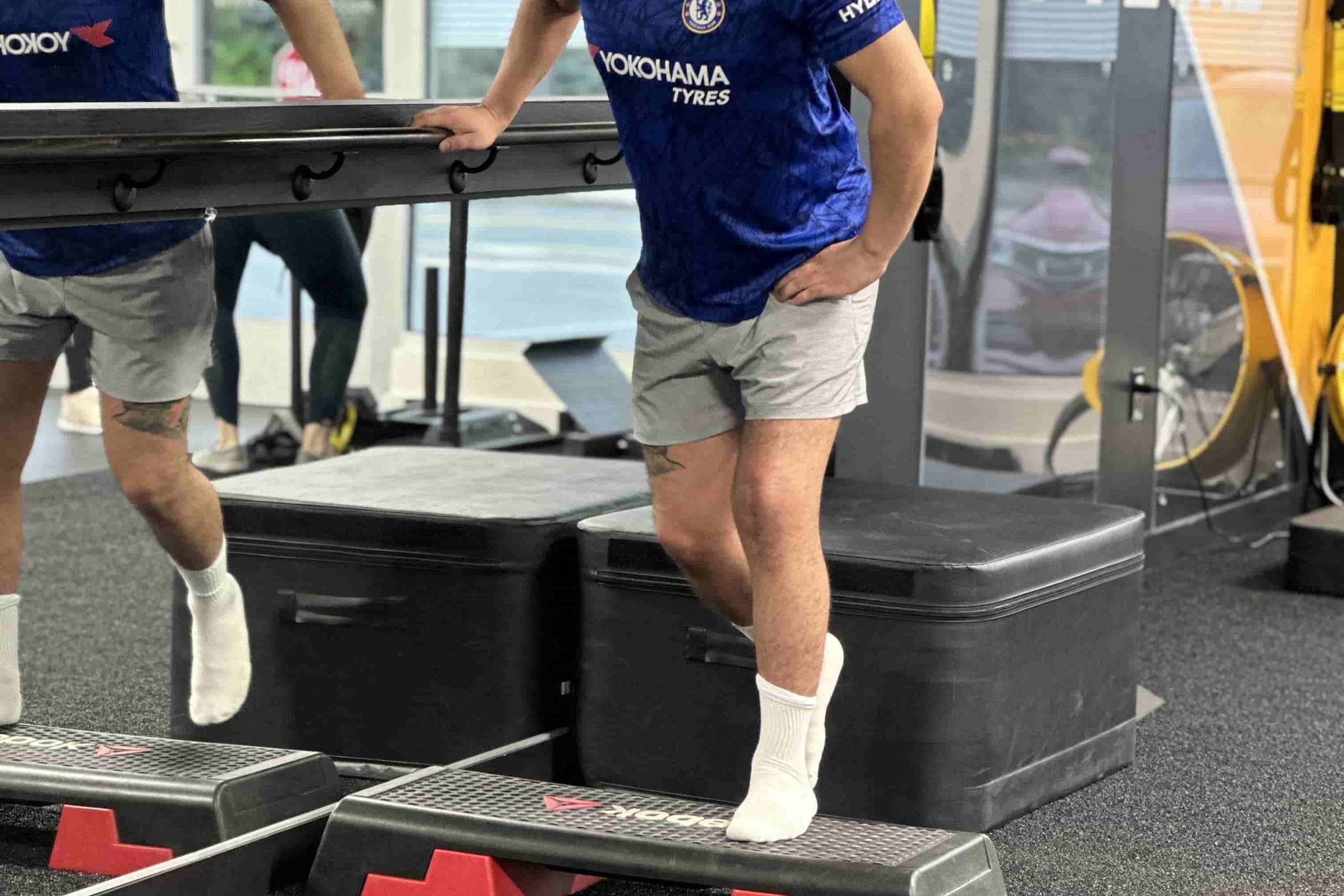
Graston Technique in Medford, MA gently breaks down scar tissue, improves circulation, and accelerates healing for long-lasting pain relief.
-
Graston Technique
Graston Technique in Marblehead, MA targets scar tissue and adhesions, improving mobility and speeding healing for enduring relief.
-
Graston Technique
Graston Technique in Malden, MA pinpoints and frees tight tissues, boosting circulation and speeding recovery to deliver natural, long-lasting pain relief
-
Graston Technique
Graston Technique in Lynnfield, MA breaks down adhesions, restores motion, and accelerates healing for rapid, long-term relief.
-
Graston Technique
Graston Technique in Lynn, MA breaks up adhesions, boosts circulation, and speeds tissue recovery for natural, long-lasting relief.
-
Graston Technique
Graston Technique in Everett, MA accelerates healing by breaking up scar tissue, reducing inflammation, and restoring functional movement for lasting relief.
-
Graston Technique
Graston Technique in Danvers, MA helps break down scar tissue, ease pain, and boost mobility. Experience faster, targeted recovery for lasting relief.
-
Graston Technique
Find Renewed Mobility with Graston Technique in Chelsea, MA What is Graston Technique andHow Does It Help? Graston Technique uses specialized metal tools to detect and break up problematic scar tissue. For many people in Chelsea, Massachusetts, this targeted approach can accelerate healing for muscle, tendon, or ligament injuries. As the tool glides over tight…
-
Gait Training
Reclaim a smooth, pain-free stride in Everett, MA with focused gait training. From post-surgery rehab to chronic knee or ankle issues, our targeted techniques build strength, restore balance, and support confident mobility.
-
Graston Technique
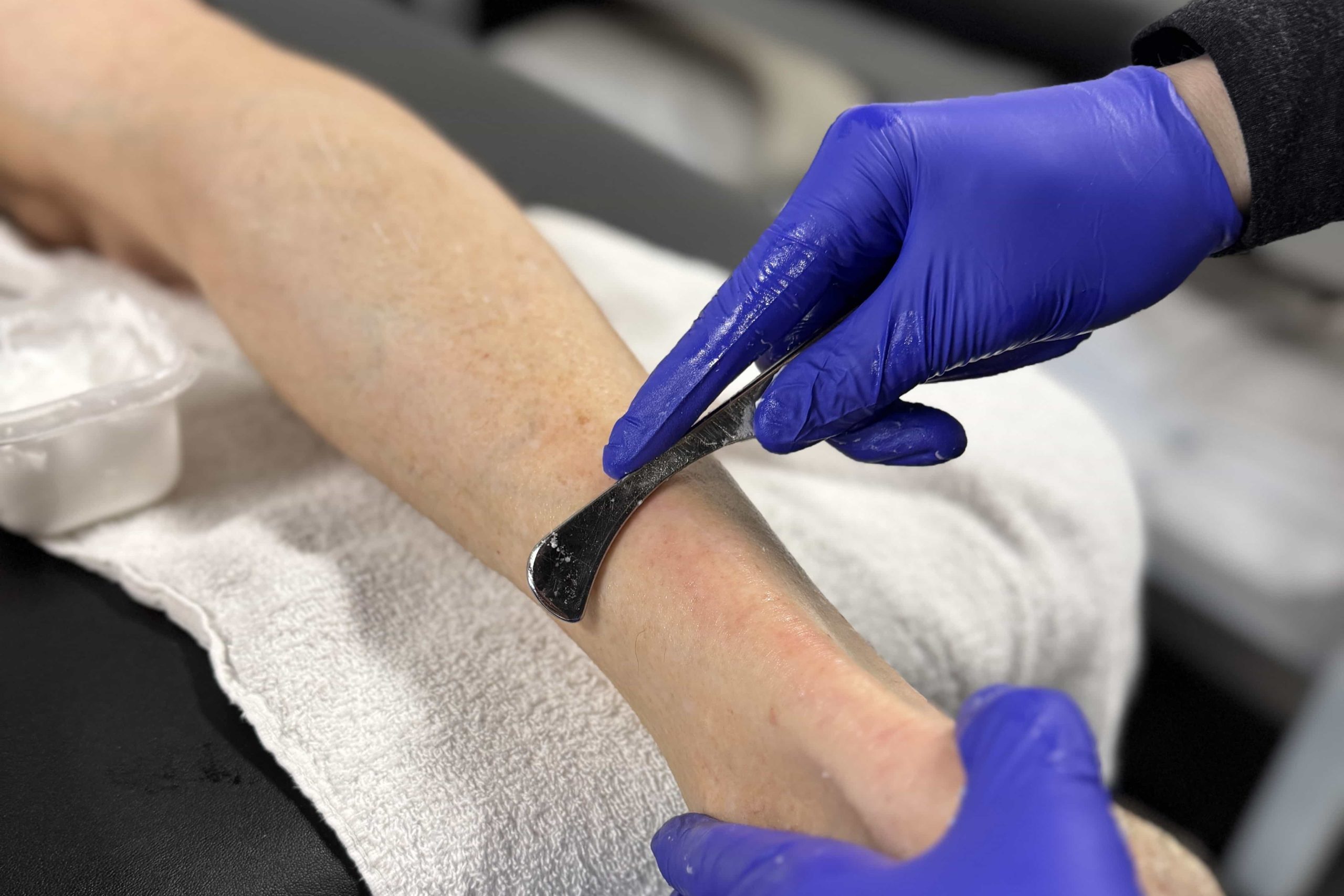
Experience the Graston Technique in Beverly, MA, a cutting-edge form of instrument-assisted soft tissue mobilization designed to break up scar tissue and fascial restrictions. This specialized approach promotes enhanced circulation, accelerates healing, and restores freedom of movement for long-lasting relief.

At The PT Zone, we’re committed to helping you achieve long-term relief and restore your ability to move freely and without pain.
Our comprehensive approach ensures we address not only the rupture itself but also any contributing factors like muscle imbalances or gait issues. Let us support you through your healing journey, so you can return to walking, running, and all your favorite activities with confidence.
Common Questions from Achilles Rupture Clients
1. How long does it take to recover from an Achilles rupture?
Recovery time can vary significantly based on the severity of the rupture and whether surgery was required. Some individuals begin bearing weight within a few weeks, while complete return to sports or demanding activities may take several months.
2. What causes an Achilles rupture?
A rupture often occurs when the tendon is overstretched, commonly during explosive movements like sprinting or jumping. Chronic tendonitis, poor flexibility, and sudden increases in activity level can also contribute to the risk.
3. Can physical therapy fully restore my Achilles function?
A well-structured physical therapy program can significantly enhance healing and functional recovery. Complete restoration is possible for many patients, particularly when therapy is started promptly and followed consistently.
4. Do I need surgery, or can I recover with conservative treatment?
Some ruptures heal effectively with non-operative management, including casting or bracing and a structured rehab plan. However, more severe cases may require surgical intervention to reconnect the tendon. Your healthcare team will recommend the best approach for you.
5. How can I prevent re-injuring my Achilles tendon?
Gradual progression of activity, consistent stretching, and strengthening exercises can all reduce the risk of re-injury. Proper footwear and technique, as well as avoiding sudden increases in training intensity, also play important roles in prevention.
6. Is physical therapy for an Achilles rupture painful?
Some soreness can occur as you begin to move and strengthen the tendon after injury. Our team will work with you to ensure exercises are appropriately challenging but not excessively painful, helping you progress safely.
7. How soon will I see progress in my rehabilitation?
Many individuals notice gradual improvements in pain and mobility within the first few therapy sessions. Full recovery, however, can take several months or longer depending on the severity of the rupture and your overall healing process.