
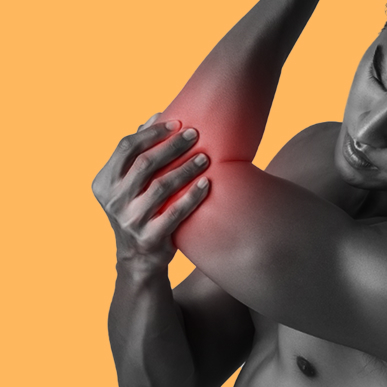
If you struggle with elbow pain or soreness, you may be dealing with elbow epicondylitis, commonly known as tennis elbow (lateral epicondylitis) or golfer’s elbow (medial epicondylitis). At The PT Zone, we focus on reducing pain, restoring mobility, and helping you regain confidence in your daily or athletic activities.
- Calm inflammation around the elbow tendon attachments
- Improve flexibility and reduce tension in the forearm muscles
- Build strength in supporting structures to stabilize the elbow
- Adopt healthy movement patterns to prevent future elbow flare ups
Let us help you move freely and comfortably again
Elbow epicondylitis involves inflammation or irritation of the tendons attached to the elbow, leading to pain and reduced grip strength. In tennis elbow (lateral epicondylitis), the outer part of the elbow is affected, while golfer’s elbow (medial epicondylitis) causes discomfort on the inside. At The PT Zone, we aim to address the root causes of your elbow pain, whether it comes from repetitive strain, improper movement habits, or muscle imbalances.
We combine manual therapy, targeted exercises, and education about ergonomic improvements, helping you reduce stress on the tendons and regain normal elbow function. Through consistent effort and our personalized approach, we aim to help you feel better whether you are swinging a golf club, lifting objects at work, or simply picking up a coffee mug with ease.
We begin by assessing your elbow mobility, forearm strength, and daily activities that may aggravate your condition. From there, we may incorporate gentle mobilizations, dry needling, or cupping to reduce tightness and speed up healing. Our exercise programs focus on rebuilding grip strength, improving forearm endurance, and teaching you strategies to avoid re irritating the tendons. With ongoing guidance and progress checks, we ensure you continue to move forward in your recovery.
Our goal is to help you overcome the discomfort of tennis elbow or golfer’s elbow and return to your favorite activities with less pain and greater control.
Our Therapies for Elbow Epicondylitis Recovery:
We use a mix of hands on therapy, targeted strengthening exercises, and specialized techniques like dry needling to reduce tendon irritation, improve elbow stability, and help you move without pain.
-
Dry Needling
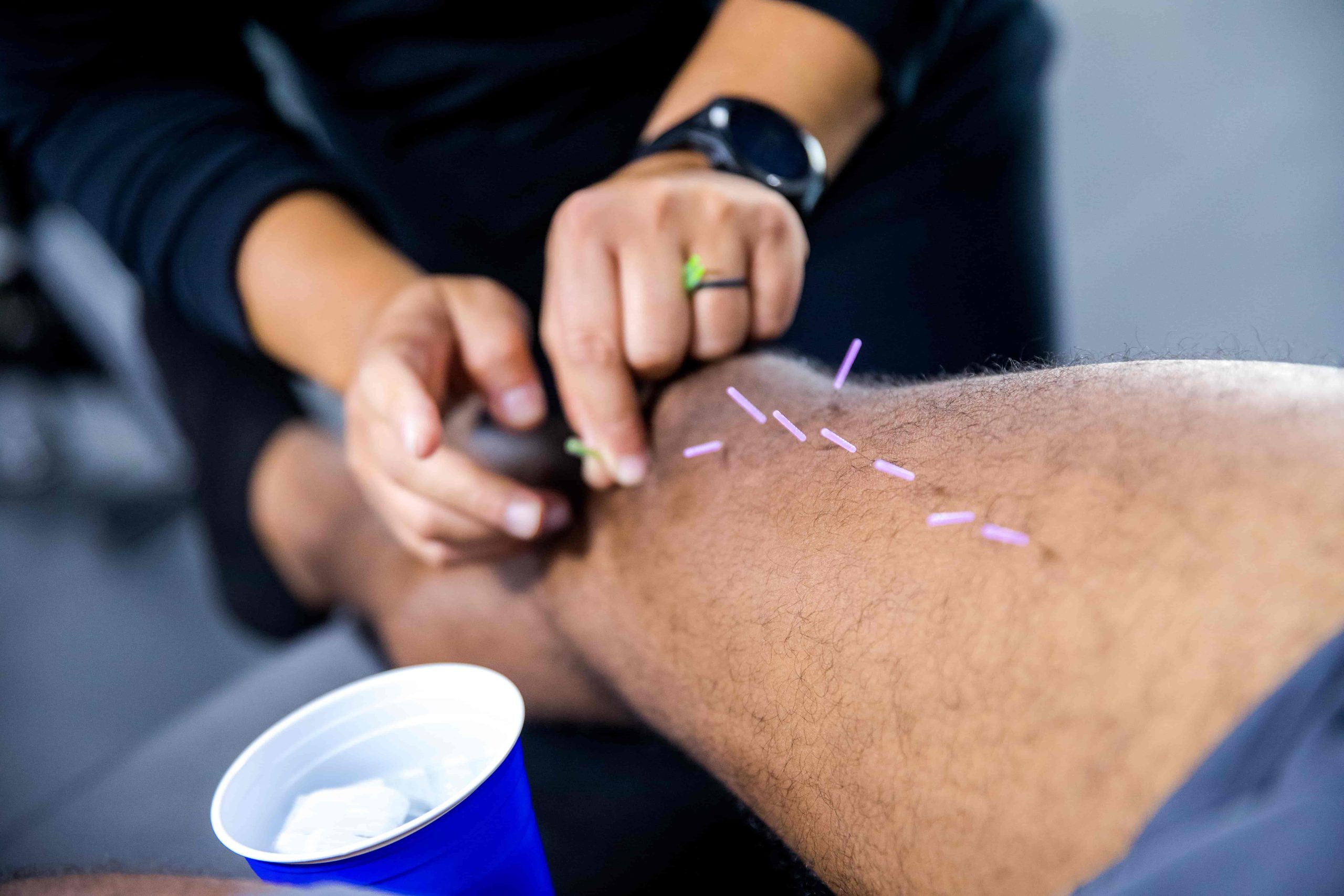
Experience quicker recovery and long-lasting pain relief with Dry Needling in Nahant, MA. Our targeted approach eases muscle tension, boosts healing, and restores comfortable, natural movement for daily life.
-
Cupping Nahant
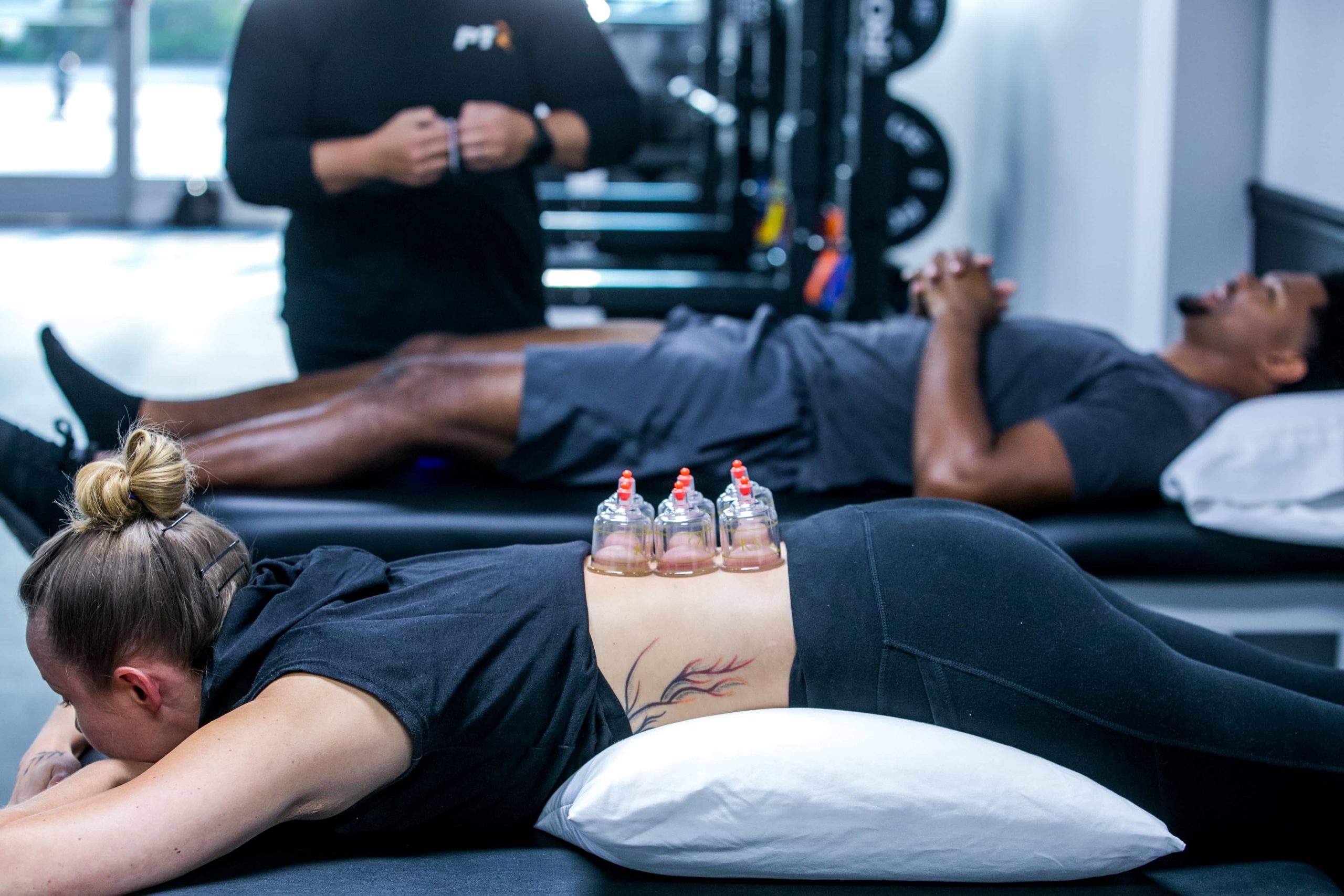
Experience time-honored cupping therapy in Nahant, MA to relieve tight muscles, boost circulation, and fast-track your body’s healing process. Gentle suction eases soreness, reduces stress, and helps you stay active, flexible, and ready for whatever comes next.
-
Certified Manual Therapy Nahant
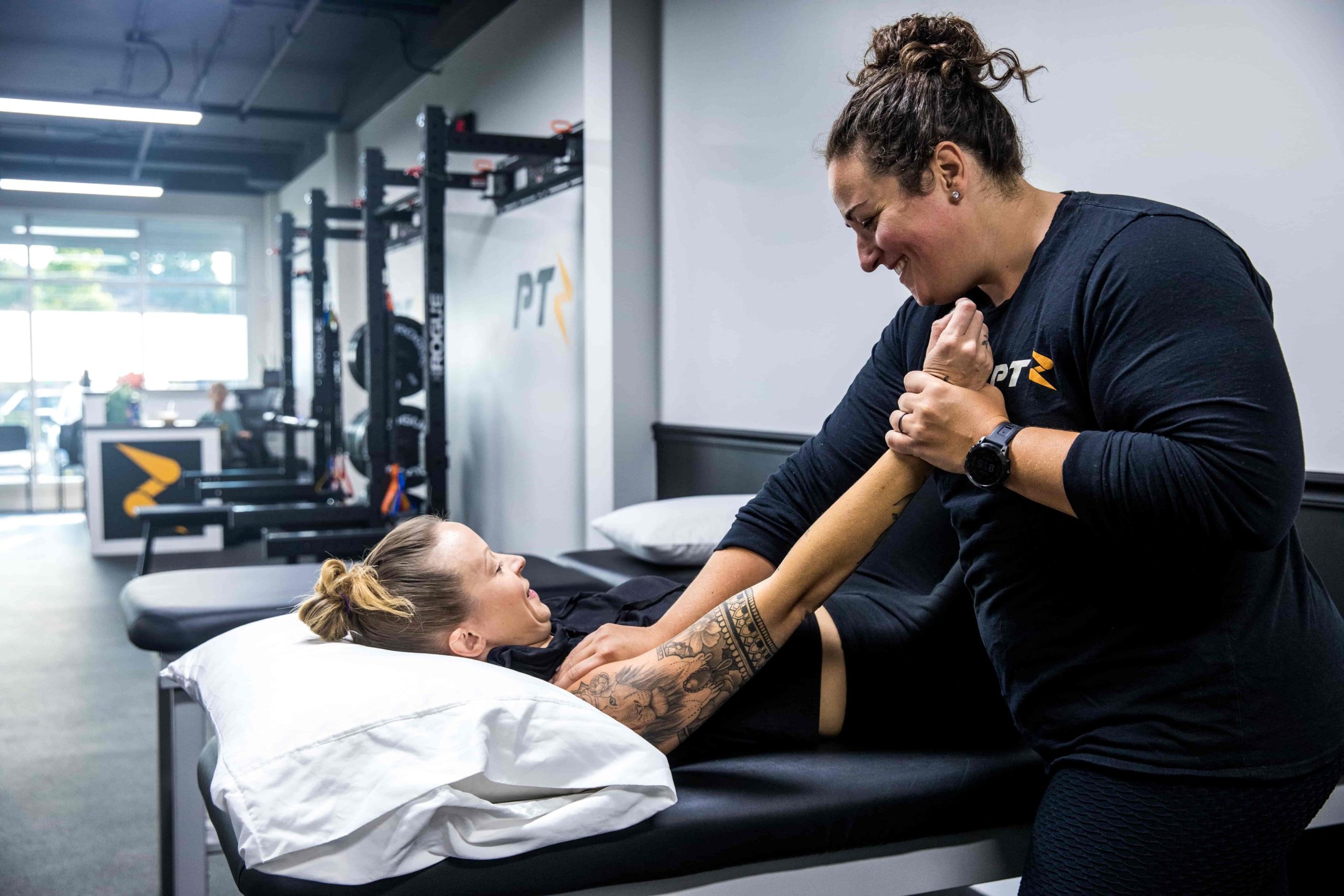
Certified Manual Therapy in Nahant, MA uses focused, hands-on techniques—like joint mobilization and soft tissue work—to address pain and stiffness at its core. By pinpointing areas of tension and misalignment, therapists help promote smoother, more comfortable movement. Many individuals find that this personalized approach greatly enhances their daily mobility and quality of life.
-
Balance Training Nahant
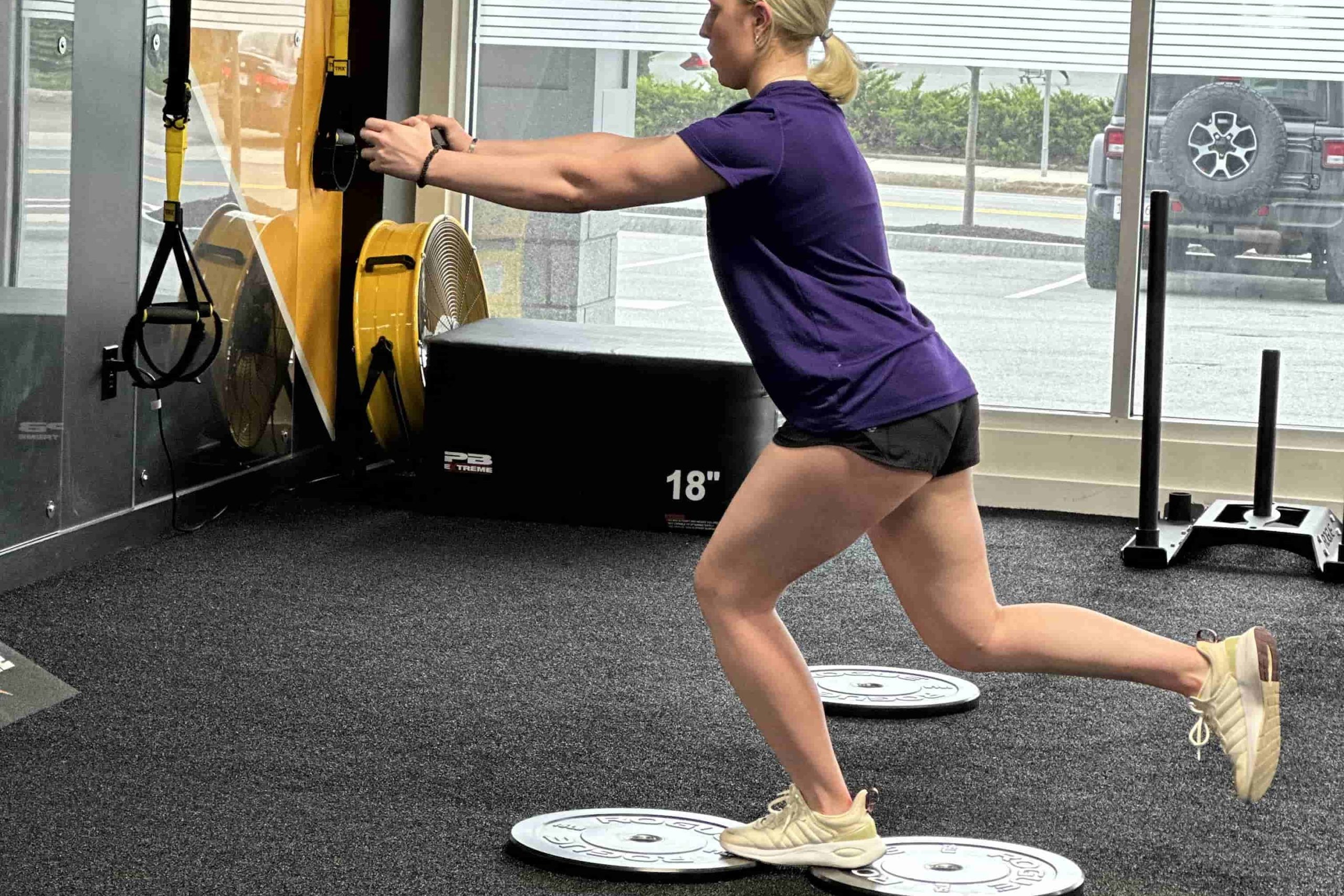
Strengthen your core and refine foot control so you can navigate each step in Nahant with greater ease. By challenging your balance through specialized drills, you’ll reduce the risk of falls and sharpen your body’s natural reactions. Whether recovering from a leg injury or simply looking to move more confidently, these exercises provide a versatile…

At The PT Zone, we aim to help you conquer elbow epicondylitis.
Our personalized approach goes beyond short term pain relief, focusing on the movement habits and strength deficits that contribute to tennis elbow or golfer’s elbow. By correcting imbalances and guiding you through proper techniques, we help you return to your routine with lasting comfort and improved performance.
Common Questions from Elbow Epicondylitis Clients
1. How long does it take to recover from tennis elbow or golfer’s elbow?
Recovery depends on factors like the severity of tendon inflammation, how quickly you start therapy, and your consistency in following home exercises. Some people notice improvements in a few weeks, while more persistent cases require a few months of dedicated care. Our goal is to help you move toward lasting relief at a safe, sustainable pace.
2. What causes lateral or medial epicondylitis?
Tennis elbow (lateral epicondylitis) typically stems from repetitive wrist extension, often seen in racquet sports or jobs involving wrist movements. Golfer’s elbow (medial epicondylitis) arises from repetitive wrist flexion, common in golf swings or certain occupational tasks. Both forms involve small tears or inflammation in the tendons that attach to the elbow. Identifying specific movements that contribute to the strain helps guide effective treatment.
3. Can I keep playing sports or working with an irritated elbow?
In many cases, yes, with modifications. We will help you adapt activities or equipment so that you can continue playing or working safely. If your pain is severe, we may recommend temporarily reducing or altering certain movements, but complete rest is not always necessary. By balancing rest and controlled exercise, you can often maintain an active lifestyle while healing.
4. Do I need surgery for epicondylitis?
Surgery is typically a last resort for tennis elbow or golfer’s elbow. Most cases respond well to conservative measures like physical therapy, bracing, or injections. Surgery is usually considered only when these options have not provided sufficient relief, and symptoms significantly impact quality of life. We always encourage exploring a thorough therapy program first.
5. What does therapy look like for elbow epicondylitis?
Sessions often include gentle stretching, strengthening exercises for the forearm, and manual therapy to reduce tension in the muscles. We might also use techniques like dry needling, ice, or heat to control inflammation and ease pain. As you progress, we will introduce more challenging exercises to build resilience and prevent re injury.
6. Will therapy hurt if I already feel elbow pain?
Some mild discomfort can be expected as you work through irritated or weak tissues, but we keep it manageable. Your therapist will adjust exercises and intensities to meet your current tolerance. As healing progresses, you should experience less pain and more function, which is a sign of effective recovery.
7. How can I avoid epicondylitis from coming back?
Maintaining good form in sports or work activities, regularly stretching and strengthening your forearm muscles, and taking breaks to avoid repetitive strain all help. We also recommend periodic check ups or refresher exercises if you notice any early signs of tightness or discomfort. Being proactive can keep you moving freely and prevent future flare ups.