
Rejuvenate Your Body with Cupping Therapy
- Boosts circulation and aids natural detox
- Loosens tight muscle tissue and eases discomfort
- Promotes relaxation and stress relief
- Enhances mobility for everyday or sports activities
- Speeds up the body’s inherent healing processes
What is Cupping and
How Does It Help?
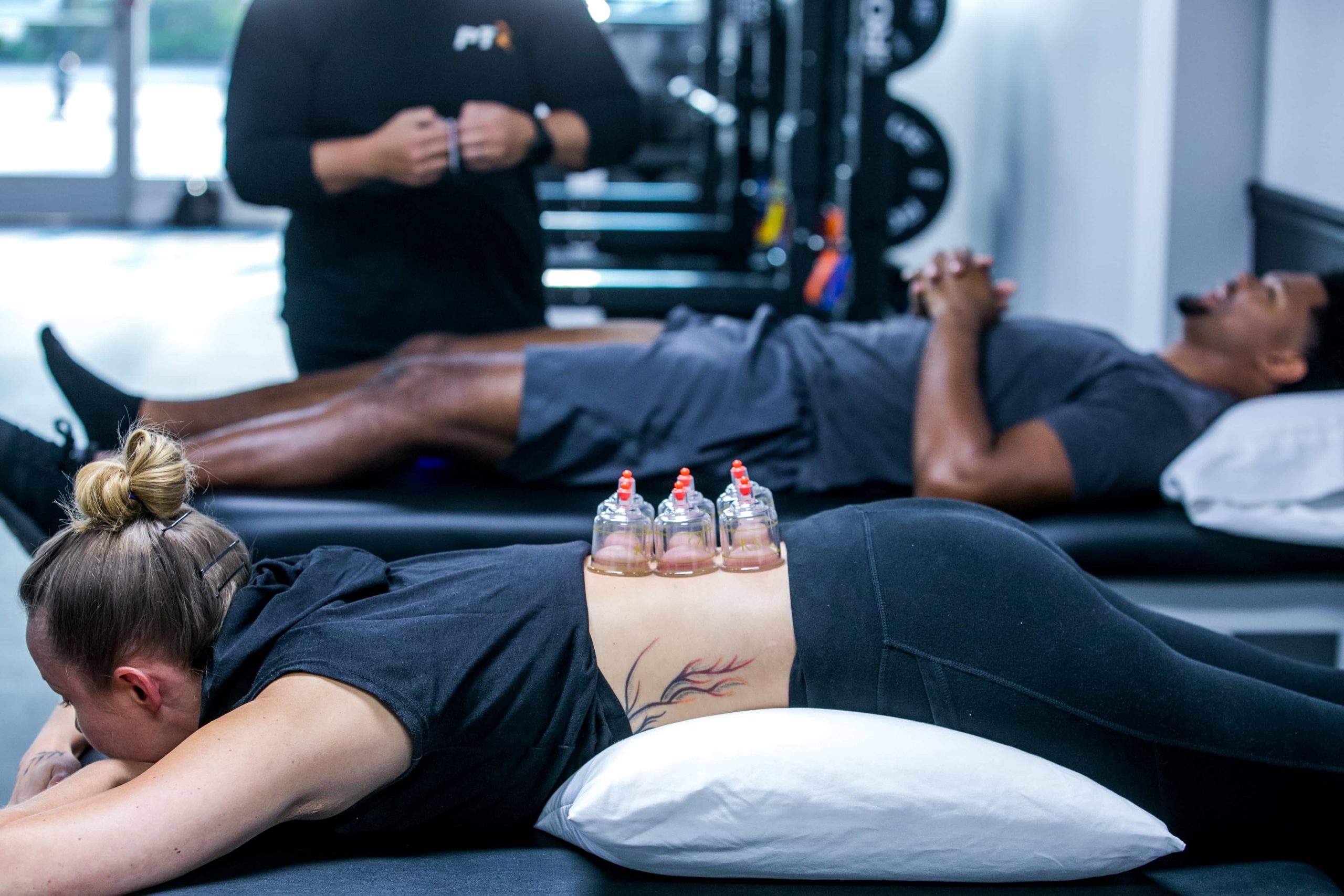
Cupping therapy is an ancient practice that uses light suction to soften muscle tightness, promote blood flow, and spark the body’s natural healing. Residents in Nahant, MA, often rely on cupping to alleviate soreness, decrease stress, and keep active lifestyles on track.
During a session, specialized cups form a vacuum on the skin, drawing fresh blood into tense areas and helping remove stagnant byproducts. This can lower inflammation, relieve stiffness, and accelerate muscle recovery—a benefit for everyone from busy parents to dedicated athletes.
Whether you’re targeting specific aches or simply aiming for a more relaxed body, cupping is versatile and works in tandem with various wellness approaches.
Additionally, the soothing suction effect activates the parasympathetic nervous system, steering you toward a calmer state. Many in Nahant notice a lighter, more mobile feeling post-treatment—making cupping a trusted ally in their health and recovery plans.
Safe, adaptable, and grounded in centuries of use, cupping therapy helps you stay active, comfortable, and ready to take on daily challenges.

In The Zone


Conditions Cupping Can
Help Address: (A-Z)
Carpal Tunnel Syndrome
Cupping relieves tension in the wrist and forearm, potentially easing pressure on the median nerve to improve tingling or numbness.
Concussion
By loosening neck and shoulder muscles, cupping may alleviate secondary headaches or stiffness following a concussion.
De Quervain’s Syndrome
Focused treatment around the thumb and wrist area helps reduce tendon inflammation and restore smoother movement.
Degenerative Disc Disease
Targeting the back and spinal muscles, cupping encourages better circulation and tension release, easing disc-related discomfort.
Elbow Epicondylitis (Lateral or Medial)
Also known as tennis or golfer’s elbow, cupping can help calm inflammation and ease strain on overused tendons.
Frozen Shoulder
Gentle suction loosens adhesions in the shoulder joint, improving mobility and easing pain in everyday tasks.
Headaches (Cervicogenic, Migraine, Tension)
Cupping relieves tightness in the neck and upper back, potentially reducing headache severity or frequency.
Impingement Syndrome
By alleviating tight muscles in the shoulder, cupping makes room for tendons and eases impingement-related pain.
IT Band Syndrome
Focusing on the outer thigh, cupping relaxes the IT band, a common trouble spot for runners and active individuals.
Jaw Pain or Temporomandibular Disorder (TMJ)
By releasing tension in the jaw and surrounding muscles, cupping may reduce pain, clicking, or stiffness.
Joint Sprains (Ankle, Back, Knee, Neck, Shoulder)
Cupping boosts local blood flow, reducing swelling and helping sprained joints recover more quickly.
Low Back Pain
Therapy loosens stubborn knots in the lumbar area, improving daily function and comfort.
Muscle Spasms
Cupping relaxes hyperactive muscle fibers, interrupting the spasm cycle for long-lasting relief.
Muscle Strains (Biceps, Calf, Hamstring, Pec, Quadriceps, Rotator Cuff)
Drawing nutrient-rich blood to injured areas supports faster recovery and reduces residual soreness.
Neck Pain
Gentle suction can ease tense neck muscles, often lessening headaches and stiffness in the process.
Piriformis Syndrome
By reducing tightness near the sciatic nerve, cupping may relieve radiating leg pain and restore easier movement.
Plantar Fasciitis
Cupping targets tight calf and foot muscles, speeding relief from persistent arch or heel pain.
Postural Dysfunction
Therapy helps release muscles that pull you out of alignment, supporting better posture and reducing associated pain.
Radiculopathy (Cervical and Lumbar)
Cupping boosts circulation near irritated nerves, which can ease numbness, tingling, or deep aches.
Rotator Cuff Tear
Suction relaxes shoulder muscles, lessening strain on tendons and aiding in rehab efforts.
Sacroiliac Dysfunction
Reducing tension in the hips and lower back can help stabilize the SI joint, reducing pain during movement.
Sciatica
Loosening deep muscular tension, cupping may ease pressure on the sciatic nerve, alleviating radiating leg discomfort.
Shin Splints
Therapy improves circulation in the calves and shins, helping to calm inflammation and restore more comfortable movement.
Common Questions About Cupping
1. Does cupping hurt?
Most people describe a mild pulling sensation. Any temporary soreness generally subsides quickly if muscles are especially tense.
2. Why do the circular marks appear?
These marks, often called “cup kisses,” show an increase in blood flow. They’re not bruises and normally fade within days.
3. How long do sessions take?
A typical cupping appointment runs 15-30 minutes, adjusted based on the number of areas you’d like treated.
4. Who can benefit from cupping in Nahant?
Almost anyone looking to relieve tension, speed recovery, or handle stress naturally can find value in cupping, when performed by a trained therapist.
5. How often should I get cupping therapy?
Frequency varies. Some prefer weekly sessions, while others in Nahant do monthly tune-ups to stay pain-free and flexible.
6. Does cupping benefit athletes?
Yes, it’s a go-to therapy for athletes aiming to reduce muscle stiffness, improve recovery times, and maintain performance levels.
7. Any post-session advice?
Stay hydrated, avoid exposing the cupped areas to excessive heat or cold, and allow yourself some downtime to help the effects settle in.