
If you are struggling with shoulder stiffness, pain, or a limited range of motion, you may have Frozen Shoulder, also known as adhesive capsulitis. At The PT Zone, we offer targeted therapies to alleviate discomfort, increase mobility, and help you regain confidence in daily activities.
- Decrease inflammation and pain in the shoulder joint
- Improve shoulder range of motion for everyday tasks
- Strengthen surrounding muscles to stabilize the joint
- Practice healthy movement patterns to prevent recurrence

Let us help you move freely and comfortably again
Frozen Shoulder occurs when the capsule surrounding your shoulder joint becomes thickened and tight, limiting movement and causing discomfort. This condition often progresses through stages of increasing stiffness before gradually improving, but many people struggle with pain or restricted arm function along the way. At The PT Zone, our goal is to ease pain, restore mobility, and help you navigate each phase of recovery with greater comfort.
We use a personalized approach to identify specific limitations in your shoulder mechanics, focusing on reducing inflammation, gently stretching the capsule, and strengthening the muscles that support your shoulder. By addressing both mobility and stability, we aim to improve your ability to perform daily tasks like reaching overhead, lifting objects, and dressing without lingering pain.
We start with a thorough evaluation to determine your current range of motion, posture, and muscle balance. We may incorporate manual therapy, dry needling, cupping, or other techniques to reduce tension in the shoulder and surrounding tissues. As you progress, we will tailor your exercises and treatments to ensure you steadily regain functional movement while minimizing discomfort.
Our ultimate aim is to guide you through each stage of Frozen Shoulder so you can regain confidence in your shoulder, whether you are returning to sports or simply moving about more comfortably in your everyday routine.
Our Therapies for Frozen Shoulder Recovery:
We combine hands-on therapy, guided exercises, and methods like dry needling or cupping to reduce pain, restore movement, and strengthen your shoulder. Our focus is on helping you achieve steady, lasting improvement in flexibility and function.
-
Dry Needling
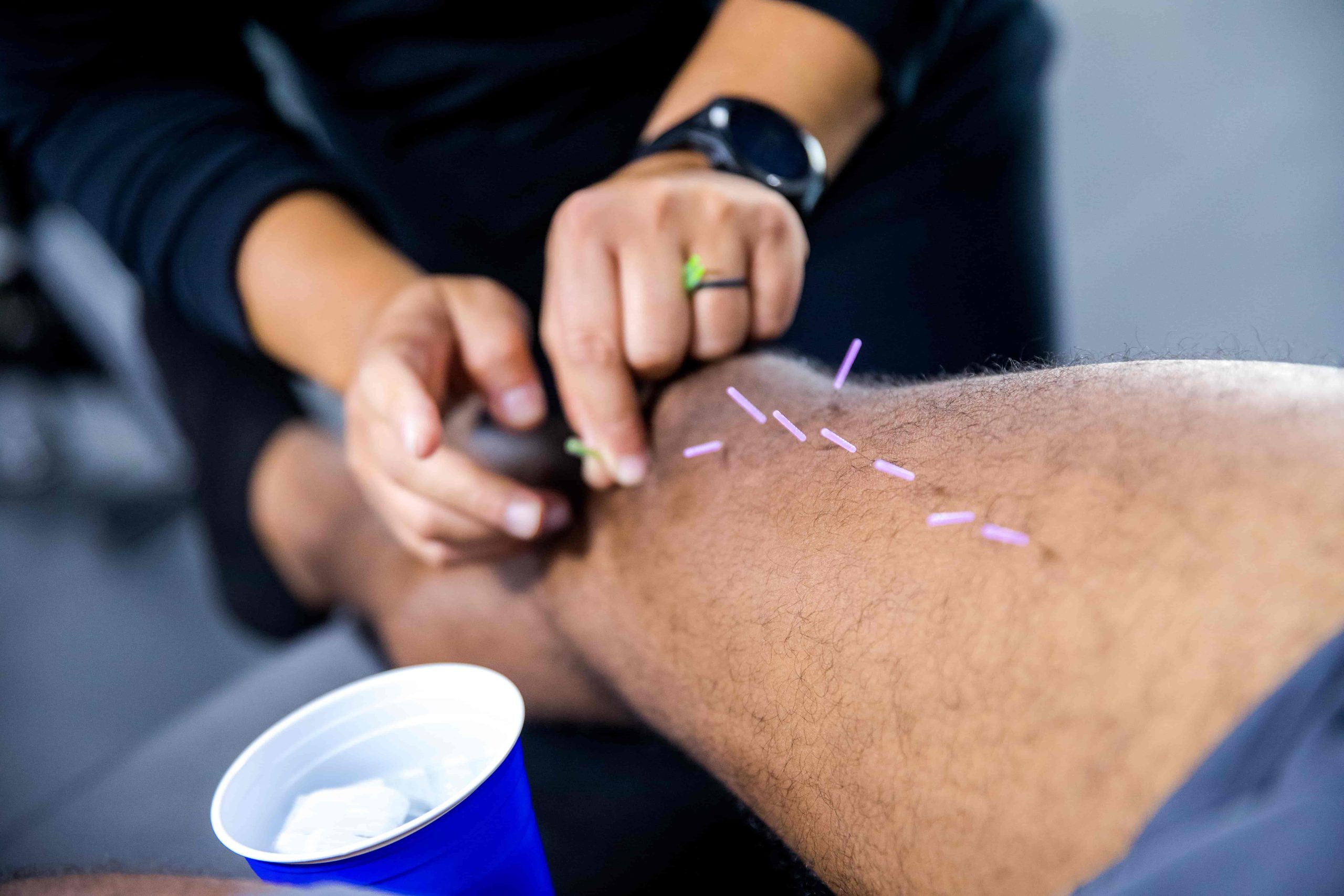
Experience quicker recovery and long-lasting pain relief with Dry Needling in Nahant, MA. Our targeted approach eases muscle tension, boosts healing, and restores comfortable, natural movement for daily life.
-
Cupping Nahant
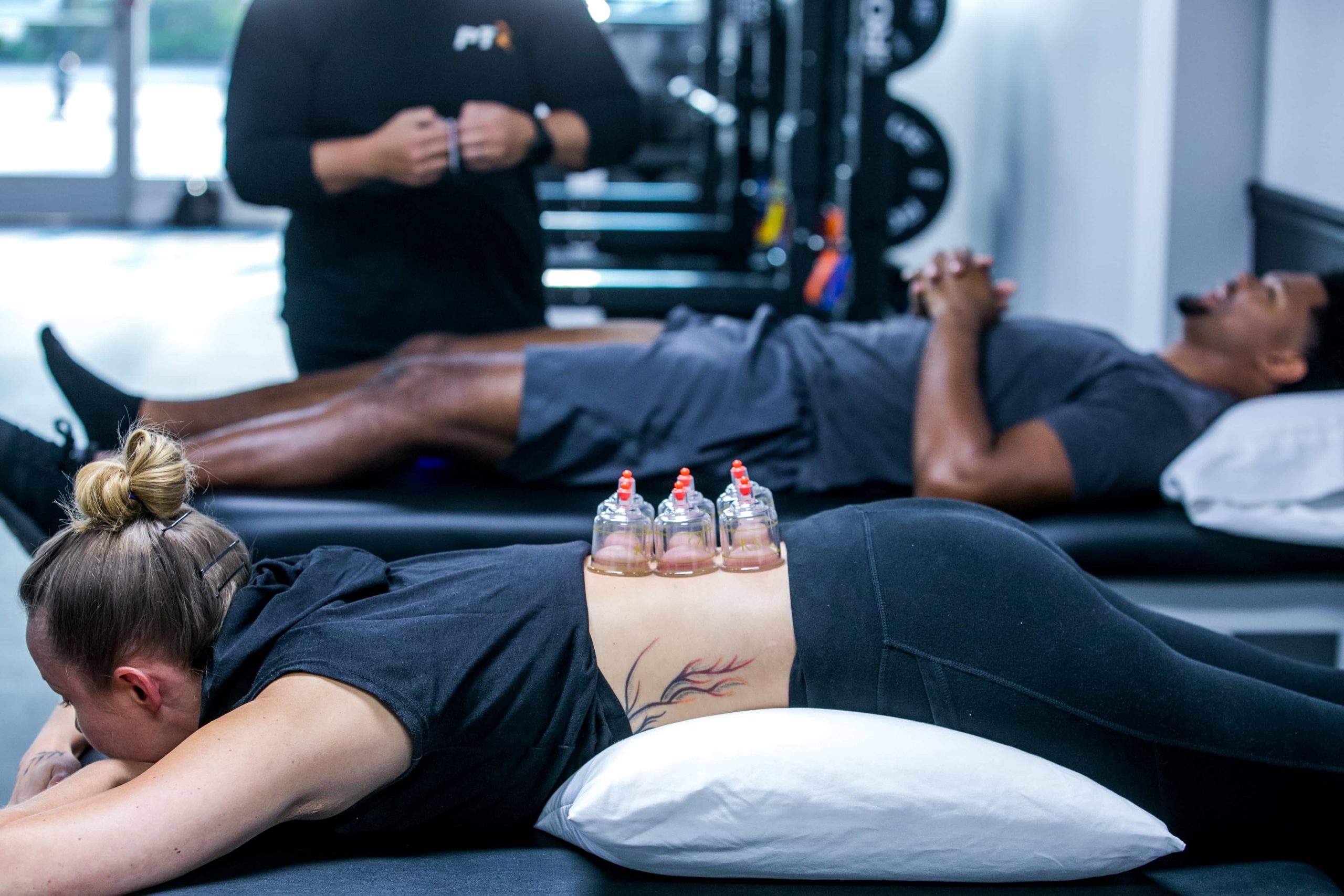
Experience time-honored cupping therapy in Nahant, MA to relieve tight muscles, boost circulation, and fast-track your body’s healing process. Gentle suction eases soreness, reduces stress, and helps you stay active, flexible, and ready for whatever comes next.
-
Certified Manual Therapy Nahant
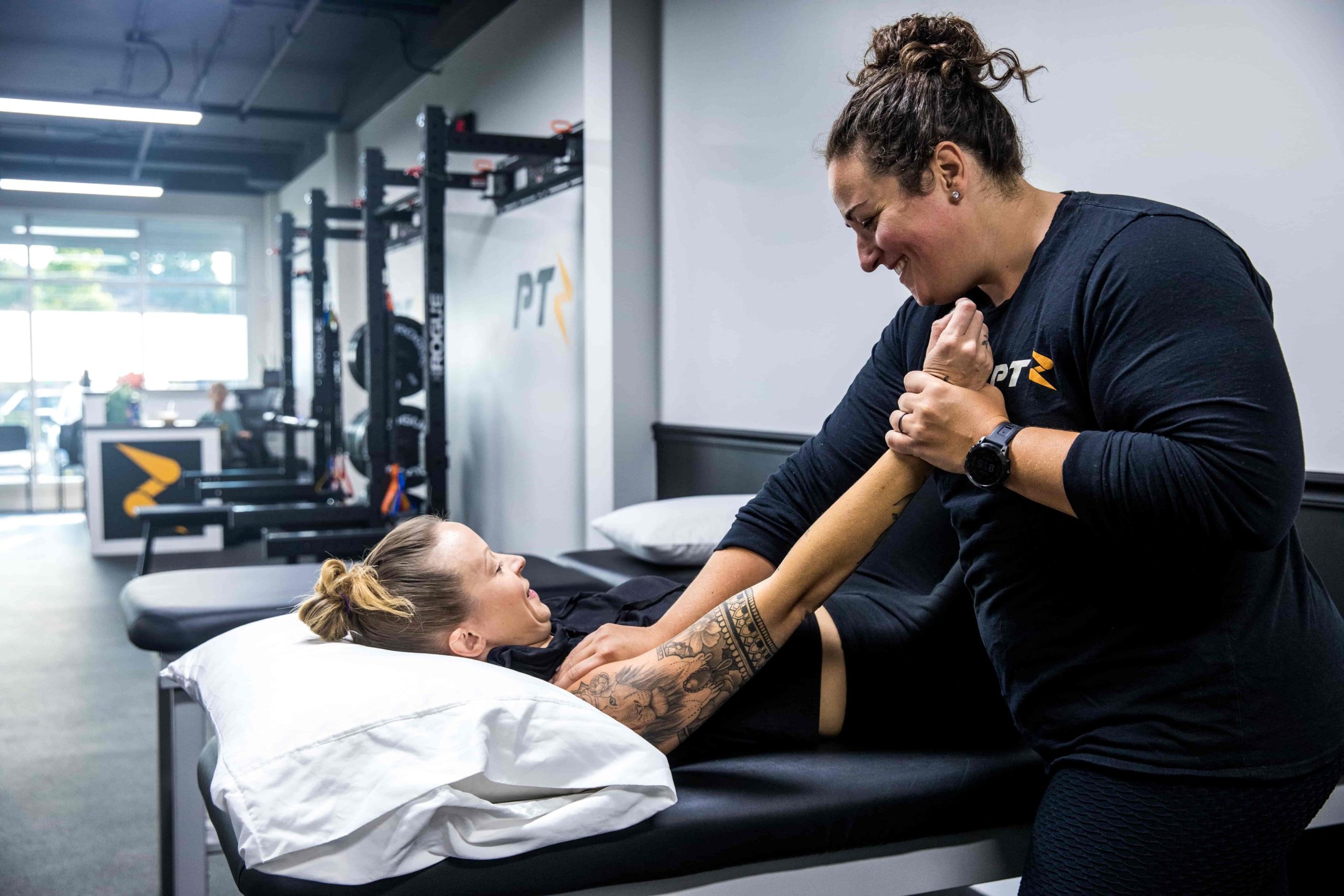
Certified Manual Therapy in Nahant, MA uses focused, hands-on techniques—like joint mobilization and soft tissue work—to address pain and stiffness at its core. By pinpointing areas of tension and misalignment, therapists help promote smoother, more comfortable movement. Many individuals find that this personalized approach greatly enhances their daily mobility and quality of life.
-
Balance Training Nahant
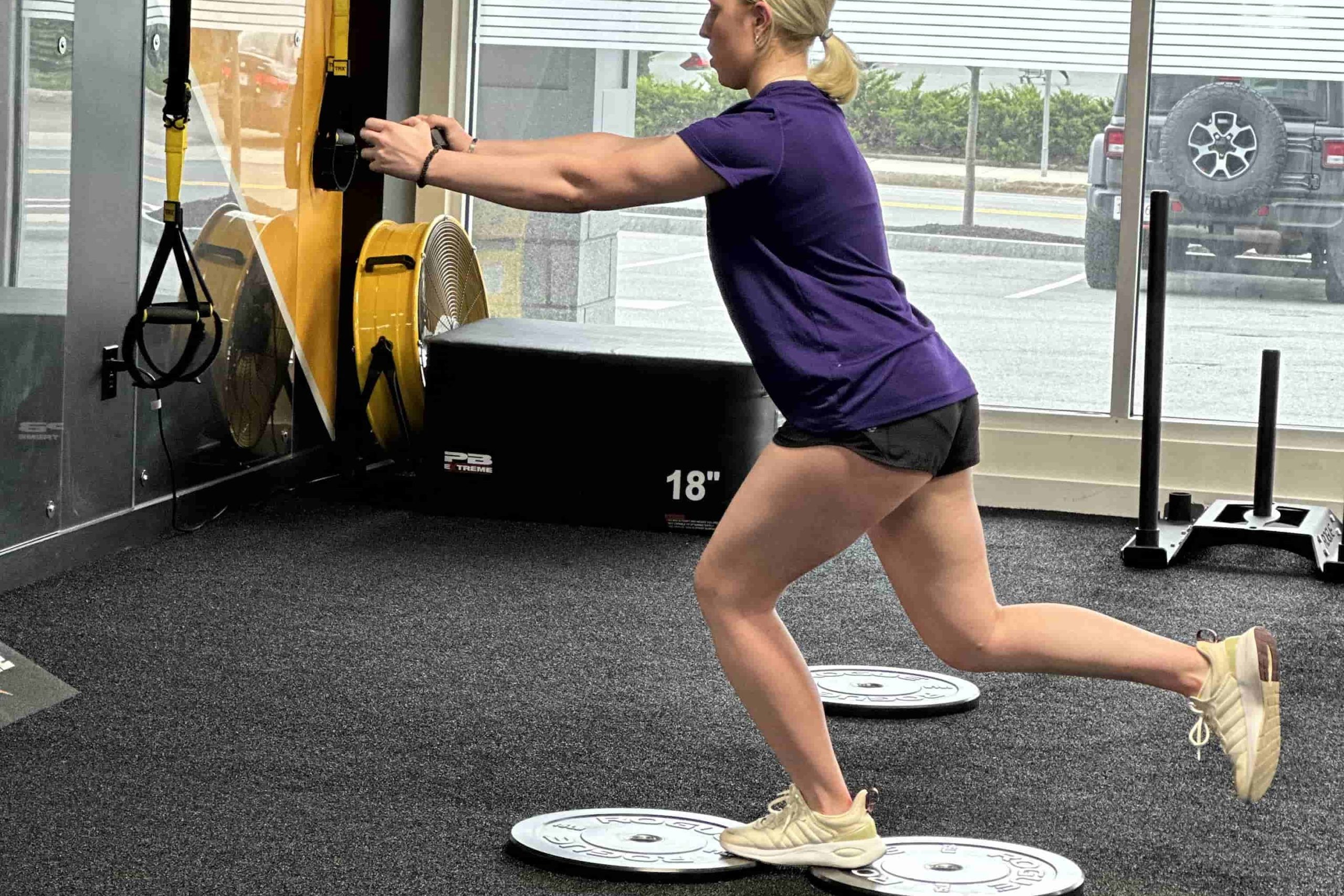
Strengthen your core and refine foot control so you can navigate each step in Nahant with greater ease. By challenging your balance through specialized drills, you’ll reduce the risk of falls and sharpen your body’s natural reactions. Whether recovering from a leg injury or simply looking to move more confidently, these exercises provide a versatile…

At The PT Zone, we are dedicated to helping you work through Frozen Shoulder.
Our personalized approach targets the underlying restrictions that cause pain and stiffness, focusing on gentle yet effective techniques to restore your range of motion. By guiding you through each step of recovery, we aim to help you regain the comfort and function you need for work, sports, or daily life.
Common Questions from Frozen Shoulder Clients
1. How long does Frozen Shoulder last?
Frozen Shoulder often progresses through three phases: freezing, frozen, and thawing. The entire process can span several months to over a year. Physical therapy can shorten these phases by improving mobility and reducing pain. Each person’s timeline is unique, but consistent treatment and home exercises typically speed recovery.
2. What causes Frozen Shoulder?
The exact cause is not always clear, but factors like prolonged immobilization (such as after surgery or injury), certain health conditions (like diabetes), or chronic inflammation can trigger the shoulder capsule to tighten. Identifying and addressing these factors helps guide a more effective therapy plan.
3. Does physical therapy for Frozen Shoulder hurt?
Some mild discomfort is common when working on a stiff shoulder. However, we strive to keep pain within a tolerable range, adjusting stretches and exercises based on your feedback. As you progress, you should notice less pain and more motion, indicating that the shoulder is responding positively to therapy.
4. Can I do my normal activities with Frozen Shoulder?
It is often safe to continue daily tasks with modifications to reduce strain on the shoulder. We will teach you strategies and adaptations to maintain activity as much as possible. If certain movements are too painful or stressful during the “freezing” or “frozen” stages, we guide you on pacing and avoiding overexertion that may worsen inflammation.
5. What does a typical Frozen Shoulder therapy session involve?
Sessions may include gentle joint mobilizations, stretching exercises, and soft tissue work to release tension in the surrounding muscles. We could incorporate modalities like dry needling or cupping to reduce pain and improve blood flow. Over time, we introduce strengthening drills to support the joint and protect against future stiffness or injury.
6. Will I need surgery for Frozen Shoulder?
Most cases of Frozen Shoulder respond well to conservative management, such as physical therapy and possibly injections to reduce inflammation. Surgery is usually considered a last resort if these measures fail. Our emphasis is on helping you regain function through a targeted therapy plan before considering more invasive interventions.
7. How can I maintain progress after therapy?
Following a home exercise program, practicing good posture, and avoiding prolonged inactivity or immobilization are key strategies. Periodic check ins with your therapist can also help ensure you continue improving and spot any early warning signs if stiffness starts to return. Consistency is key to preventing setbacks and maintaining your range of motion.