
If you struggle with ongoing back pain, stiffness, or reduced flexibility, you may be dealing with Degenerative Disc Disease. At The PT Zone, we provide specialized therapies to help relieve your symptoms, strengthen your spine, and restore comfortable movement.
- Reduce inflammation and irritation in the affected discs
- Improve spinal mobility for better range of motion
- Strengthen core and back muscles to stabilize the spine
- Develop healthy movement patterns to prevent further disc stress
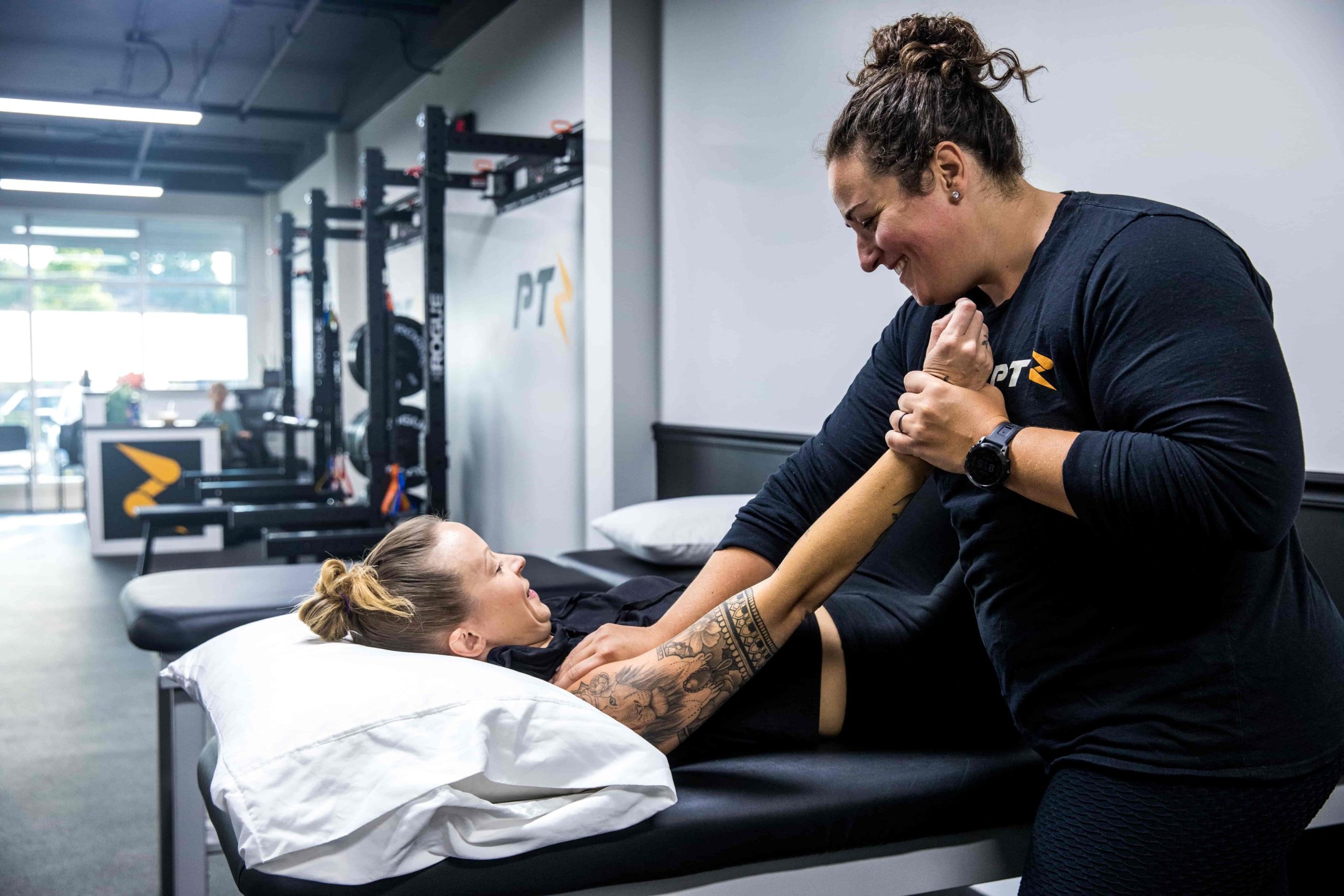
Let us help you move freely and comfortably again
Degenerative Disc Disease involves the gradual wear and tear of the discs in your spine, leading to pain, limited motion, and sometimes nerve irritation. Many people feel persistent soreness when standing or sitting for extended periods. At The PT Zone, we tailor our care to pinpoint the root causes of your discomfort. Our approach includes strengthening the core, improving flexibility, and adjusting movement habits to reduce stress on the affected discs.
We combine advanced manual therapy, targeted exercises, and education about spine alignment. By focusing on both pain relief and long term stability, we help you build a stronger foundation for your back, letting you return to daily activities with reduced pain and improved confidence.
We begin with a thorough assessment of your back and core strength, looking for areas of tension or imbalance that strain your discs. Depending on your needs, we may use dry needling, cupping, or gentle spinal mobilizations to relieve discomfort. As you progress, we adjust your therapy to optimize your results, always focusing on safe and steady improvements in your spine health.
Our goal is to help you regain pain free movement and restore your quality of life, whether that means returning to an active job, enjoying sports, or simply feeling better when you get out of bed in the morning.
Our Therapies for Degenerative Disc Disease Recovery:
We combine manual therapy, guided exercise routines, and specialized techniques like dry needling or cupping to relieve pain, stabilize your spine, and help you move more freely. Our aim is to restore strength, flexibility, and confidence in your daily movements.
-
Dry Needling

Experience quicker recovery and long-lasting pain relief with Dry Needling in Nahant, MA. Our targeted approach eases muscle tension, boosts healing, and restores comfortable, natural movement for daily life.
-
Cupping Nahant
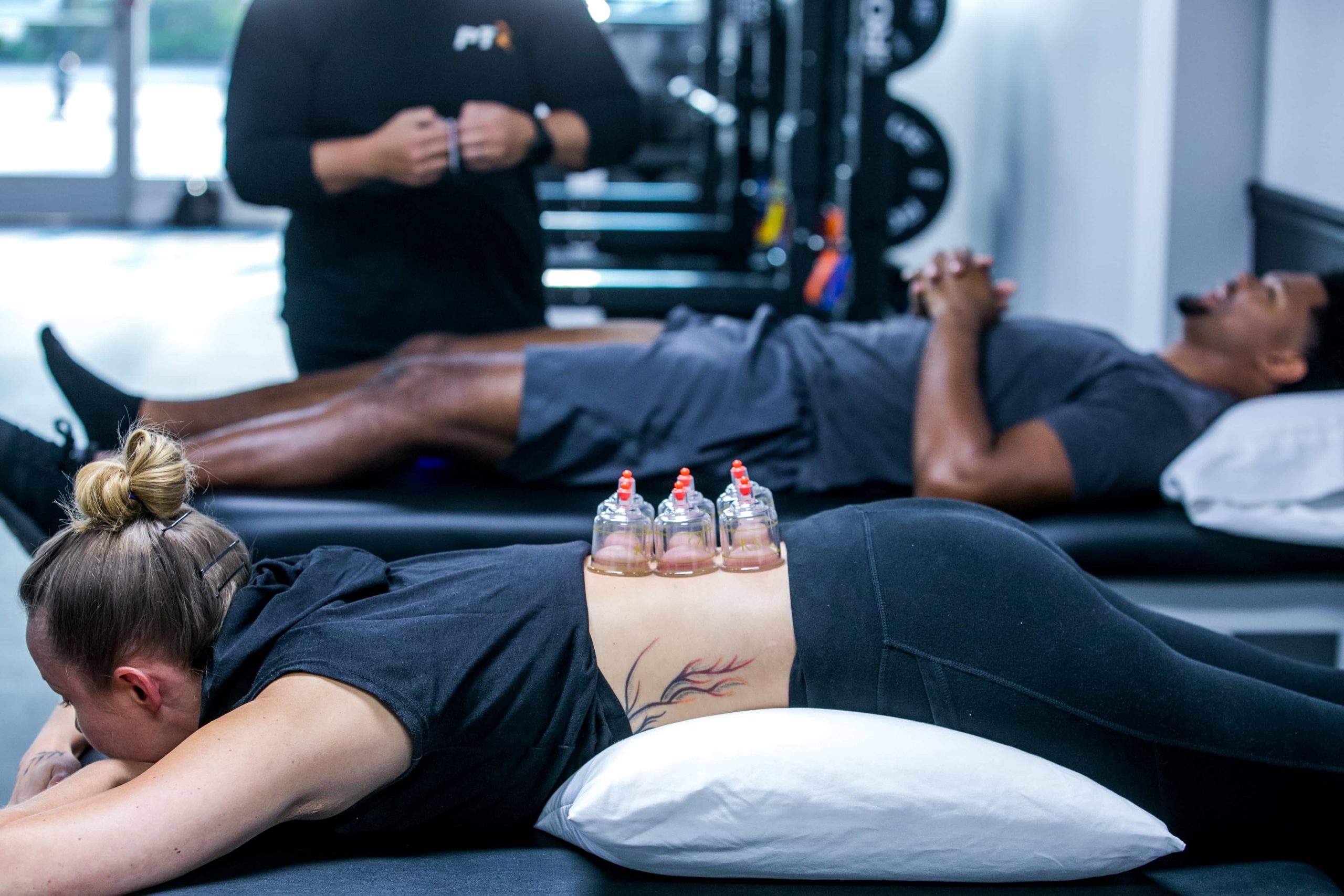
Experience time-honored cupping therapy in Nahant, MA to relieve tight muscles, boost circulation, and fast-track your body’s healing process. Gentle suction eases soreness, reduces stress, and helps you stay active, flexible, and ready for whatever comes next.
-
Certified Manual Therapy Nahant
Certified Manual Therapy in Nahant, MA uses focused, hands-on techniques—like joint mobilization and soft tissue work—to address pain and stiffness at its core. By pinpointing areas of tension and misalignment, therapists help promote smoother, more comfortable movement. Many individuals find that this personalized approach greatly enhances their daily mobility and quality of life.
-
Balance Training Nahant

Strengthen your core and refine foot control so you can navigate each step in Nahant with greater ease. By challenging your balance through specialized drills, you’ll reduce the risk of falls and sharpen your body’s natural reactions. Whether recovering from a leg injury or simply looking to move more confidently, these exercises provide a versatile…

At The PT Zone, we focus on helping you overcome Degenerative Disc Disease.
Our comprehensive approach looks beyond simply masking the pain, working instead to improve the alignment and function of your spine. Through attentive care and personalized treatment, we aim to reduce your discomfort and help you return to a more active and fulfilling lifestyle.
Common Questions from Degenerative Disc Disease Clients
1. How long does it take to see results with Degenerative Disc Disease?
Recovery varies from person to person based on factors like your overall health, the severity of disc changes, and your dedication to therapy. Many people notice improvements in pain and flexibility within the first few weeks of consistent treatment, though it may take several months for more significant changes. We will track your progress and adjust your plan to keep you moving forward.
2. What causes Degenerative Disc Disease?
It occurs when the discs in your spine lose hydration and elasticity over time, making them less able to absorb shock. This can lead to irritation of surrounding nerves and muscles. Genetics, aging, repetitive movements, or improper lifting techniques can all speed up these degenerative changes. Identifying and modifying any contributing factors is a key part of our treatment plan.
3. Can physical therapy really help my discs regenerate?
While therapy cannot fully reverse the aging of discs, it can help reduce pain, improve function, and slow further degeneration. Strengthening the muscles that support your spine, improving posture, and learning proper movement patterns all help you protect the discs from additional stress. Many people find that these changes lead to significant relief and a better overall quality of life.
4. Will I need surgery if I have Degenerative Disc Disease?
In many cases, a well rounded physical therapy program and lifestyle adjustments are enough to manage symptoms. Surgery is typically considered only when conservative measures do not bring sufficient relief or when there is severe nerve compression. We collaborate with your healthcare provider to ensure you receive the most appropriate care for your situation.
5. What does a typical therapy session for Degenerative Disc Disease involve?
Sessions often include a warm up, manual therapy to relieve muscle tension, and exercises to build core strength and flexibility. We may also use modalities like dry needling, electrical stimulation, or cupping to manage pain. Throughout your therapy, we will monitor your progress, provide feedback on your form, and suggest modifications for daily activities so you can avoid straining your discs further.
6. Will physical therapy be painful if my spine already hurts?
Some discomfort may occur as you begin to move stiff or irritated areas, but we strive to keep exercises and treatments within a comfortable range. Your therapist will adjust the intensity based on your feedback. Over time, most people experience a reduction in pain as mobility and strength improve, indicating that your spine is adapting positively to therapy.
7. How can I maintain progress once therapy is finished?
Maintaining a regular exercise routine, watching your posture, and following any home programs your therapist prescribes can help keep discomfort at bay. Periodic check ins with a professional and mindful daily habits make a big difference in preserving the gains you achieve during therapy. By staying proactive, you can continue to enjoy a healthier, more resilient spine.