
If you find it painful or difficult to move your thumb and wrist, you are not alone. De Quervain’s Syndrome can make simple tasks like holding a mug or typing on a phone feel challenging. At The PT Zone, we focus on relieving the irritation and restoring smooth movement so that you can get back to daily life with confidence.
- Reduce the inflammation and pain around the thumb tendons
- Improve thumb and wrist mobility for better grip strength
- Strengthen supporting muscles to stabilize the thumb and wrist
- Adopt healthy movement patterns to prevent future flare ups
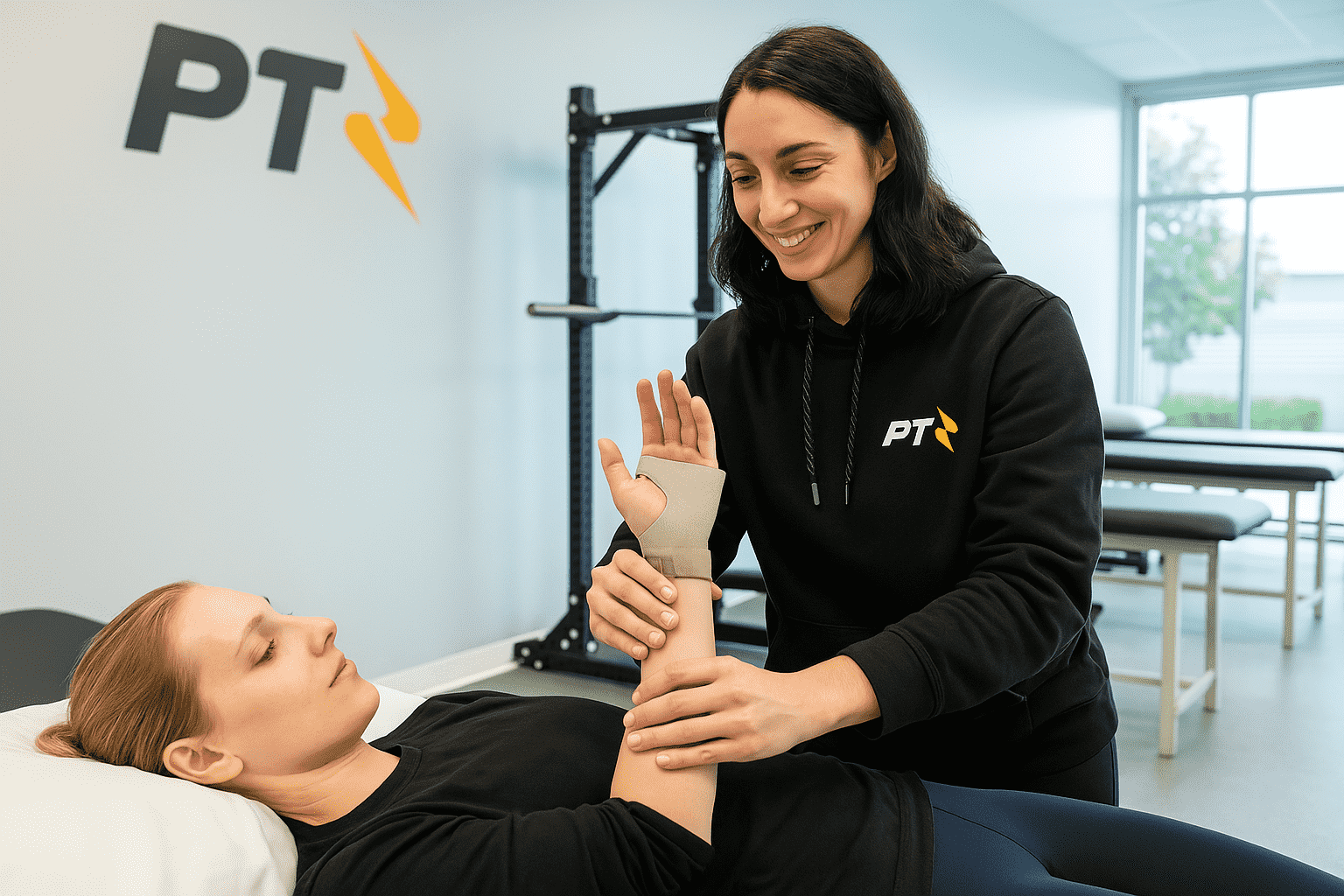
Let us help you move freely and comfortably again
De Quervain’s Syndrome affects the tendons along the thumb side of your wrist, causing swelling, pain, and sometimes a catching sensation when moving the thumb. Simple motions like lifting objects or texting can become difficult. At The PT Zone, we take a thorough approach to identify why your thumb tendons are becoming irritated. Our treatments include targeted exercises, manual therapy, and specialized interventions to reduce inflammation and support better wrist alignment.
By addressing any issues with posture or muscle imbalances, we aim to minimize stress on the affected tendons. We focus on refining daily movement patterns and building the strength you need to tackle tasks without discomfort. Whether you experience De Quervain’s from repetitive motion at work or from routine activities, our personalized care is designed to help you regain normal hand and wrist function.
We begin by assessing your wrist and thumb mobility, looking for any aggravating factors such as poor ergonomics or tight muscles. Depending on your needs, your plan may include hands on therapies, dry needling, or cupping to reduce tension and help the tissues heal. As you progress, we adjust your program to ensure ongoing improvement in strength and flexibility, guiding you every step of the way to a comfortable and active lifestyle.
Our goal is to help you find relief and return to the activities you enjoy, whether that is sports, work tasks, or simply feeling more confident using your hand without pain.
Our Therapies for De Quervain’s Syndrome Recovery:
We combine hands on therapy, guided exercise routines, and specialized interventions to target pain, strengthen your wrist, and improve thumb mobility. Our aim is to restore comfortable, natural movement.
-
Dry Needling
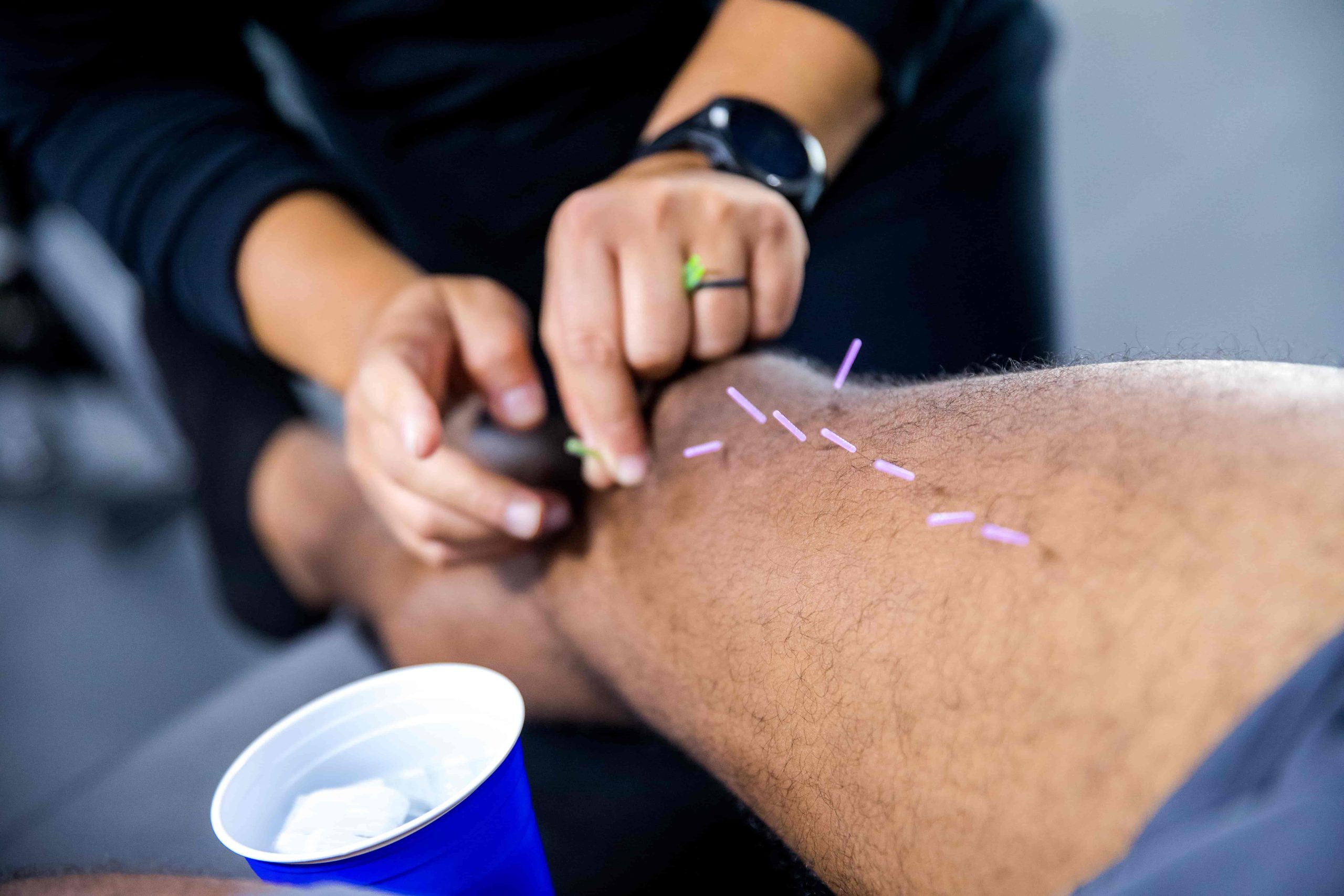
Experience quicker recovery and long-lasting pain relief with Dry Needling in Nahant, MA. Our targeted approach eases muscle tension, boosts healing, and restores comfortable, natural movement for daily life.
-
Cupping Nahant
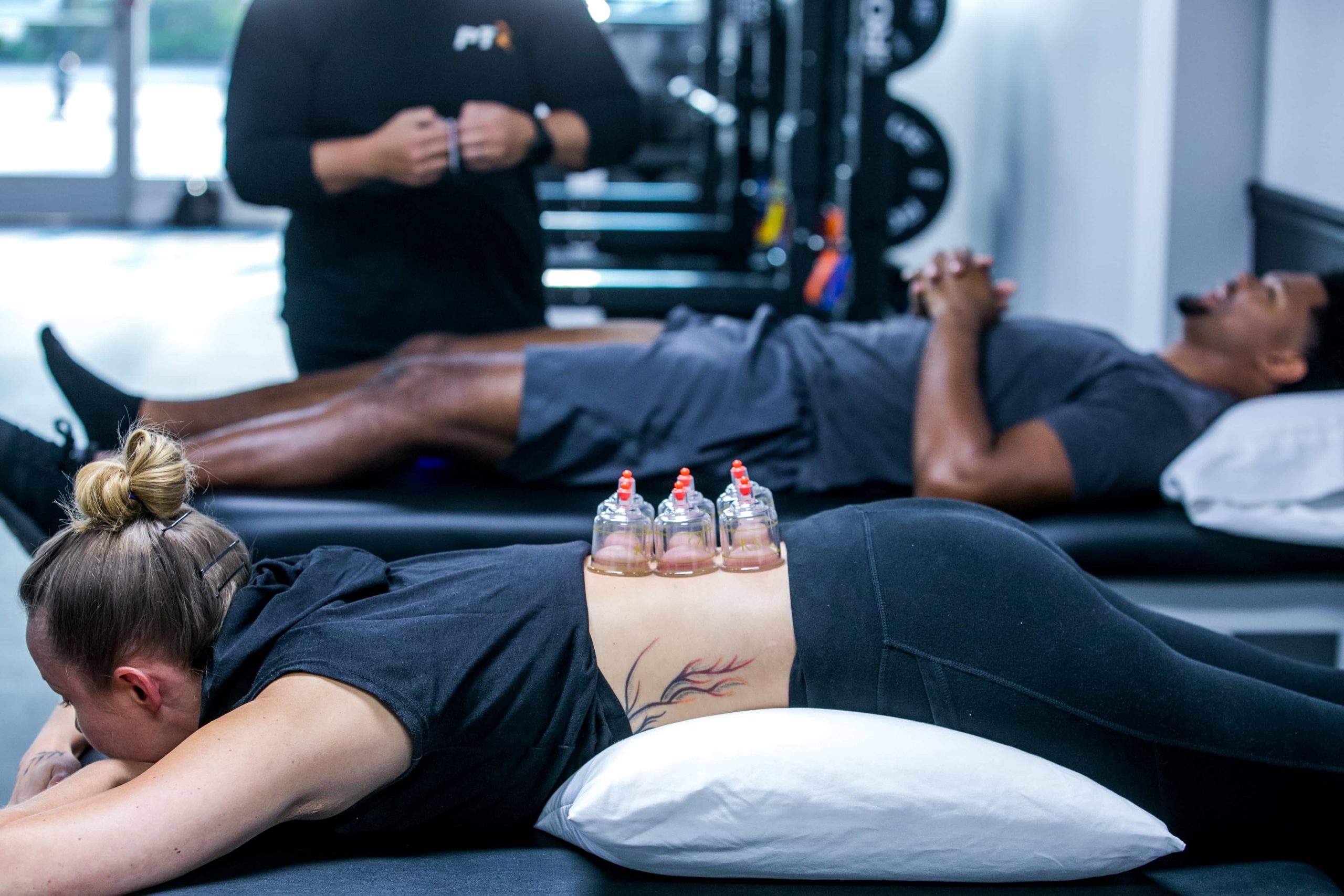
Experience time-honored cupping therapy in Nahant, MA to relieve tight muscles, boost circulation, and fast-track your body’s healing process. Gentle suction eases soreness, reduces stress, and helps you stay active, flexible, and ready for whatever comes next.
-
Certified Manual Therapy Nahant
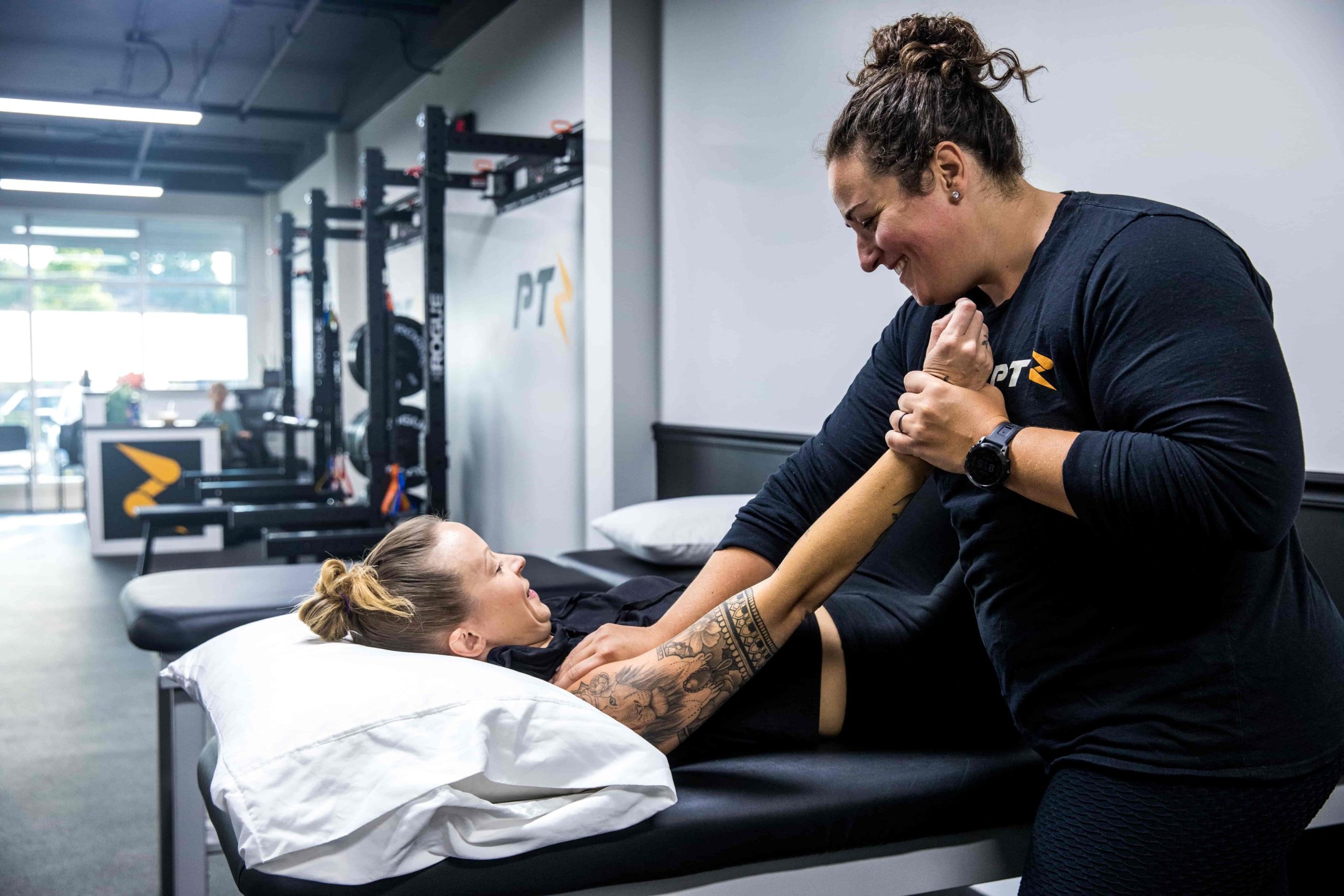
Certified Manual Therapy in Nahant, MA uses focused, hands-on techniques—like joint mobilization and soft tissue work—to address pain and stiffness at its core. By pinpointing areas of tension and misalignment, therapists help promote smoother, more comfortable movement. Many individuals find that this personalized approach greatly enhances their daily mobility and quality of life.
-
Balance Training Nahant
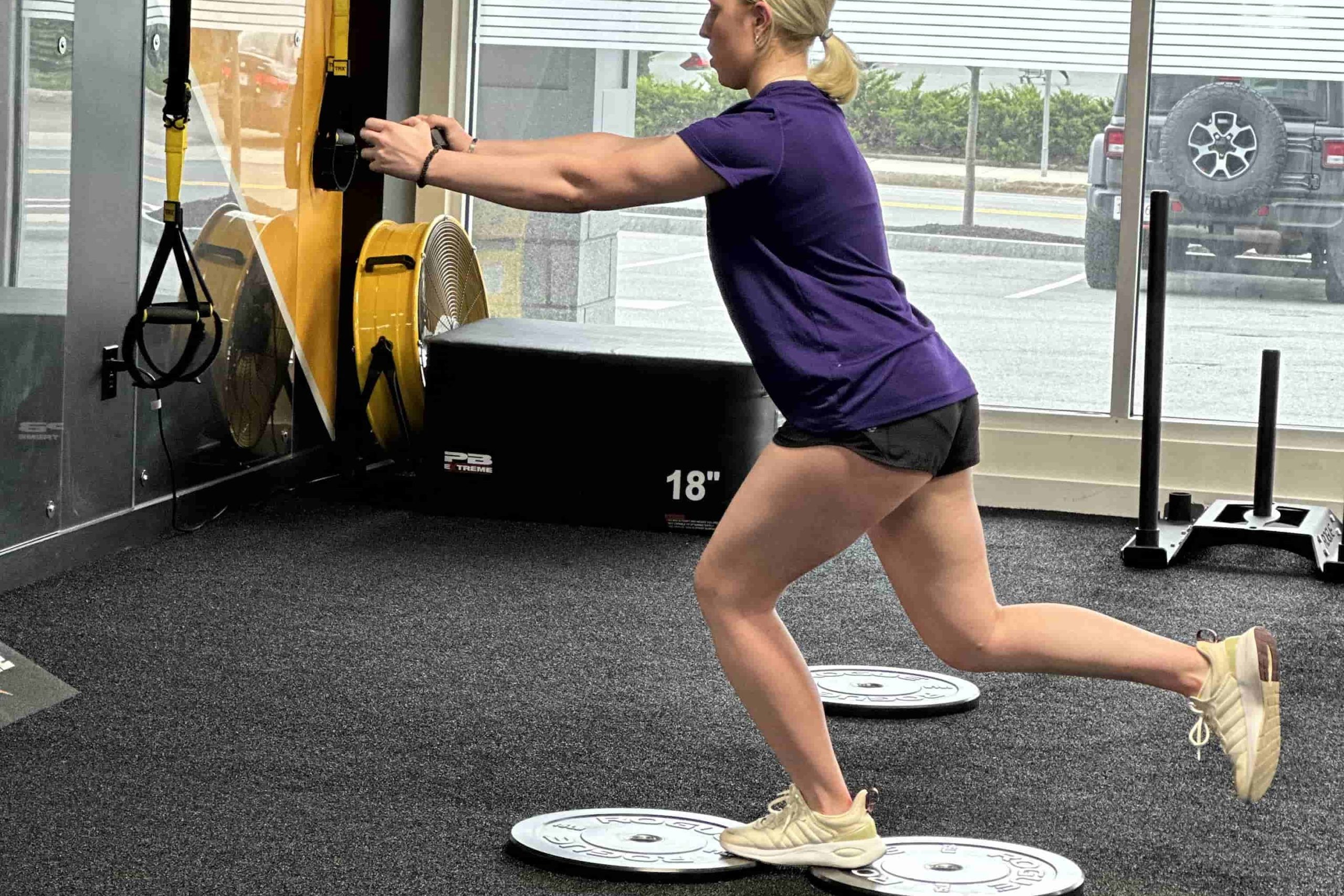
Strengthen your core and refine foot control so you can navigate each step in Nahant with greater ease. By challenging your balance through specialized drills, you’ll reduce the risk of falls and sharpen your body’s natural reactions. Whether recovering from a leg injury or simply looking to move more confidently, these exercises provide a versatile…

At The PT Zone, we are committed to helping you overcome De Quervain’s Syndrome.
Our personalized approach looks beyond the immediate pain, working to address the underlying factors that lead to tendon irritation. Through consistent care and ongoing support, we strive to help you regain full use of your hand and get back to the activities that matter most in your life.
Common Questions from De Quervain’s Syndrome Clients
1. How long does it take to recover from De Quervain’s Syndrome?
Recovery time can vary depending on factors like the severity of the inflammation, your daily activities, and how quickly you begin therapy. Many people experience improved comfort within a few weeks, while more advanced cases might need a few months to fully heal. Consistent therapy and proper self care can help shorten your recovery time.
2. What causes De Quervain’s Syndrome?
It is usually caused by repetitive stress on the tendons that run along the thumb side of your wrist. Activities that involve grasping or twisting motions can contribute to the condition. Hormonal changes during pregnancy and inflammatory conditions like rheumatoid arthritis may also increase the risk. Identifying and addressing these factors can make a big difference in reducing pain.
3. Will physical therapy completely resolve my symptoms?
Physical therapy can greatly reduce or eliminate symptoms for many people by decreasing tendon irritation, improving wrist mobility, and strengthening the muscles that support the thumb. Consistency in following your therapist’s recommendations, including home exercises and movement modifications, is key to achieving lasting relief. In certain severe cases, additional interventions like splinting or injections may be recommended alongside therapy.
4. Can I still use my hand while recovering?
Yes, but learning how to avoid repetitive strain or excessive pressure on the thumb side of the wrist is important. We will teach you techniques to modify or break up tasks that irritate the tendons. In some cases, a protective splint may help reduce stress on the area while allowing you to continue daily activities, as long as you follow safe movement guidelines.
5. What does a typical therapy session for De Quervain’s look like?
Sessions commonly start with hands on techniques or modalities like ice, heat, or dry needling to ease pain and tightness. We then guide you through exercises that promote tendon gliding and strengthen key muscles supporting the thumb and wrist. We also address any posture or ergonomic adjustments needed to reduce recurrent stress on the affected area, ensuring a thorough and personalized approach.
6. Will therapy be painful?
A bit of soreness can occur when first stretching or mobilizing inflamed tissues. However, we aim to keep any discomfort within a tolerable range and make adjustments as needed. Gradually, you should notice a decrease in pain and an increase in mobility, which is a sign of effective healing and progress.
7. How quickly can I expect to see improvement?
Some clients feel initial relief within a few sessions, especially if they adopt proper hand mechanics and follow home exercises. Long term success depends on consistent treatment and making necessary adjustments in daily routines. As you stay with the program, you will likely experience less pain, better thumb function, and greater ease in your day to day tasks.