
If you’re struggling with persistent shoulder pain, difficulty lifting your arm overhead, or discomfort during everyday tasks, you’re not alone—impingement syndrome can significantly limit your daily activities. At The PT Zone, we provide targeted therapies to alleviate pain and improve your shoulder mechanics.
- Alleviate pressure on the rotator cuff and surrounding tissues
- Improve circulation to reduce inflammation and promote healing
- Restore joint mobility and enhance overhead range of motion
- Strengthen shoulder stabilizers to support long-term recovery
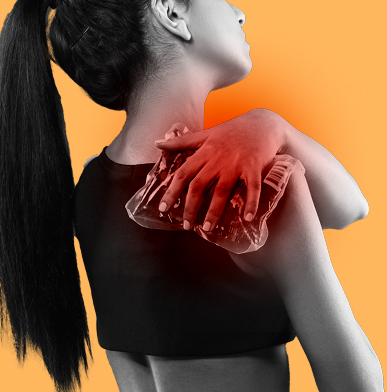
Regain Full Use of Your Shoulder and Reclaim Your Life
Impingement syndrome can disrupt countless aspects of your day, from getting dressed in the morning to participating in activities you love, like yoga or playing catch with your kids. Often caused by repetitive stress on the shoulder joint, poor biomechanics, or a direct injury, this condition leads to inflammation in the rotator cuff area. That inflammation can intensify pain, limit your range of motion, and make even simple overhead movements a struggle. At The PT Zone, we believe that successful rehabilitation is about more than just easing discomfort; it’s about uncovering the factors contributing to your impingement and helping you address them so you can live freely and confidently.
Our dedicated team understands that every shoulder issue is unique, which is why we commit to a thorough evaluation of your posture, movement patterns, and strength deficits. By pinpointing the root causes—such as muscle imbalances or faulty movement mechanics—we craft a therapy program designed specifically for you. Whether your impingement stems from repetitive overhead movements in sports or daily work tasks, our evidence-based techniques aim to resolve the core issues rather than just masking the symptoms.
Treatment typically involves a combination of manual therapy to reduce inflammation and tension, targeted exercises to strengthen the stabilizing muscles of the shoulder, and movement retraining to promote healthier biomechanics. We also focus on enhancing flexibility in the chest, shoulder girdle, and upper back, helping prevent the impingement from recurring. From guided stretches and corrective drills to gentle mobilization techniques, we carefully pace each step so your shoulder can adapt and heal without added strain.
Beyond simply alleviating pain, we strive to restore your shoulder’s natural function and stability. As you progress, we’ll gradually incorporate more advanced exercises and functional movements, ensuring you regain your ability to perform everyday tasks, sports activities, or any movements that matter most to you. Our goal is to see you reclaim your comfort, confidence, and full range of motion in a safe, sustainable way.
Our Therapies for Impingement Syndrome Recovery:
Here at The PT Zone, we tailor each service to address the core factors affecting your shoulder. Below is a selection of our specialized therapies designed to promote a safer, faster recovery.
-
Balance Training
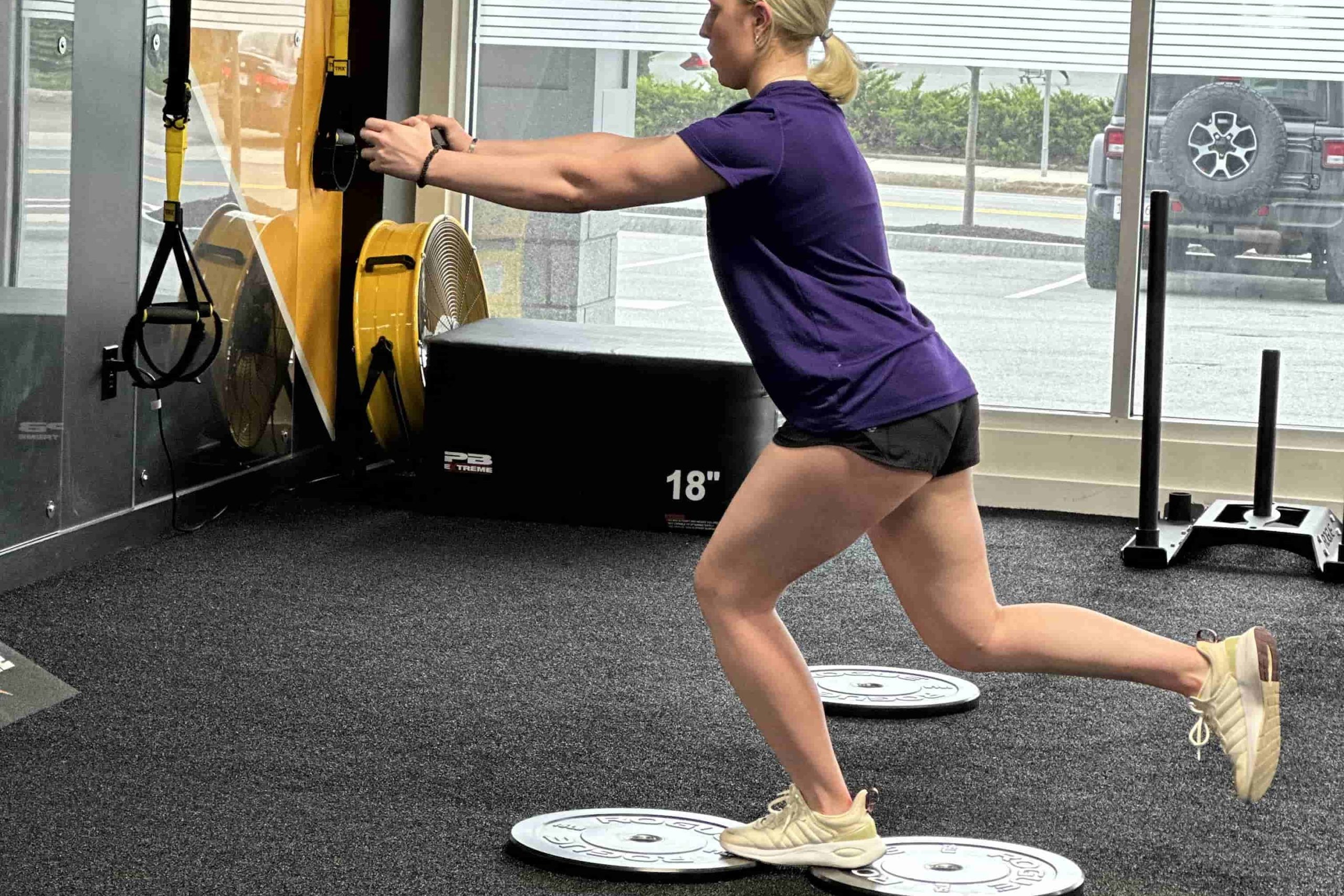
Balance Training is a specialized approach that strengthens stabilizing muscles, enhances coordination, and reduces fall risks, ultimately improving posture and promoting confident movement.
-
Certified Manual Therapy
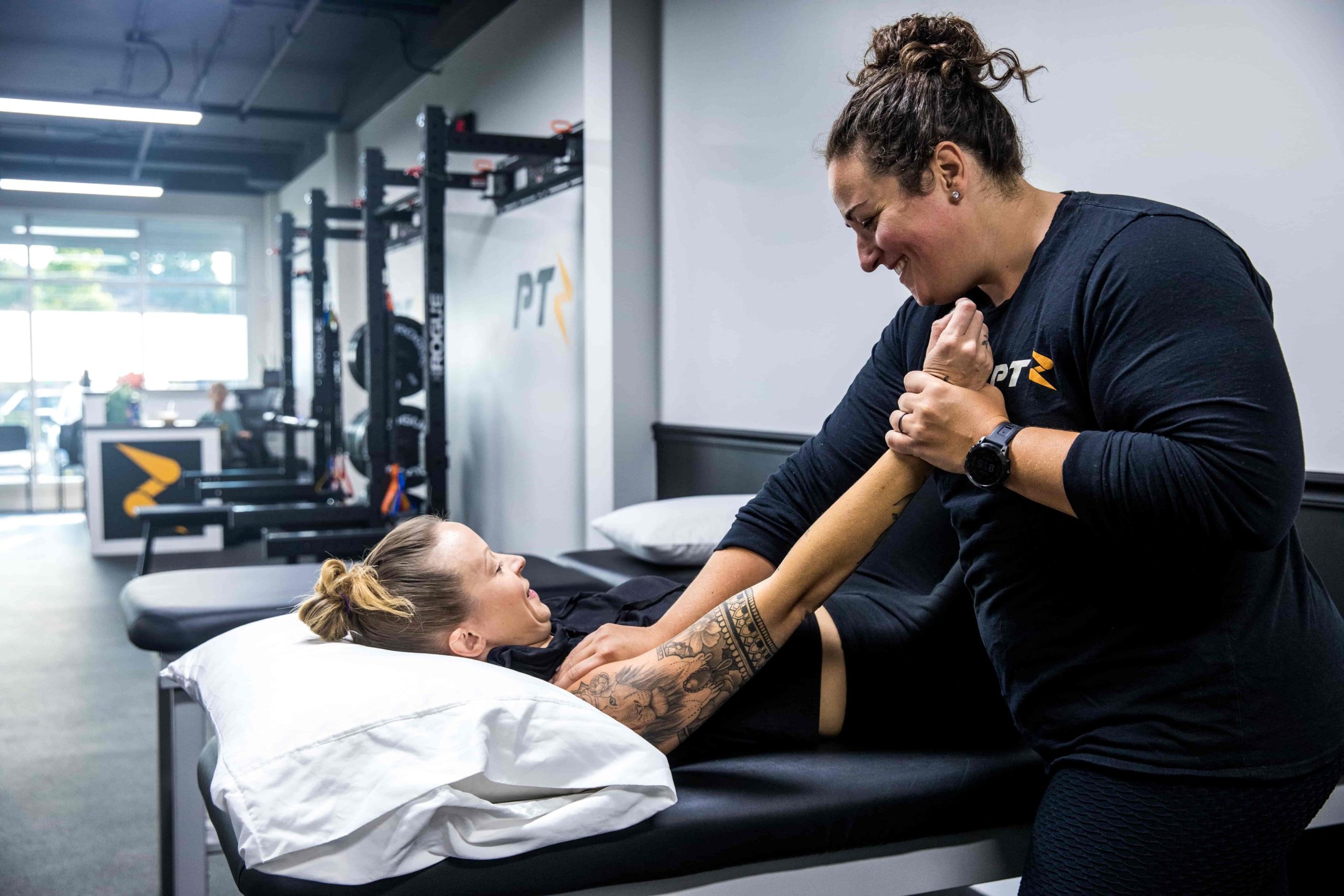
Certified Manual Therapy is a hands-on approach that addresses joint, muscle, and connective tissue dysfunction, reducing pain, improving alignment, and promoting faster, more efficient recovery.
-
Cupping
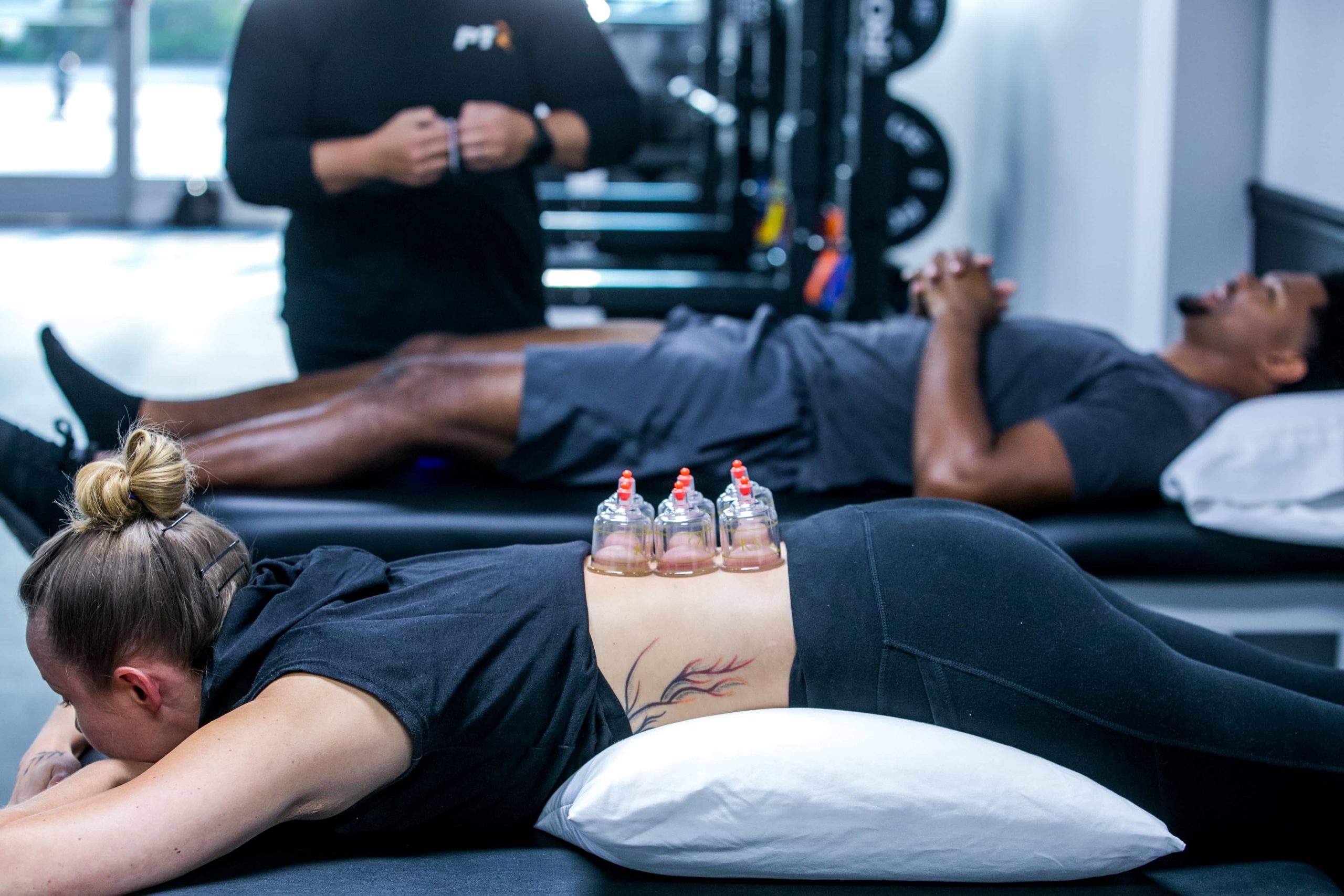
Cupping therapy is an ancient healing technique that uses suction to enhance circulation, relieve muscle tension, and promote the body’s natural recovery process.
-
Dry Needling
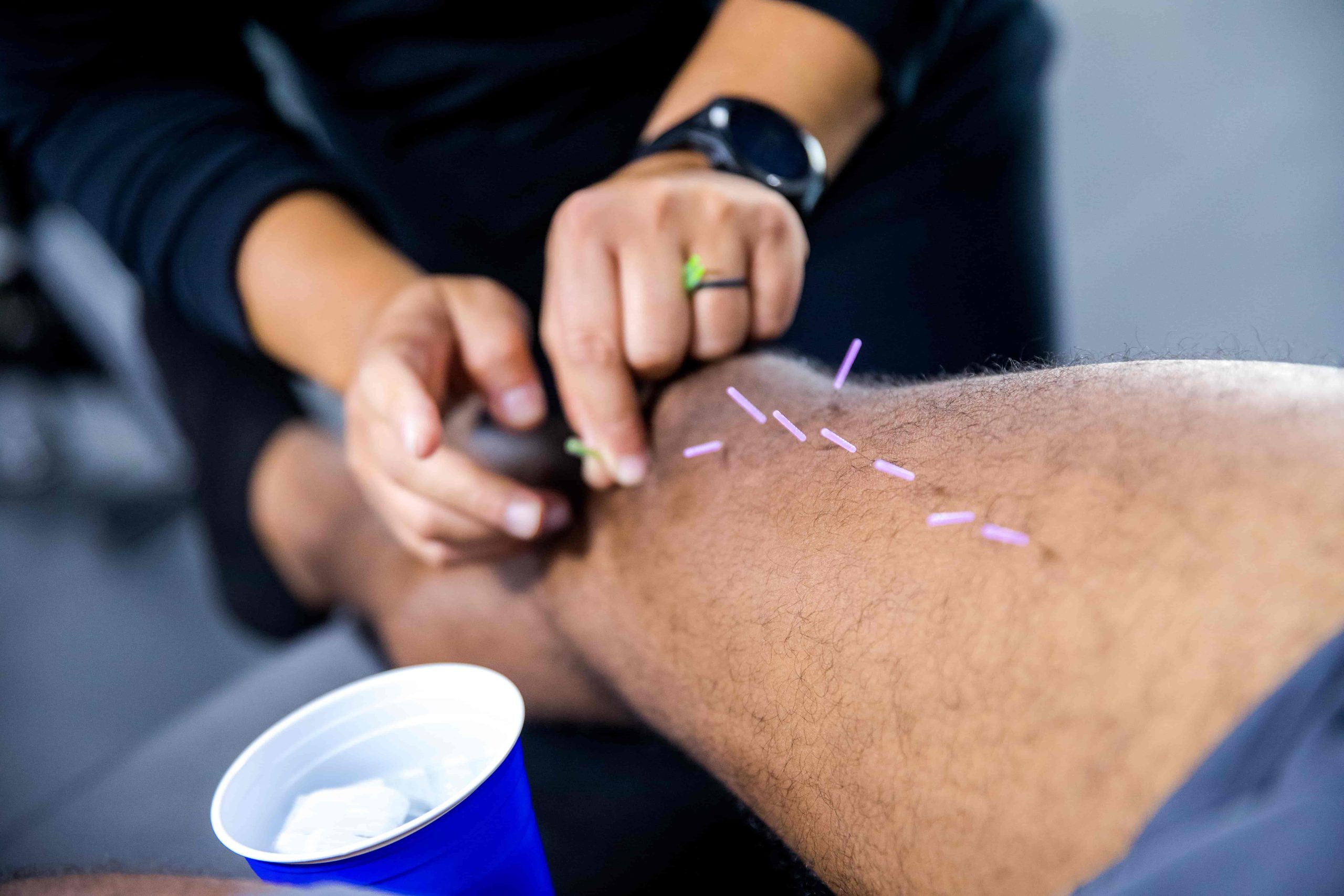
Dry needling is a modern therapy that targets muscle trigger points with thin needles to relieve pain, reduce tension, and restore mobility.
-
Gait Training
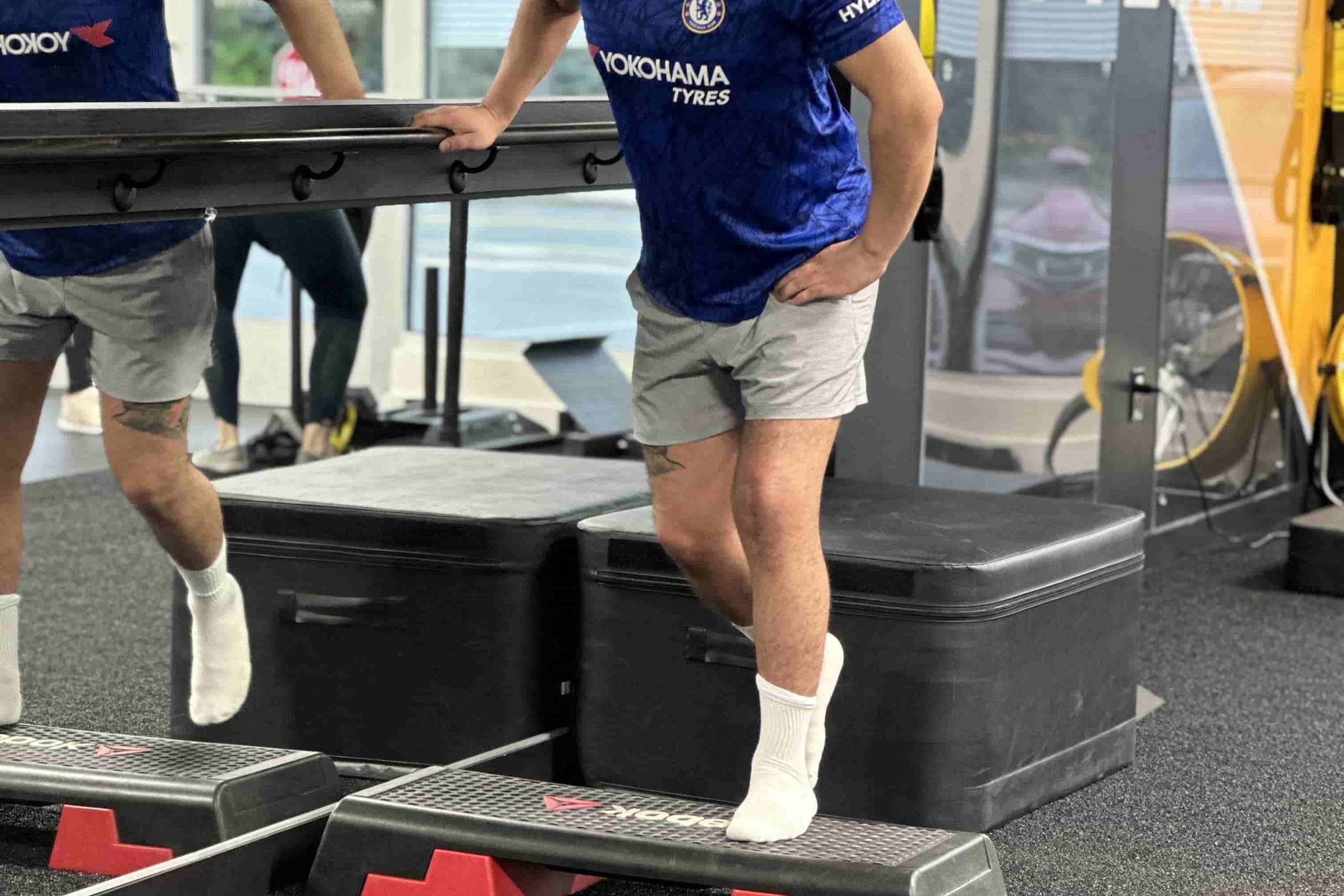
Gait Training is a specialized approach that enhances walking mechanics, improves lower-limb strength, and reduces re-injury risks, ultimately promoting more efficient movement.
-
Graston Technique
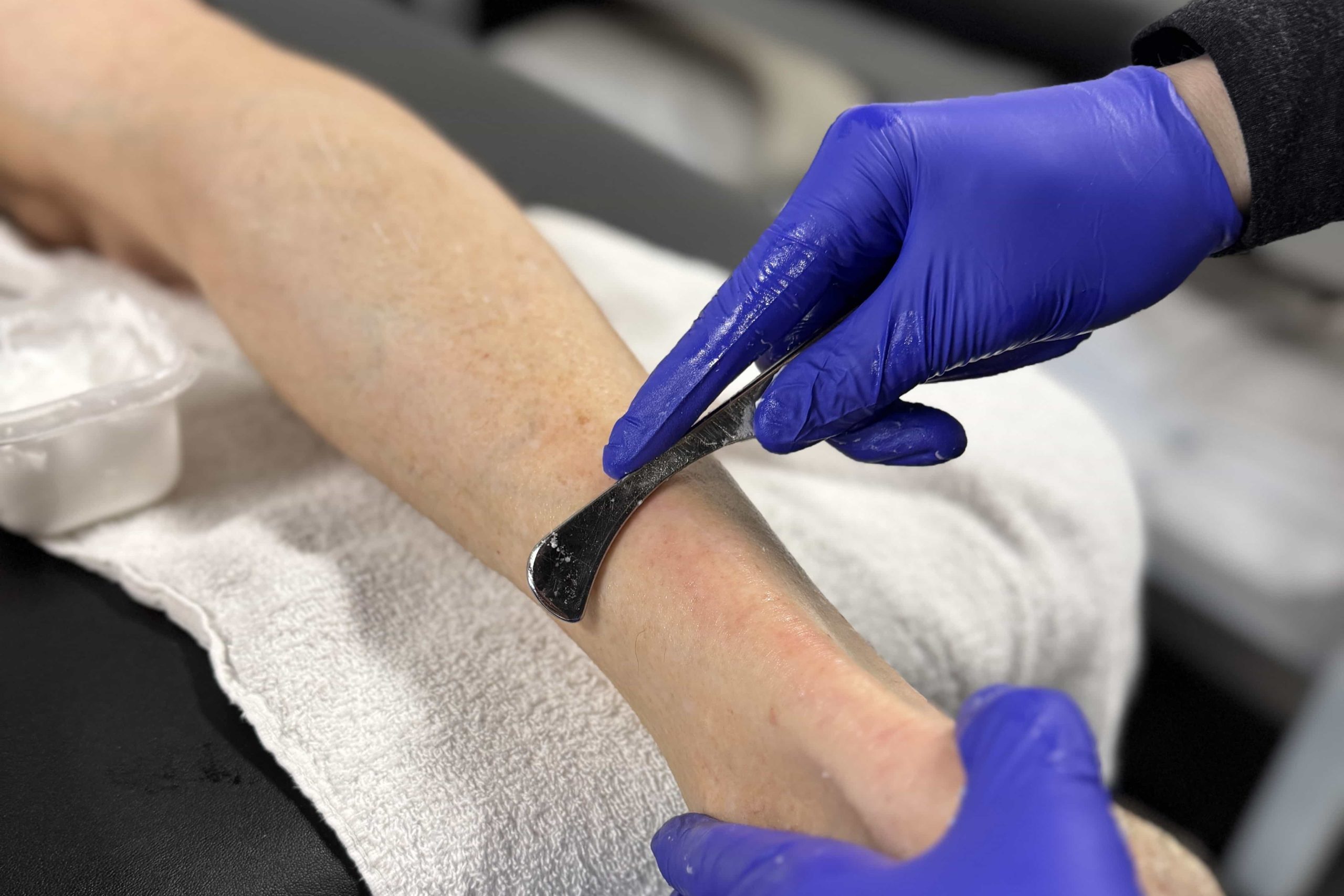
Graston Technique is a specialized manual therapy that uses stainless steel instruments to break down scar tissue, improve mobility, and accelerate healing.
-
Kinesiotaping
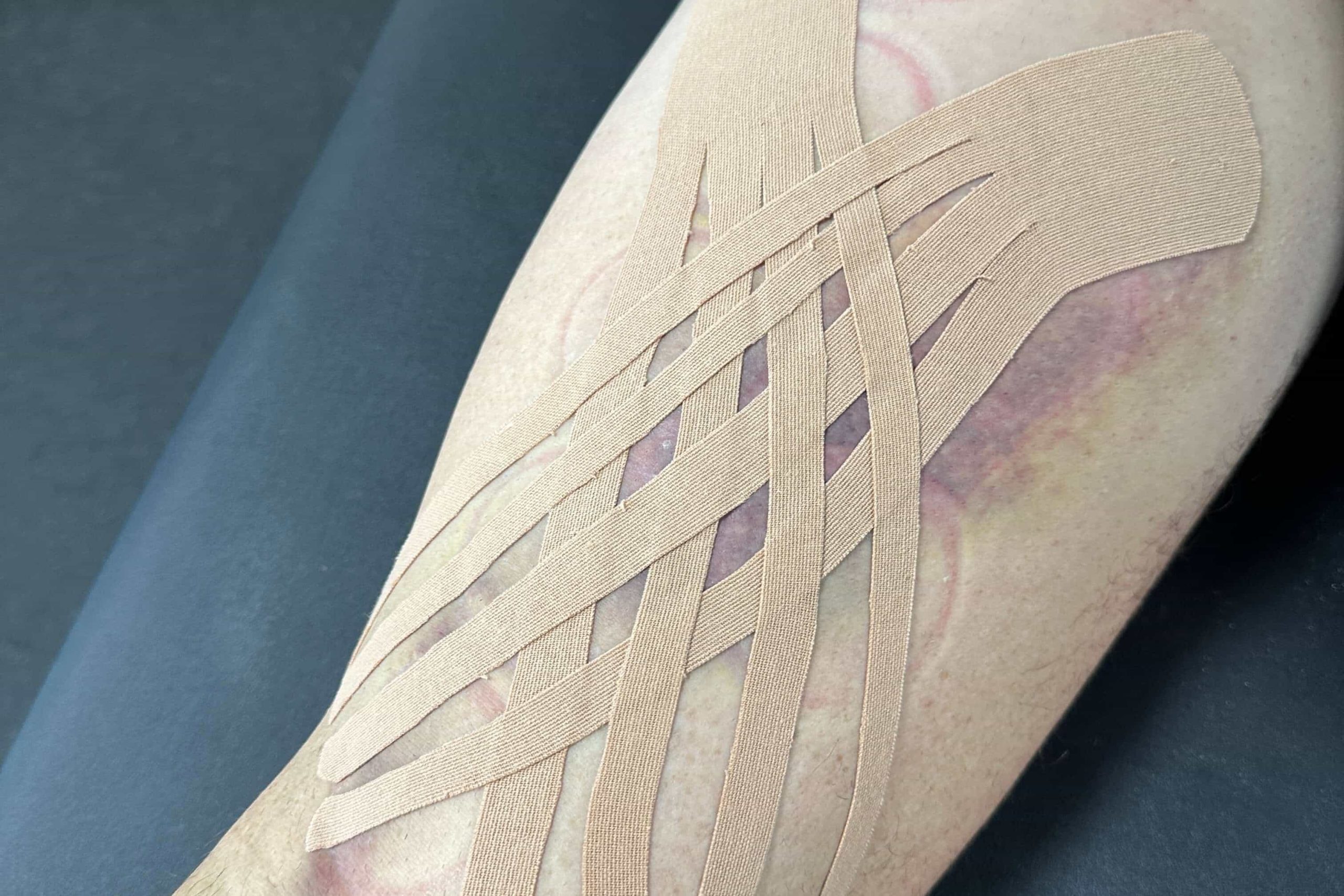
Kinesiotaping is a flexible taping method that provides gentle support, improves circulation, and helps maintain natural movement for a more comfortable and effective recovery.
-
Manual Traction
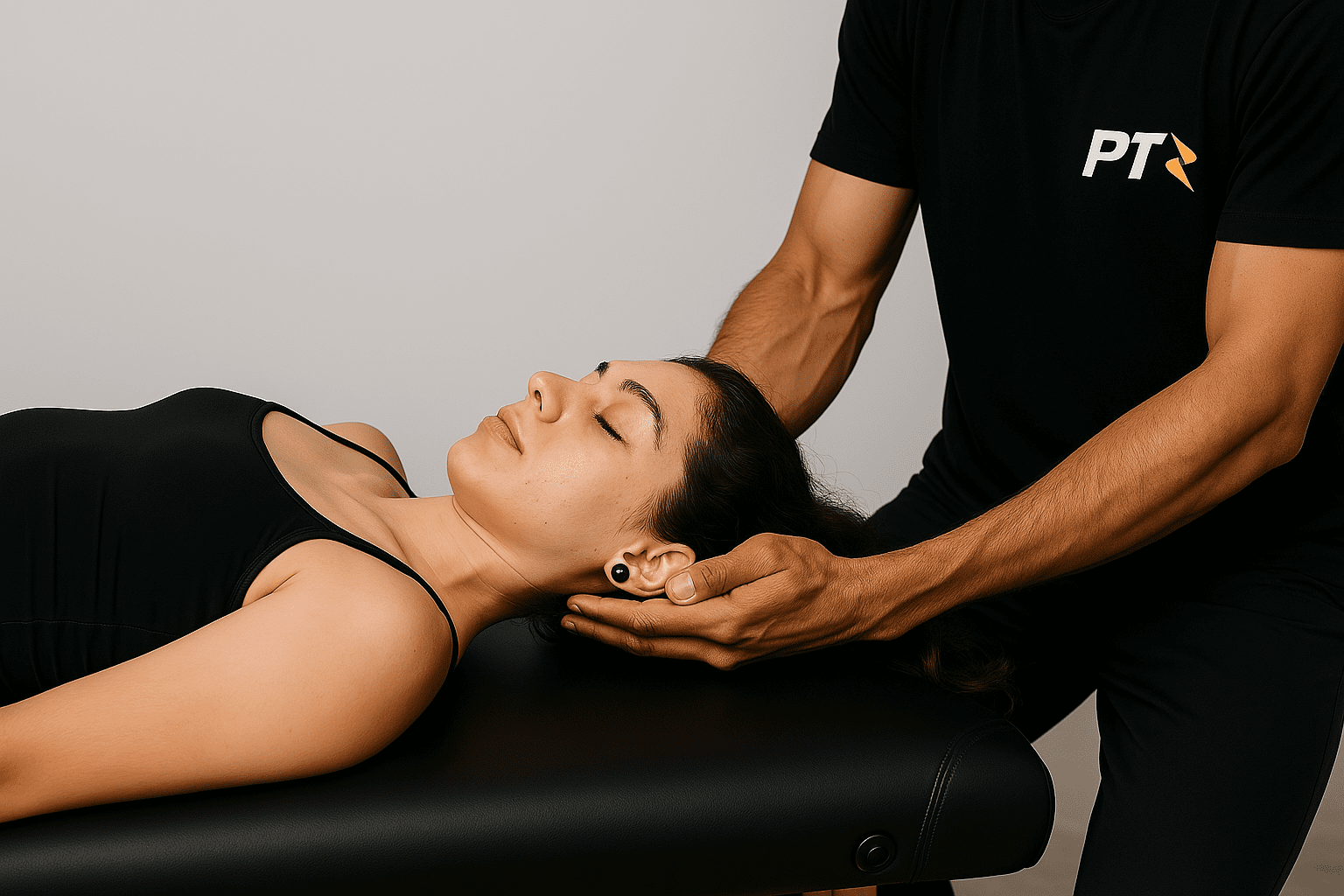
Manual Traction is a gentle, hands-on method used to decompress the spine, relieve pressure on discs and nerves, and improve overall comfort and mobility.
-
Post-Surgical Rehab
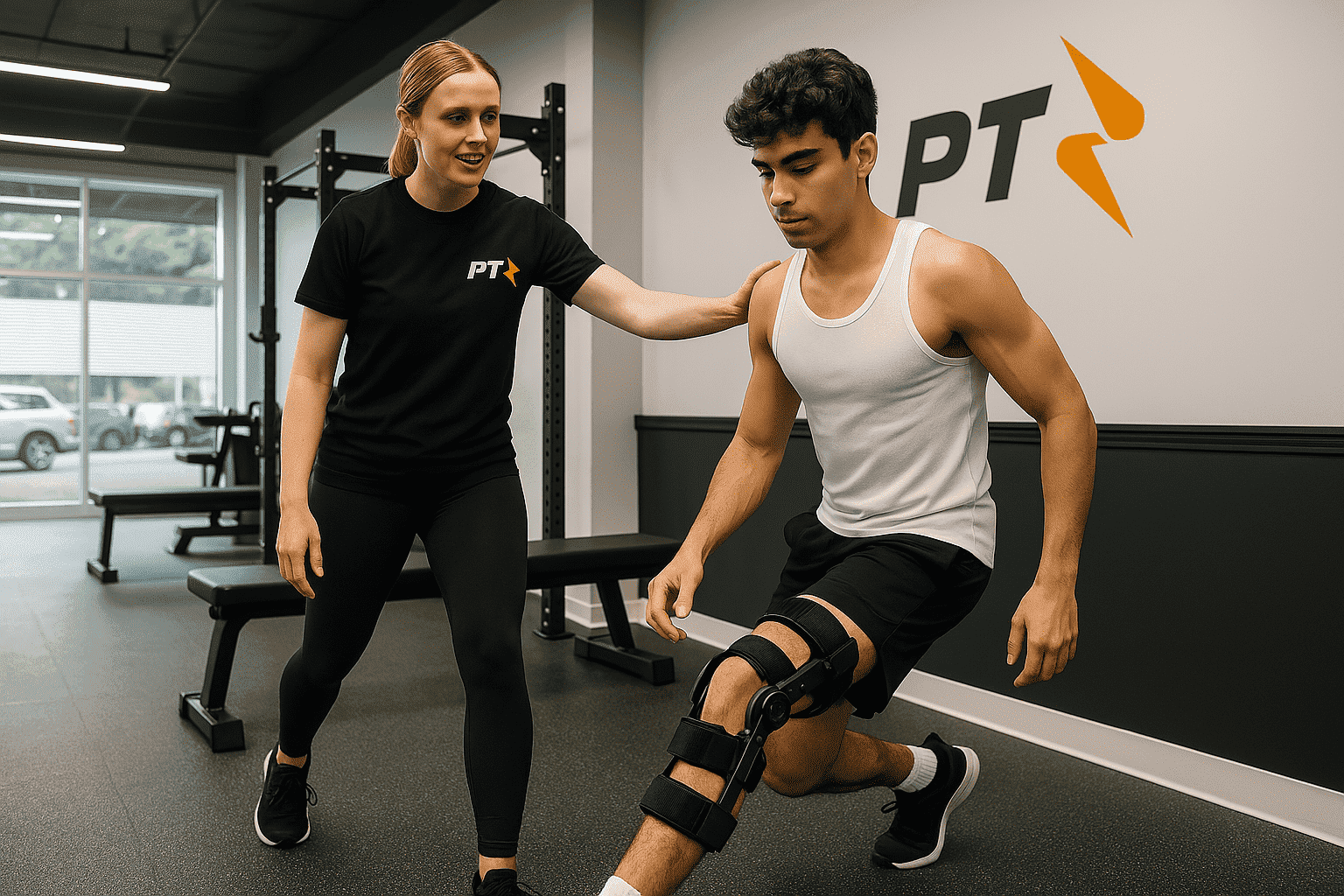
Post-Surgical Rehab is a structured recovery process designed to restore mobility, manage pain, and rebuild strength after surgery, ensuring a safer and faster return to your everyday activities or sports.
-
Physical Therapy for Weightlifters & CrossFit
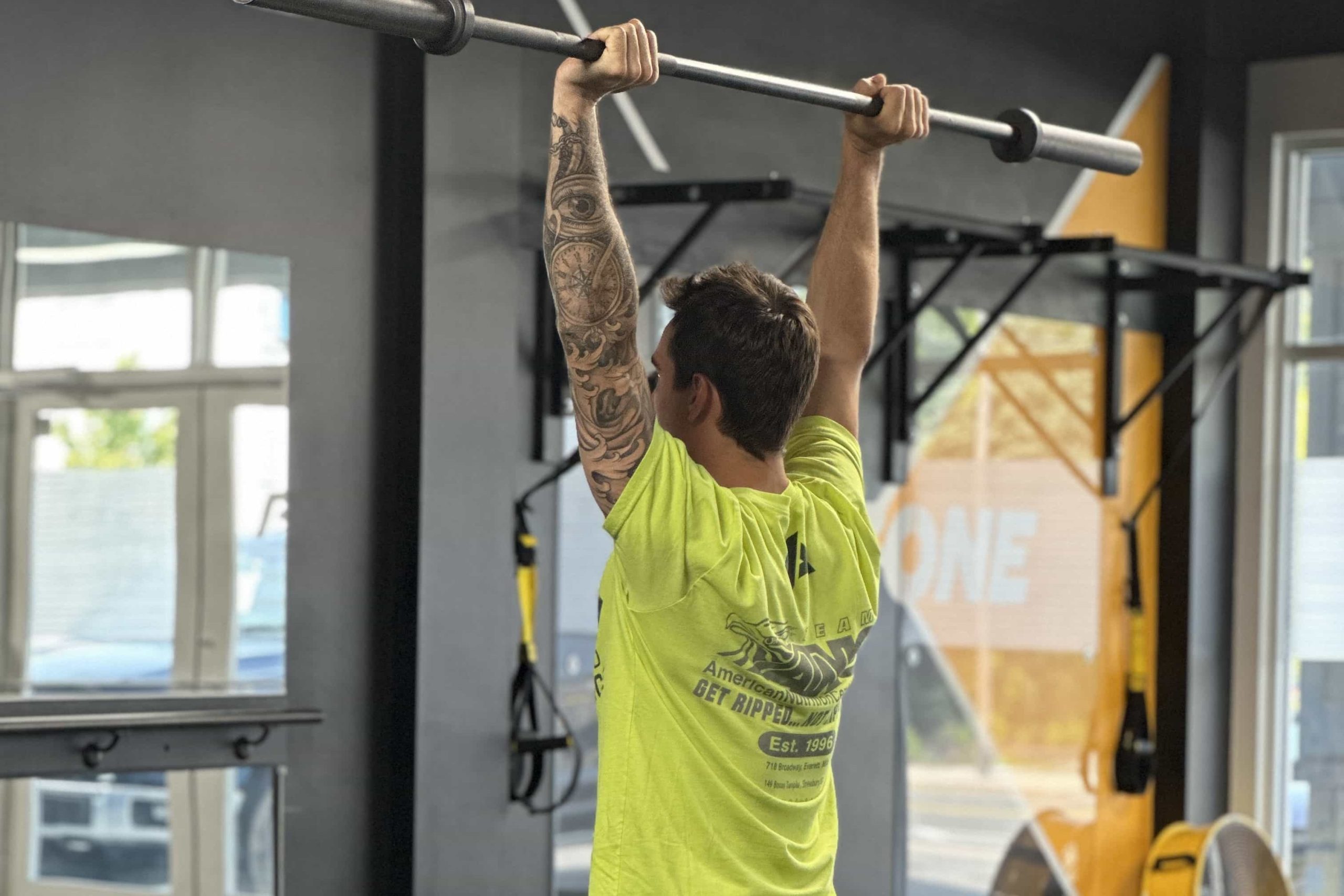
Physical Therapy for Weightlifters & CrossFit focuses on proper lifting mechanics, correcting muscle imbalances, and managing stress on joints to prevent pain, accelerate recovery, and enhance overall strength gains.
-
Physical Therapy For Runners
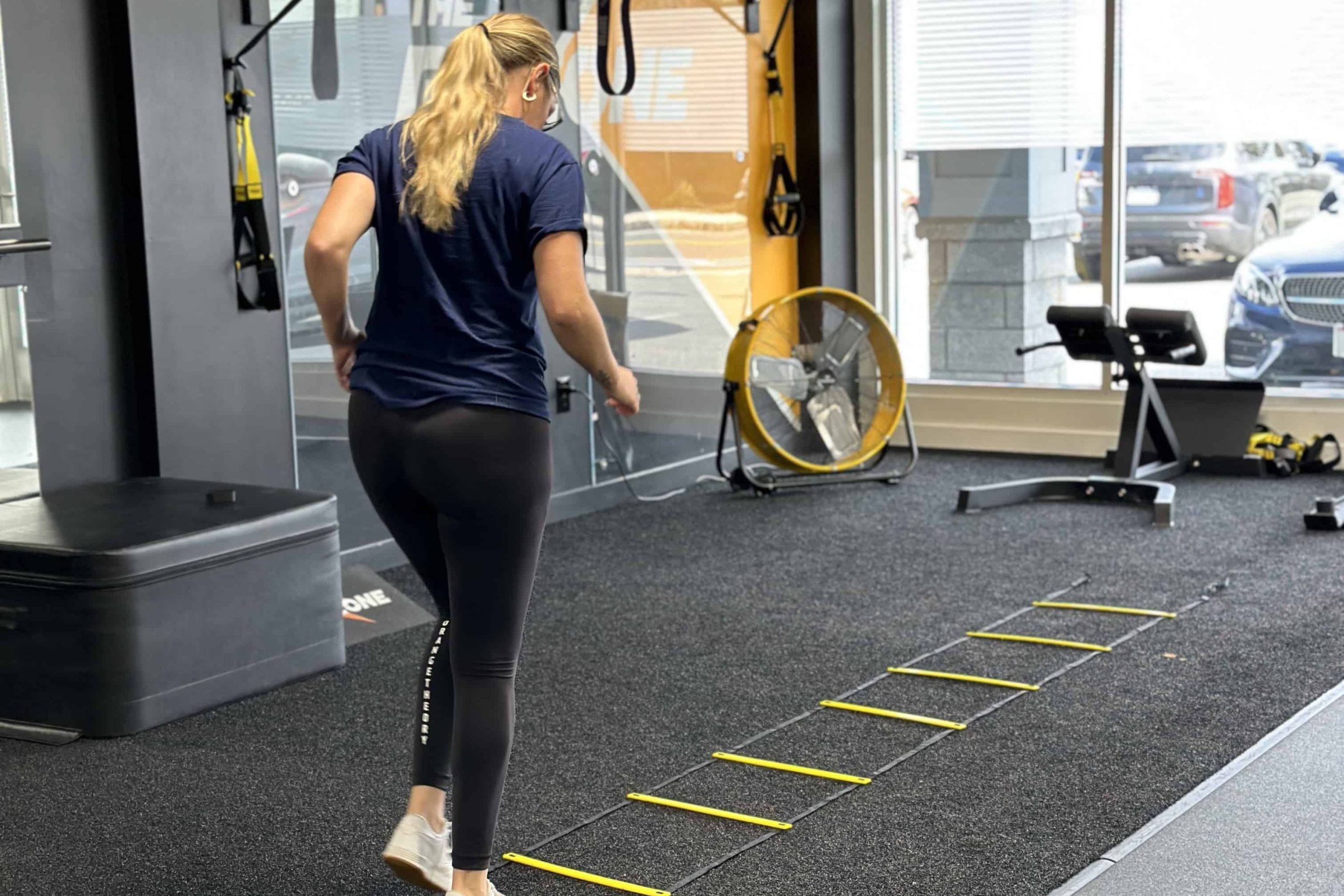
Physical Therapy for Runners focuses on refining running form, addressing muscle imbalances, and enhancing lower-limb stability to prevent injuries and boost performance.
-
Neuromuscular Massage Therapy
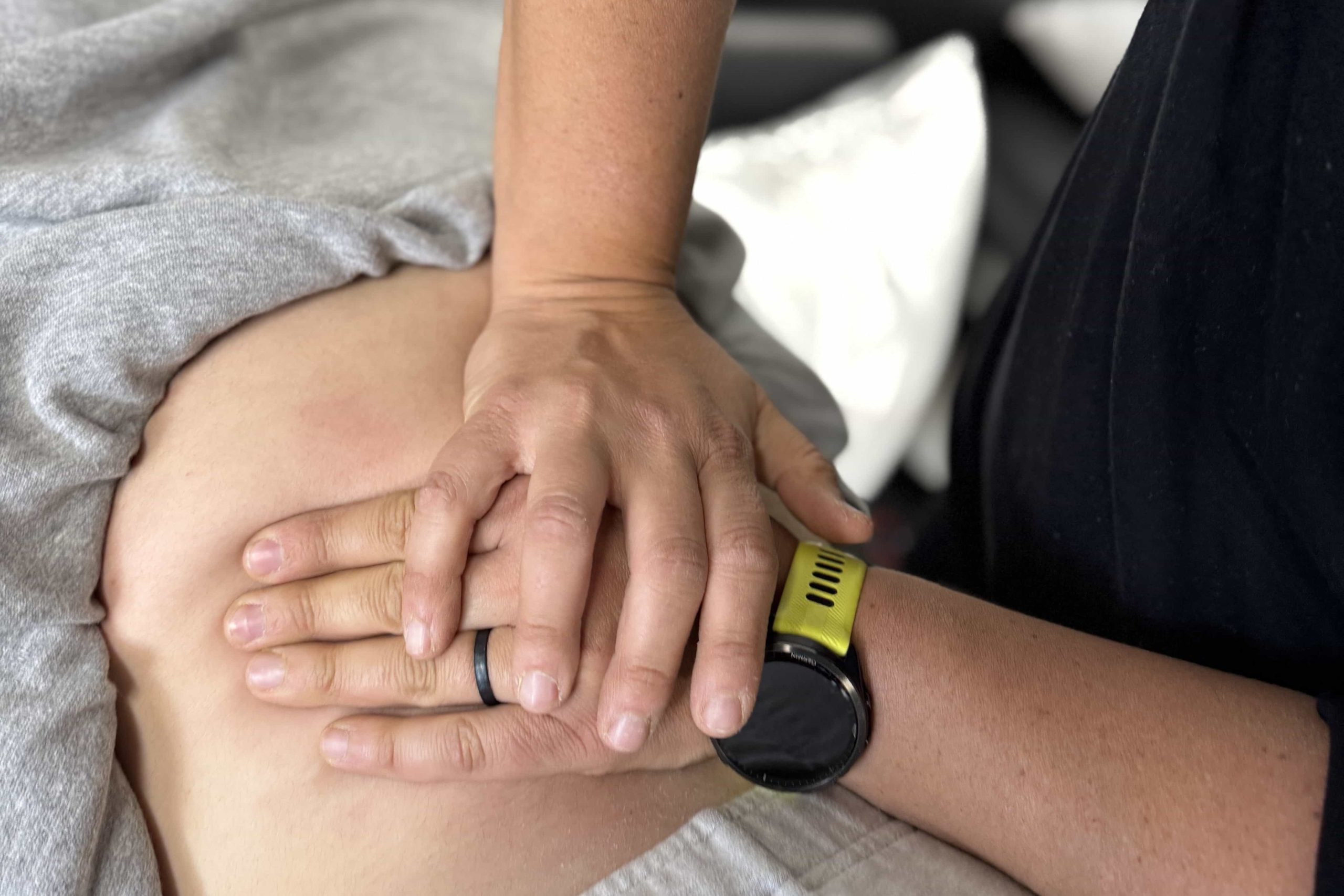
Neuromuscular Massage Therapy (NMT) precisely targets trigger points in muscles and connective tissues, relieving tension, restoring proper function, and promoting long-term pain relief.

At The PT Zone, we’re committed to helping you achieve long-term relief and restore your ability to move freely and without pain.
Our comprehensive approach ensures that we address not only the symptoms but the underlying causes of your shoulder impingement. Let us guide you on your journey to recovery, so you can return to doing the things you love with renewed confidence.
Common Questions from Impingement Syndrome Clients
1. How long does it take to recover from impingement syndrome?
Recovery varies depending on the severity of the condition and your adherence to the therapy program. Many people experience relief within several weeks, while more chronic cases may require ongoing treatment.
2. What causes impingement syndrome?
Impingement can result from repetitive overhead movements, poor shoulder mechanics, or structural issues within the shoulder joint, leading to irritation of the rotator cuff.
3. Will physical therapy completely resolve my shoulder pain?
Physical therapy often provides significant relief by reducing inflammation and improving shoulder mechanics. While complete resolution is possible for many, individual outcomes vary based on the severity of the impingement and commitment to rehabilitation.
4. Which daily activities should I avoid during treatment?
Depending on your condition, you may need to limit repetitive overhead movements or heavy lifting that exacerbates your symptoms. Your therapist will provide specific guidelines tailored to your situation.
5. Will I need surgery for impingement syndrome?
Many cases of impingement can be successfully managed with physical therapy alone. Surgery is typically reserved for cases that do not respond to conservative treatments or when there is significant structural damage.
6. Is physical therapy for shoulder impingement painful?
Some exercises or techniques might cause mild discomfort initially, but our therapists strive to keep you as comfortable as possible. Any discomfort typically decreases as healing progresses.
7. How quickly will I see improvement from physical therapy?
Many clients notice some relief after just a few sessions, but long-term results depend on the consistency of your home exercises and the extent of your initial injury.