
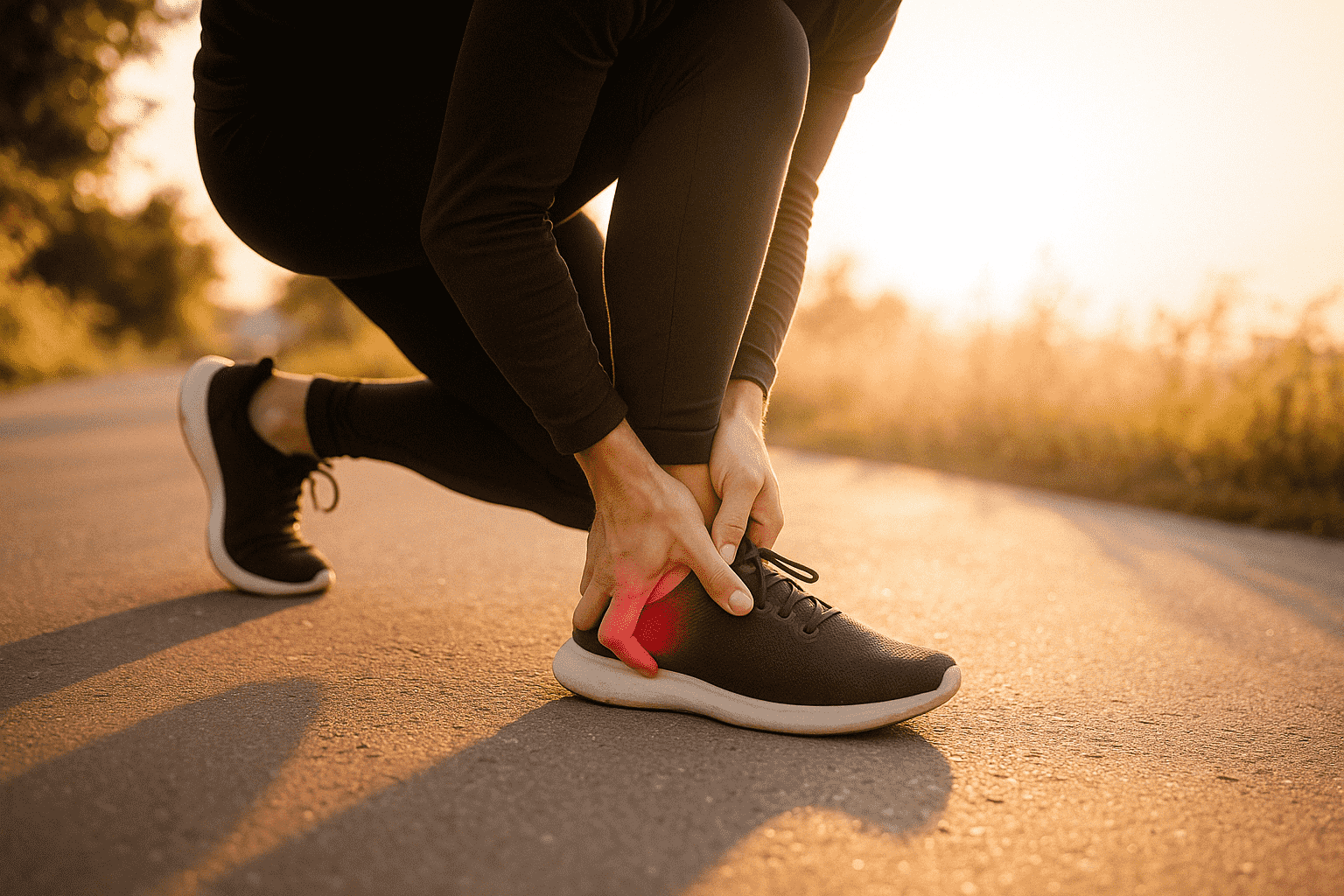
Stabbing heel pain with your first steps in the morning often signals plantar fasciitis—sometimes called heel‑spur syndrome. At The PT Zone, we blend hands‑on care and progressive loading to calm inflammation, lengthen tight foot tissues, and help you walk, run, or work a full shift without that sharp jab under the heel.
- Ease morning heel pain and tenderness along the arch
- Restore foot flexibility for pain‑free strides
- Strengthen intrinsic foot and calf muscles for lasting support
- Prevent future flare‑ups with footwear and activity strategies
Step Comfortably—
Free from Heel Pain
Plantar fasciitis happens when the thick band of tissue running along the bottom of the foot—the plantar fascia—develops tiny tears where it anchors to the heel bone. Prolonged standing on hard floors, sudden mileage jumps in running, worn‑out shoes, or tight calves can overload the fascia, leading to morning pain that gradually eases as you move. Left unchecked, the cycle of micro‑tearing and inflammation can linger for months. At The PT Zone, we break that cycle by treating both the irritated fascia and the biomechanical habits that keep re‑stressing it.
Early sessions target pain relief: gentle manual release along the arch, calf and plantar fascia stretching, and modalities that boost blood flow without provoking more inflammation. We also introduce nerve‑glides for the tibial nerve, which often gets sticky in chronic heel‑pain cases. As symptoms settle, we shift to progressive loading—eccentric calf raises, foot‑doming drills, and toe‑spreading exercises—that remodel and strengthen the fascia so it can absorb daily forces without flaring up. Custom orthotic guidance or simple in‑shoe inserts may offload pressure, giving the tissue a head start on healing.
To keep progress rolling, we refine gait mechanics and activity patterns: teaching a smooth mid‑foot strike for runners, suggesting surface rotations for walkers, and building ankle mobility so each step shares the load across the foot instead of dumping stress onto the heel. We’ll also check your work shoes or cleats, recommending cushioning or rocker‑sole options when appropriate. Finally, we layer calf‑strength sets, balance drills, and fascia‑friendly warm‑ups you can do before a shift or run—turning once‑tender tissue into a resilient shock absorber.
By graduation day, you’ll have a personalized routine that keeps the plantar fascia supple and strong, plus clear cues on footwear lifespan, training progressions, and recovery tools. Morning heel pain becomes a memory, not a daily frustration, and every step feels like it should—smooth, strong, and pain‑free.
Our Therapies for Plantar Fasciitis (Heel‑Spur Syndrome):
Manual release, dry needling, shockwave therapy, progressive foot strengthening, and footwear guidance—everything you need to get back on your feet pain‑free.
-
Balance Training
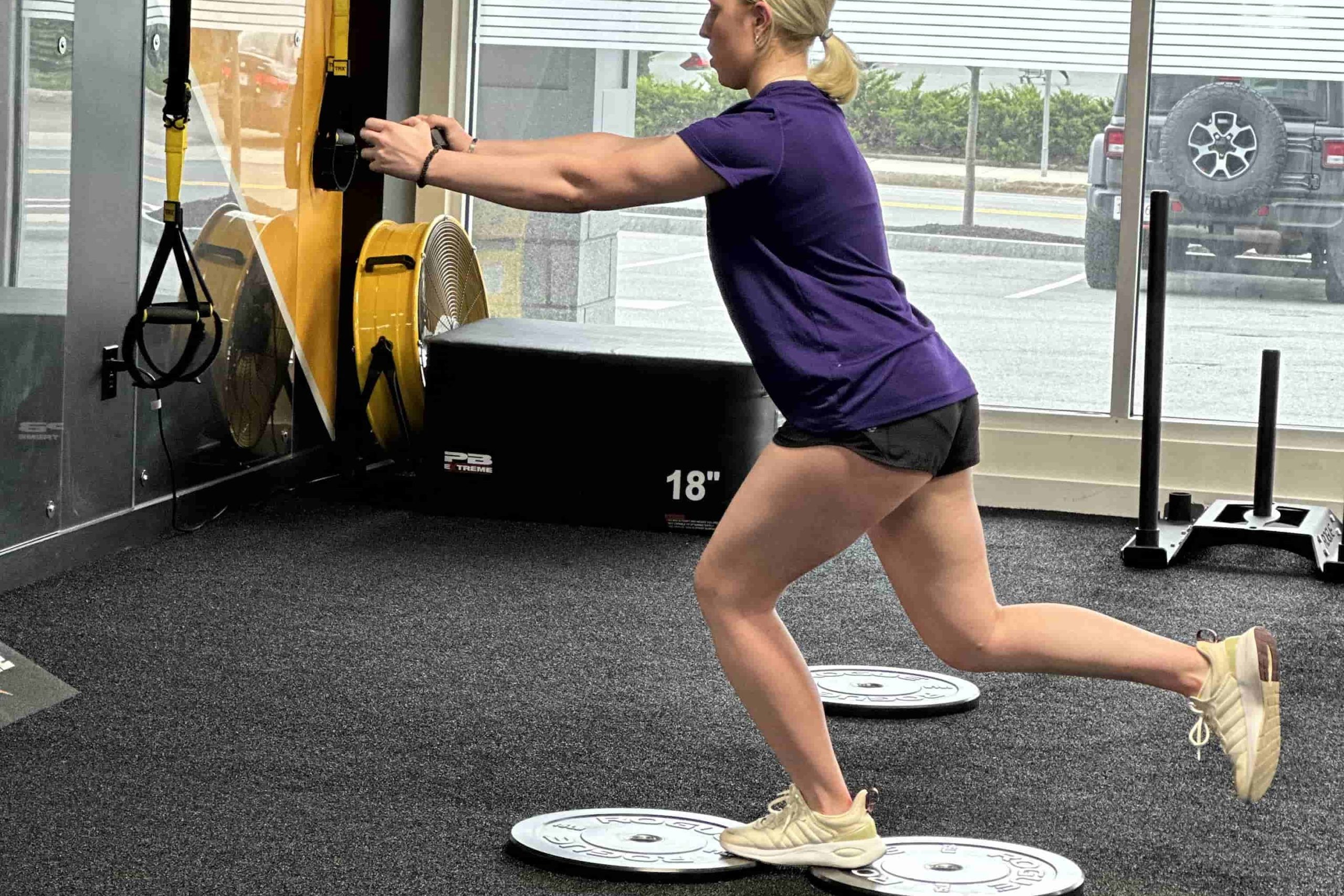
Balance Training is a specialized approach that strengthens stabilizing muscles, enhances coordination, and reduces fall risks, ultimately improving posture and promoting confident movement.
-
Certified Manual Therapy
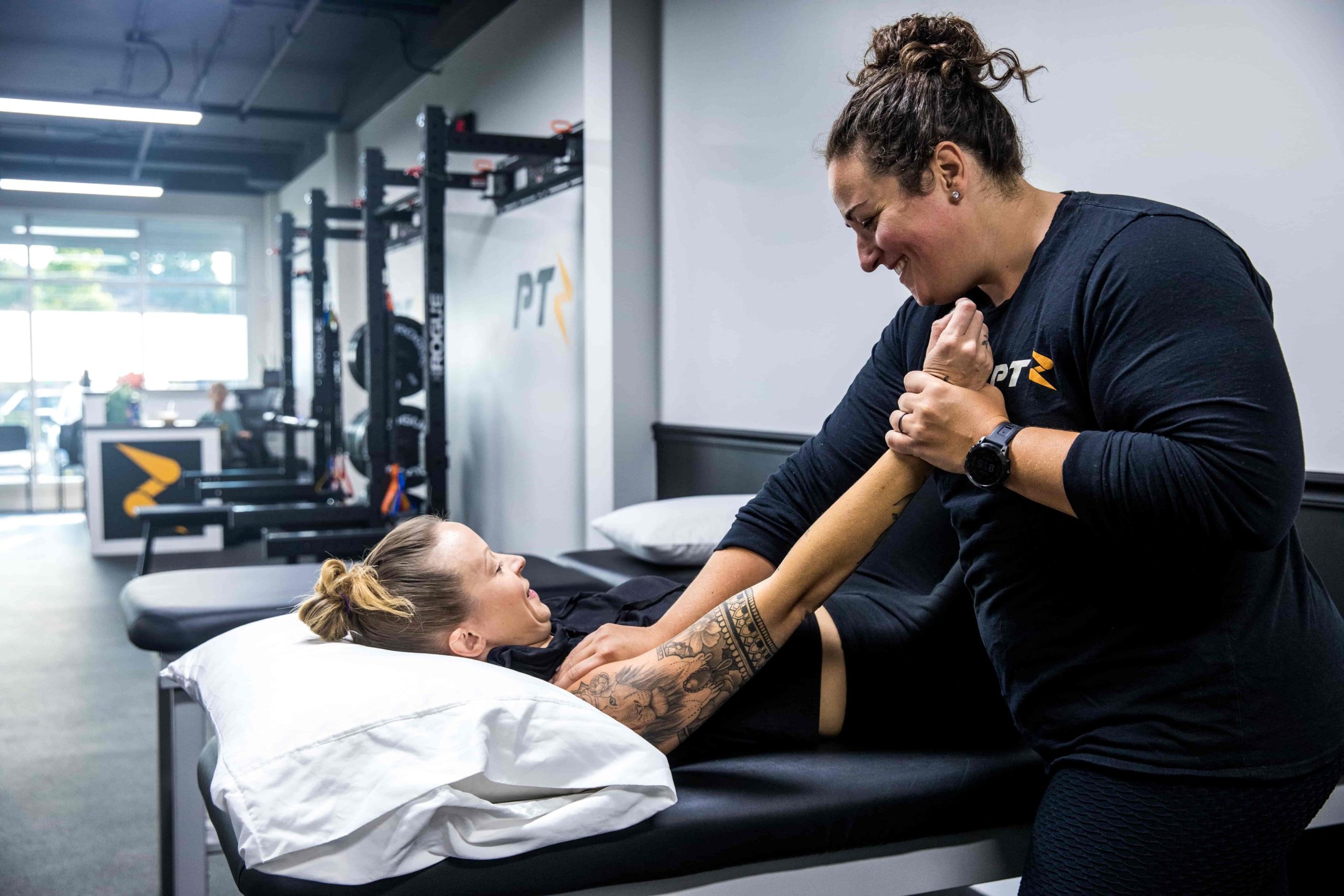
Certified Manual Therapy is a hands-on approach that addresses joint, muscle, and connective tissue dysfunction, reducing pain, improving alignment, and promoting faster, more efficient recovery.
-
Cupping
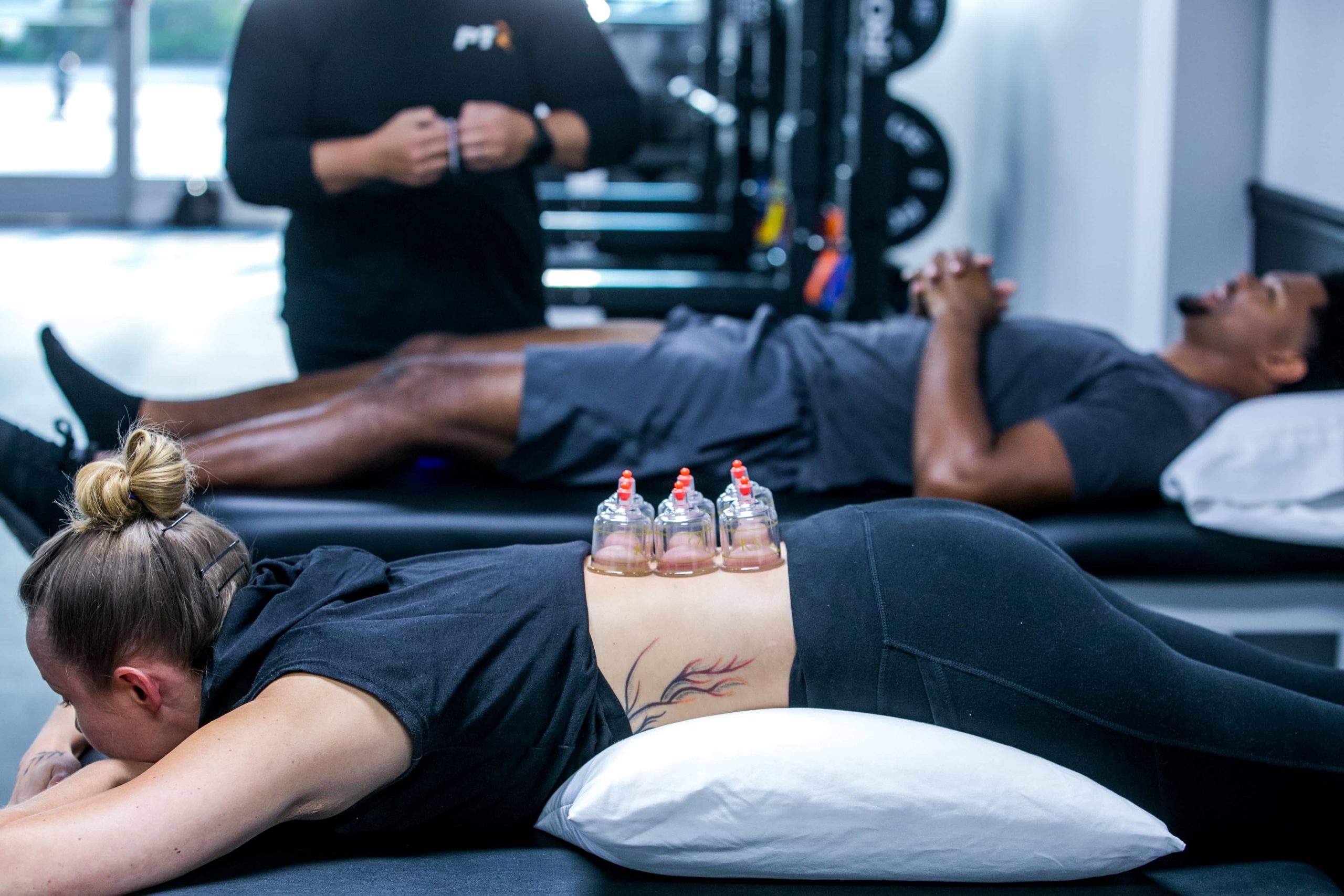
Cupping therapy is an ancient healing technique that uses suction to enhance circulation, relieve muscle tension, and promote the body’s natural recovery process.
-
Dry Needling
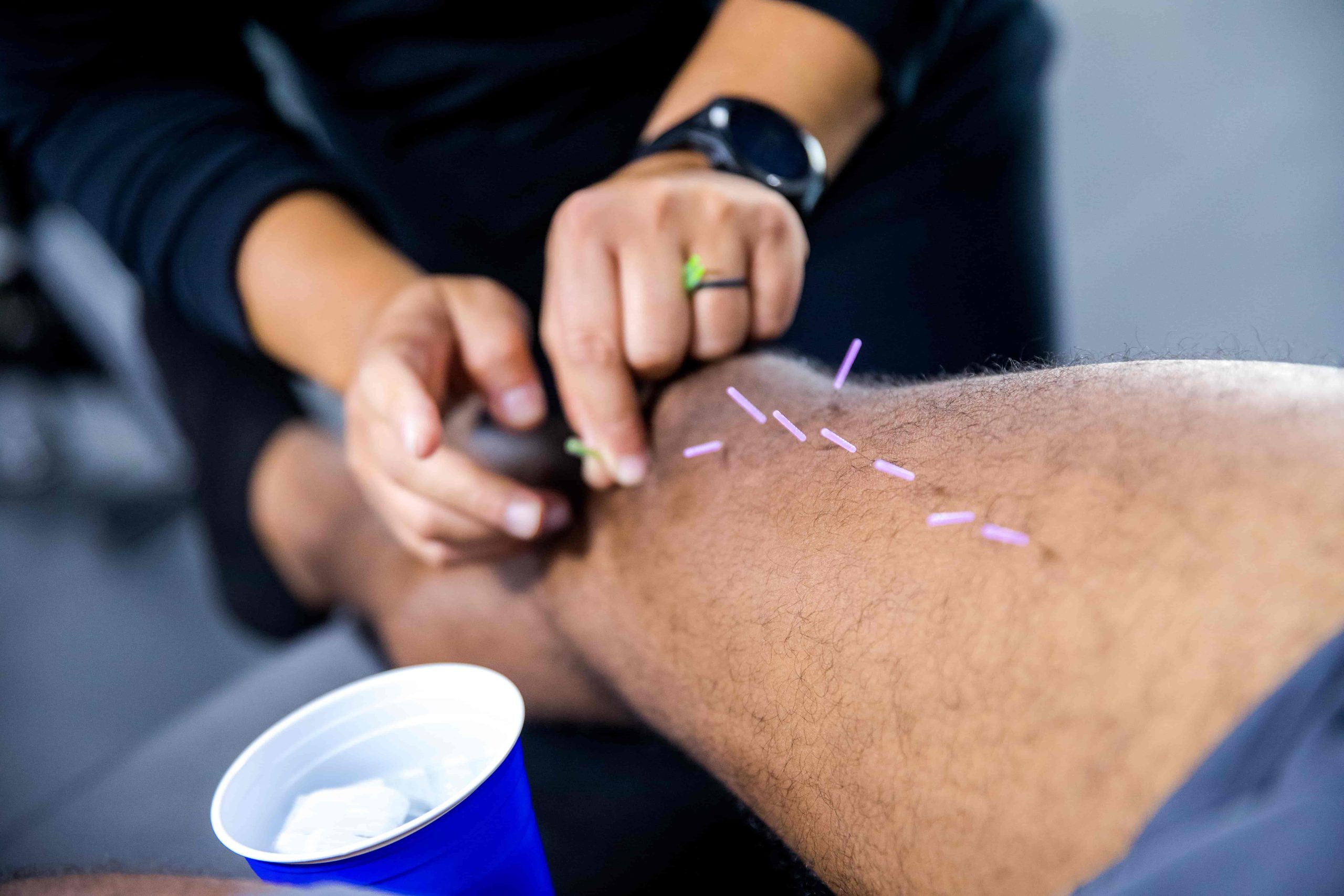
Dry needling is a modern therapy that targets muscle trigger points with thin needles to relieve pain, reduce tension, and restore mobility.
-
Gait Training
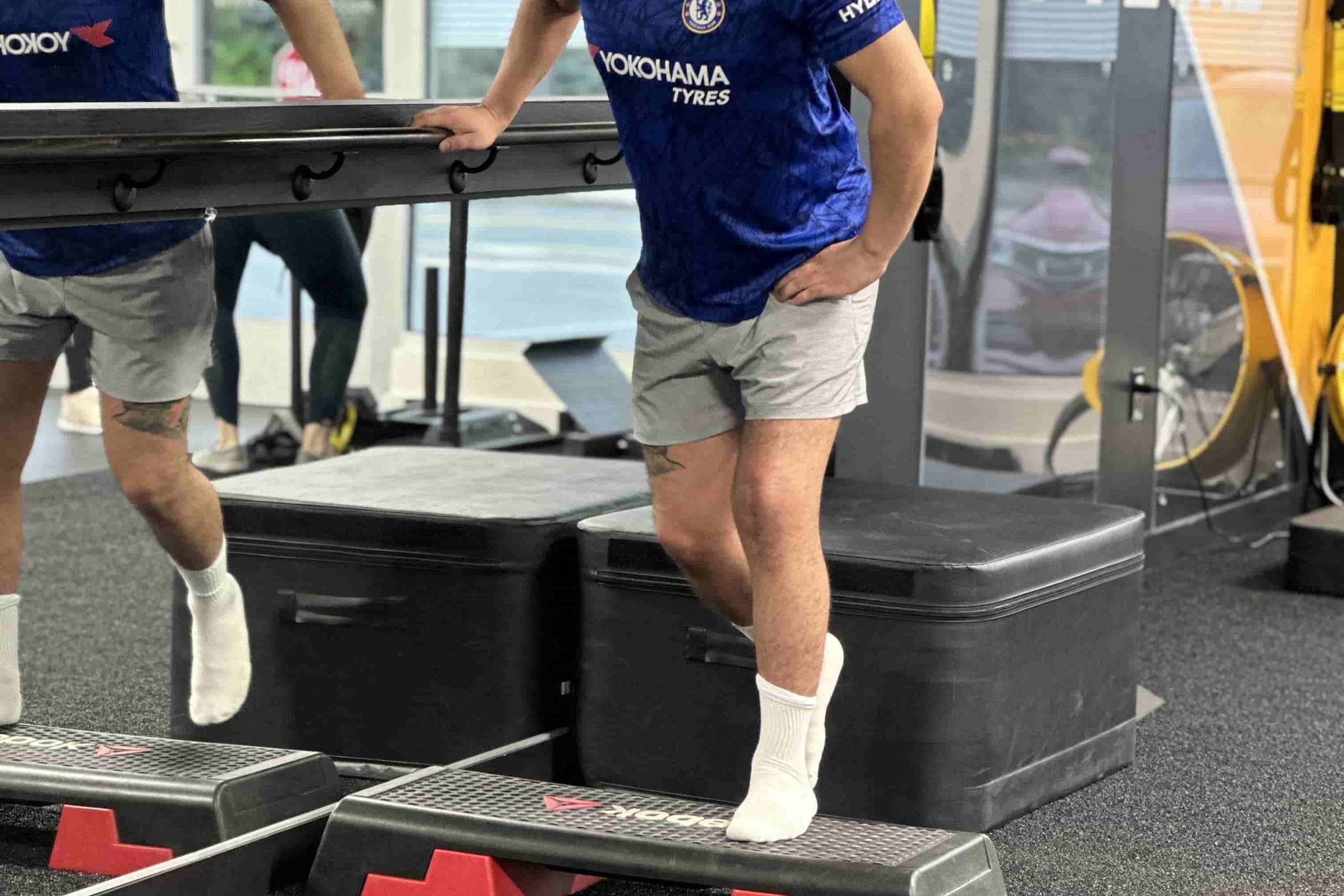
Gait Training is a specialized approach that enhances walking mechanics, improves lower-limb strength, and reduces re-injury risks, ultimately promoting more efficient movement.
-
Graston Technique
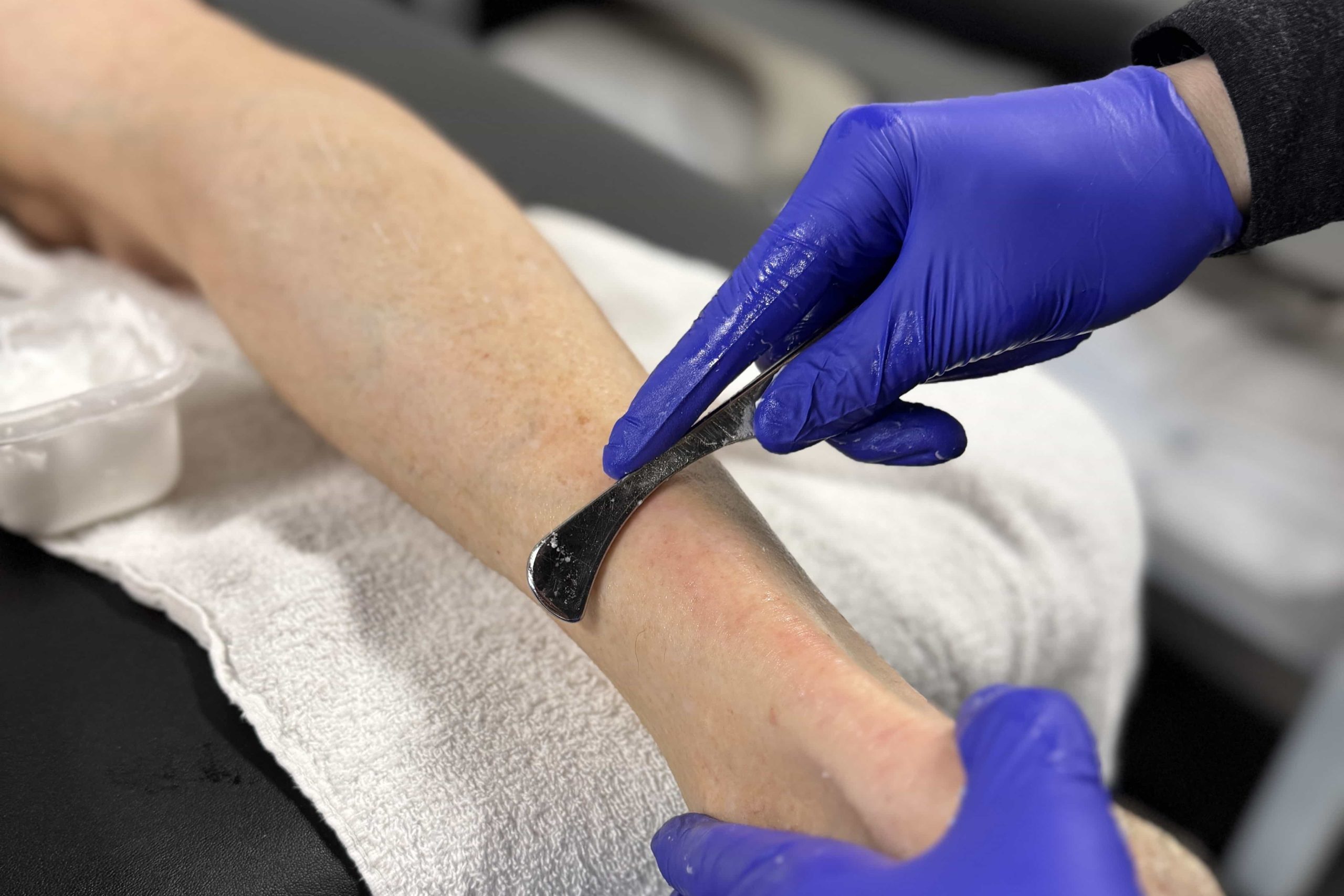
Graston Technique is a specialized manual therapy that uses stainless steel instruments to break down scar tissue, improve mobility, and accelerate healing.
-
Kinesiotaping
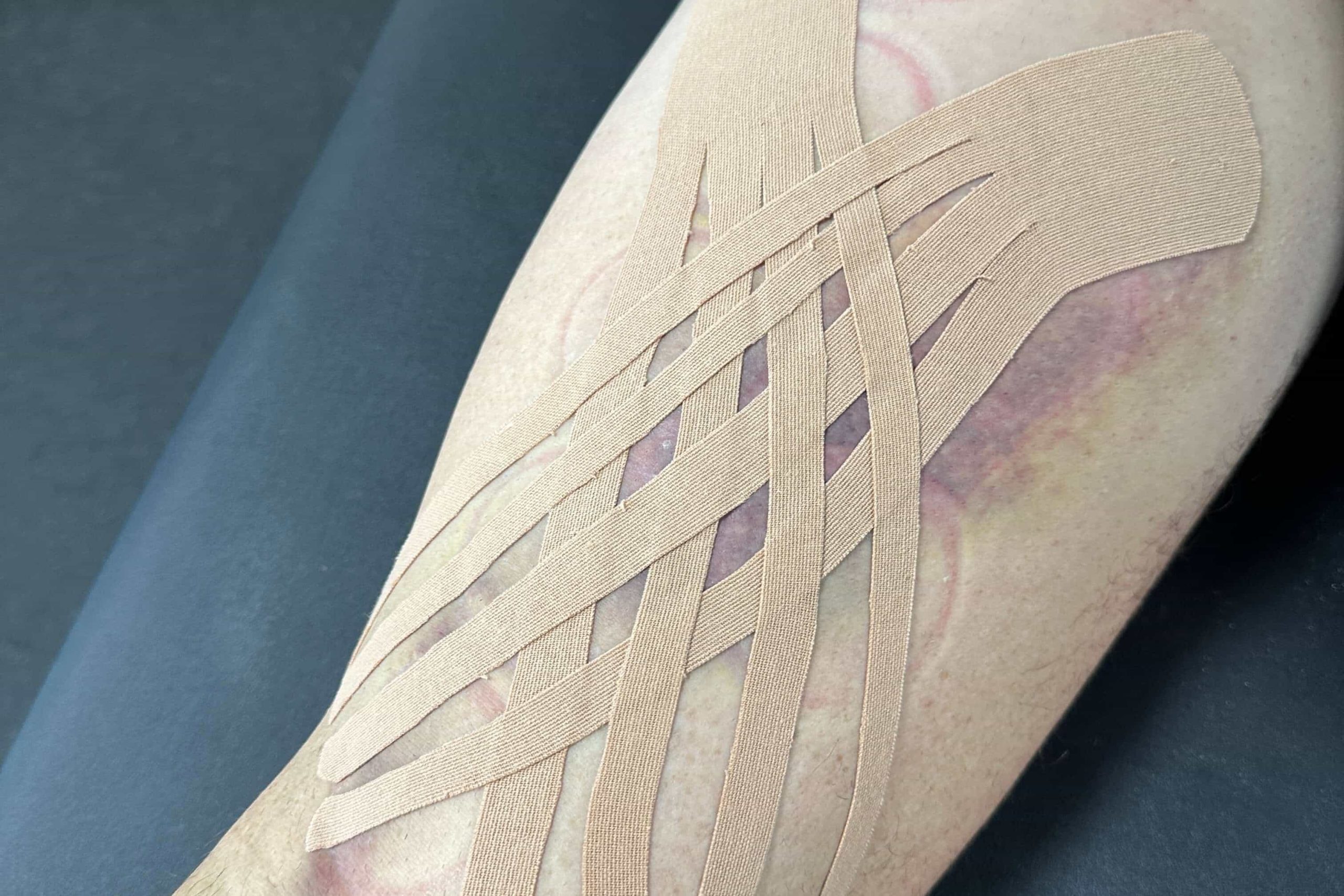
Kinesiotaping is a flexible taping method that provides gentle support, improves circulation, and helps maintain natural movement for a more comfortable and effective recovery.
-
Manual Traction
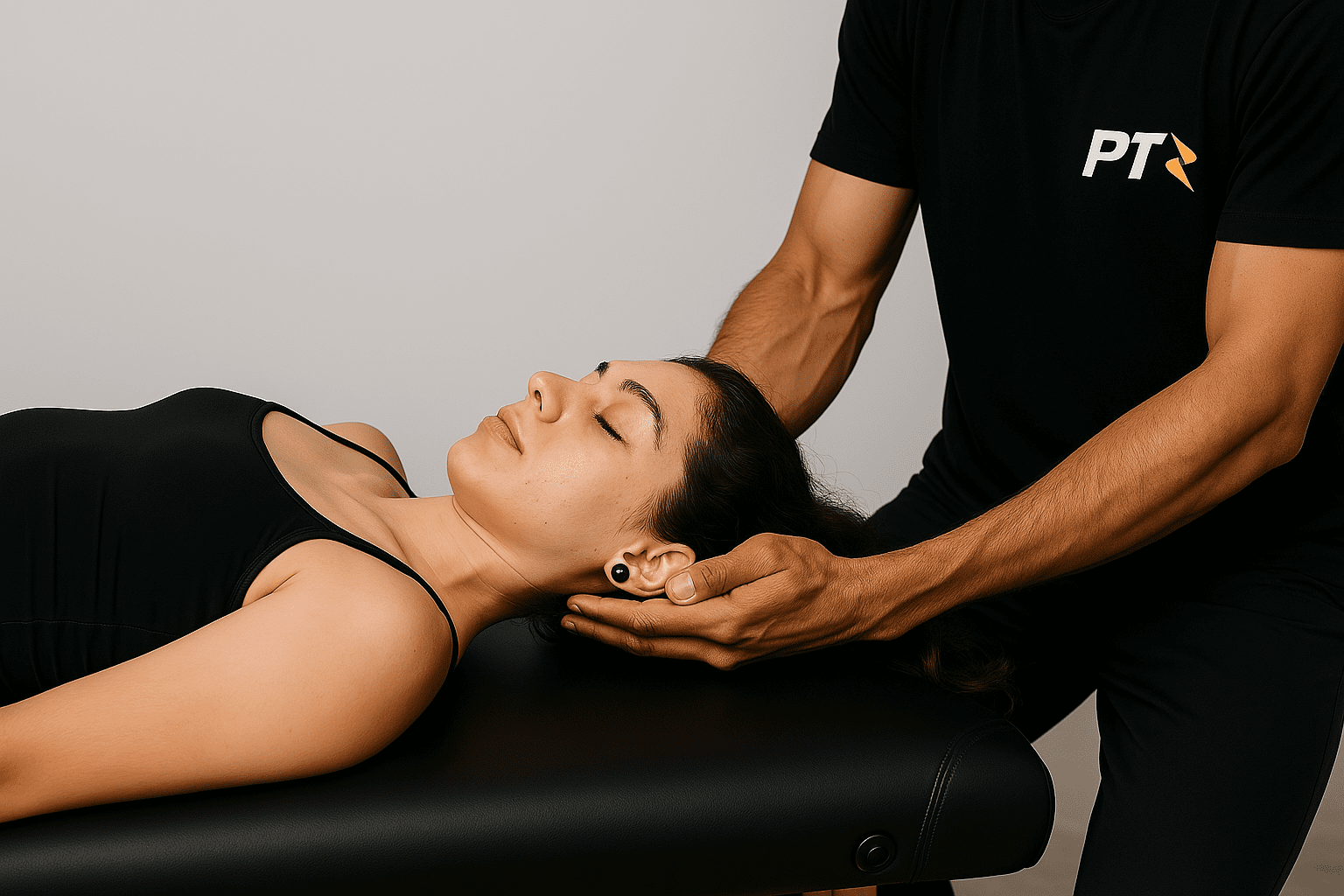
Manual Traction is a gentle, hands-on method used to decompress the spine, relieve pressure on discs and nerves, and improve overall comfort and mobility.
-
Post-Surgical Rehab
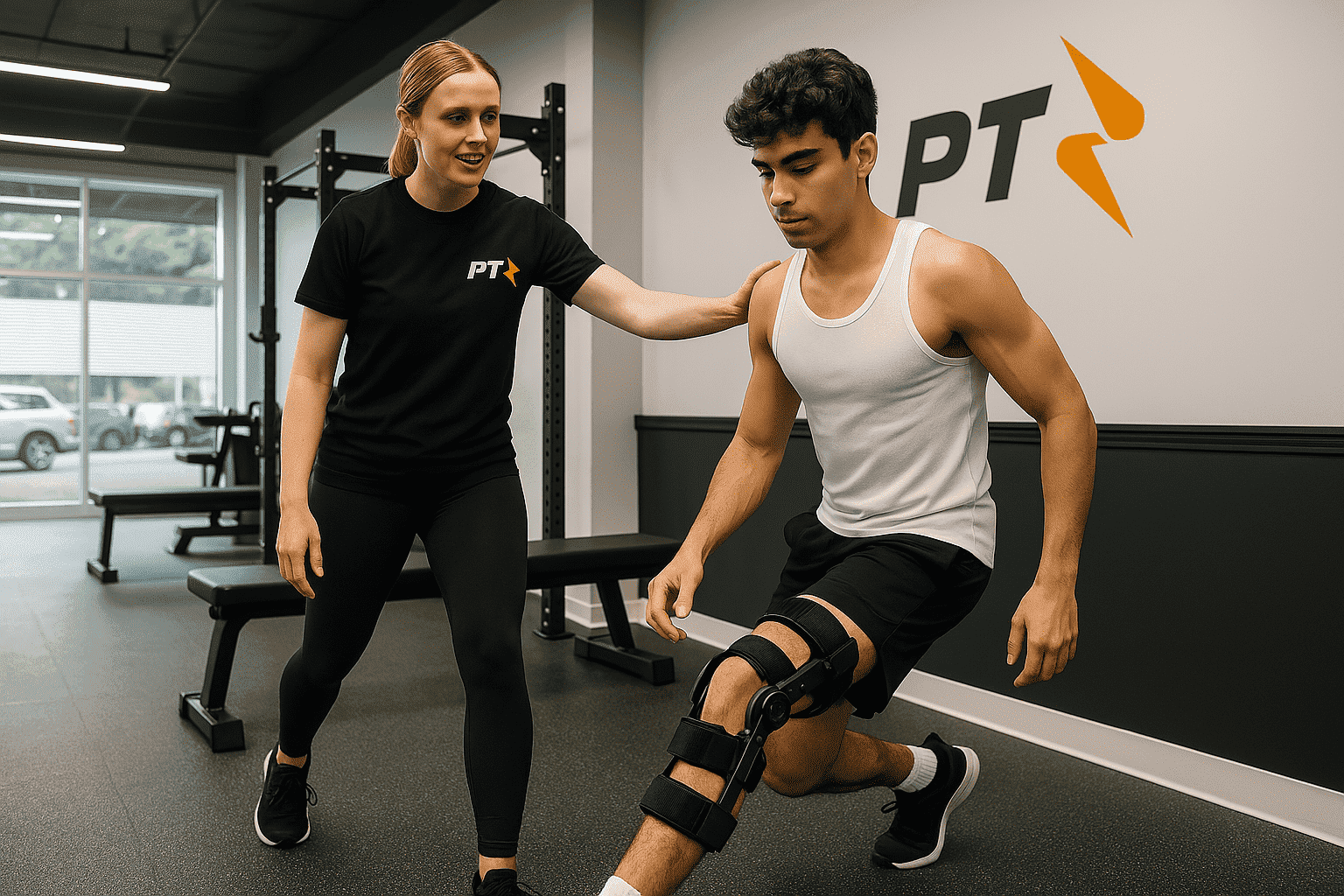
Post-Surgical Rehab is a structured recovery process designed to restore mobility, manage pain, and rebuild strength after surgery, ensuring a safer and faster return to your everyday activities or sports.
-
Physical Therapy for Weightlifters & CrossFit
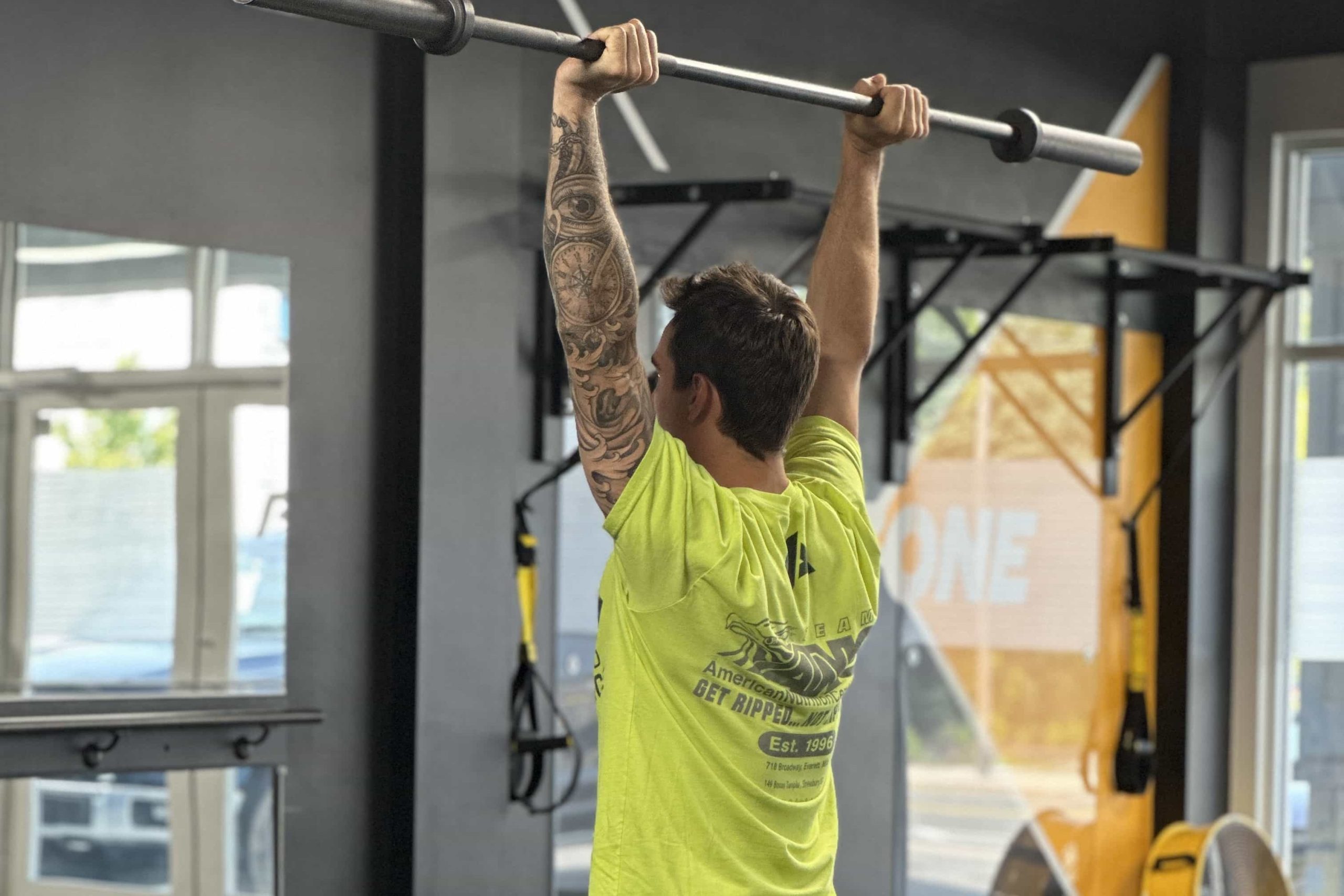
Physical Therapy for Weightlifters & CrossFit focuses on proper lifting mechanics, correcting muscle imbalances, and managing stress on joints to prevent pain, accelerate recovery, and enhance overall strength gains.
-
Physical Therapy For Runners
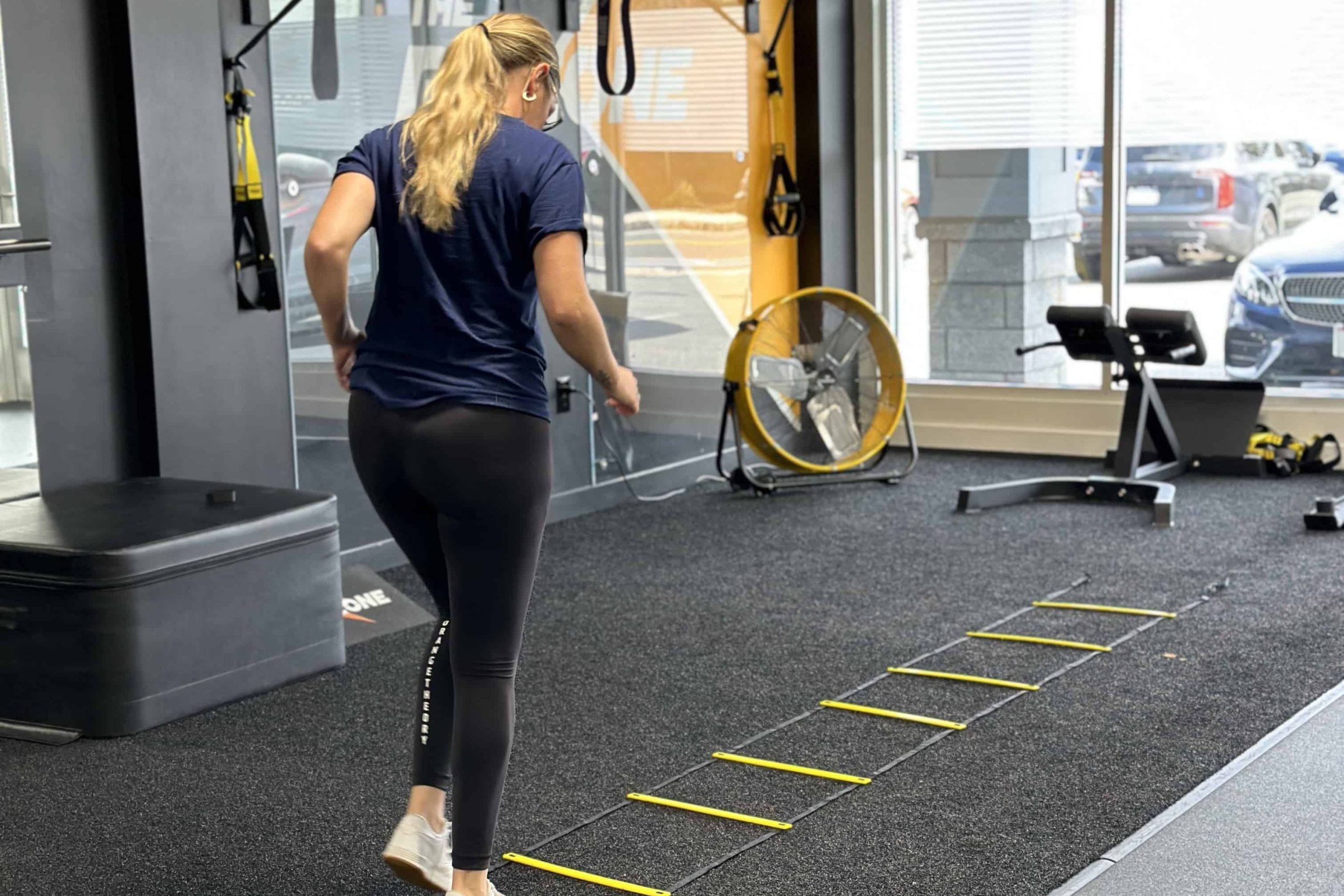
Physical Therapy for Runners focuses on refining running form, addressing muscle imbalances, and enhancing lower-limb stability to prevent injuries and boost performance.
-
Neuromuscular Massage Therapy
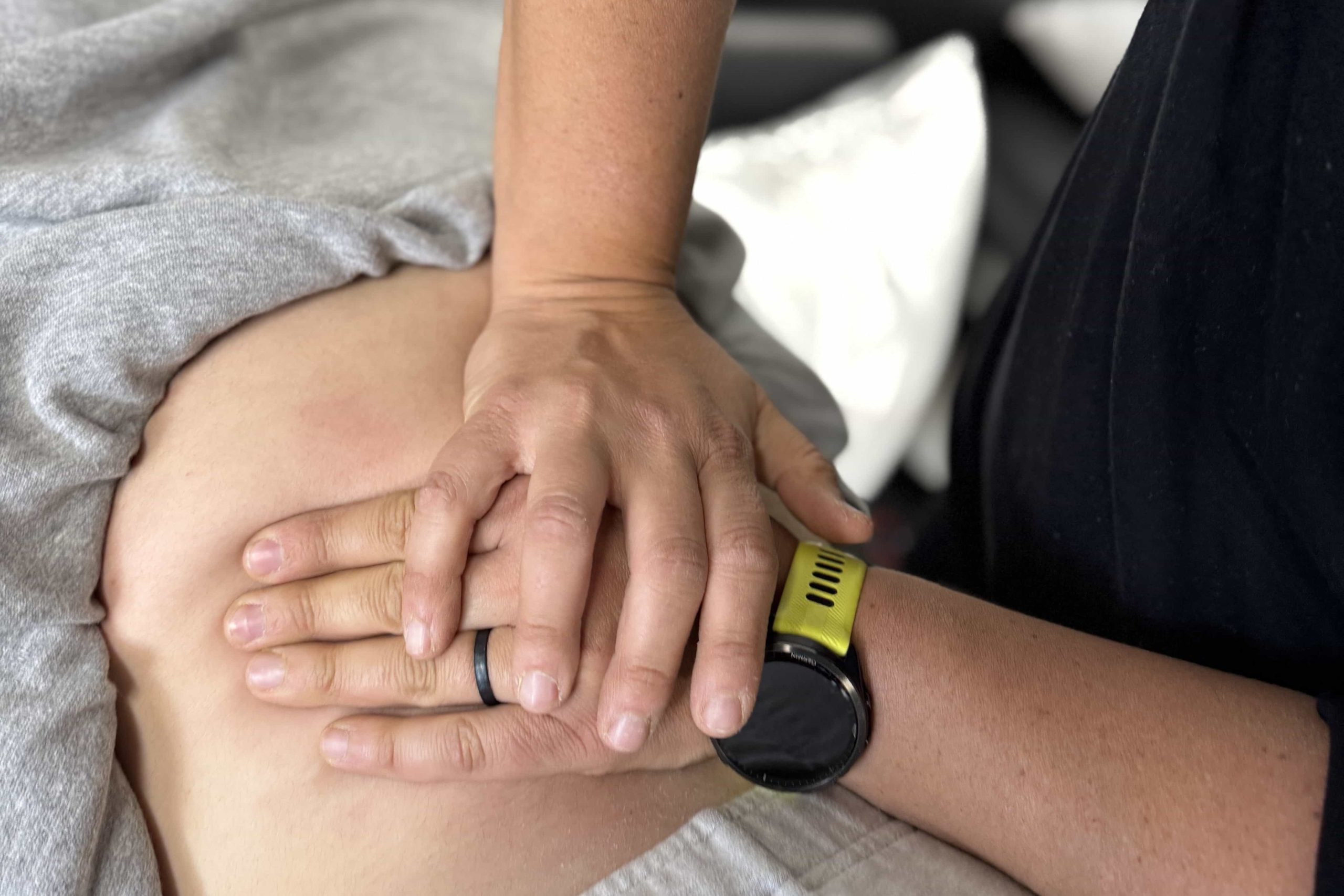
Neuromuscular Massage Therapy (NMT) precisely targets trigger points in muscles and connective tissues, relieving tension, restoring proper function, and promoting long-term pain relief.

The PT Zone is committed to long‑term relief—so you can move freely and without pain.
Our holistic approach turns stubborn heel pain into a resolved chapter—so every step of your day starts comfortably.
Common Questions from Plantar Fasciitis Clients
1. Why does my heel hurt most when I get out of bed?
While you sleep the plantar fascia shortens slightly; the first few steps abruptly stretch those micro‑tears, causing sharp pain. Gentle ankle pumps before standing and night splints that keep the foot flexed can calm that morning spike while therapy addresses the underlying overload.
2. Will orthotics or insoles fix plantar fasciitis?
Supportive insoles can offload the fascia and speed healing, especially if your arch collapses or you stand on concrete all day. They work best when paired with calf stretching, foot strengthening, and gradual activity progressions.
3. How long does recovery take?
Acute cases often ease within 4–6 weeks with early intervention. Chronic heel pain can require 8–12 weeks of progressive loading and habit changes. Consistency with your home program keeps healing on schedule.
4. Are cortisone shots a good idea?
A single steroid injection can reduce severe inflammation, but repeated shots risk weakening the fascia. Most clients respond well to conservative therapy; injections are reserved for stubborn cases or when pain blocks progress.
5. Is running safe with plantar fasciitis?
If pain stays below 3/10 and doesn’t spike the next morning, modified mileage with supportive shoes can continue. Otherwise cross‑training keeps fitness up while the fascia recovers. Your therapist will create a safe return‑to‑run plan.
6. Does rolling my foot on a frozen water bottle help?
Yes. It combines gentle tissue massage with cryotherapy to reduce soreness. Use 5–10 minutes after long standing or workouts, alongside stretching and strengthening for faster relief.
7. How do I prevent plantar fasciitis from coming back?
Rotate shoes before cushioning wears out, keep calves flexible, strengthen arch muscles, and progress mileage or standing time gradually. At the first hint of heel soreness, resume your exercises and ice‑massage routine to stop a minor flare from becoming chronic.