
If you’re struggling with persistent neck stiffness, sharp twinges when turning your head, or pain radiating into your upper back and shoulders, you’re not alone—neck pain can disrupt everything from daily tasks to restful sleep. At The PT Zone, we tailor treatments that aim to relieve discomfort, restore motion, and protect your neck from ongoing strain.
- Ease tension and tightness along the cervical spine
- Promote healthier posture and proper alignment
- Improve neck mobility for effortless, pain-free movement
- Strengthen supportive muscles to prevent recurring stiffness

Relieve Tension and
Reclaim Your Range of Motion
Neck pain can arise from a host of triggers—anything from poor workplace ergonomics and extended screen time to whiplash injuries or degenerative changes in the cervical spine. Over time, this discomfort can limit how far you can rotate or tilt your head, making simple actions like checking your blind spot while driving a challenge. At The PT Zone, we believe the key to lasting relief is a personalized plan that pinpoints the root causes behind your neck pain, whether it’s muscular tension, misalignment, or nerve irritation.
We begin by reducing pain and stiffness with hands-on techniques to release tight muscles and targeted exercises that encourage healthier neck positioning. As you progress, our program expands to reinforce neck stability through controlled movements that retrain the muscles supporting the cervical spine. By addressing imbalances or postural habits that overload the neck, we set the stage for not only pain relief but also a safer, more comfortable range of motion.
Throughout the process, we focus on education—helping you integrate proper posture into daily routines, optimize your workstation, and take preventive measures if you’re prone to tension headaches or stress-induced flare-ups. We aim to help you move confidently and naturally, free from the constant worry that turning your head too quickly might result in another jolt of neck pain.
Our Therapies for Neck Pain:
Below is a selection of services specifically designed to target neck pain, from tension-based strains to chronic stiffness and reduced mobility.
-
Balance Training
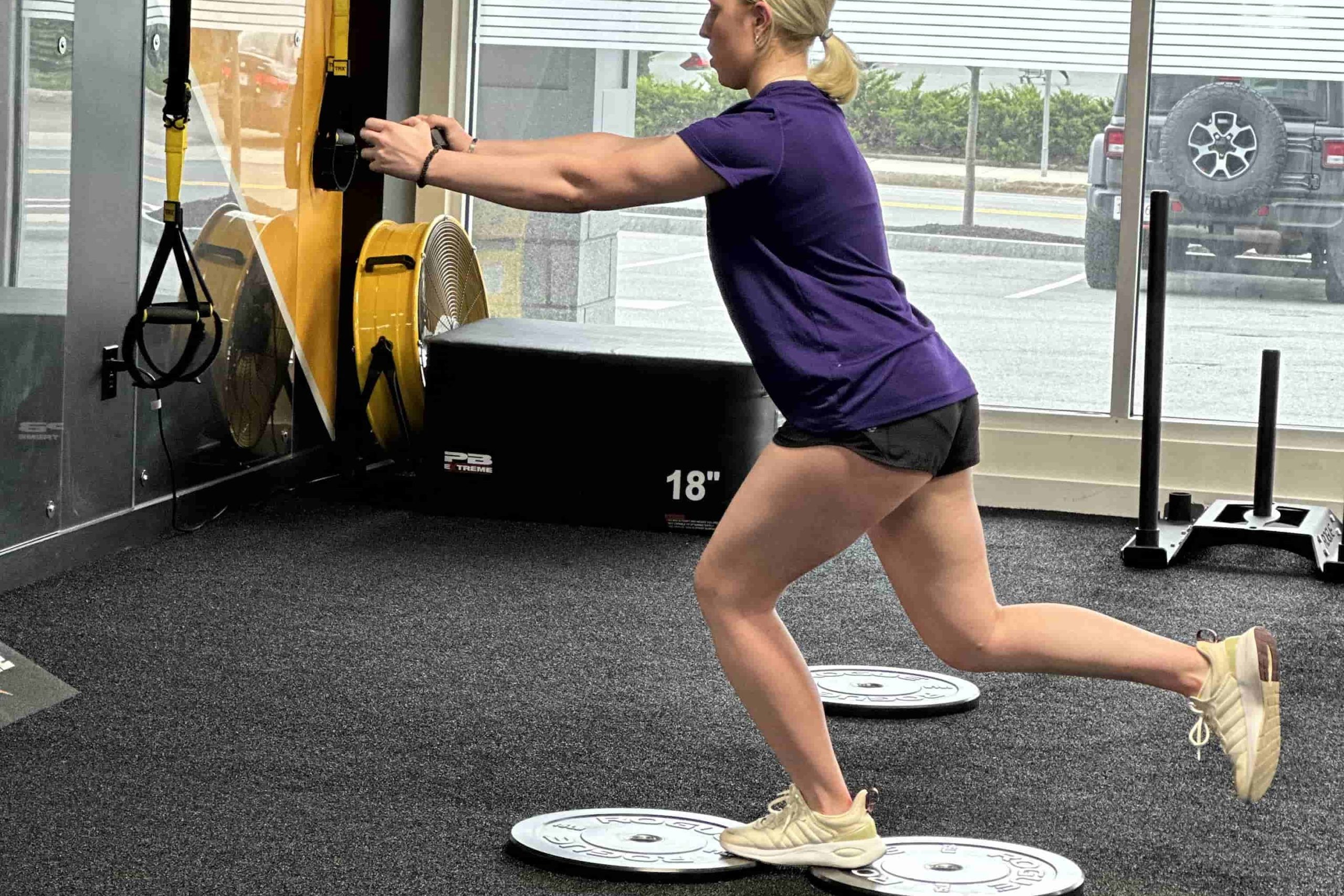
Balance Training is a specialized approach that strengthens stabilizing muscles, enhances coordination, and reduces fall risks, ultimately improving posture and promoting confident movement.
-
Certified Manual Therapy
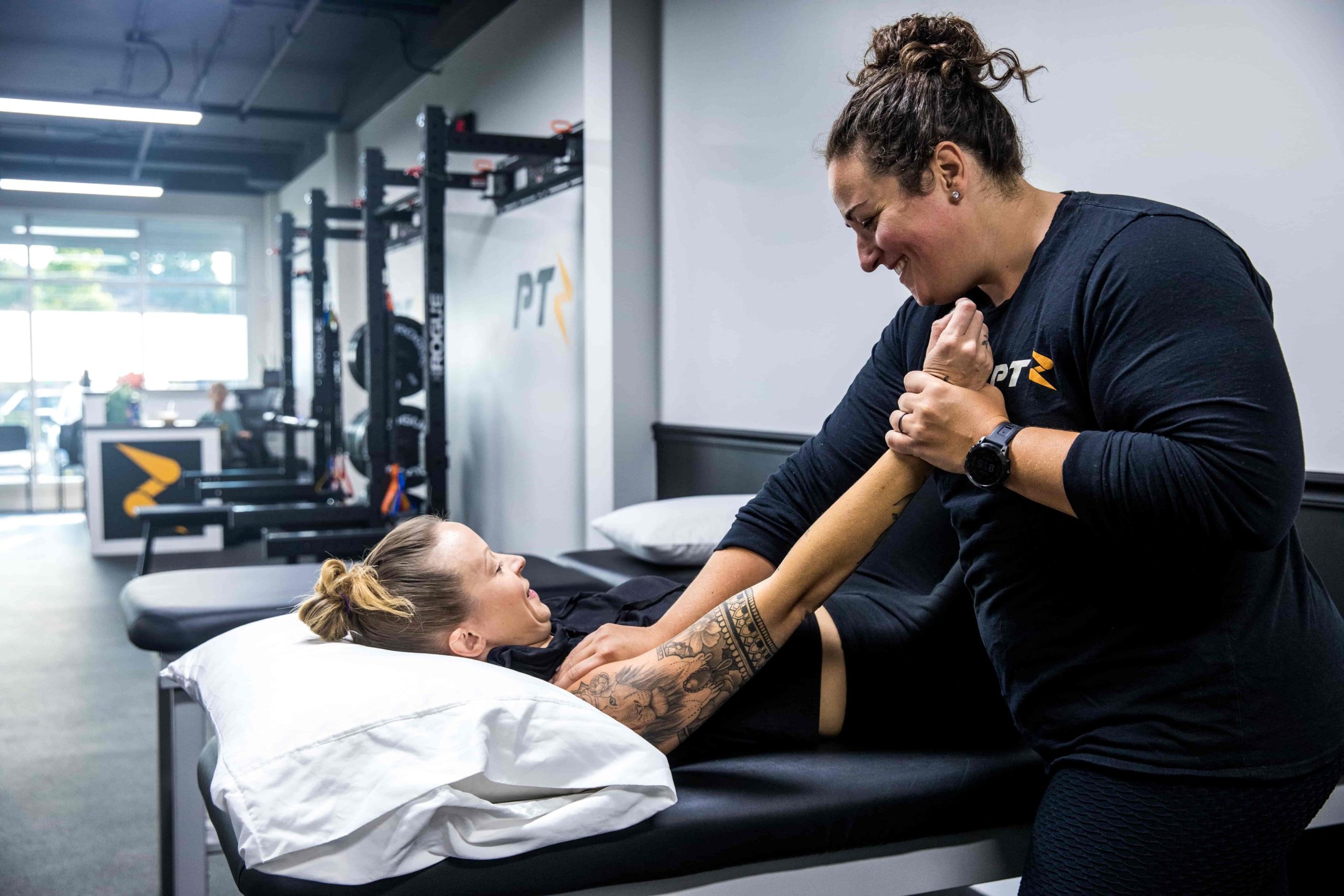
Certified Manual Therapy is a hands-on approach that addresses joint, muscle, and connective tissue dysfunction, reducing pain, improving alignment, and promoting faster, more efficient recovery.
-
Cupping
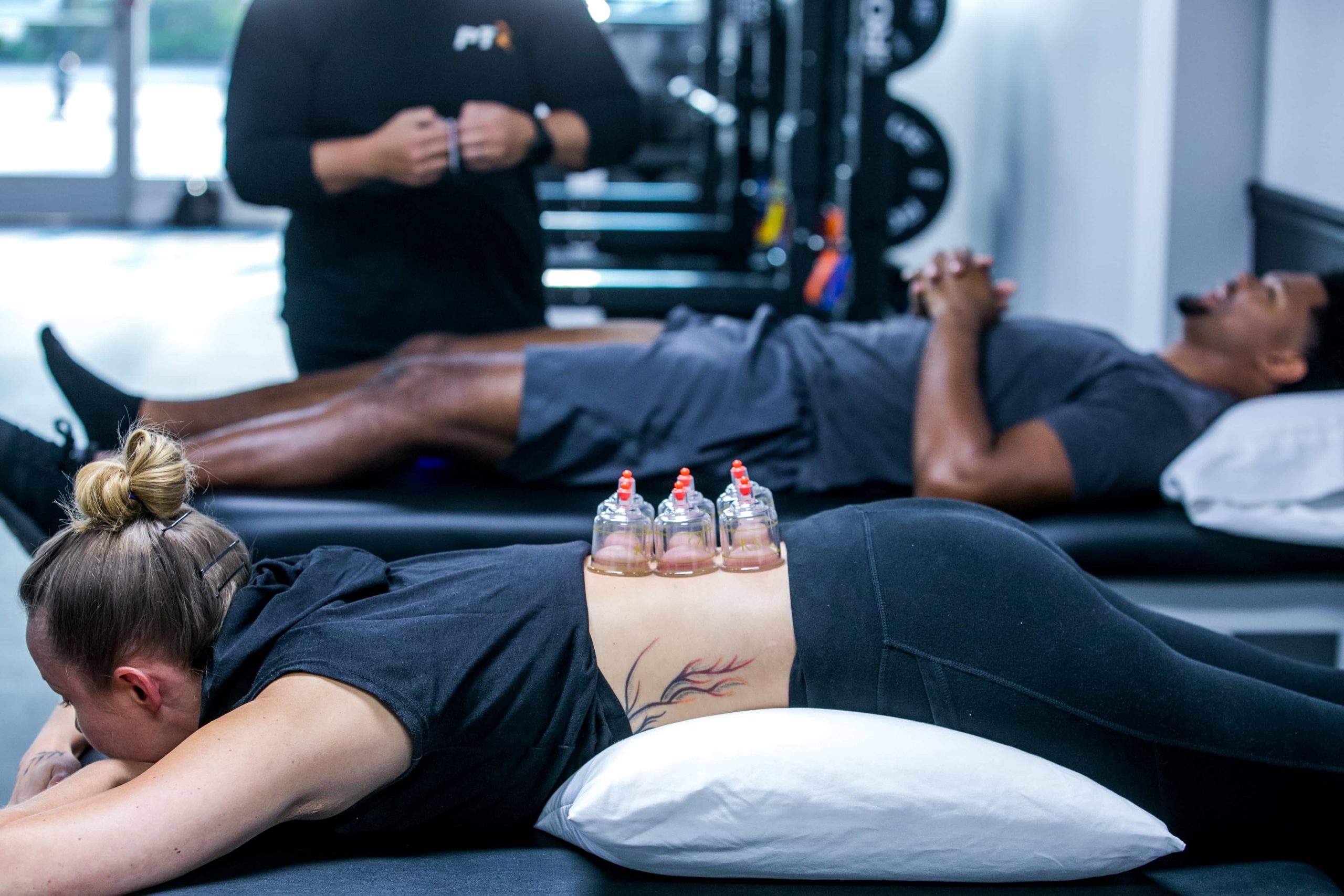
Cupping therapy is an ancient healing technique that uses suction to enhance circulation, relieve muscle tension, and promote the body’s natural recovery process.
-
Dry Needling

Dry needling is a modern therapy that targets muscle trigger points with thin needles to relieve pain, reduce tension, and restore mobility.
-
Gait Training
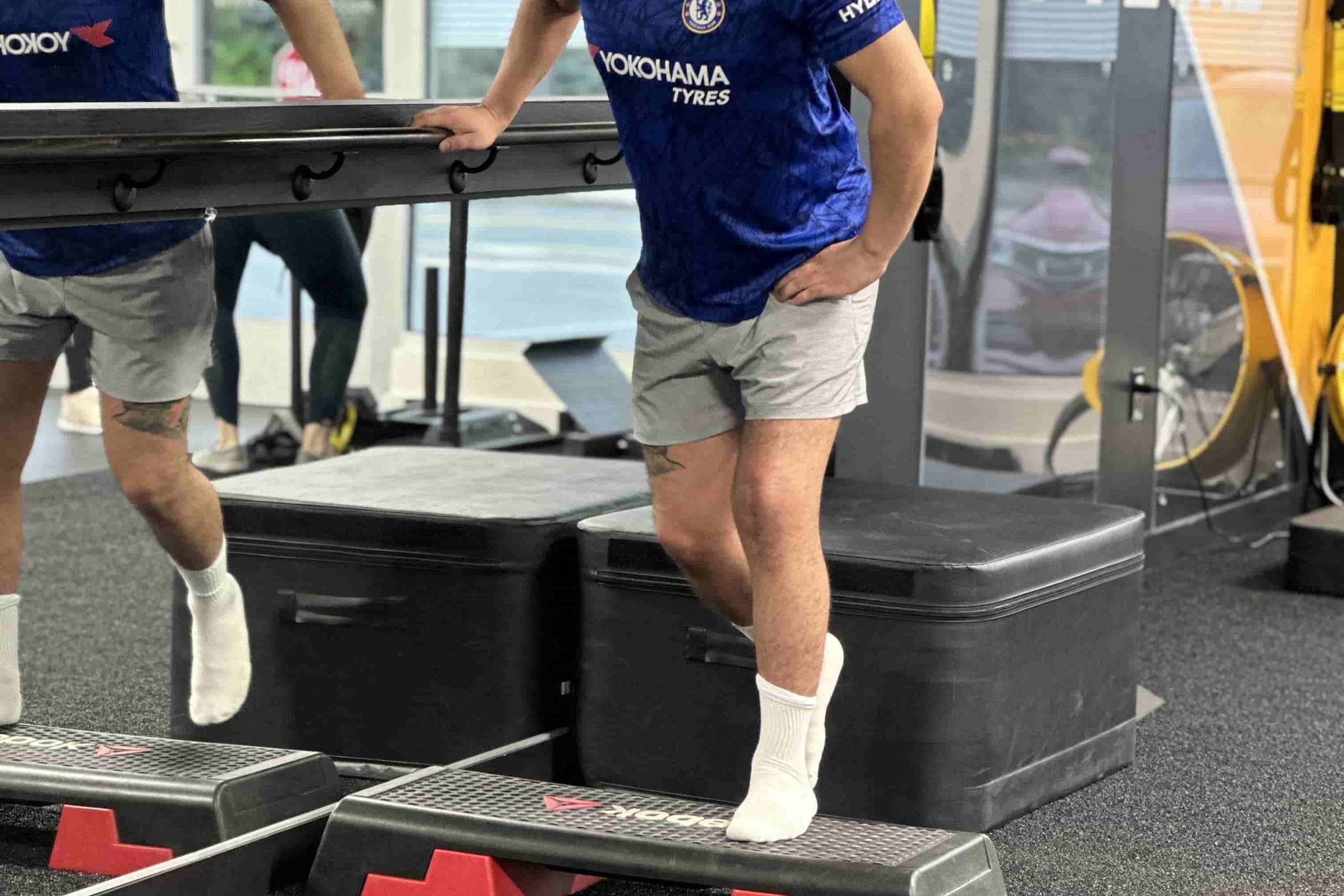
Gait Training is a specialized approach that enhances walking mechanics, improves lower-limb strength, and reduces re-injury risks, ultimately promoting more efficient movement.
-
Graston Technique
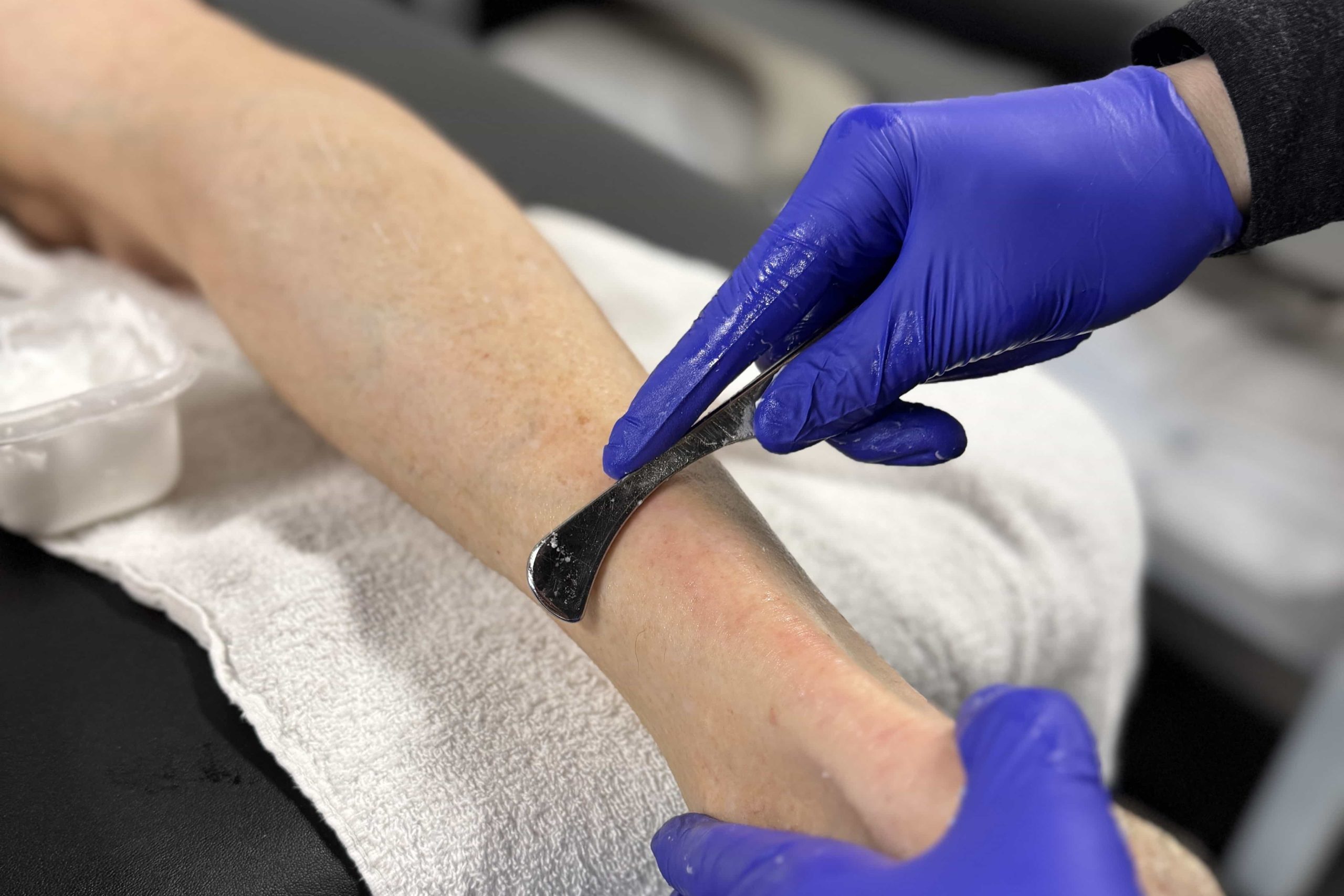
Graston Technique is a specialized manual therapy that uses stainless steel instruments to break down scar tissue, improve mobility, and accelerate healing.
-
Kinesiotaping
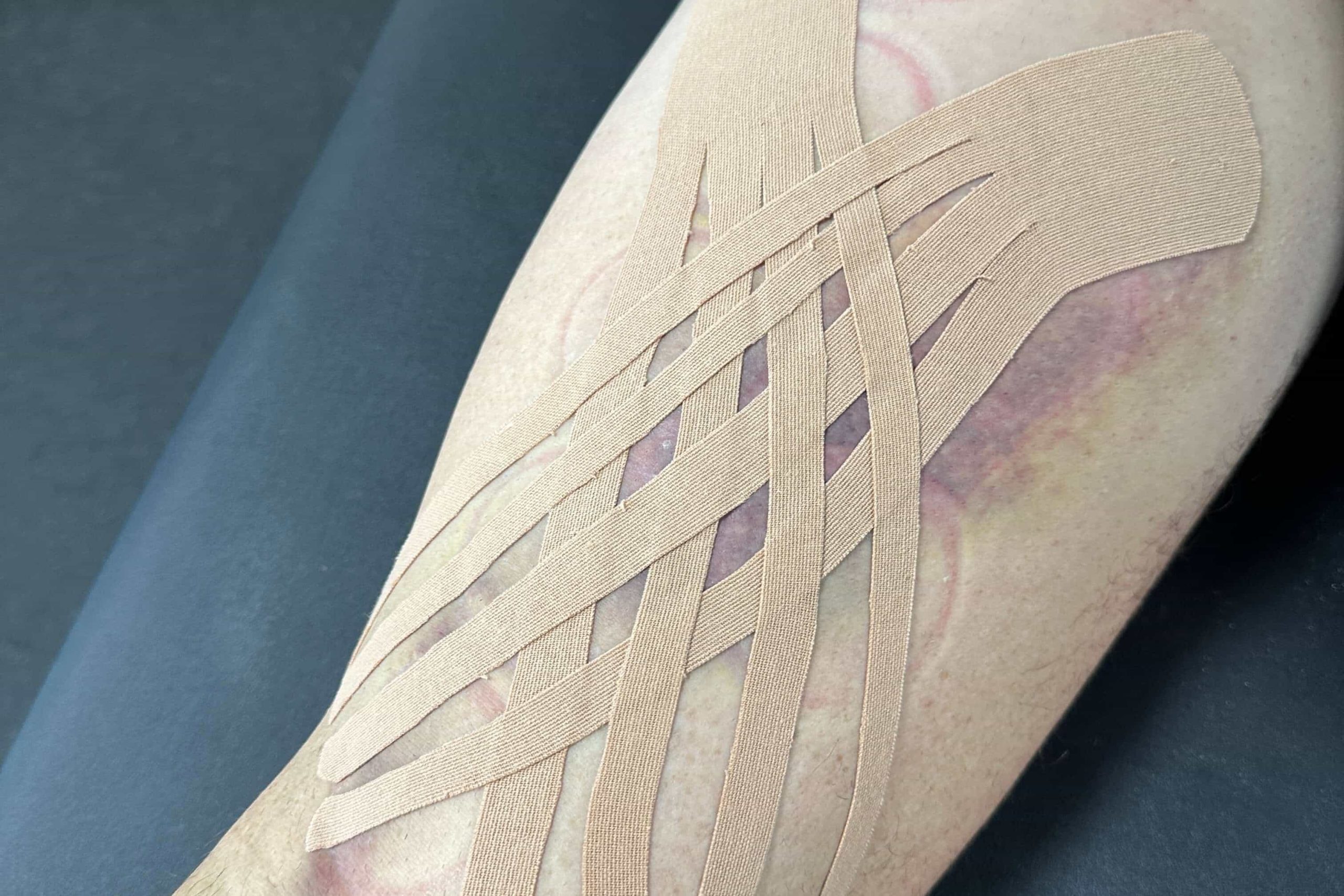
Kinesiotaping is a flexible taping method that provides gentle support, improves circulation, and helps maintain natural movement for a more comfortable and effective recovery.
-
Manual Traction
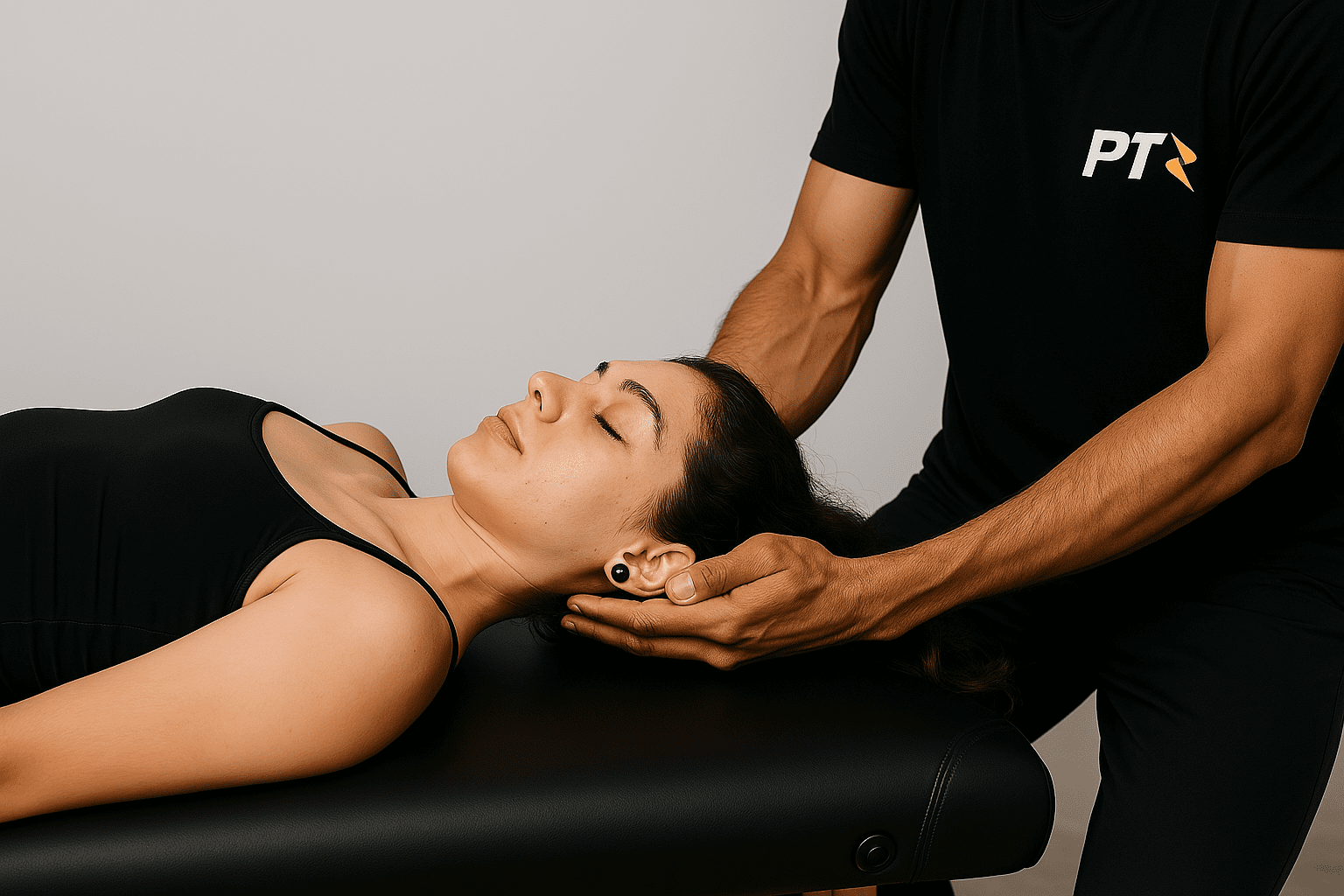
Manual Traction is a gentle, hands-on method used to decompress the spine, relieve pressure on discs and nerves, and improve overall comfort and mobility.
-
Post-Surgical Rehab
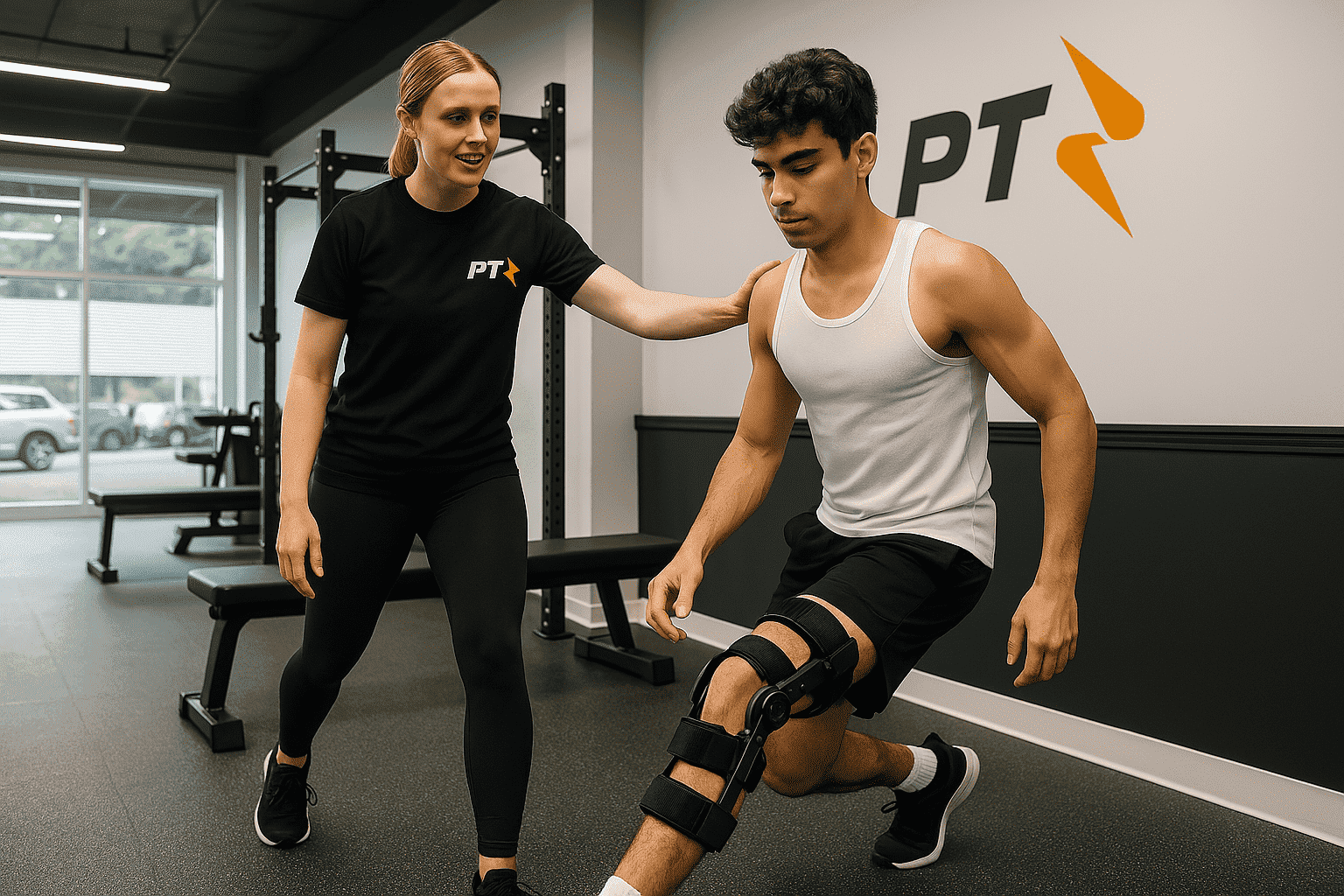
Post-Surgical Rehab is a structured recovery process designed to restore mobility, manage pain, and rebuild strength after surgery, ensuring a safer and faster return to your everyday activities or sports.
-
Physical Therapy for Weightlifters & CrossFit
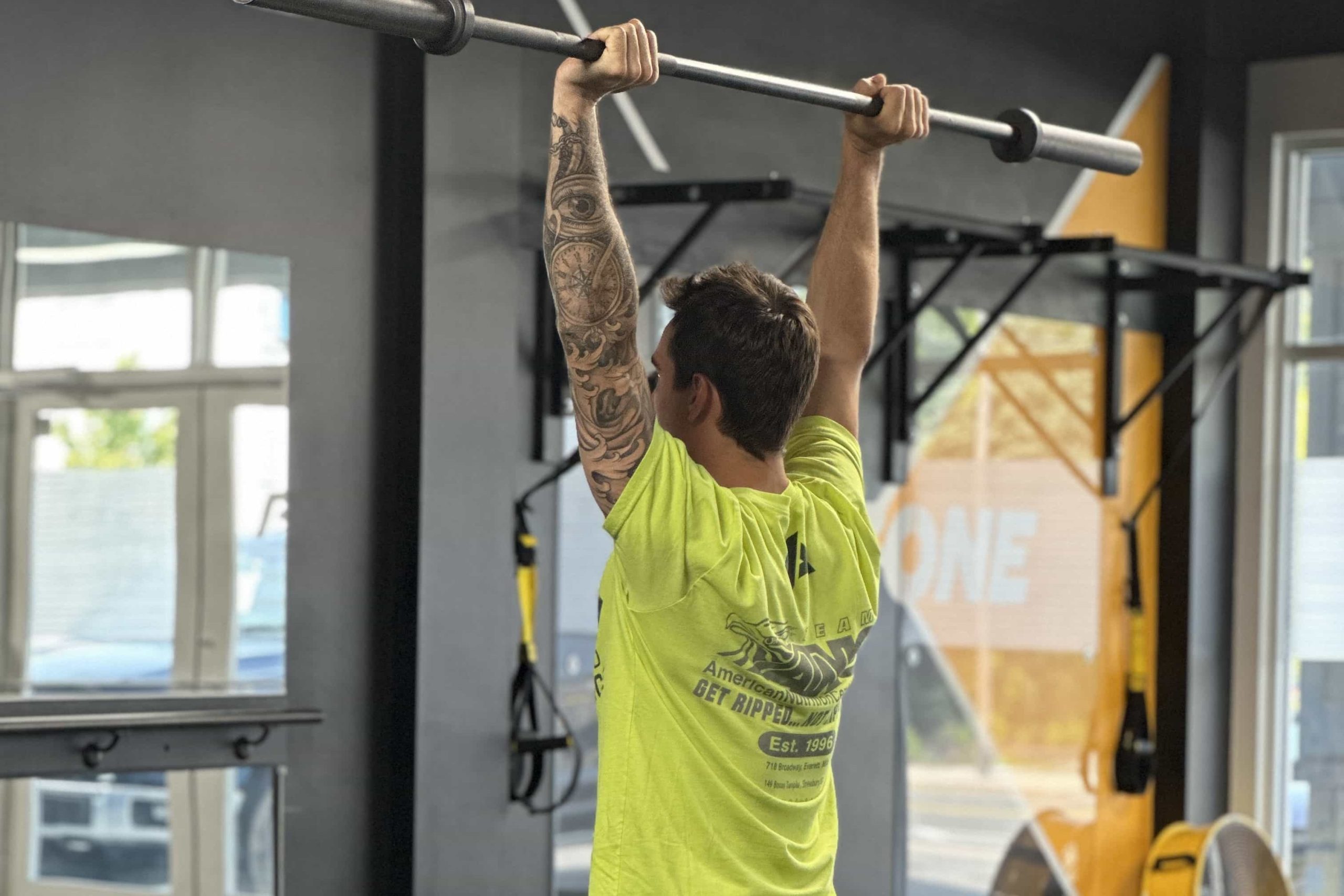
Physical Therapy for Weightlifters & CrossFit focuses on proper lifting mechanics, correcting muscle imbalances, and managing stress on joints to prevent pain, accelerate recovery, and enhance overall strength gains.
-
Physical Therapy For Runners
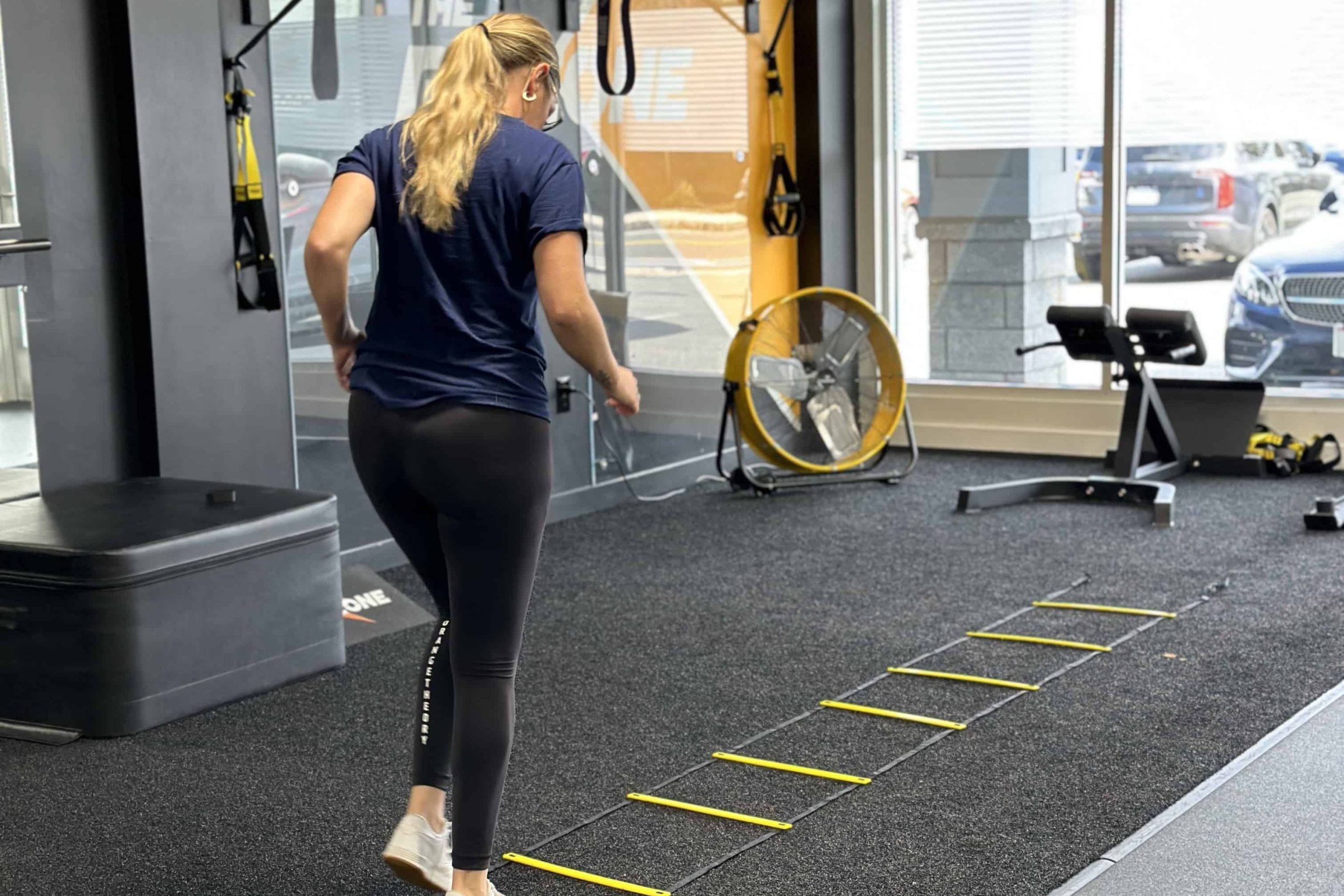
Physical Therapy for Runners focuses on refining running form, addressing muscle imbalances, and enhancing lower-limb stability to prevent injuries and boost performance.
-
Neuromuscular Massage Therapy
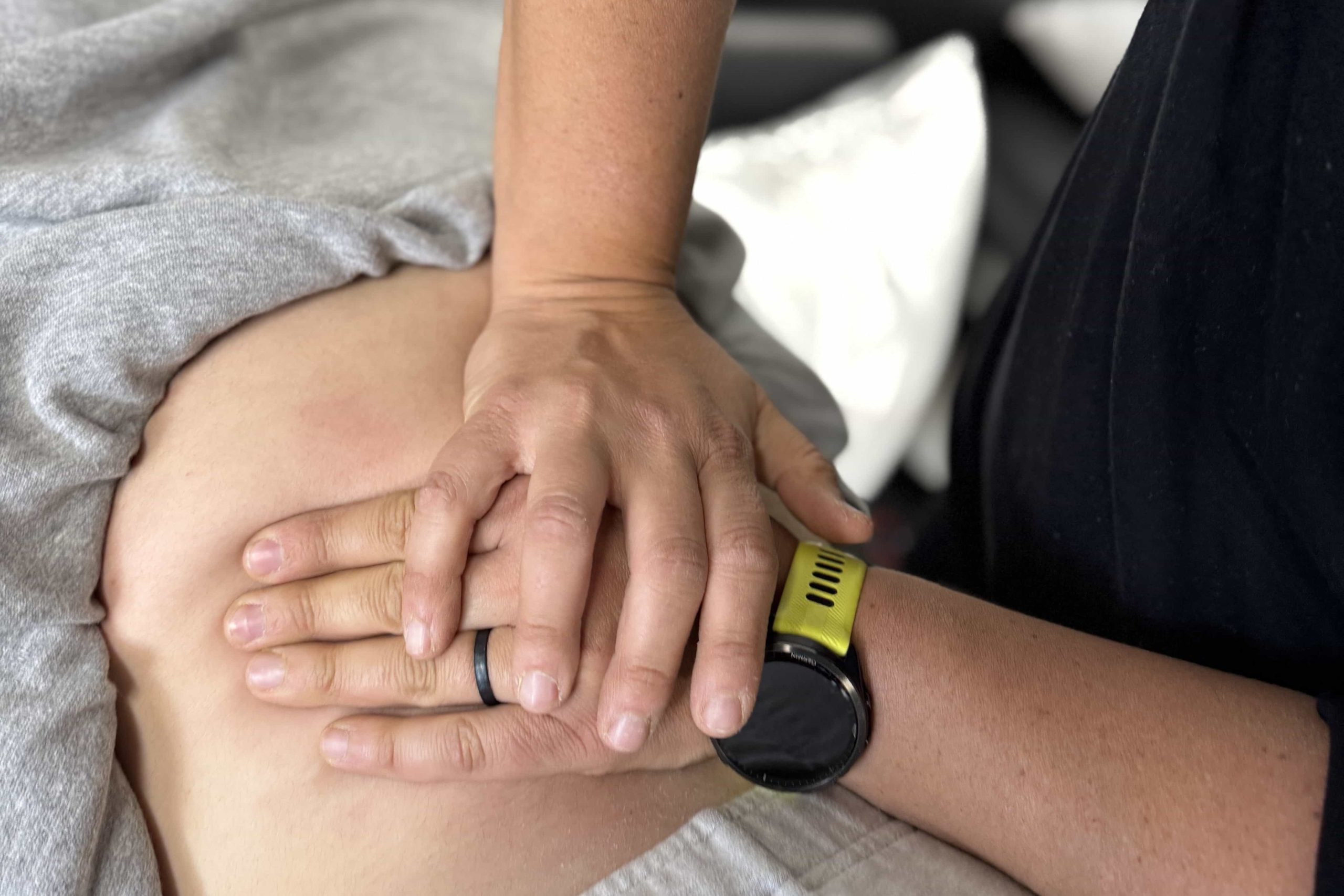
Neuromuscular Massage Therapy (NMT) precisely targets trigger points in muscles and connective tissues, relieving tension, restoring proper function, and promoting long-term pain relief.

At The PT Zone, we’re committed to helping you achieve long-term relief and restore your ability to move freely and without pain.
Our comprehensive approach ensures that we address not only the immediate issues but also the contributing factors that perpetuate neck discomfort. Let us help you rediscover a full, pain-free range of motion so you can face each day with comfort and confidence.
Common Questions from Neck Pain Clients
1. What are common causes of neck pain?
Neck pain can be traced to a variety of issues, including poor posture, muscular strain, whiplash injuries, degenerative disc disease, or nerve compression. Extended periods of looking down at a phone or screen, for instance, can create an imbalance in the neck’s supporting muscles. Identifying the specific cause of your discomfort is essential for an effective treatment plan.
2. Does sleeping position affect neck pain?
Yes, sleeping in awkward positions or on an unsupportive pillow can strain the cervical spine. Side-sleepers benefit from a pillow that aligns the head with the spine, while back-sleepers may need a pillow with neck support. Physical therapists often provide guidance on pillow selection and sleeping postures to minimize stress on the neck.
3. How long does it take to see improvement in neck pain with physical therapy?
The timeline depends on the underlying cause and severity of your discomfort. Some clients notice relief after just a few sessions, while those with chronic or more complex conditions may require longer. Consistency with home exercises, posture awareness, and any recommended lifestyle modifications often accelerate progress and help maintain benefits over time.
4. Should I keep moving if my neck hurts?
Unless a healthcare professional advises otherwise, gentle, controlled movement is typically beneficial. Complete immobilization can lead to stiffness and delayed healing. A physical therapist will guide you in safe exercises that promote mobility and reduce tension, ensuring you avoid aggravating the pain further.
5. Is it normal to get headaches with neck pain?
Tension headaches, which often originate from tight neck or shoulder muscles, are a common side effect. These headaches result from irritated nerves and restricted blood flow in the neck region. Treating the underlying muscular imbalances and improving cervical alignment frequently alleviates the frequency and intensity of these headaches.
6. Can posture correction really make a difference?
Absolutely. Poor posture—like slouching or craning your head forward—can place undue stress on the neck’s supporting structures. Over time, this strain can lead to chronic discomfort. By learning to maintain better alignment during everyday activities (like computer work or using a phone), you can significantly reduce tension and prevent recurrent flare-ups.
7. How can I prevent future neck problems?
Engaging in regular exercise that strengthens and stretches the neck and upper back, along with maintaining proper posture, is key. Periodic breaks during desk work or prolonged screen time can prevent overloading certain muscles. Your therapist may also suggest ergonomic adjustments—such as raising your monitor to eye level—to promote healthier alignment. Consistency in these habits significantly reduces your risk of recurring neck pain.