
Muscle strains—whether in your biceps, calf, hamstring, pec, quadriceps, or rotator cuff—can disrupt everything from everyday activities to sports performance. At The PT Zone, we tailor recovery strategies to alleviate pain, restore functional movement, and prevent lingering weakness that can lead to re-injury.
- Alleviate muscle pain and tenderness
- Reduce inflammation and support tissue healing
- Regain strength for safe return to daily activities or sports
- Prevent recurring strain by improving muscle mechanics
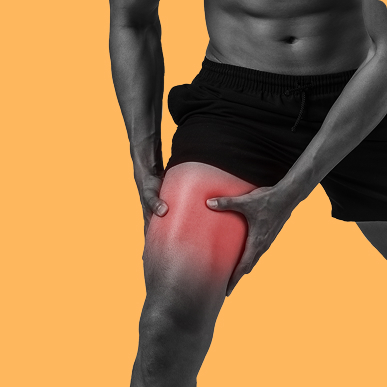
Rebuild Strength and Get Back in Action
Muscle strains occur when fibers are stretched or torn beyond their capacity, often due to sudden forceful movements, repetitive overuse, or insufficient warm-ups. Whether you’ve tweaked your biceps during a heavy lift, pulled your hamstring on a sprint, or felt a sharp twinge in your rotator cuff reaching overhead, these injuries can lead to pain, reduced range of motion, and compromised performance. At The PT Zone, we develop personalized treatment plans that consider both the specific muscle group involved and the everyday or athletic demands you face.
We begin by addressing pain and inflammation, using techniques like targeted manual therapy, gentle stretching, or modalities aimed at stimulating blood flow to support healing. As discomfort subsides, our focus shifts to rebuilding strength and flexibility in the injured muscle, alongside ensuring the surrounding muscles and joints provide adequate support. By integrating functional exercises that simulate real-life movements or sport-specific drills, we prepare you to safely return to your routines or training regimens without fear of further injury.
Crucially, we also emphasize proper movement mechanics and body alignment, helping you recognize and correct any habits that contributed to the strain in the first place. This comprehensive approach ensures that you not only recover from the immediate setback but also develop a stronger, more resilient foundation to prevent recurrences.
Our Therapies for Muscle Strains:
We offer specialized services to help you overcome muscle strains—no matter which muscle group is affected—so you can move pain-free and with confidence.
-
Balance Training
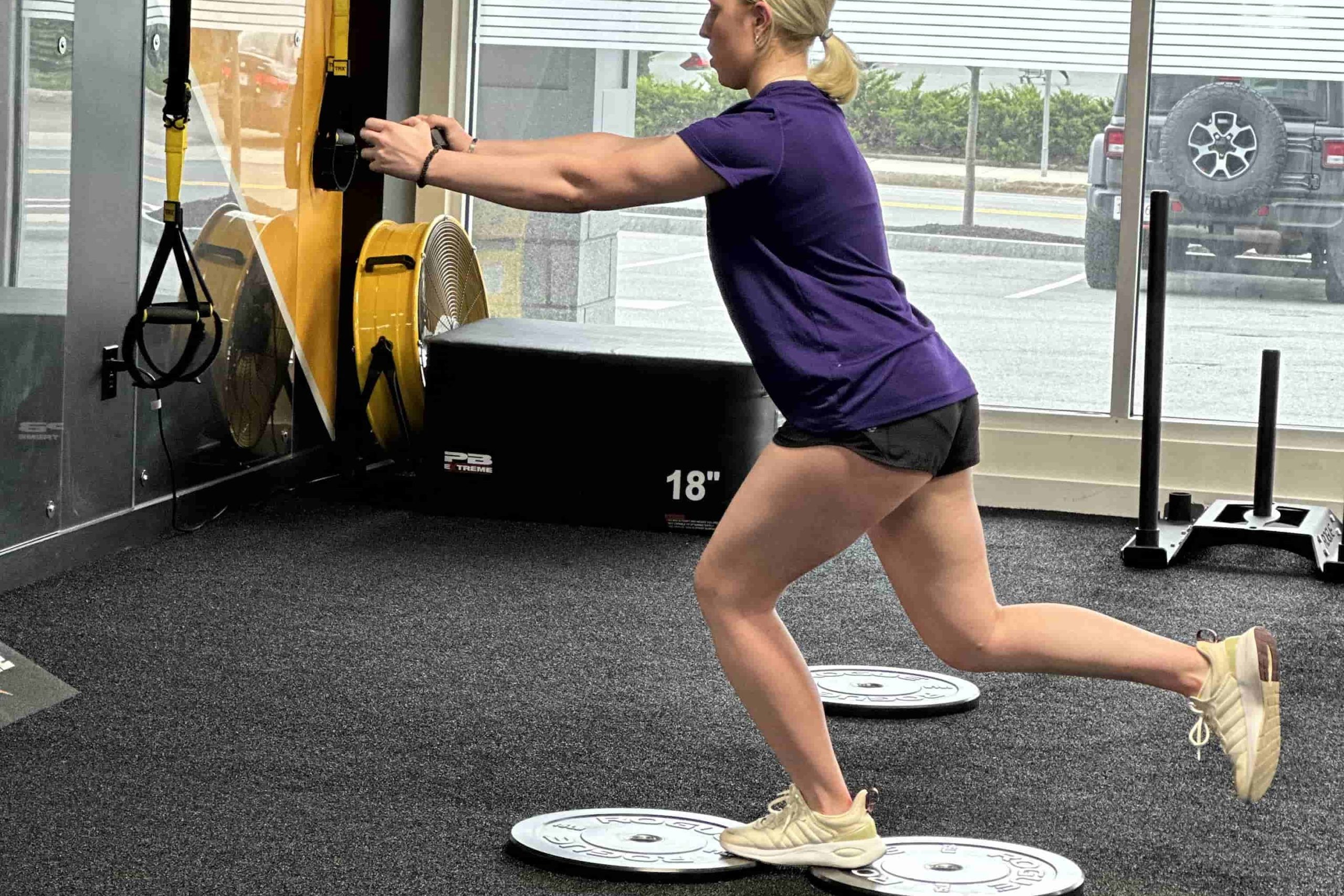
Balance Training is a specialized approach that strengthens stabilizing muscles, enhances coordination, and reduces fall risks, ultimately improving posture and promoting confident movement.
-
Certified Manual Therapy
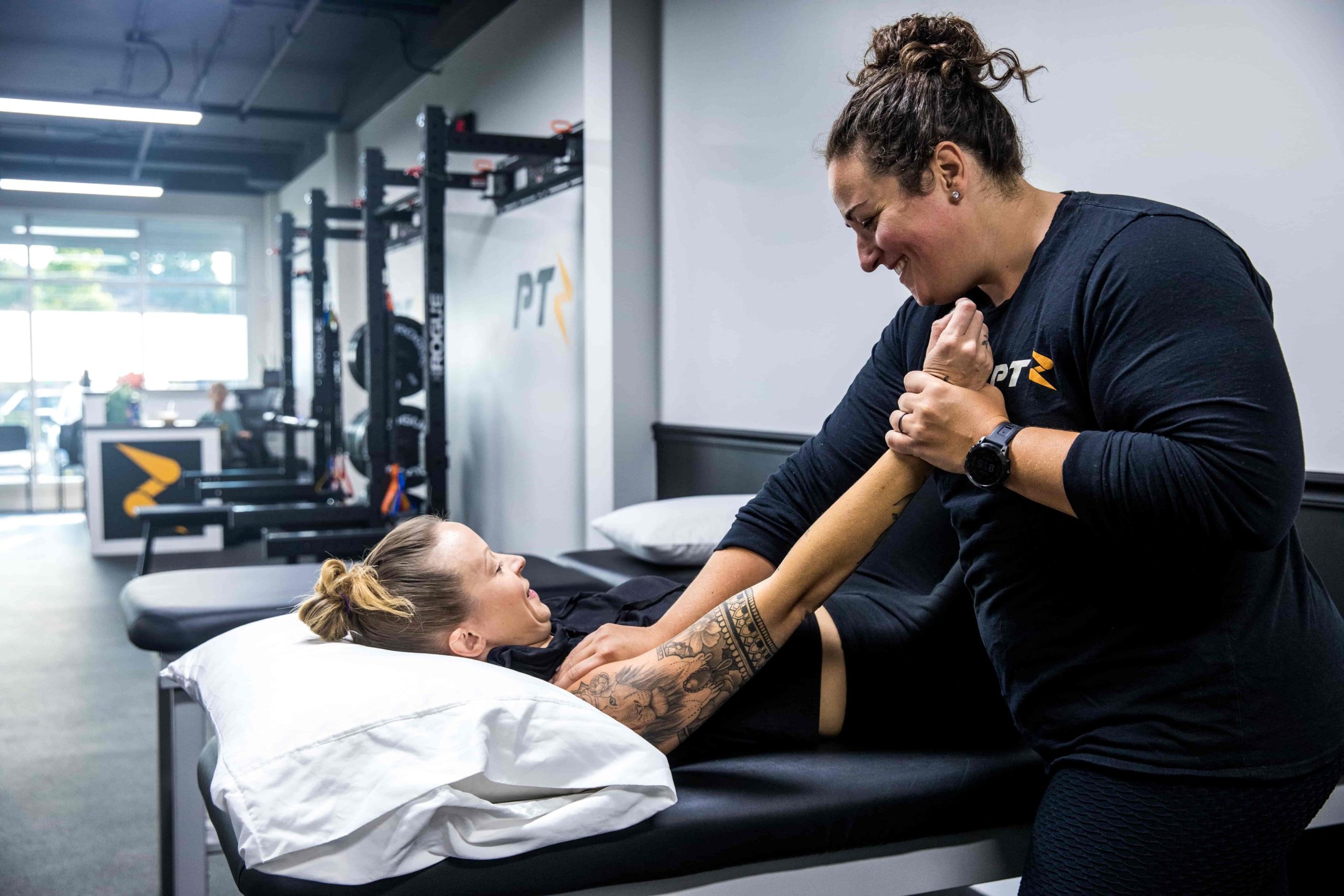
Certified Manual Therapy is a hands-on approach that addresses joint, muscle, and connective tissue dysfunction, reducing pain, improving alignment, and promoting faster, more efficient recovery.
-
Cupping
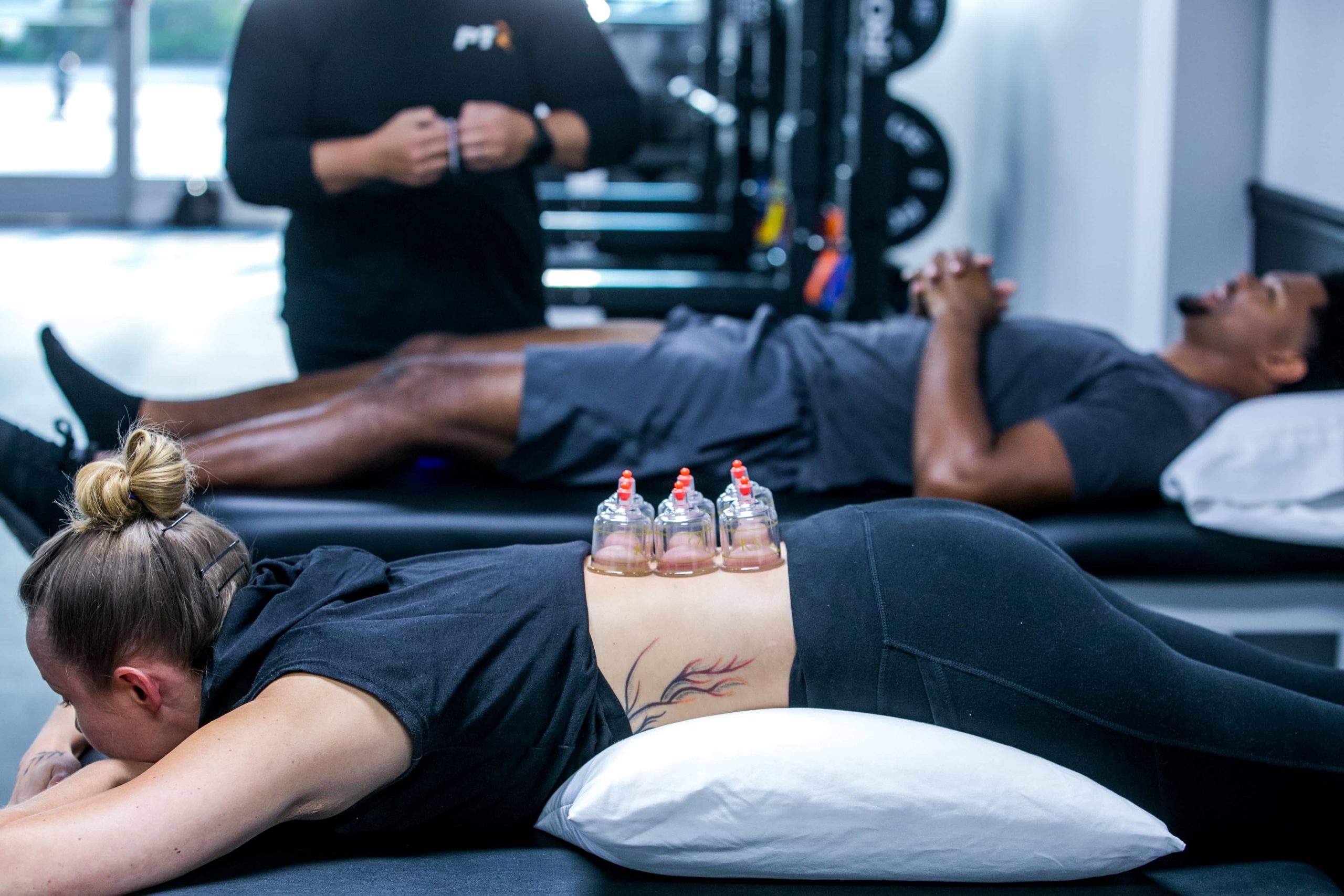
Cupping therapy is an ancient healing technique that uses suction to enhance circulation, relieve muscle tension, and promote the body’s natural recovery process.
-
Dry Needling
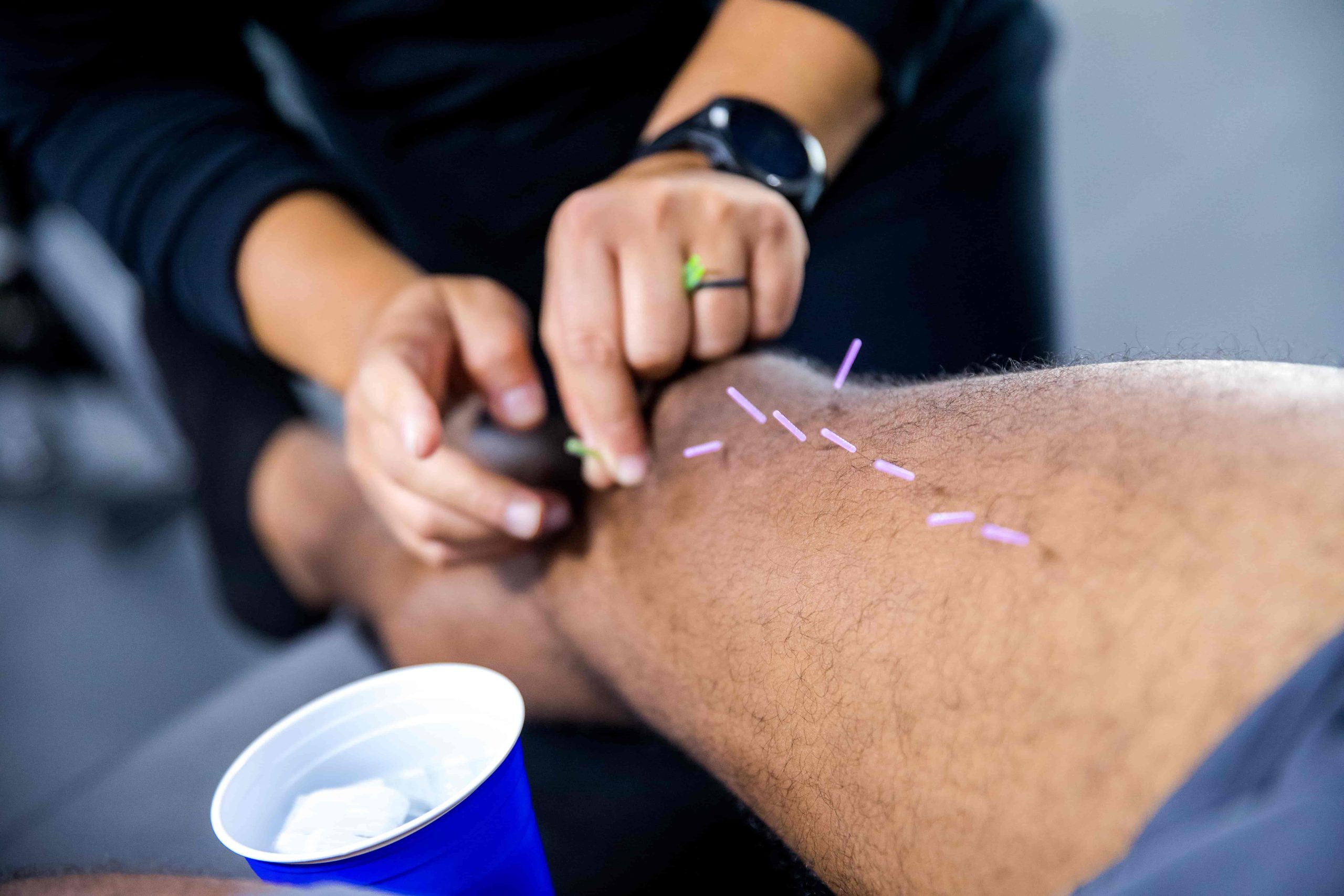
Dry needling is a modern therapy that targets muscle trigger points with thin needles to relieve pain, reduce tension, and restore mobility.
-
Gait Training
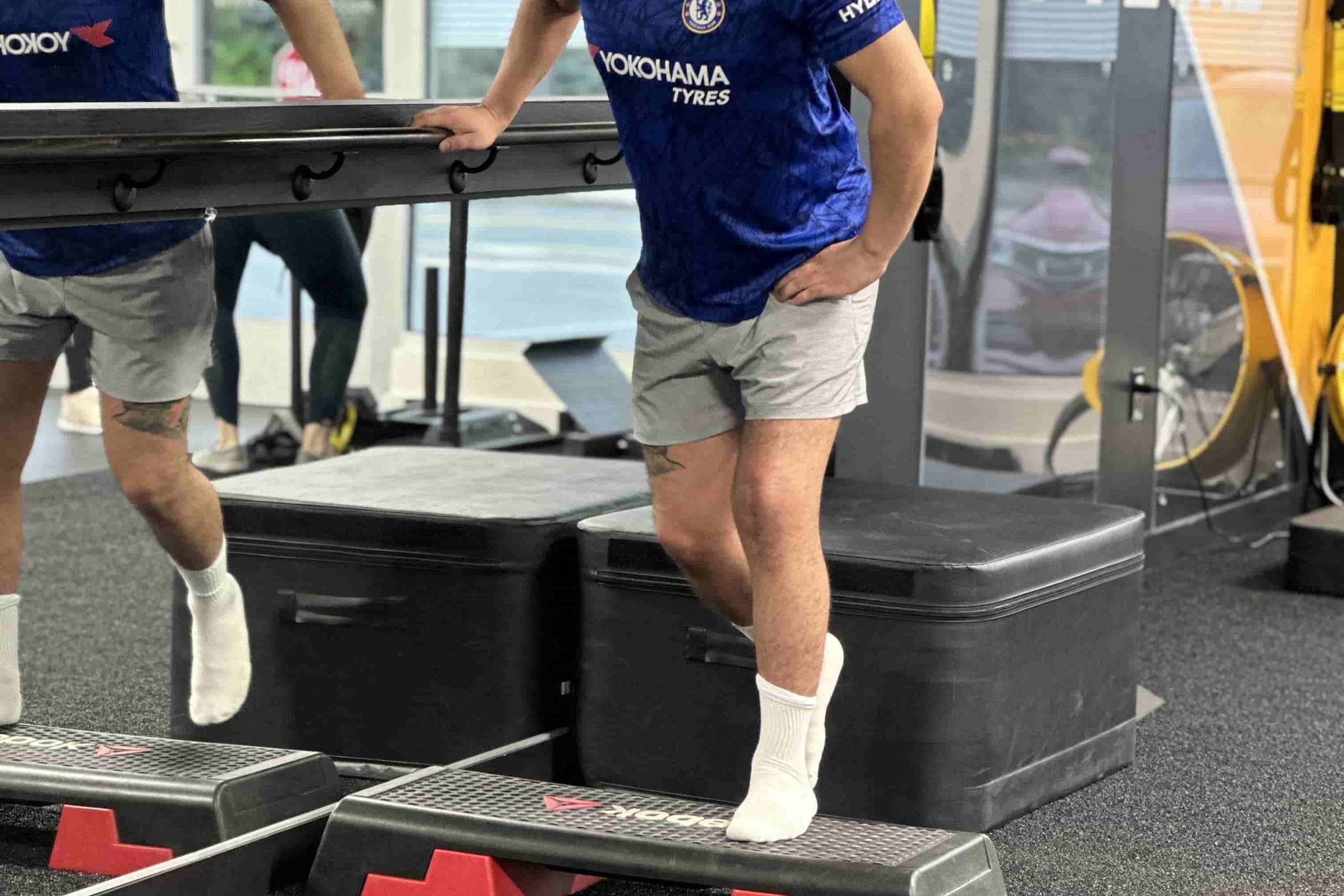
Gait Training is a specialized approach that enhances walking mechanics, improves lower-limb strength, and reduces re-injury risks, ultimately promoting more efficient movement.
-
Graston Technique
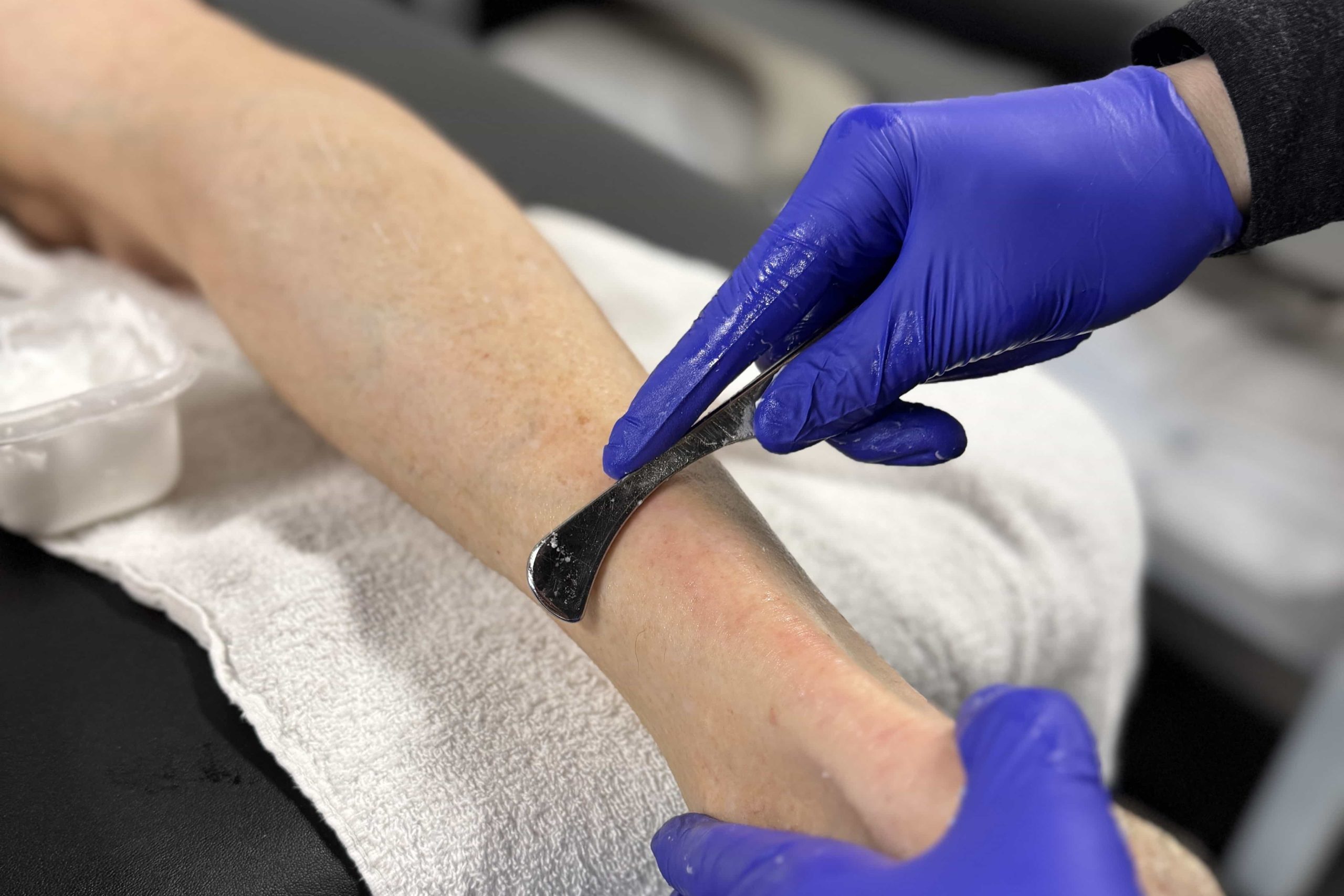
Graston Technique is a specialized manual therapy that uses stainless steel instruments to break down scar tissue, improve mobility, and accelerate healing.
-
Kinesiotaping
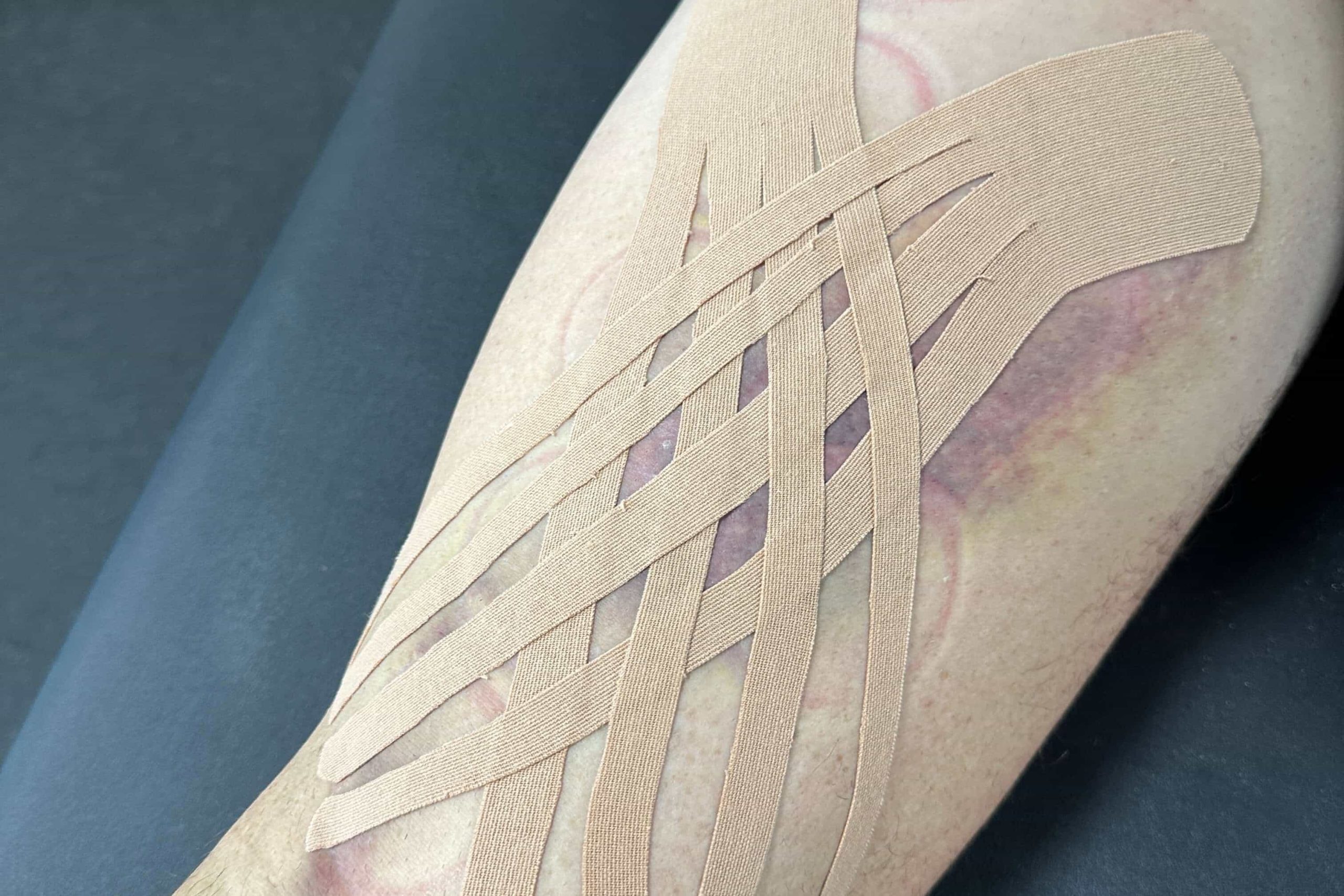
Kinesiotaping is a flexible taping method that provides gentle support, improves circulation, and helps maintain natural movement for a more comfortable and effective recovery.
-
Manual Traction
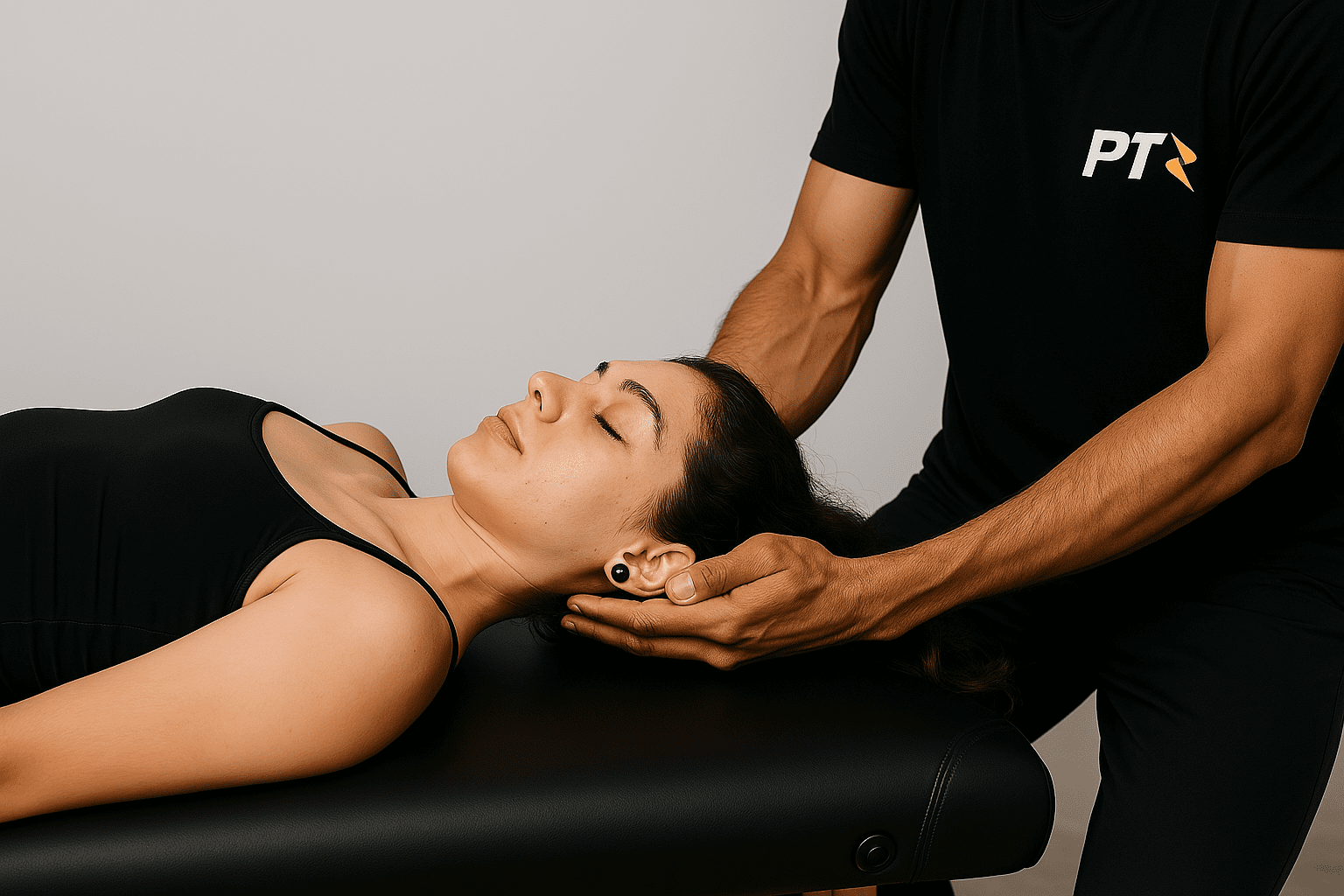
Manual Traction is a gentle, hands-on method used to decompress the spine, relieve pressure on discs and nerves, and improve overall comfort and mobility.
-
Post-Surgical Rehab
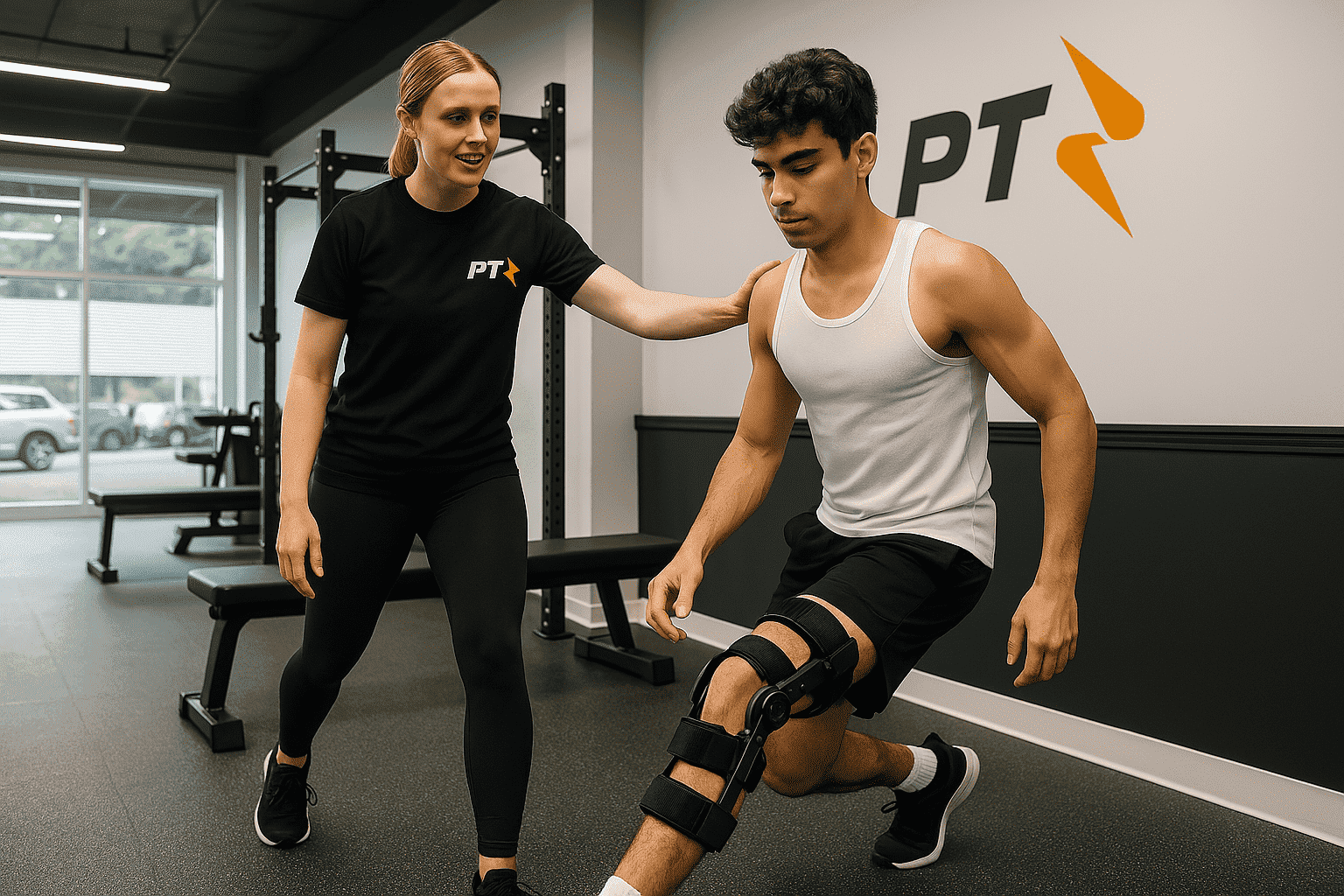
Post-Surgical Rehab is a structured recovery process designed to restore mobility, manage pain, and rebuild strength after surgery, ensuring a safer and faster return to your everyday activities or sports.
-
Physical Therapy for Weightlifters & CrossFit
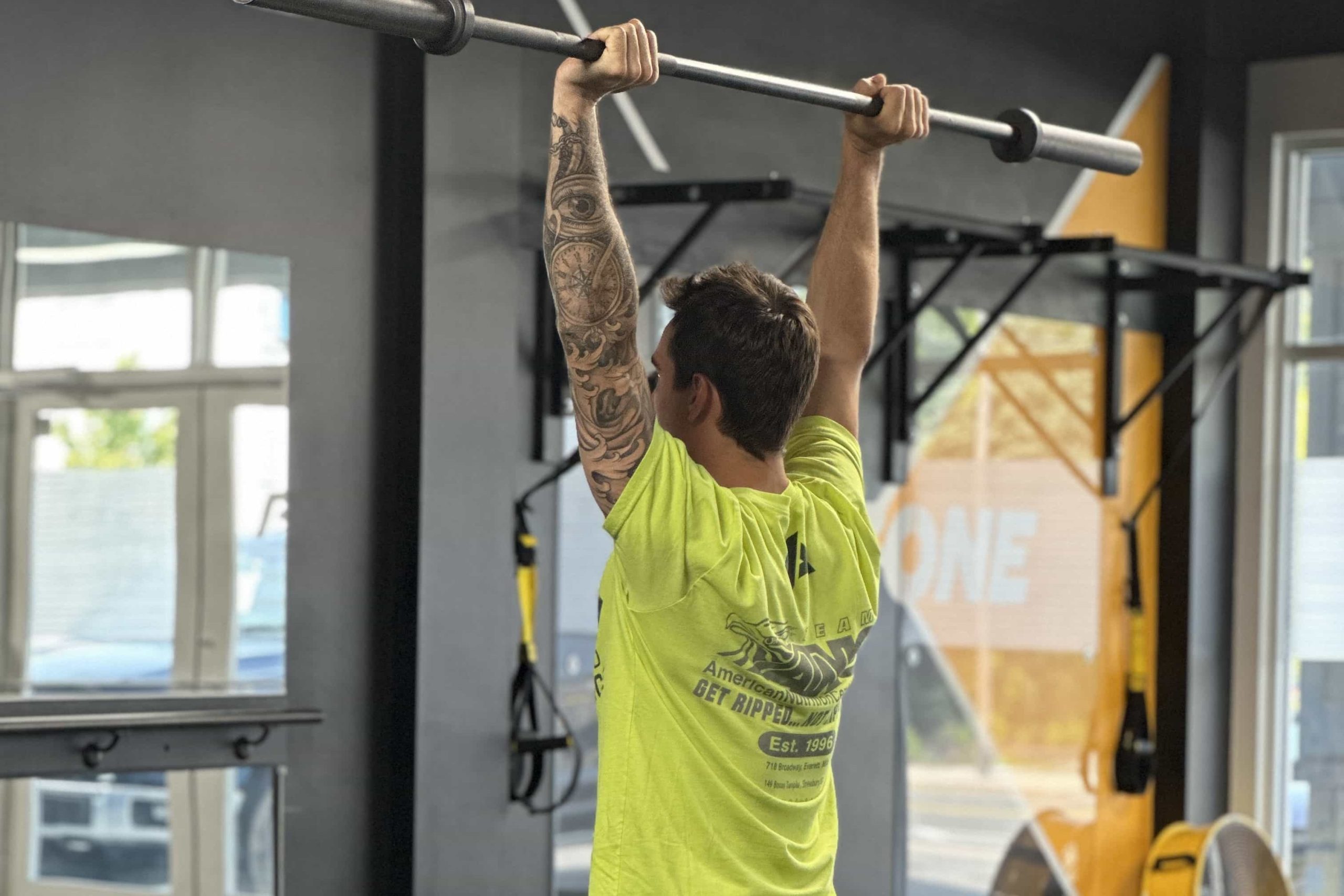
Physical Therapy for Weightlifters & CrossFit focuses on proper lifting mechanics, correcting muscle imbalances, and managing stress on joints to prevent pain, accelerate recovery, and enhance overall strength gains.
-
Physical Therapy For Runners
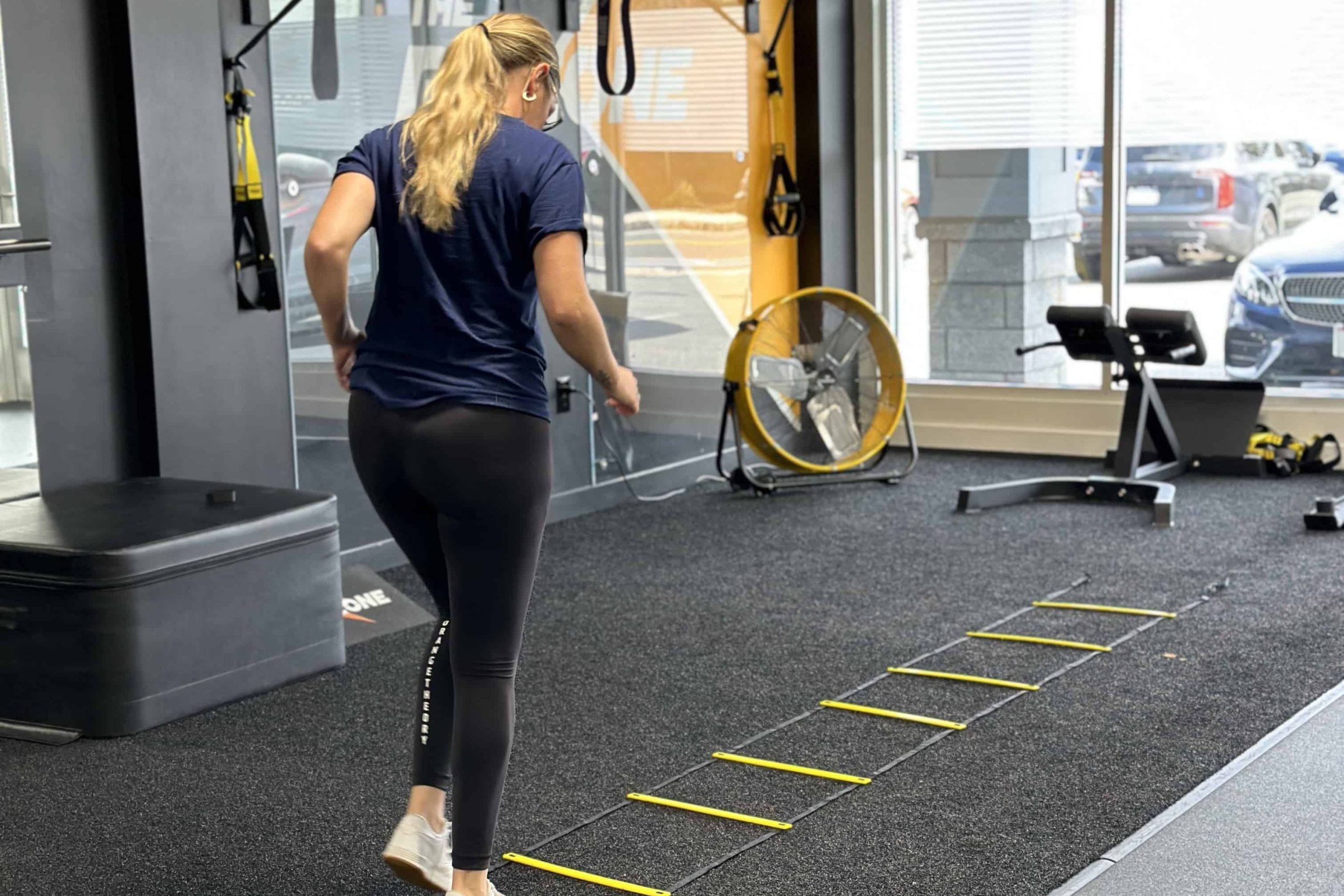
Physical Therapy for Runners focuses on refining running form, addressing muscle imbalances, and enhancing lower-limb stability to prevent injuries and boost performance.
-
Neuromuscular Massage Therapy
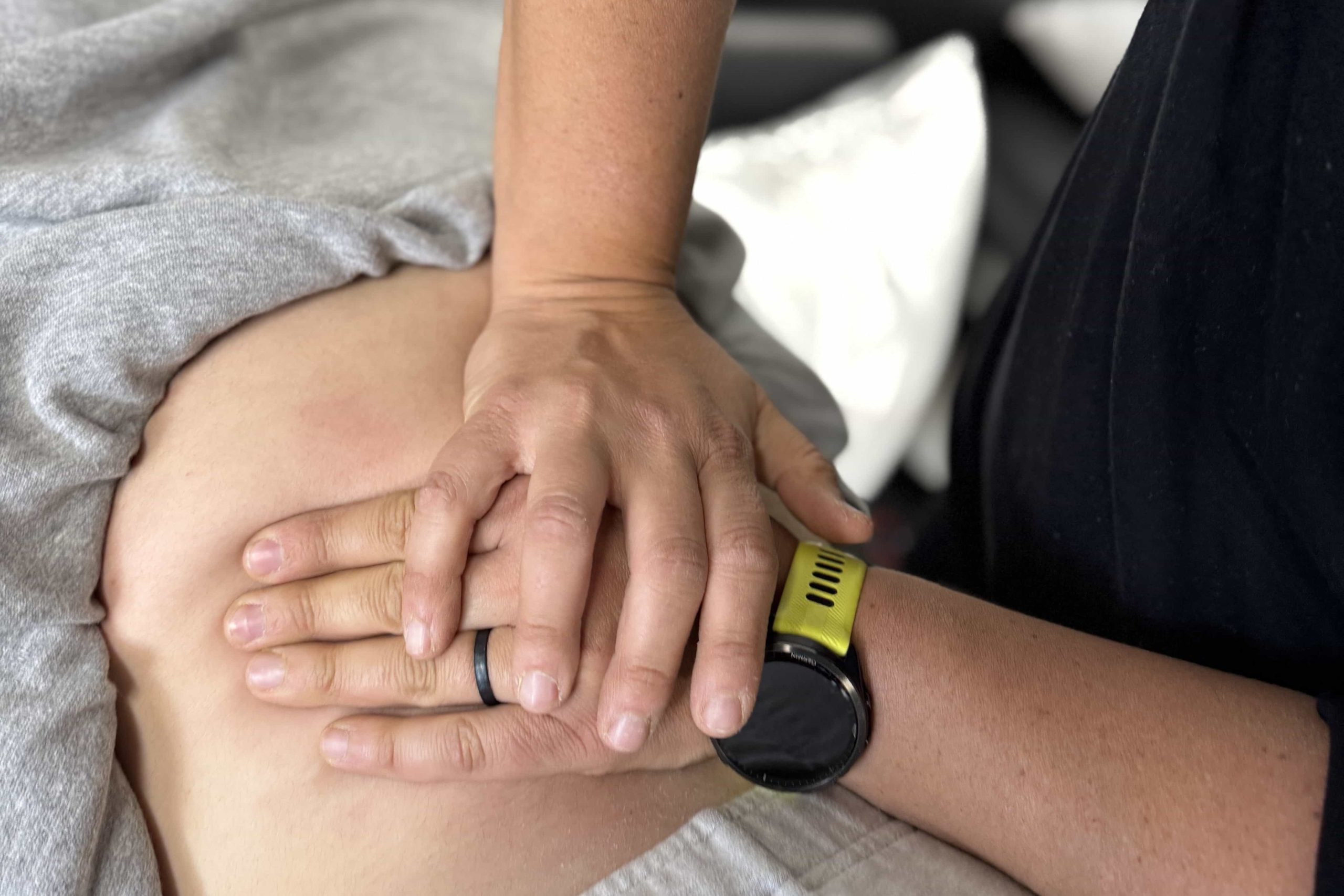
Neuromuscular Massage Therapy (NMT) precisely targets trigger points in muscles and connective tissues, relieving tension, restoring proper function, and promoting long-term pain relief.

At The PT Zone, we’re committed to helping you achieve long-term relief and restore your ability to move freely and without pain.
Our all-encompassing approach addresses not only the site of the strain but also the movement patterns and lifestyle factors that contribute to muscle injury. With personalized care, we aim to get you back to your favorite activities stronger than ever.
Common Questions from Muscle Strain Clients
1. How do I know if I have a muscle strain vs. a more severe tear?
A mild strain often presents with soreness, tightness, and some difficulty moving the affected muscle, while a more severe tear can involve intense pain, swelling, bruising, or even a noticeable gap in the muscle. It’s best to consult a healthcare provider or physical therapist for a proper evaluation. Imaging like an MRI can confirm severe cases, but many strains are diagnosed through clinical assessment and movement testing.
2. Can I continue to exercise with a strained muscle?
That depends on the severity of the strain. A mild strain might allow for modified exercises that don’t aggravate the injury. More significant strains typically require a period of rest and gradual reintroduction of activities. Your physical therapist will design a customized exercise plan that protects the strained muscle while encouraging healthy circulation and preventing overall deconditioning.
3. What is the typical recovery time for a muscle strain?
Recovery can range from a couple of weeks for mild strains to several months for more severe injuries or complete tears. Factors like your age, overall health, and adherence to a rehab program can influence how quickly you heal. Consistency with therapy exercises and gradual progression are key elements in returning to full function safely and effectively.
4. Should I use ice or heat on a strained muscle?
During the early stages, applying ice can help reduce swelling, inflammation, and pain. As the injury moves into subacute or chronic phases, heat can assist with increasing blood flow and promoting tissue flexibility. Some individuals benefit from alternating cold and heat. Your therapist can recommend the most effective approach based on the injury’s stage and your specific symptoms.
5. How can I prevent re-injuring my muscle once it heals?
A proactive approach that includes strength training, proper warm-ups, and flexibility exercises is vital. Learning correct movement patterns and maintaining balanced muscle development can reduce the strain on any single muscle. Additionally, pacing your return to intense activities—rather than diving in full force—helps tissues adapt gradually to higher demands. Your physical therapist will outline strategies tailored to your needs, from targeted strengthening to postural guidance.
6. Is physical therapy necessary for all muscle strains?
While mild strains may improve with basic rest and self-care, physical therapy accelerates recovery and ensures you rebuild strength and flexibility optimally. Without proper rehab, there’s a higher risk of incomplete healing or re-injury. Engaging with a therapist can help you address underlying issues like poor form, muscle imbalances, or posture problems that contributed to the strain in the first place.
7. When should I seek professional help for a muscle strain?
If pain persists beyond a week or two, worsens with activity, or is accompanied by significant swelling or bruising, a professional evaluation is recommended. Additionally, if you notice any deformity, weakness, or difficulty performing normal tasks, it’s best to consult a medical or rehabilitation specialist promptly. Early intervention can reduce recovery time and improve overall outcomes.