
Are you experiencing sudden, involuntary muscle tightening that interrupts your daily routine? Muscle spasms can strike at any time—whether you’re in the middle of a workout or simply going about everyday tasks. At The PT Zone, we offer specialized solutions to help reduce the frequency and intensity of muscle spasms, and ultimately restore comfortable, fluid movement.
- Relieve tension and tightness within affected muscles
- Improve circulation to support muscle relaxation
- Restore normal movement patterns and reduce pain
- Prevent reoccurring spasms through targeted strengthening
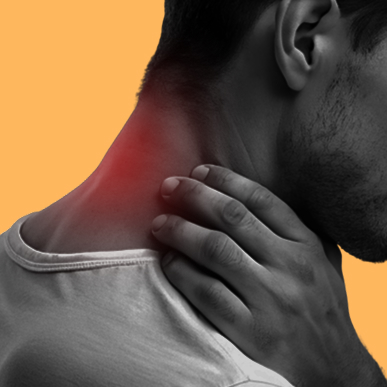
Calm Your Muscles and Move with Ease
Muscle spasms can be as fleeting as a quick, sharp contraction or last far longer, creating persistent stiffness and pain. Commonly triggered by sudden overuse, dehydration, electrolyte imbalances, or poor posture, these involuntary contractions can hinder everyday activities—from walking or lifting objects to maintaining proper sitting positions. At The PT Zone, we recognize that each episode of muscle spasms comes with its own set of contributing factors. Our goal is to identify and address the root causes behind these unsettling contractions, ensuring a more effective and lasting solution than relying on temporary fixes or painkillers.
Our first step is a thorough assessment, which may involve analyzing your posture, testing muscle strength and flexibility, and reviewing your daily habits—such as hydration, nutrition, and ergonomic setups. Armed with these insights, we craft a customized plan that may include manual therapy techniques like gentle soft tissue mobilization or trigger point release to relieve tension. We also use targeted exercises to improve muscle coordination and restore normal movement patterns, helping diminish the likelihood of recurring spasms. By focusing on both immediate relief and the long-term health of your muscles, we address not only the visible symptoms but also any deeper dysfunctions that set the stage for chronic tightness.
As your treatment progresses, we introduce a range of strategies to help prevent muscle spasms from returning. These may include flexibility routines, strengthening exercises for the core and other supporting muscle groups, and practical advice on maintaining proper alignment during daily tasks. In many cases, we also discuss lifestyle factors—like staying adequately hydrated and balancing your intake of electrolytes—to reduce internal triggers that can spark muscle contractions.
Whether your spasms are localized to a single muscle group or popping up in various areas, our evidence-based approach helps create a more resilient and adaptable musculoskeletal system. By combining guided exercises, hands-on interventions, and education on best practices, we empower you to manage or even prevent future episodes. Ultimately, we want you to move confidently and comfortably, free from the worry that a painful spasm could strike when you least expect it.
Our Therapies for Muscle Spasms:
Explore our specialized services below, designed to relieve muscle tension and equip you with the knowledge to prevent future spasms.
-
Balance Training
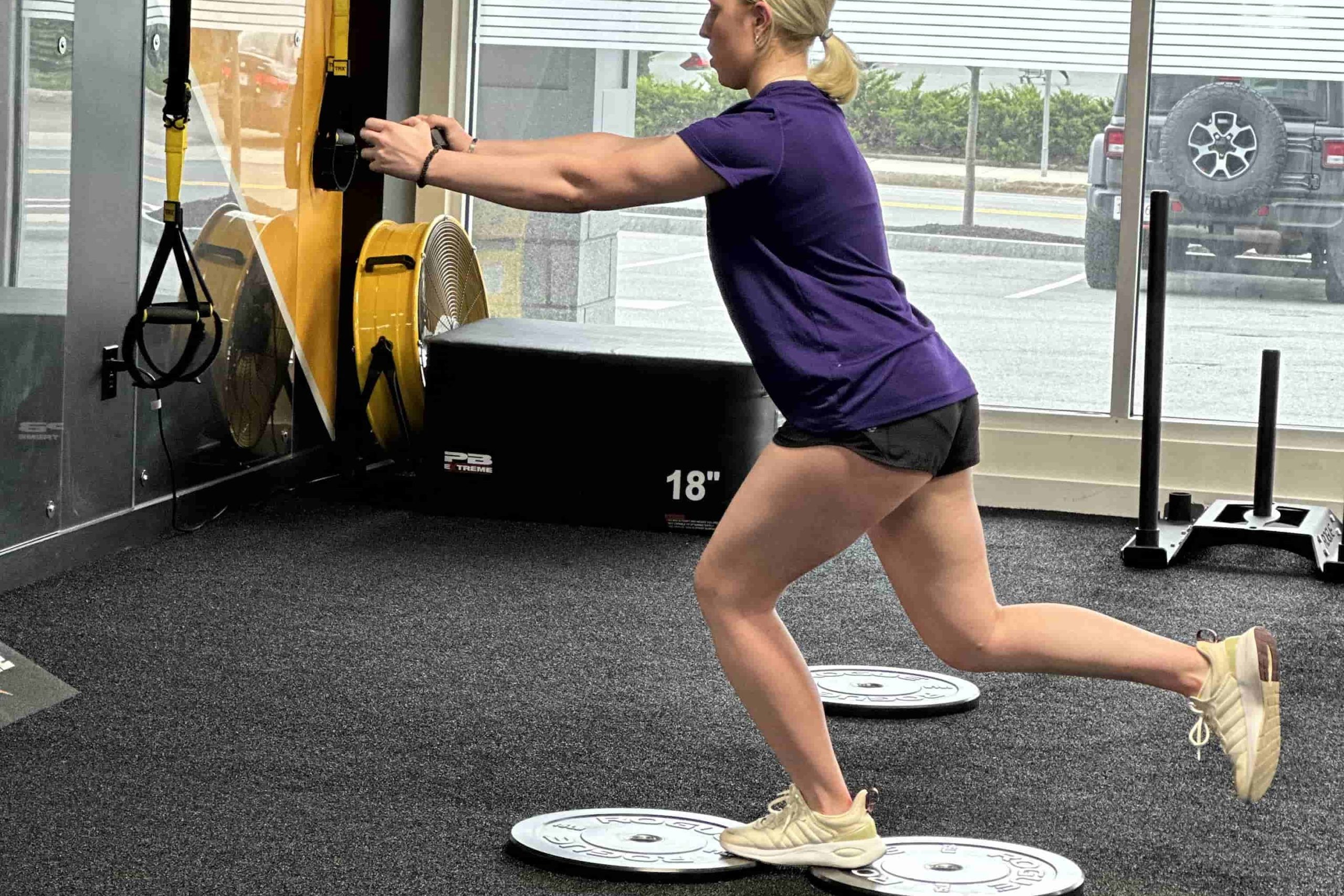
Balance Training is a specialized approach that strengthens stabilizing muscles, enhances coordination, and reduces fall risks, ultimately improving posture and promoting confident movement.
-
Certified Manual Therapy
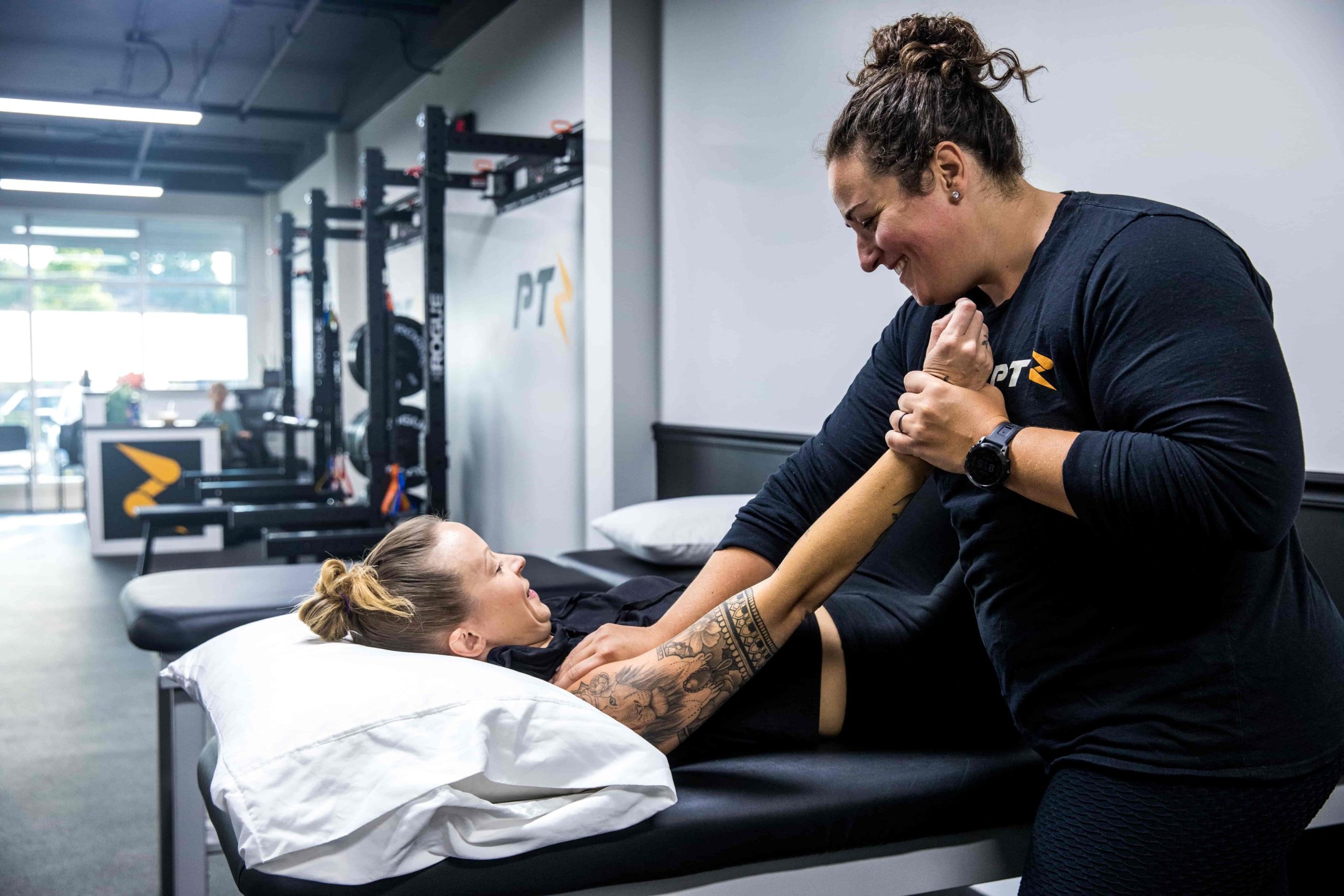
Certified Manual Therapy is a hands-on approach that addresses joint, muscle, and connective tissue dysfunction, reducing pain, improving alignment, and promoting faster, more efficient recovery.
-
Cupping
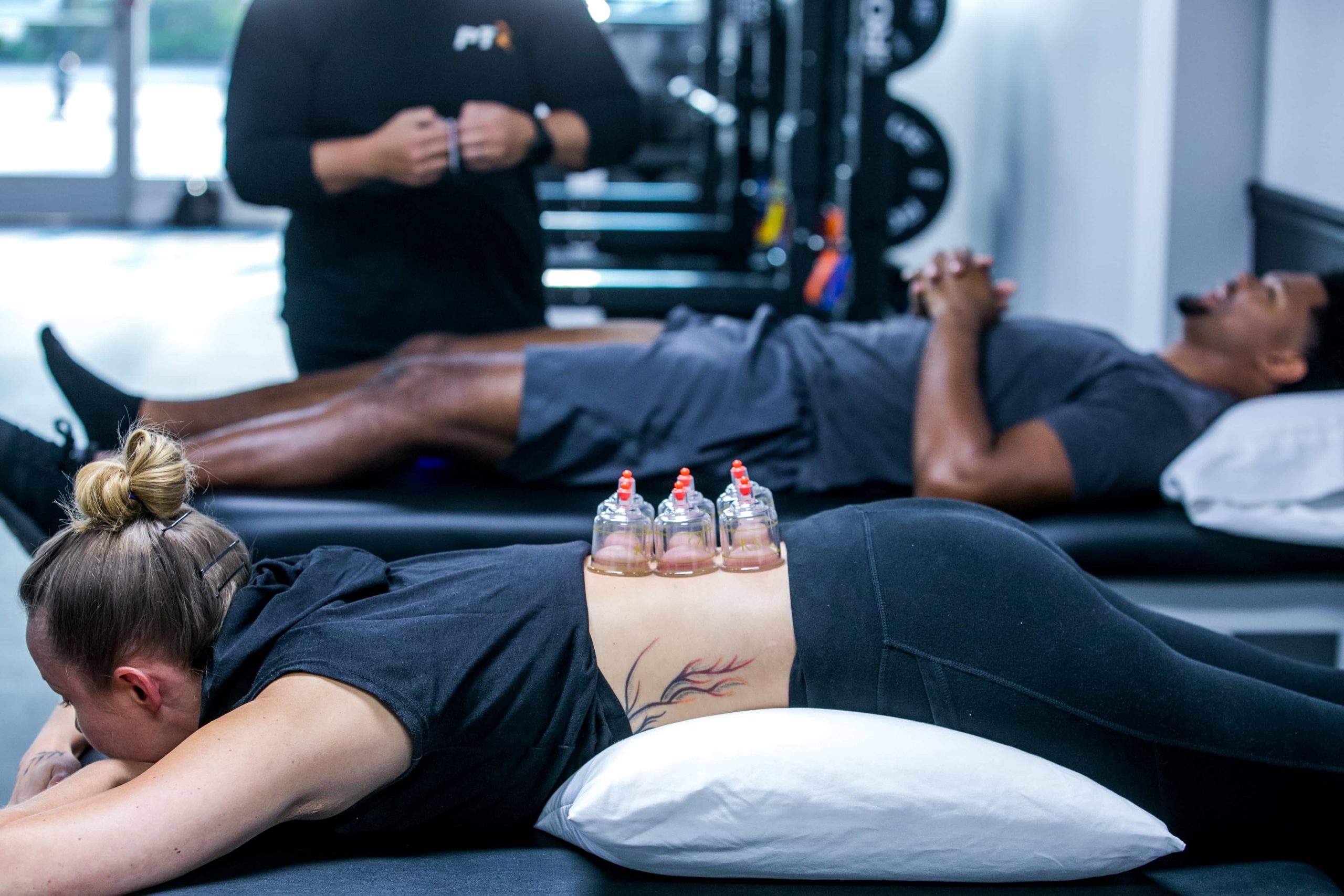
Cupping therapy is an ancient healing technique that uses suction to enhance circulation, relieve muscle tension, and promote the body’s natural recovery process.
-
Dry Needling
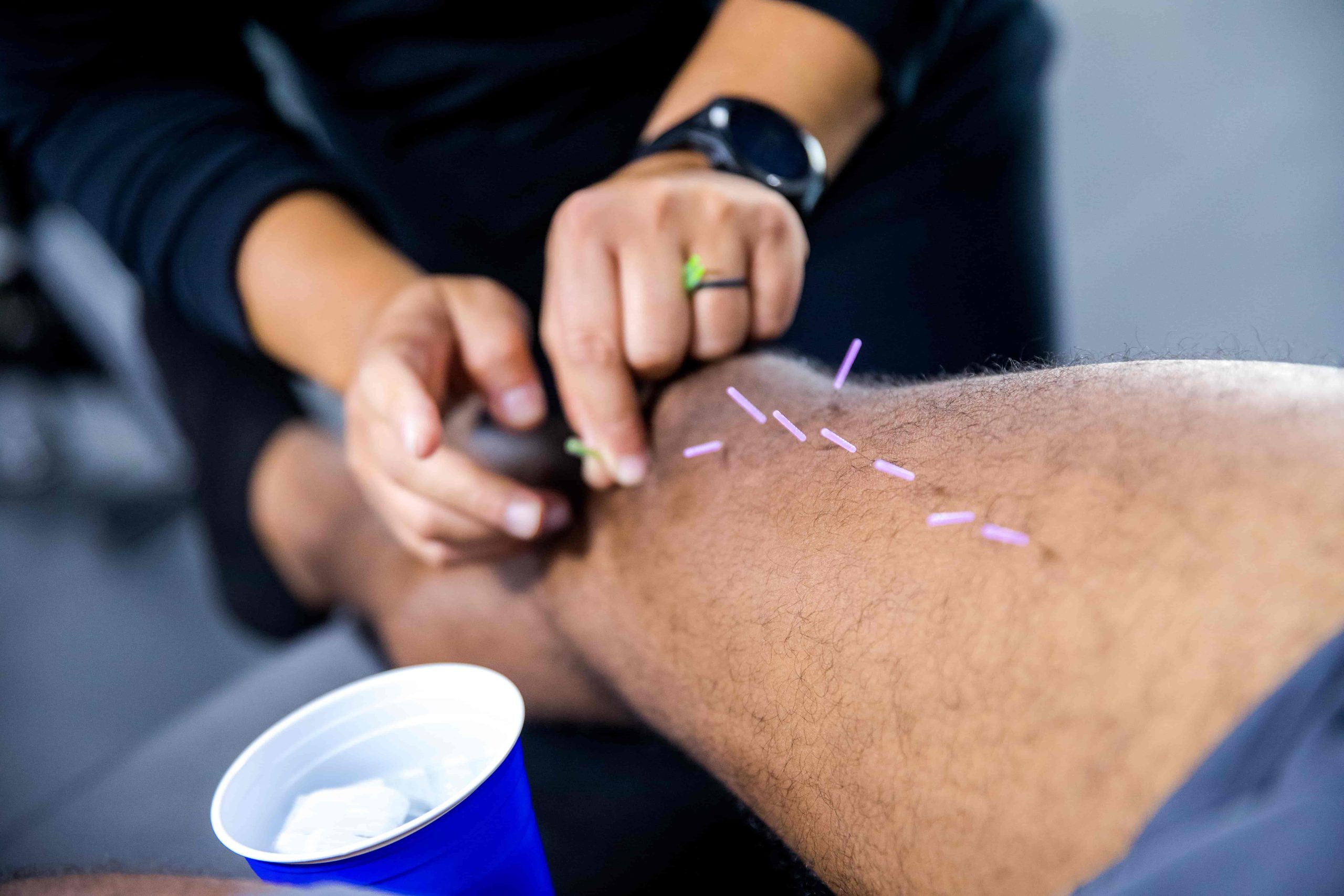
Dry needling is a modern therapy that targets muscle trigger points with thin needles to relieve pain, reduce tension, and restore mobility.
-
Gait Training
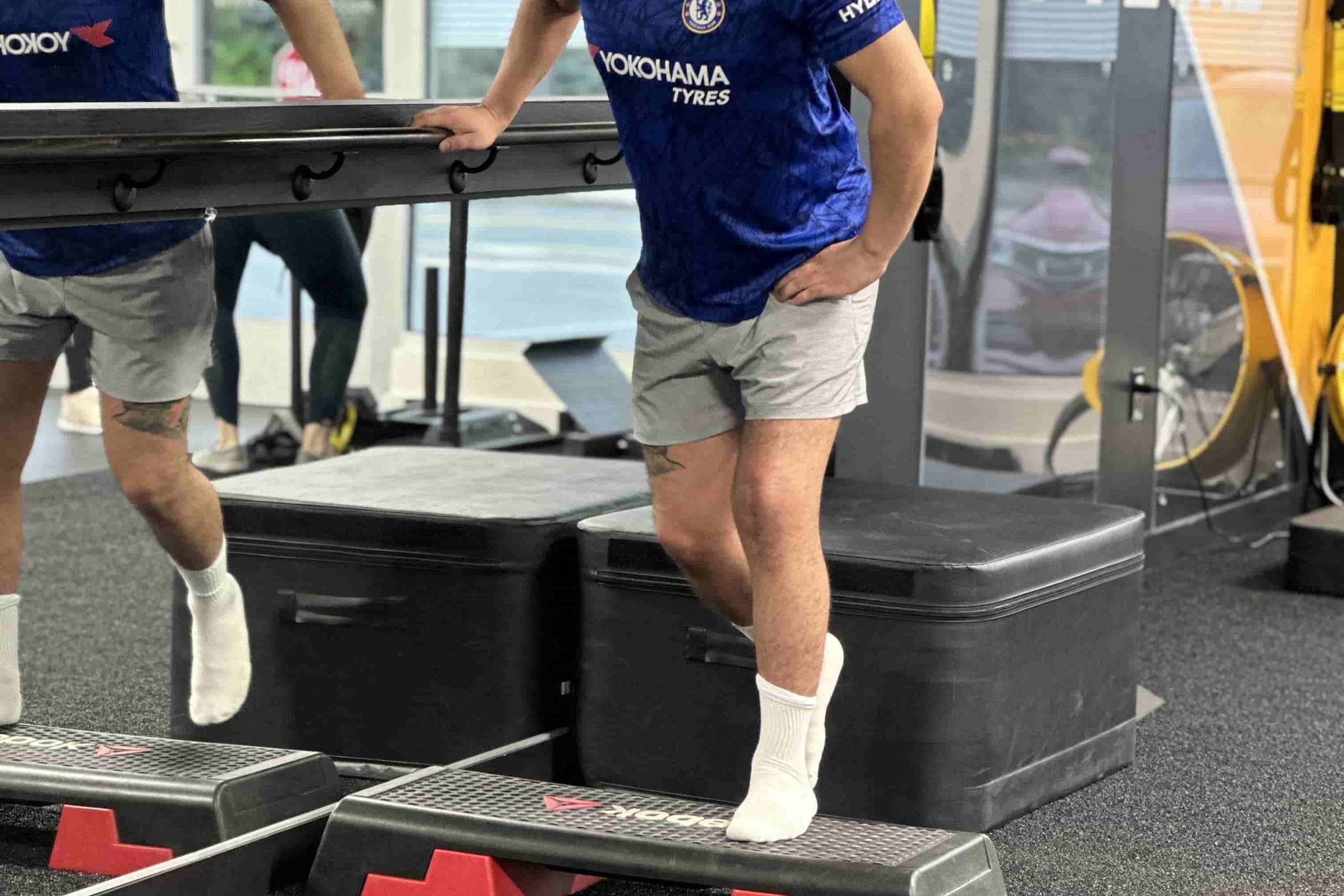
Gait Training is a specialized approach that enhances walking mechanics, improves lower-limb strength, and reduces re-injury risks, ultimately promoting more efficient movement.
-
Graston Technique
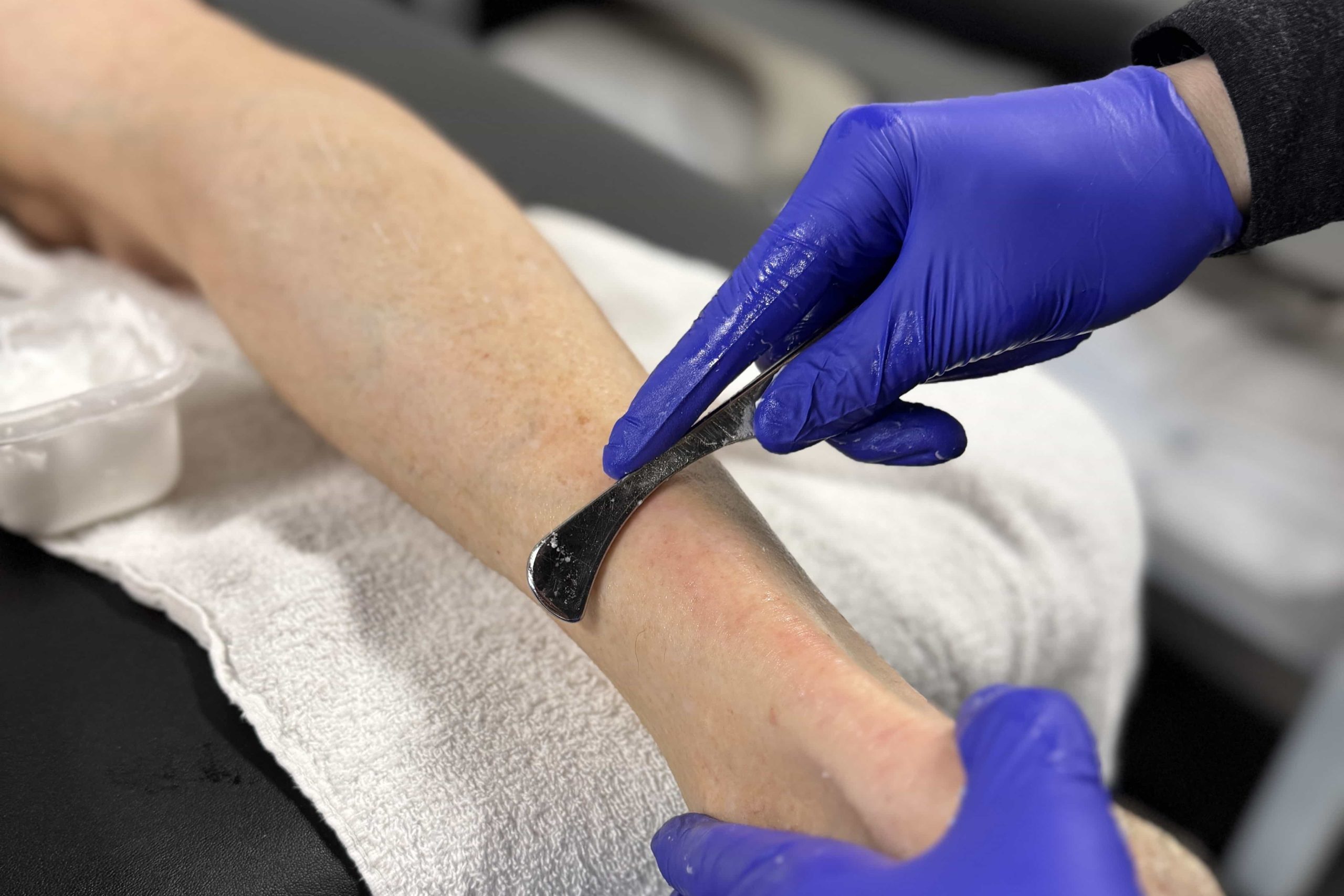
Graston Technique is a specialized manual therapy that uses stainless steel instruments to break down scar tissue, improve mobility, and accelerate healing.
-
Kinesiotaping
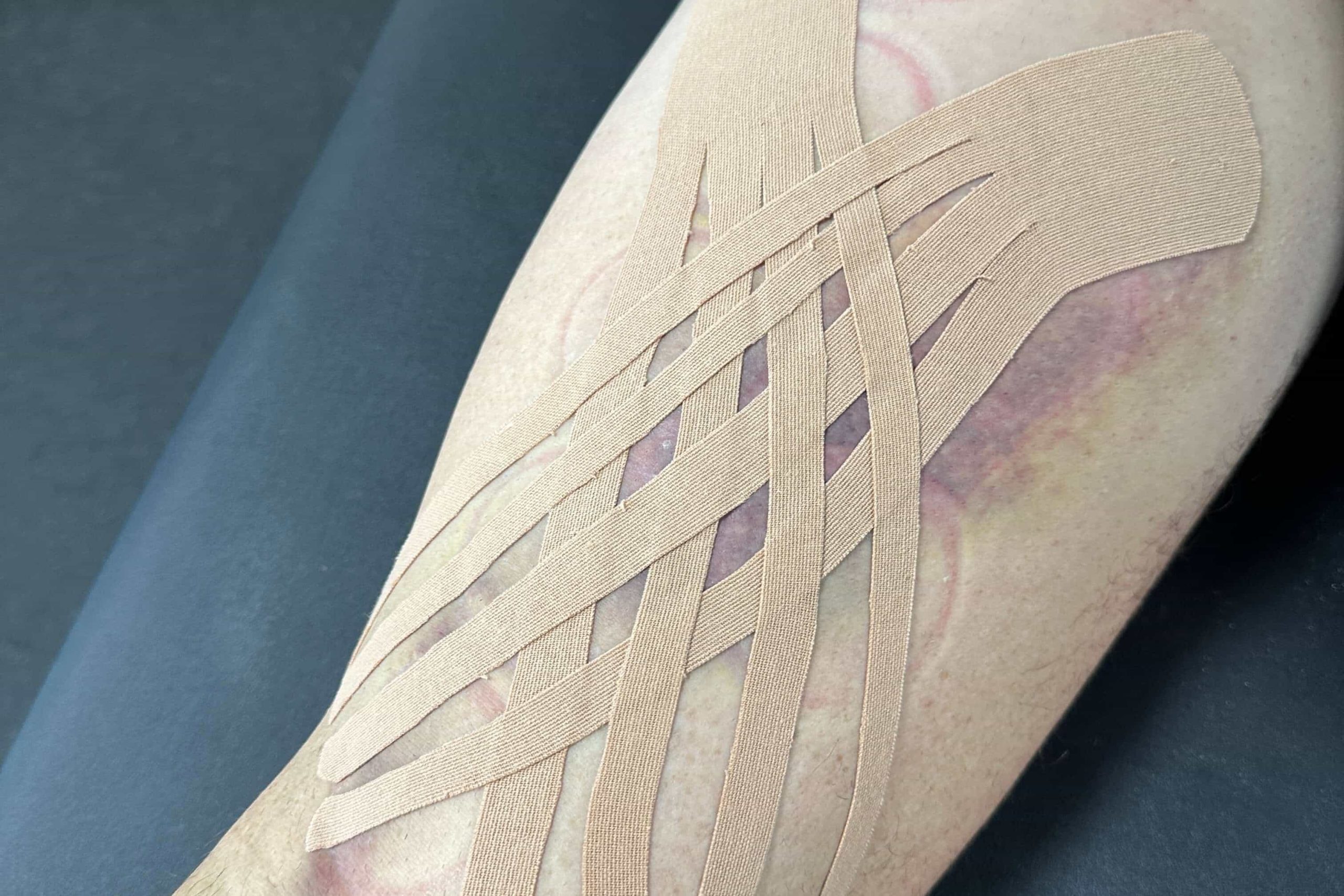
Kinesiotaping is a flexible taping method that provides gentle support, improves circulation, and helps maintain natural movement for a more comfortable and effective recovery.
-
Manual Traction
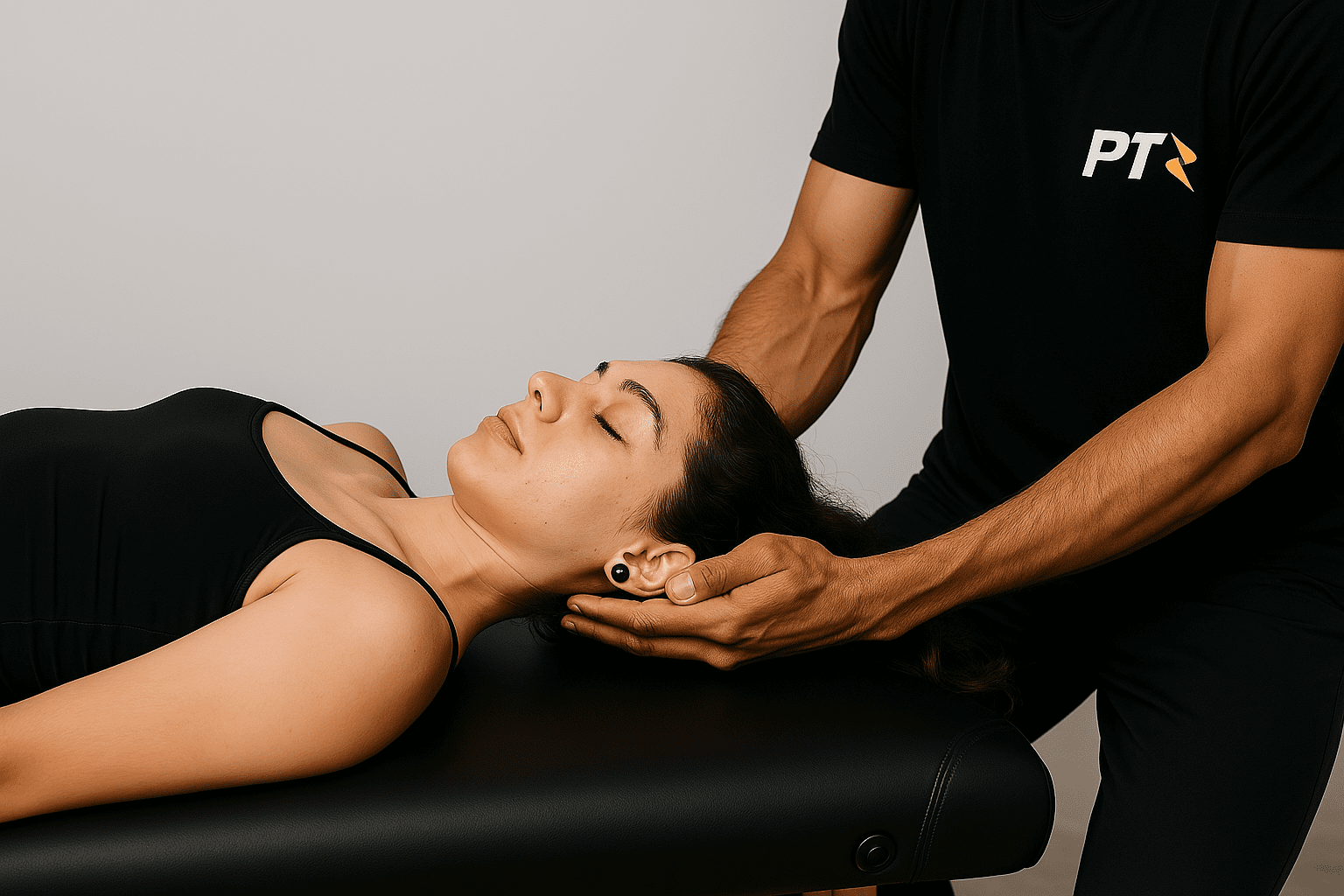
Manual Traction is a gentle, hands-on method used to decompress the spine, relieve pressure on discs and nerves, and improve overall comfort and mobility.
-
Post-Surgical Rehab
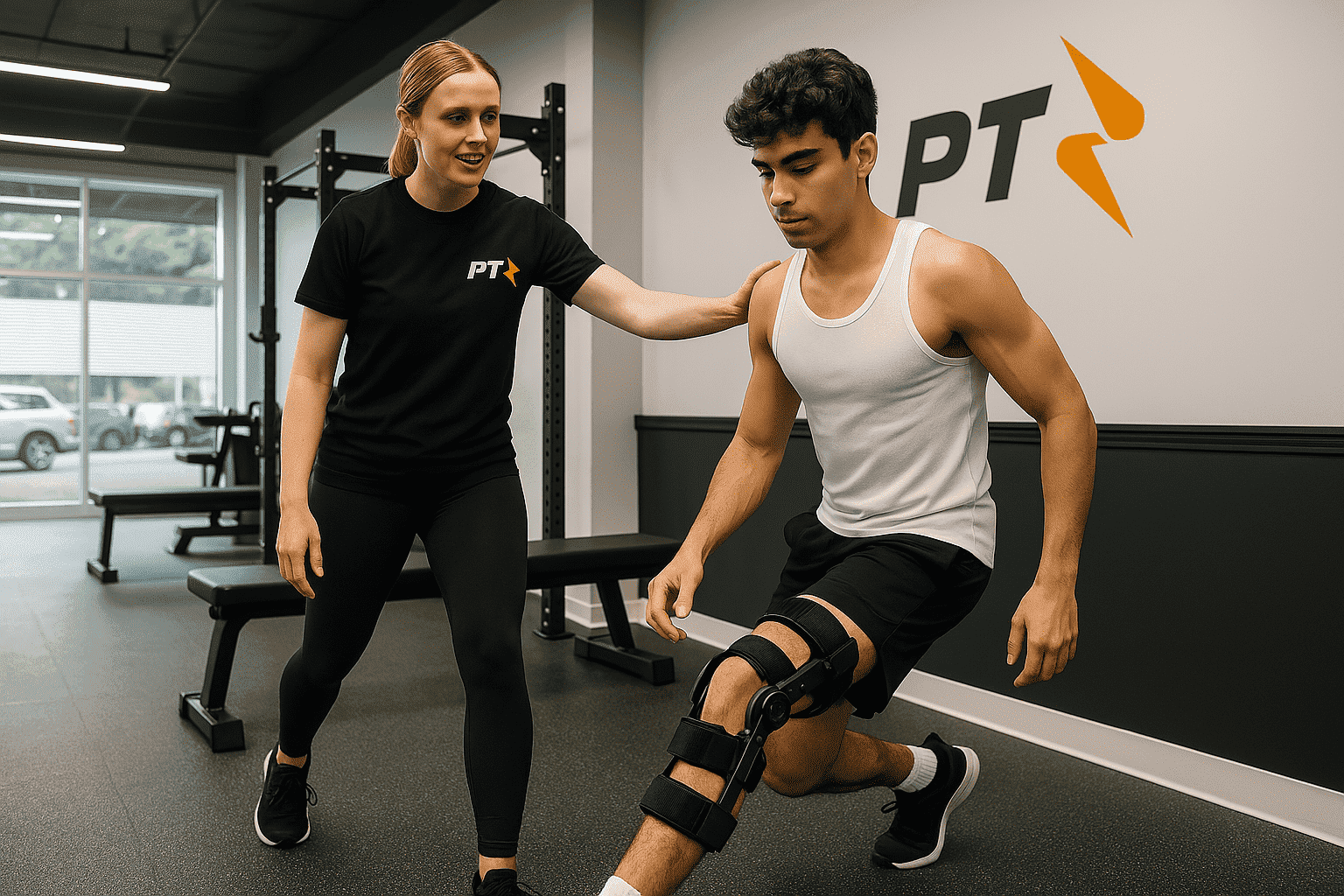
Post-Surgical Rehab is a structured recovery process designed to restore mobility, manage pain, and rebuild strength after surgery, ensuring a safer and faster return to your everyday activities or sports.
-
Physical Therapy for Weightlifters & CrossFit
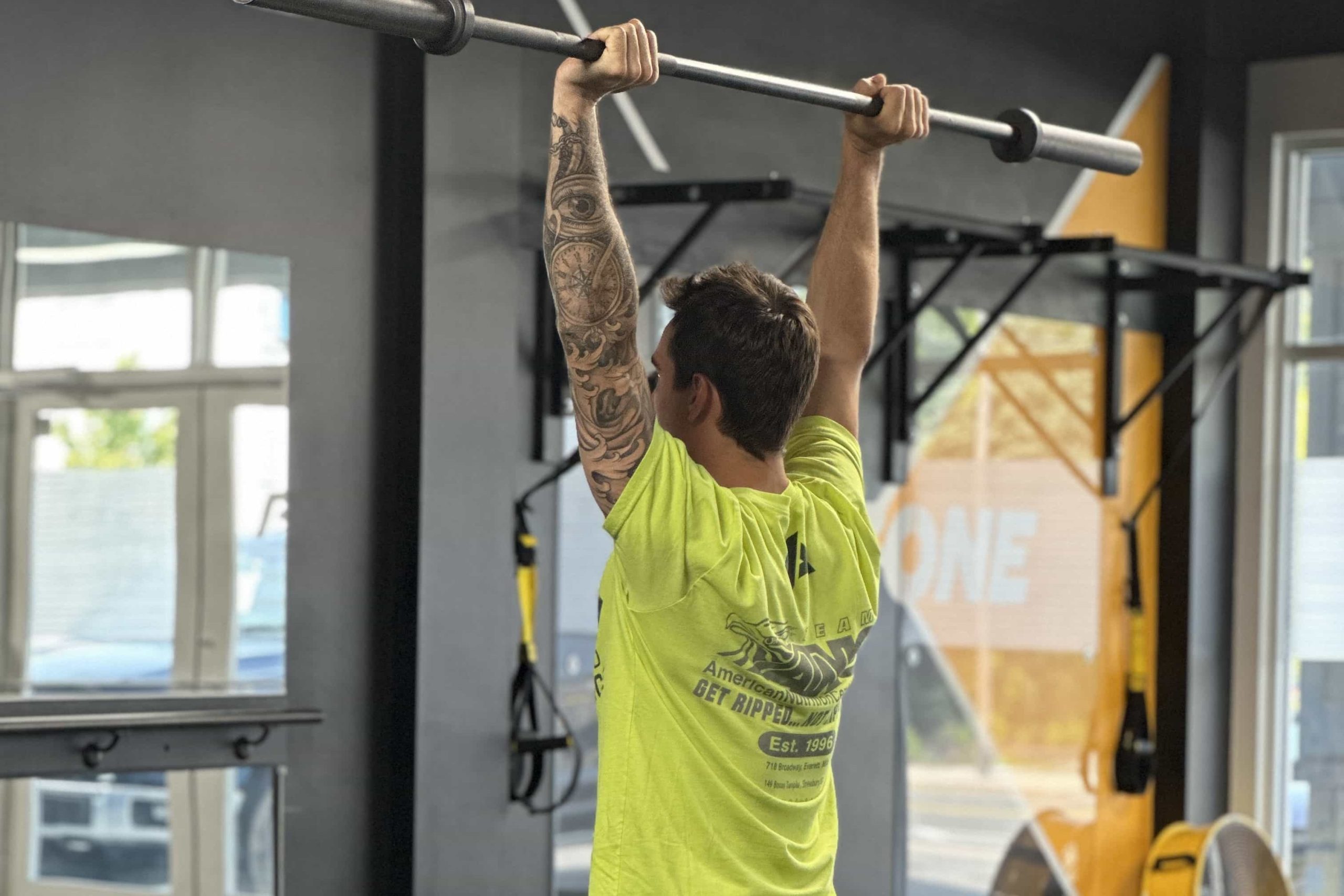
Physical Therapy for Weightlifters & CrossFit focuses on proper lifting mechanics, correcting muscle imbalances, and managing stress on joints to prevent pain, accelerate recovery, and enhance overall strength gains.
-
Physical Therapy For Runners
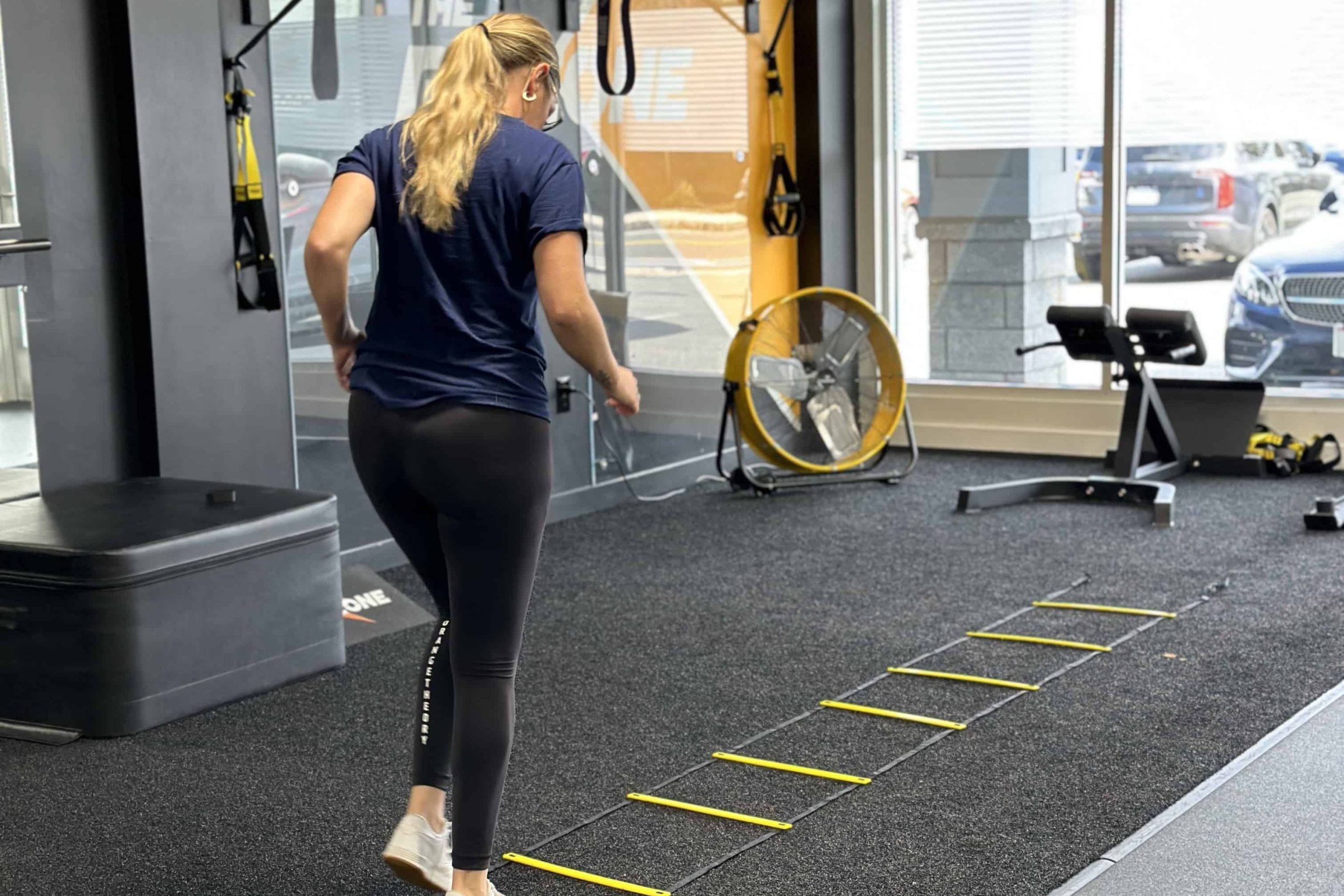
Physical Therapy for Runners focuses on refining running form, addressing muscle imbalances, and enhancing lower-limb stability to prevent injuries and boost performance.
-
Neuromuscular Massage Therapy
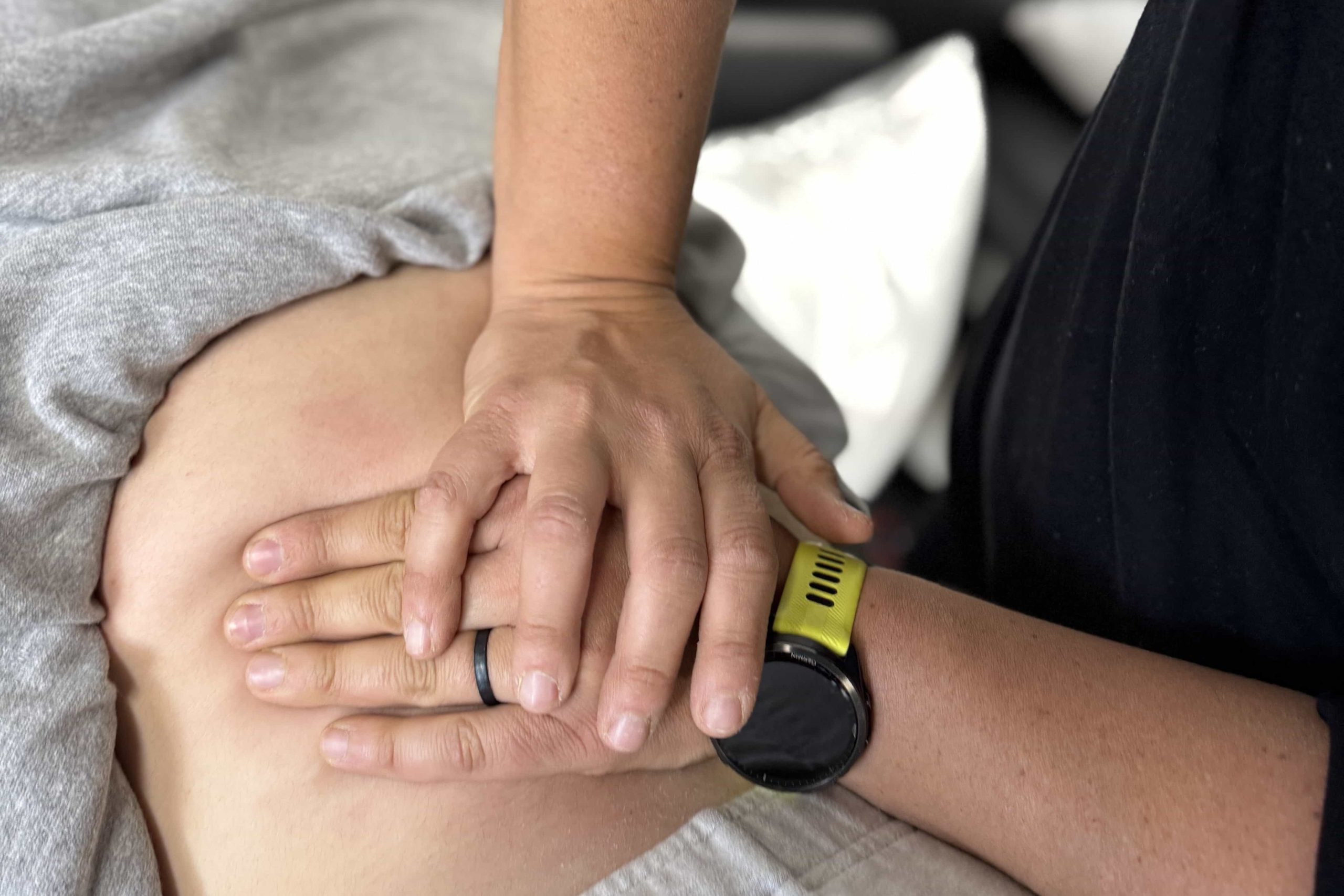
Neuromuscular Massage Therapy (NMT) precisely targets trigger points in muscles and connective tissues, relieving tension, restoring proper function, and promoting long-term pain relief.

At The PT Zone, we’re committed to helping you achieve long-term relief and restore your ability to move freely and without pain.
Whether your muscle spasms are acute and sporadic or chronic and relentless, our individualized approach ensures that every angle is covered—from immediate relief measures to long-term prevention strategies. Let us guide you on the path to calmer, more resilient muscles and a life free from disruptive spasms.
Common Questions from Muscle Spasm Clients
1. What causes muscle spasms?
Muscle spasms can arise from a variety of factors, including electrolyte imbalances (like low potassium or magnesium), dehydration, muscle fatigue, sudden overuse, or poor circulation. Sometimes underlying conditions like nerve irritations, back issues, or chronic stress can contribute to frequent spasms. Identifying and addressing these root causes is essential for meaningful, lasting relief.
2. Are muscle spasms dangerous?
Most spasms themselves are not dangerous but can be extremely painful and disruptive. However, if you’re experiencing severe, persistent spasms or if they’re associated with other symptoms—like swelling, numbness, or a significant reduction in muscle function—it’s vital to seek a professional evaluation. Long-term or severe spasms may indicate an underlying issue that requires targeted treatment.
3. Should I rest or keep moving when a spasm strikes?
It depends on the situation. Gently stretching and massaging the affected muscle often helps release the spasm more quickly than complete rest. Moving cautiously without straining can maintain blood flow and prevent tightness from worsening. However, if the pain is severe, giving the muscle a brief rest or applying a warm compress can also be beneficial. Your physical therapist can show you the best ways to respond during an acute spasm and how to modify activities to prevent recurrence.
4. Can dehydration really cause muscle spasms?
Absolutely. Muscles require balanced electrolytes and proper hydration to contract and relax efficiently. When you’re dehydrated or low in key electrolytes like sodium, potassium, or magnesium, your muscles may become more prone to involuntary contractions. Ensuring you drink enough fluids—especially during intense exercise or in hot climates—can go a long way in preventing these episodes. Your therapist may also suggest dietary changes or supplements if electrolyte imbalances are a concern.
5. Does massage help alleviate muscle spasms?
Massage can indeed offer relief by improving blood circulation, relaxing tight muscle fibers, and helping to flush out irritants that contribute to spasm formation. A physical therapist trained in manual therapy techniques can apply targeted pressure to affected areas, promoting relaxation and reducing pain. However, massage is often most effective when combined with other interventions like stretching, strengthening, and addressing any lifestyle factors that trigger spasms.
6. Can exercises actually prevent muscle spasms from coming back?
Yes. Strengthening and conditioning the muscles can enhance their endurance and flexibility, making them less likely to seize up under stress. By focusing on balanced training, including stretching and strengthening routines, you can address muscular imbalances and tension points that contribute to spasms. A physical therapist will tailor exercises to your specific needs, ensuring a strategic approach that boosts resilience without overworking the muscles.
7. When should I see a professional for muscle spasms?
Occasional mild spasms often respond to rest, gentle stretching, or simple home remedies. However, if spasms become a recurring issue, are extremely painful, or limit your ability to carry out daily tasks, seeking professional help is wise. Physical therapists can identify underlying triggers—like mechanical imbalances, nerve irritations, or nutritional factors—and develop a personalized plan that guides you toward relief and prevention.