
If you’re dealing with persistent knee pain, clicking, or a sensation of locking when you bend or straighten your leg, a meniscus tear may be the cause. At The PT Zone, our focused rehabilitation programs aim to alleviate discomfort, restore knee stability, and get you back to your daily activities free of nagging limitations.
- Reduce inflammation in the knee joint
- Improve range of motion and alleviate catching or locking
- Strengthen surrounding muscles for enhanced knee stability
- Prevent future meniscal injuries through improved mechanics
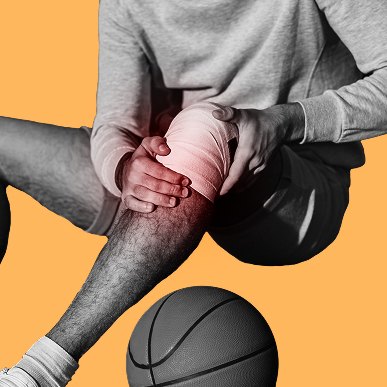
Experience Confident, Pain-Free Knee Movement
The meniscus is a C-shaped piece of cartilage in your knee that helps absorb shock and stabilize the joint. Whether torn during an athletic event, a sudden twisting motion, or gradual wear and tear, a meniscus injury can disrupt your active lifestyle. At The PT Zone, we understand that each meniscal tear is unique, influenced by factors like tear location (outer vs. inner meniscus) and the presence of any underlying knee conditions. That’s why we develop personalized treatment plans that address your individual challenges and goals.
Our approach typically begins by reducing pain and swelling, creating a more comfortable environment for you to regain mobility. Through a combination of hands-on therapy and targeted exercises, we aim to strengthen the muscles surrounding the knee—especially the quadriceps, hamstrings, and hip stabilizers—to take stress off the injured meniscus. By honing proper gait mechanics and knee alignment, we help prevent further aggravation of the tear and promote a smoother, more natural leg motion.
As you progress, we introduce specialized drills and functional movements that prepare you for real-world activities—whether that’s returning to running, sports, or simply feeling confident climbing stairs and squatting without pain. We also emphasize the role of proper form and body awareness, equipping you with the strategies to protect your knee for the long haul. If surgical intervention is part of your journey, we offer both pre- and post-operative rehabilitation to optimize your recovery timeline and outcomes. Ultimately, our mission is to restore your knee’s resilience and mobility so you can move comfortably and get back to doing what you love.
Our Therapies for Meniscus Tear Recovery:
Each service is tailored to reduce pain, strengthen joint support, and guide your knee back to optimal function.
-
Balance Training
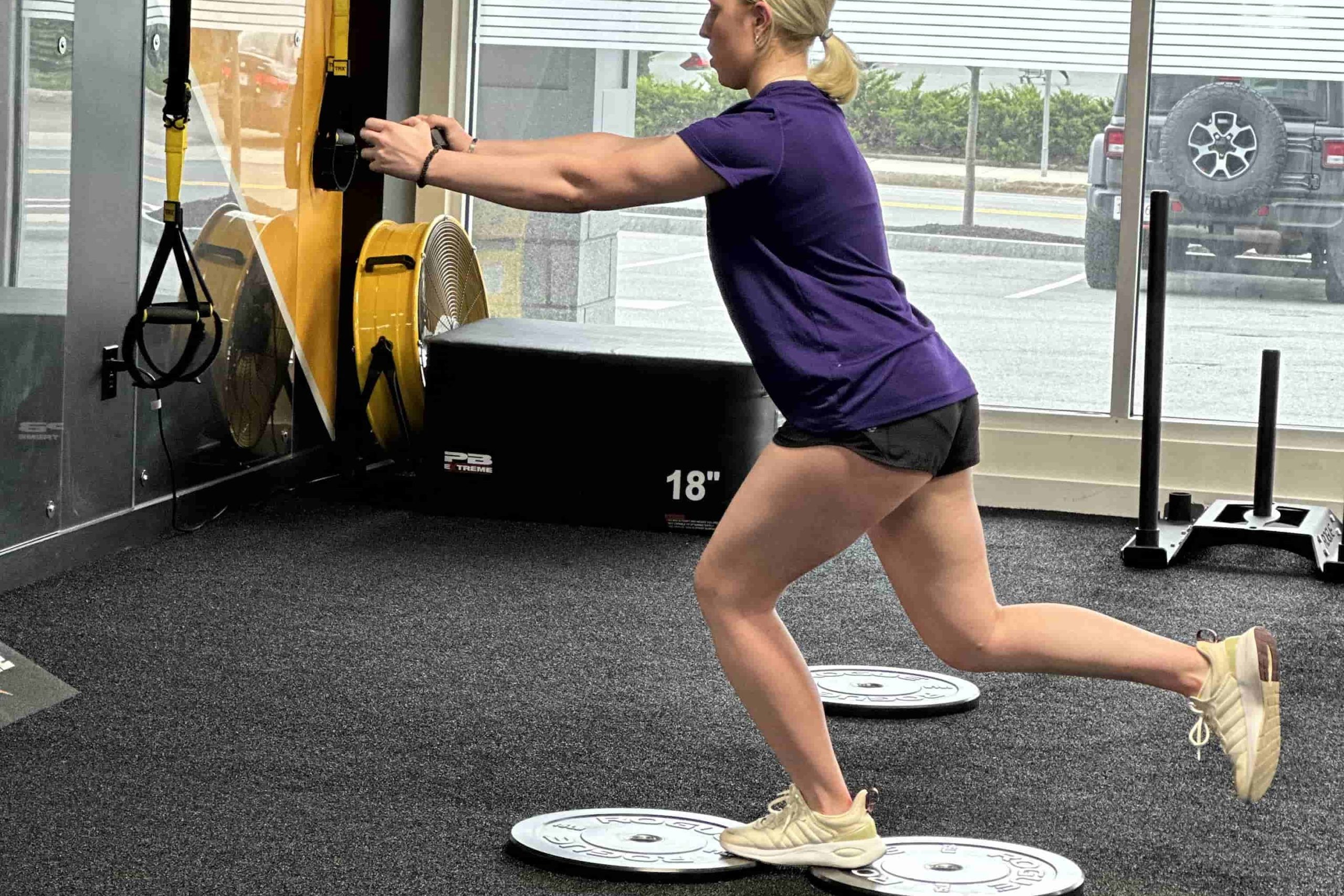
Balance Training is a specialized approach that strengthens stabilizing muscles, enhances coordination, and reduces fall risks, ultimately improving posture and promoting confident movement.
-
Certified Manual Therapy
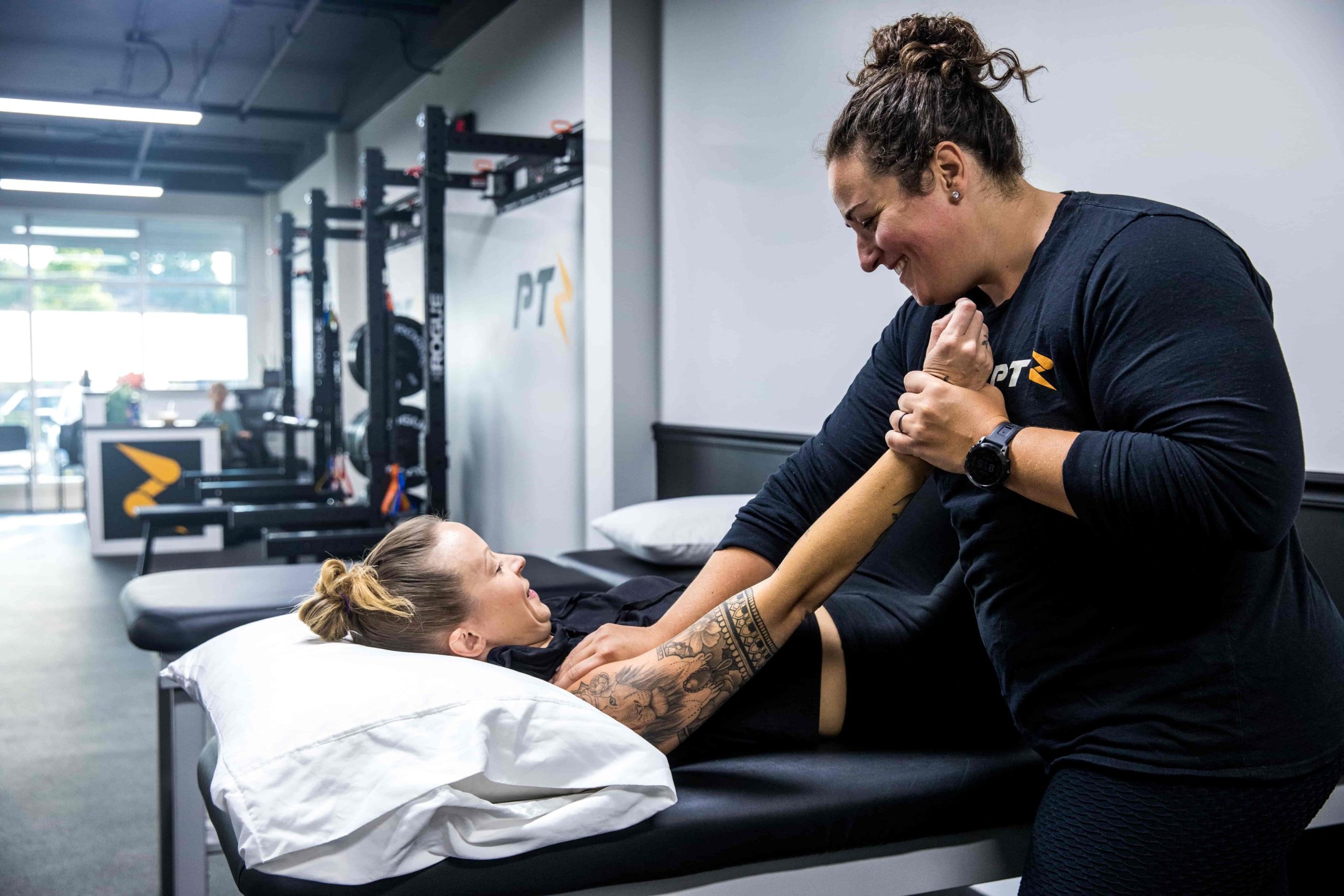
Certified Manual Therapy is a hands-on approach that addresses joint, muscle, and connective tissue dysfunction, reducing pain, improving alignment, and promoting faster, more efficient recovery.
-
Cupping
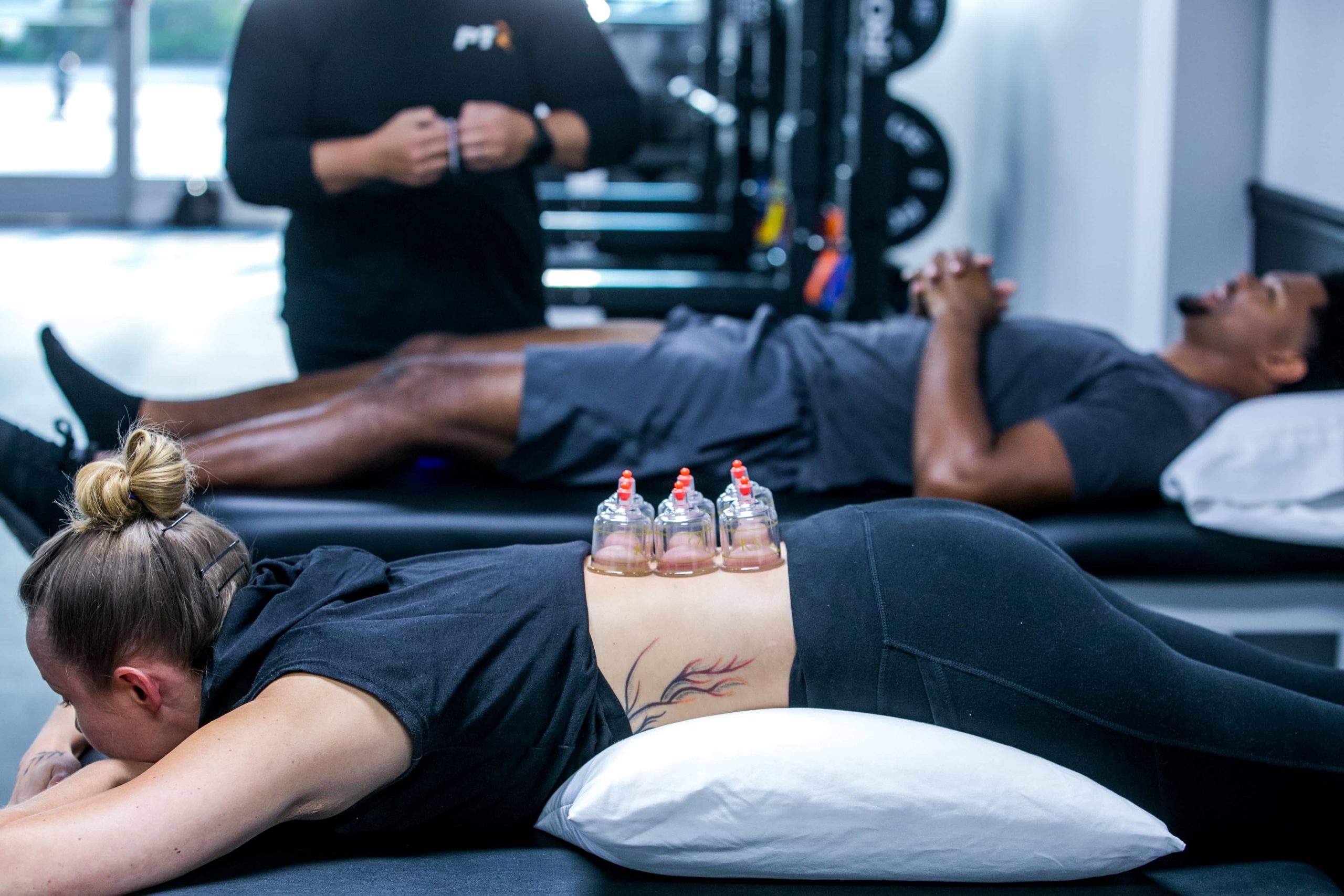
Cupping therapy is an ancient healing technique that uses suction to enhance circulation, relieve muscle tension, and promote the body’s natural recovery process.
-
Dry Needling
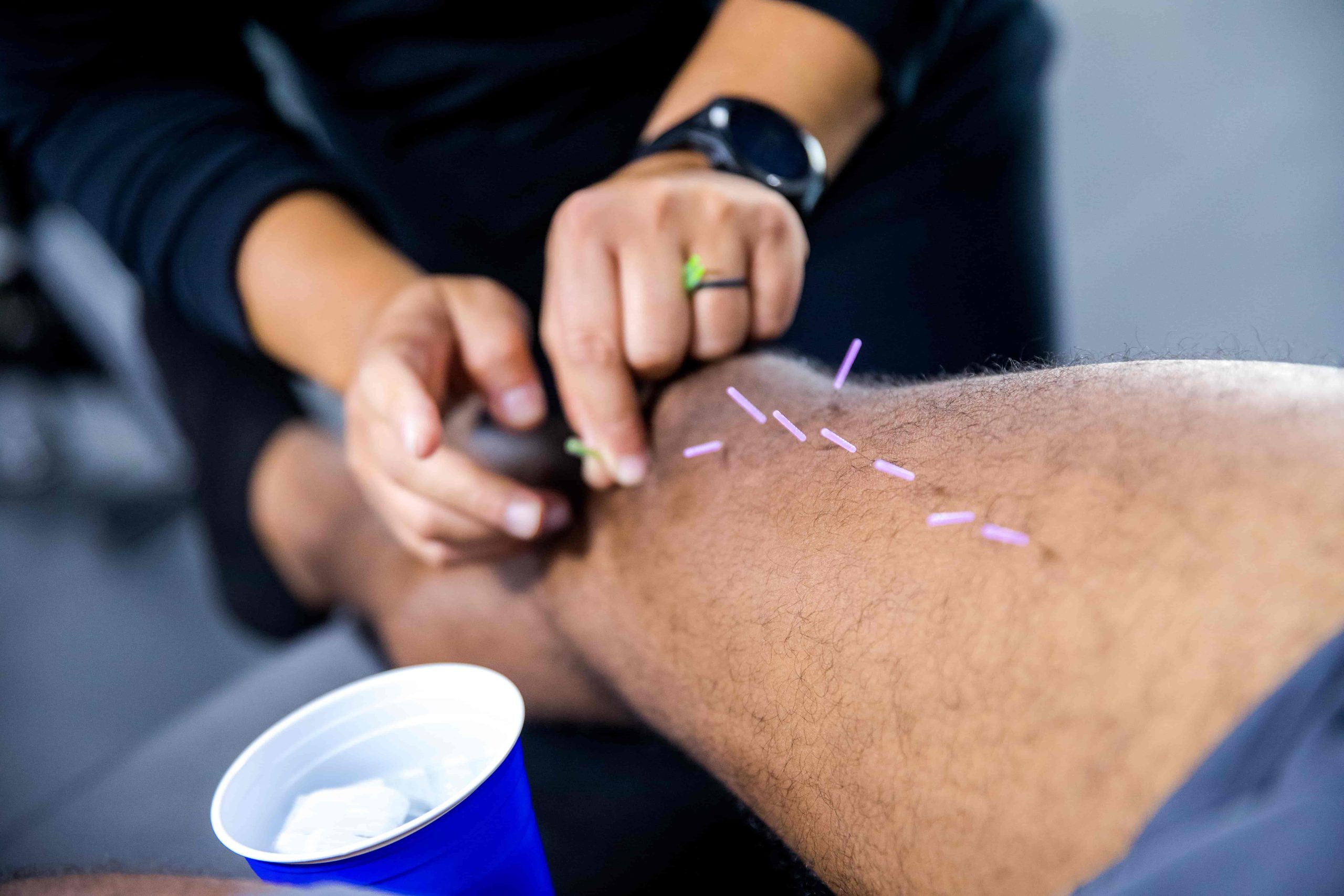
Dry needling is a modern therapy that targets muscle trigger points with thin needles to relieve pain, reduce tension, and restore mobility.
-
Gait Training
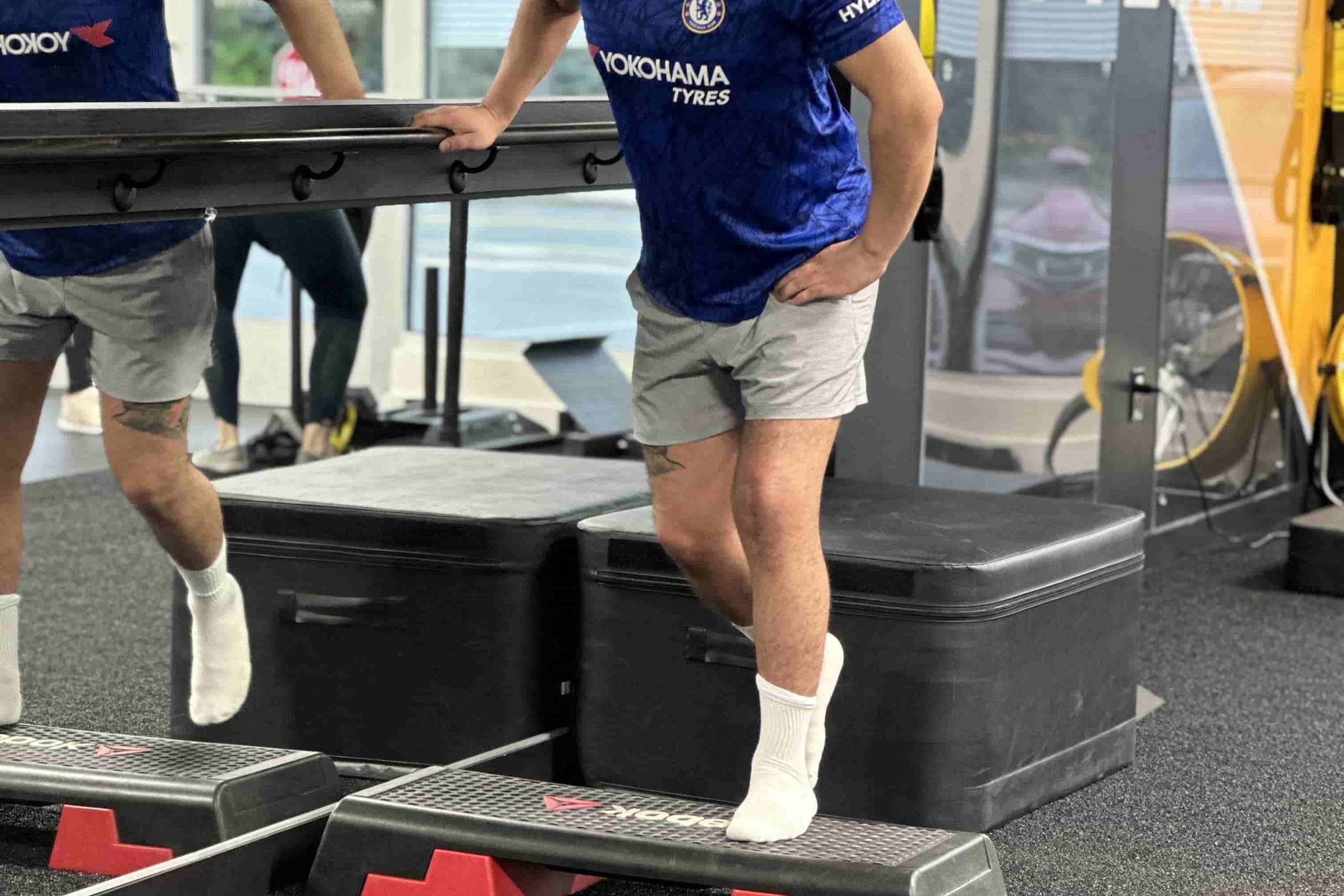
Gait Training is a specialized approach that enhances walking mechanics, improves lower-limb strength, and reduces re-injury risks, ultimately promoting more efficient movement.
-
Graston Technique
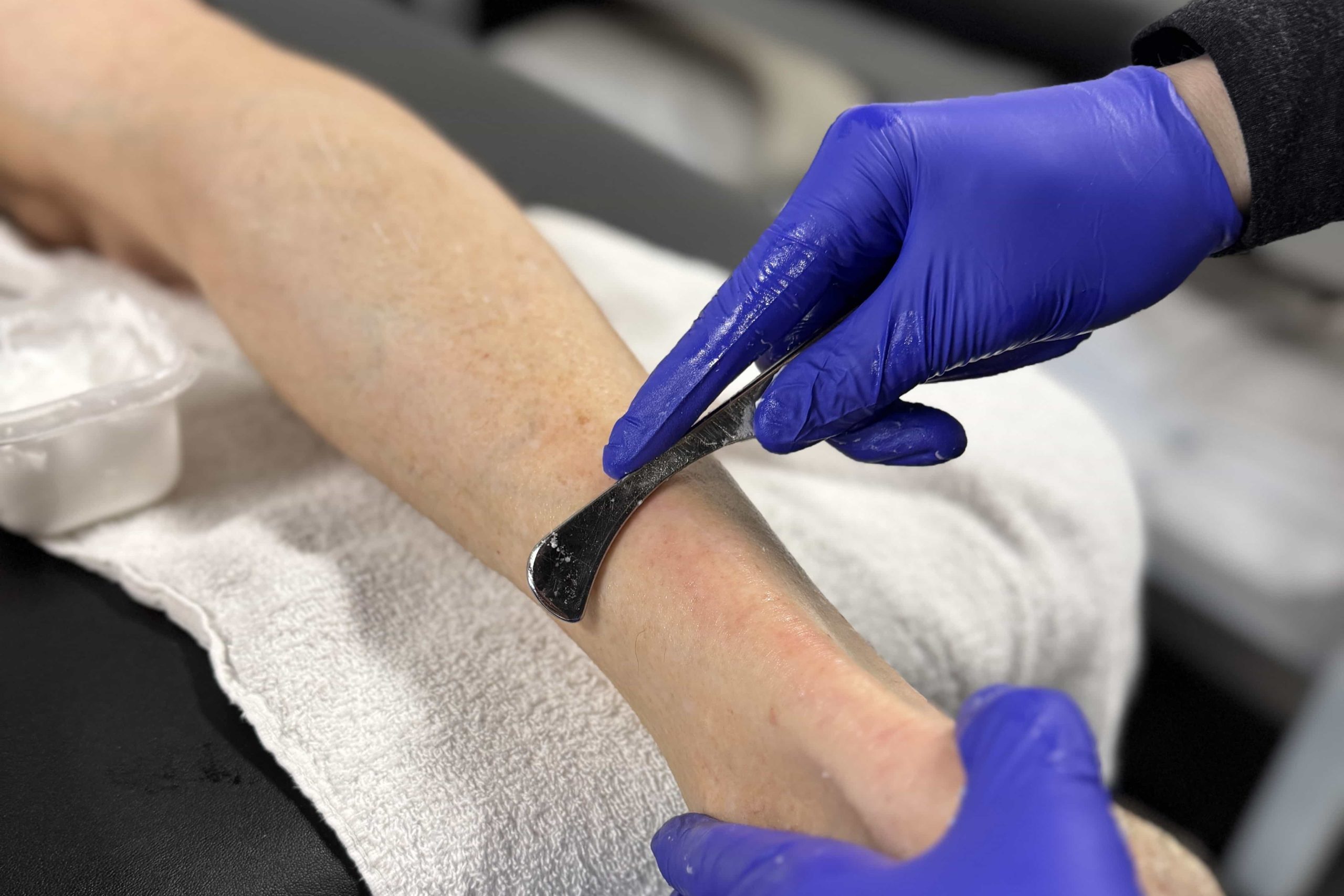
Graston Technique is a specialized manual therapy that uses stainless steel instruments to break down scar tissue, improve mobility, and accelerate healing.
-
Kinesiotaping
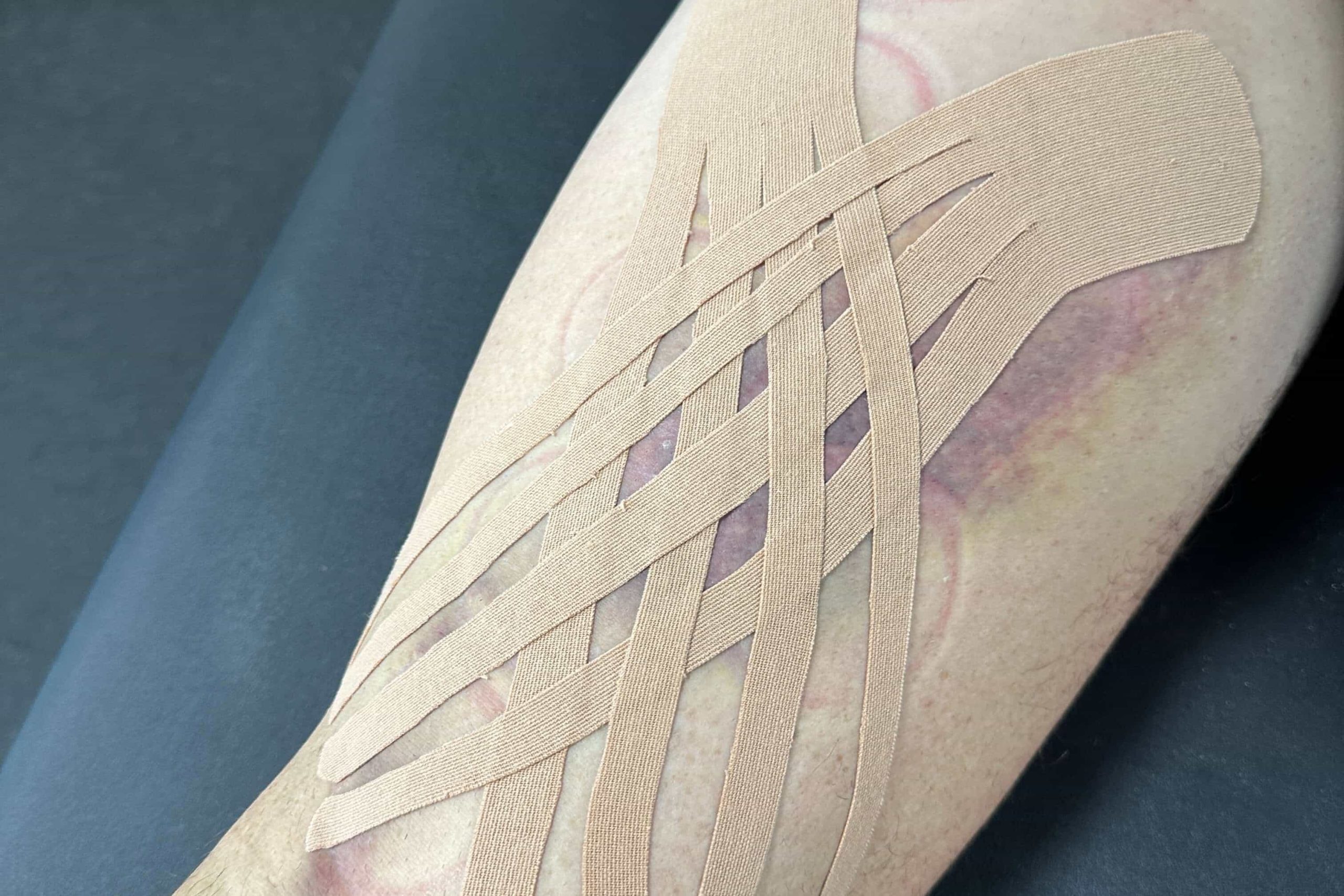
Kinesiotaping is a flexible taping method that provides gentle support, improves circulation, and helps maintain natural movement for a more comfortable and effective recovery.
-
Manual Traction
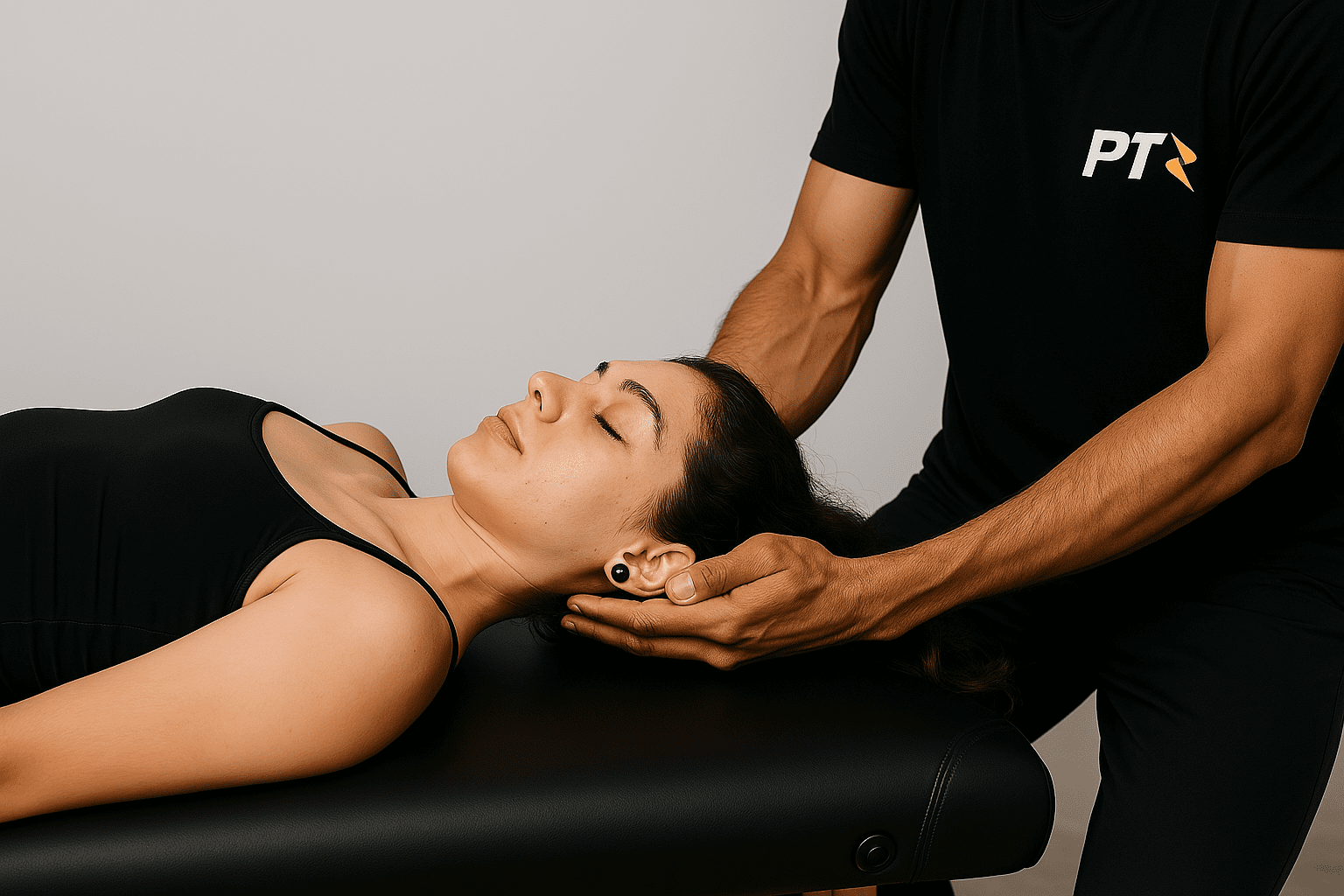
Manual Traction is a gentle, hands-on method used to decompress the spine, relieve pressure on discs and nerves, and improve overall comfort and mobility.
-
Post-Surgical Rehab
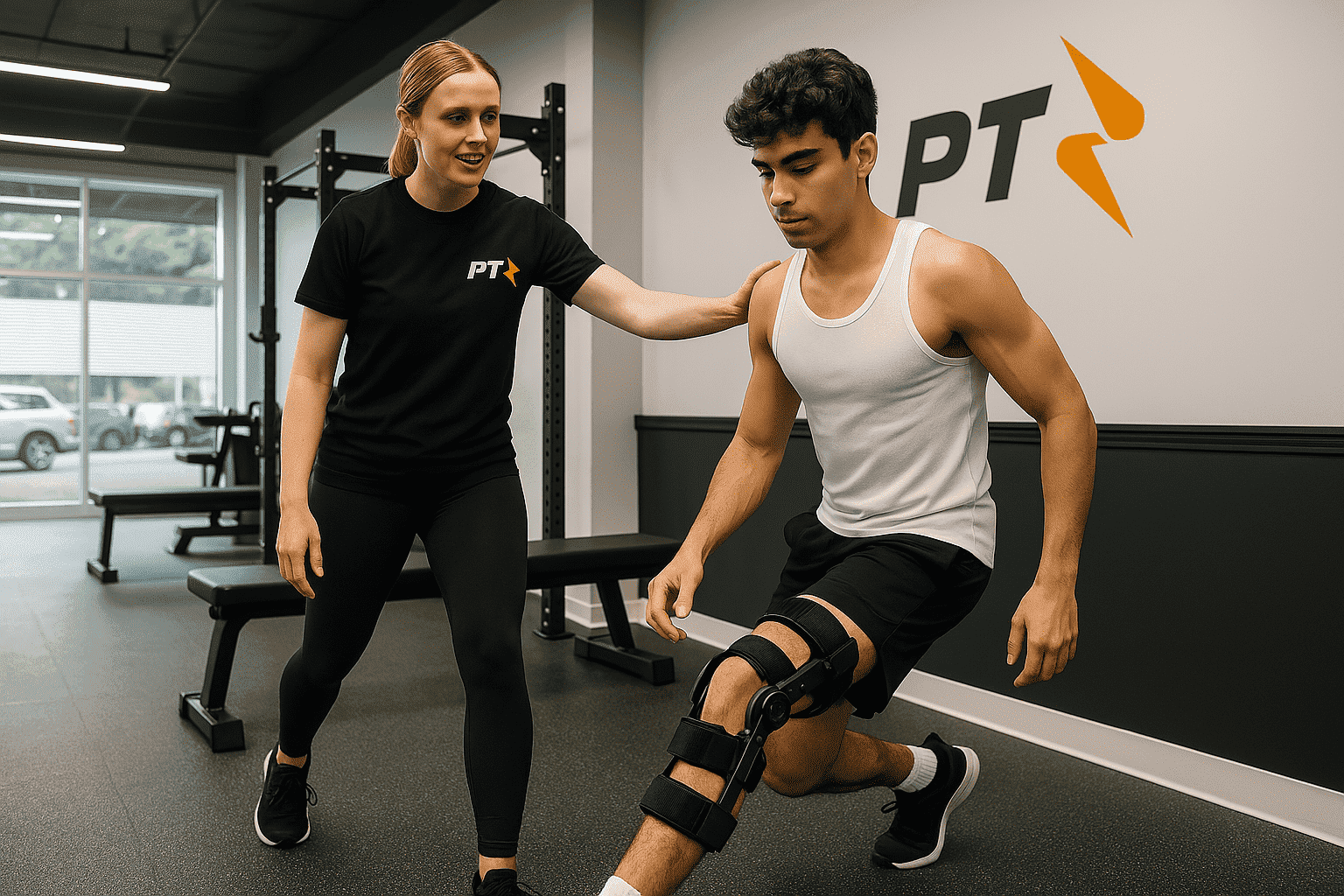
Post-Surgical Rehab is a structured recovery process designed to restore mobility, manage pain, and rebuild strength after surgery, ensuring a safer and faster return to your everyday activities or sports.
-
Physical Therapy for Weightlifters & CrossFit
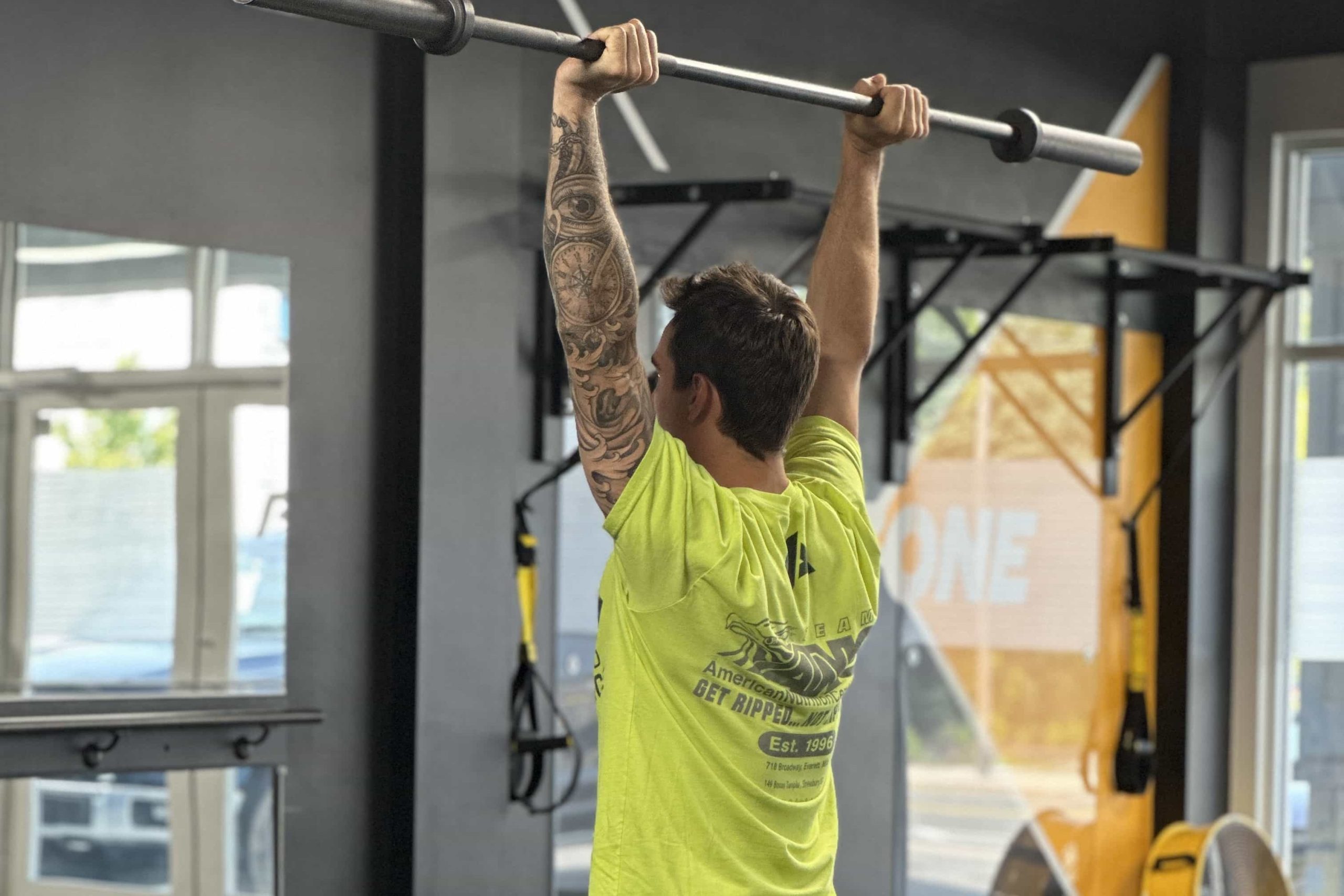
Physical Therapy for Weightlifters & CrossFit focuses on proper lifting mechanics, correcting muscle imbalances, and managing stress on joints to prevent pain, accelerate recovery, and enhance overall strength gains.
-
Physical Therapy For Runners
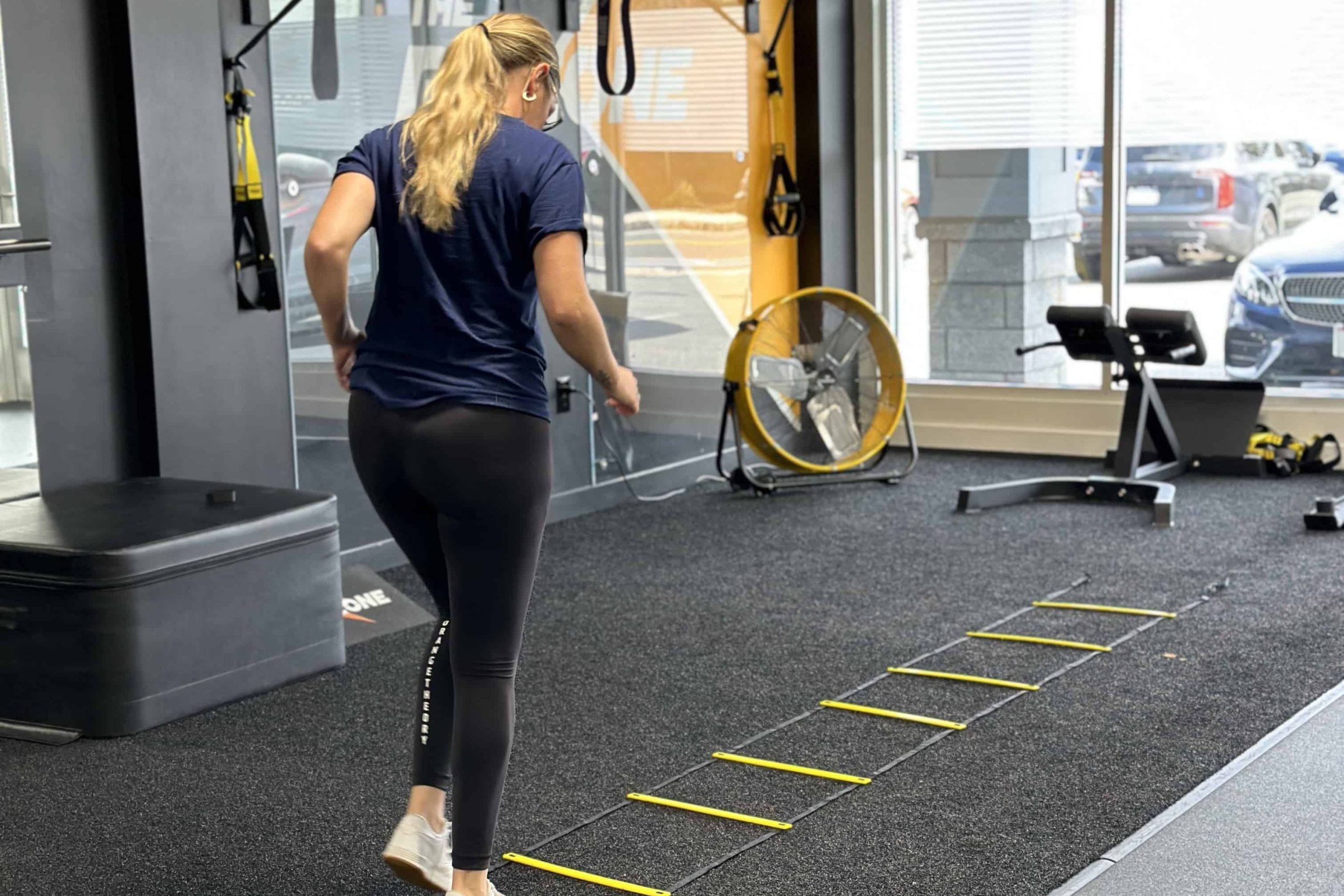
Physical Therapy for Runners focuses on refining running form, addressing muscle imbalances, and enhancing lower-limb stability to prevent injuries and boost performance.
-
Neuromuscular Massage Therapy
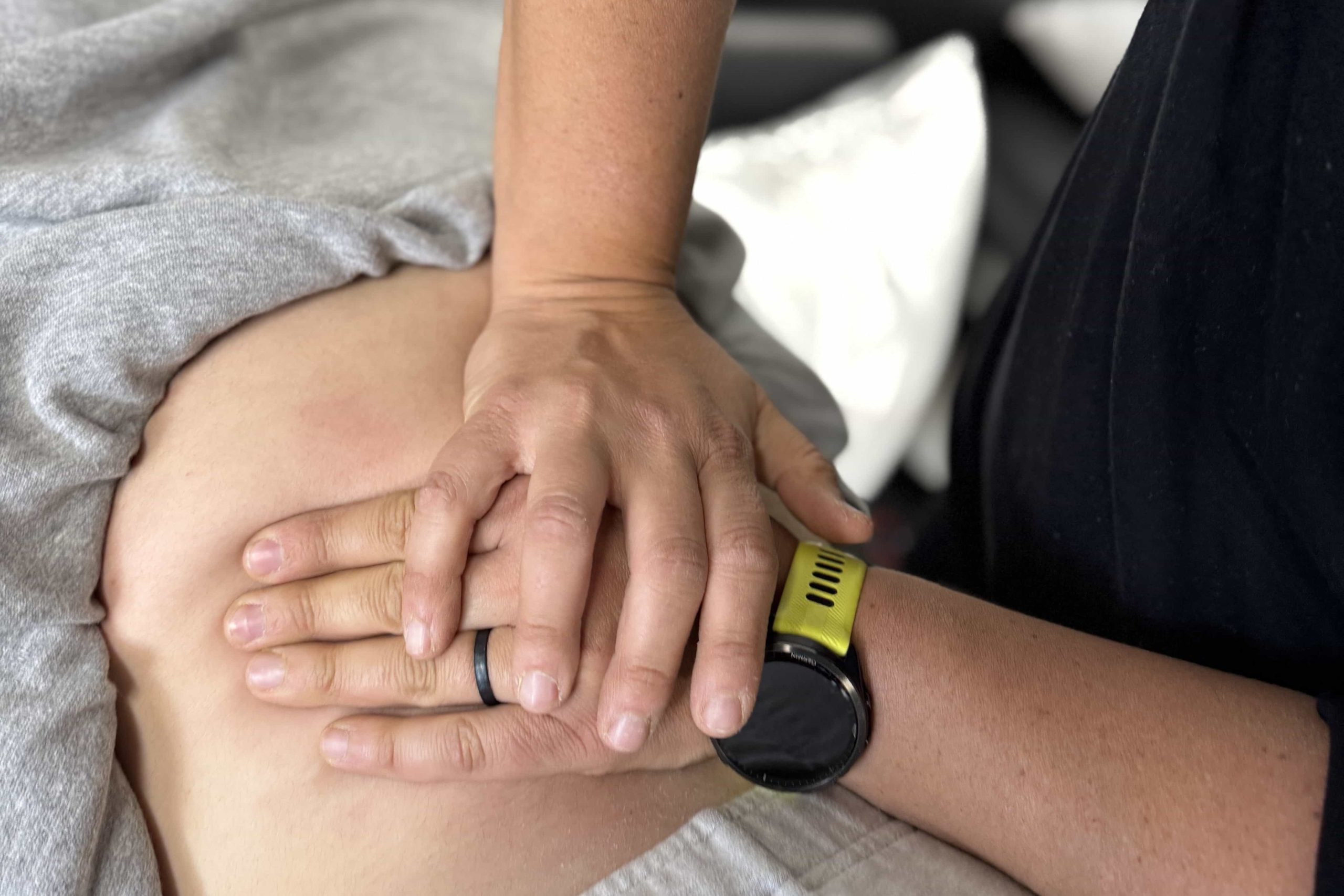
Neuromuscular Massage Therapy (NMT) precisely targets trigger points in muscles and connective tissues, relieving tension, restoring proper function, and promoting long-term pain relief.

At The PT Zone, we’re committed to helping you achieve long-term relief and restore your ability to move freely and without pain.
Our comprehensive approach ensures that you address not only the tear itself, but also the contributing factors that put stress on your knee. Let us guide you toward a stronger, healthier knee, ready for the movements you enjoy most.
Common Questions from Meniscus Tear Clients
1. How do I know if my knee pain is related to a meniscus tear?
A meniscus tear often presents with swelling, catching, or a locking sensation in the knee, and pain that intensifies during twisting or squatting movements. You might also notice a reduced range of motion. While an MRI can confirm the tear, a thorough clinical exam by a physical therapist or doctor can give strong indications. Early evaluation helps pinpoint whether your pain is due to the meniscus or another knee structure.
2. Do all meniscus tears require surgery?
Not necessarily. Some tears, particularly those in the outer “red zone” of the meniscus with better blood supply, can heal or become asymptomatic with conservative treatment alone—like physical therapy, rest, and activity modifications. Surgery is typically reserved for more severe tears, persistent symptoms that don’t improve with therapy, or tears in areas with minimal healing capacity. A detailed evaluation and your goals for returning to specific activities will help guide the best approach.
3. How long does it take to recover from a meniscus tear?
Recovery varies depending on the severity and location of the tear, your age, and whether surgery is involved. Some clients see significant improvement in a few weeks of consistent physical therapy, while others might require several months for full healing and strength gains. Patience, adherence to recommended exercises, and proper knee mechanics can expedite your journey back to pain-free movement. Your physical therapist will continually assess your progress to ensure safe, steady improvement.
4. Will I need crutches or a knee brace?
Your therapist or physician may recommend crutches, a knee brace, or both, depending on the severity of your tear and your stability. Protective devices can offload stress during the initial healing phase. However, they’re generally temporary. Progressive strength training and balance exercises help you regain the ability to support your knee independently. The goal is to wean off assistive devices as soon as you can safely manage day-to-day tasks without undue pain or risk of further injury.
5. Can I continue exercising or playing sports with a meniscus tear?
It depends on the type and severity of the tear, as well as your pain levels. Some low-impact activities may be safe, while high-impact or twisting motions could aggravate the injury. Your physical therapist will help you modify your exercise routine and gradually reintroduce more challenging movements as your knee becomes stronger and more stable. The key is balancing activity and rest so you can heal effectively without losing overall fitness.
6. What if my meniscus tear doesn’t improve with conservative care?
If physical therapy and lifestyle adjustments don’t adequately alleviate your symptoms, further diagnostic tests or a surgical consult may be warranted. Arthroscopic procedures can trim or repair the torn meniscus, especially if the tear is in a region that doesn’t heal well conservatively. Should surgery be necessary, a structured post-operative rehab plan ensures you regain strength, flexibility, and knee stability as quickly and safely as possible.
7. How can I prevent future meniscus tears?
Focusing on knee strength, balance, and overall leg alignment is your best defense against re-injury. Regularly practicing exercises that target quadriceps, hamstrings, glutes, and core muscles can help distribute stress more evenly across the knee joint. Additionally, warming up properly before sports or workouts, avoiding sudden spikes in activity levels, and being mindful of twists or pivots can protect your meniscus. Your physical therapist can provide personalized routines and tips to keep your knee in top shape.