
If you’re struggling with persistent aches, stiffness, or sharp twinges that radiate from your lower back, you’re not alone—low back pain is one of the most common musculoskeletal issues people face today. At The PT Zone, we create individualized programs to help alleviate discomfort, improve mobility, and restore your ability to move freely.
- Reduce pain and inflammation in the lumbar region
- Strengthen core and back muscles to prevent re-injury
- Enhance spinal flexibility and posture
- Alleviate nerve impingements for uninterrupted movement
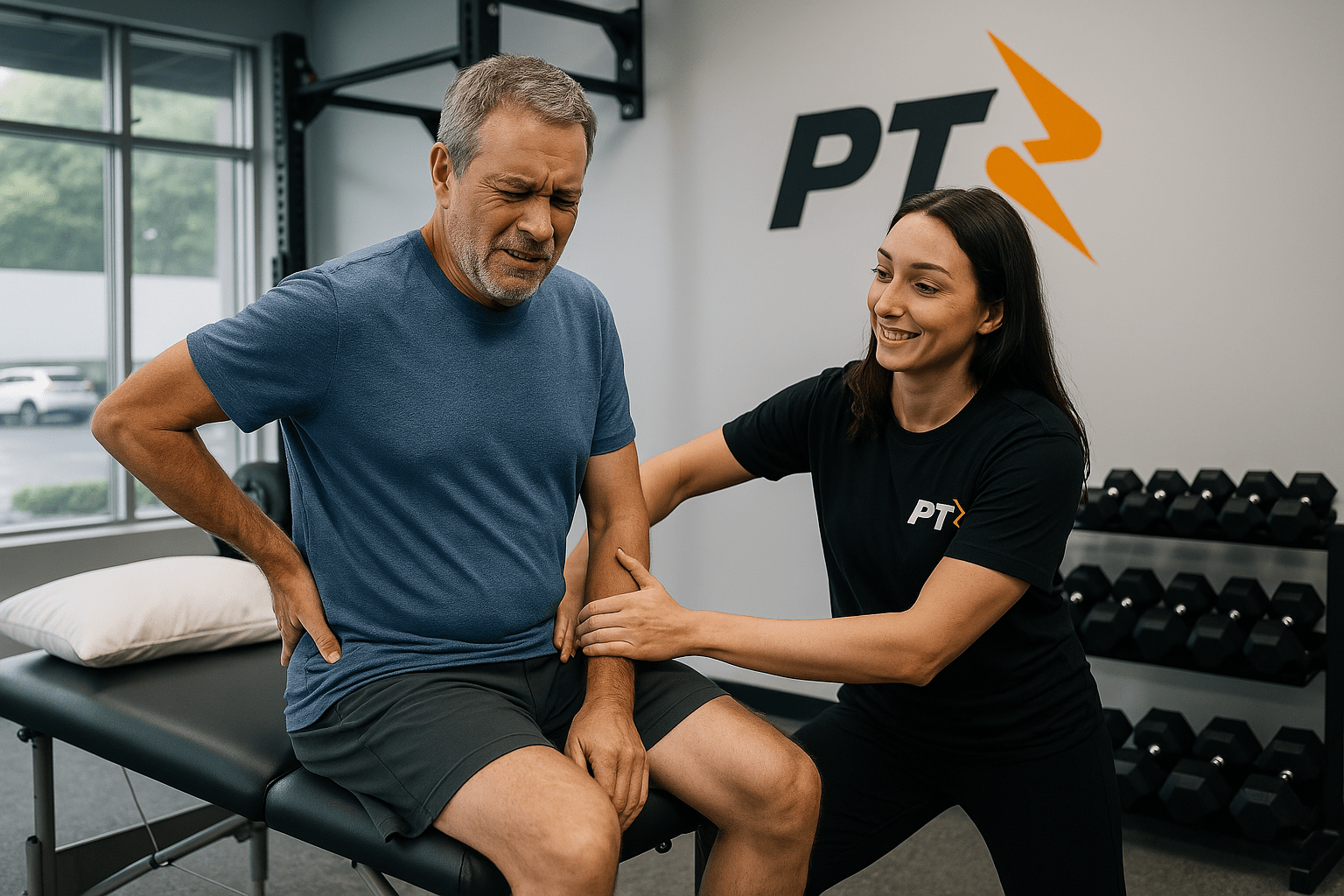
Free Yourself from Chronic Low Back Pain
Low back pain can make even the simplest activities, like bending over to tie your shoes or standing for more than a few minutes, feel like a significant challenge. Often caused by muscle strains, disc issues, or poor posture, this type of pain can radiate into the hips and legs, leading to reduced mobility and lingering discomfort. At The PT Zone, we understand that each individual’s back pain has its own unique triggers. That’s why our first step is to carefully evaluate your posture, movement patterns, and spinal alignment to create a therapy plan that addresses your specific concerns.
Our approach centers on relieving tension in the lumbar region, improving stability, and building strength in the core and supporting muscle groups. We employ a variety of techniques—from manual therapy to alleviate tightness or spasms, to targeted exercises that bolster the muscles surrounding the spine. By tackling the root causes, whether it’s a sedentary lifestyle, sudden injury, or chronic wear and tear, we help ensure that your recovery is both effective and sustainable.
As you progress, our program incorporates stretching, strengthening, and body mechanics training to encourage healthier movement patterns. We also emphasize the importance of posture, ergonomics, and lifestyle adjustments—helping you stand, sit, and move in ways that keep stress off your lower back. Whether you’re looking to get back into a favorite sport, return to a physically demanding job, or simply eliminate the constant nagging pain that disrupts your day, our personalized therapy plan guides you toward lasting relief and renewed mobility.
Our ultimate aim is to equip you with the knowledge and tools needed to maintain a strong, healthy back well beyond the clinic. By adopting a balanced exercise routine and integrating proper body alignment into everyday activities, you can overcome persistent low back pain and enjoy the freedom of movement you deserve.
Our Therapies for Low Back Pain:
Below, you’ll find a range of services specifically tailored to restore spinal health, address recurring back pain, and promote long-term comfort.
-
Balance Training
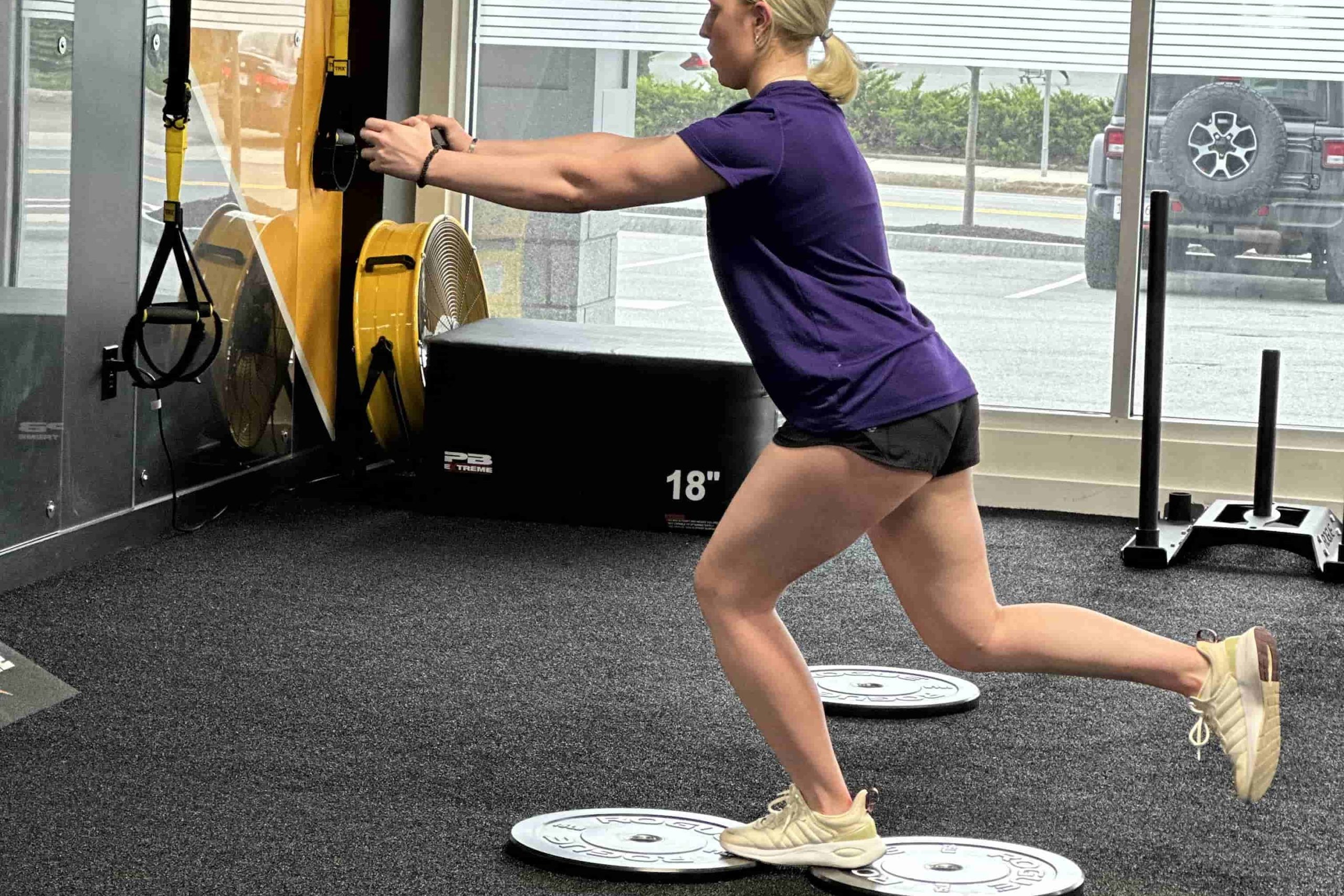
Balance Training is a specialized approach that strengthens stabilizing muscles, enhances coordination, and reduces fall risks, ultimately improving posture and promoting confident movement.
-
Certified Manual Therapy
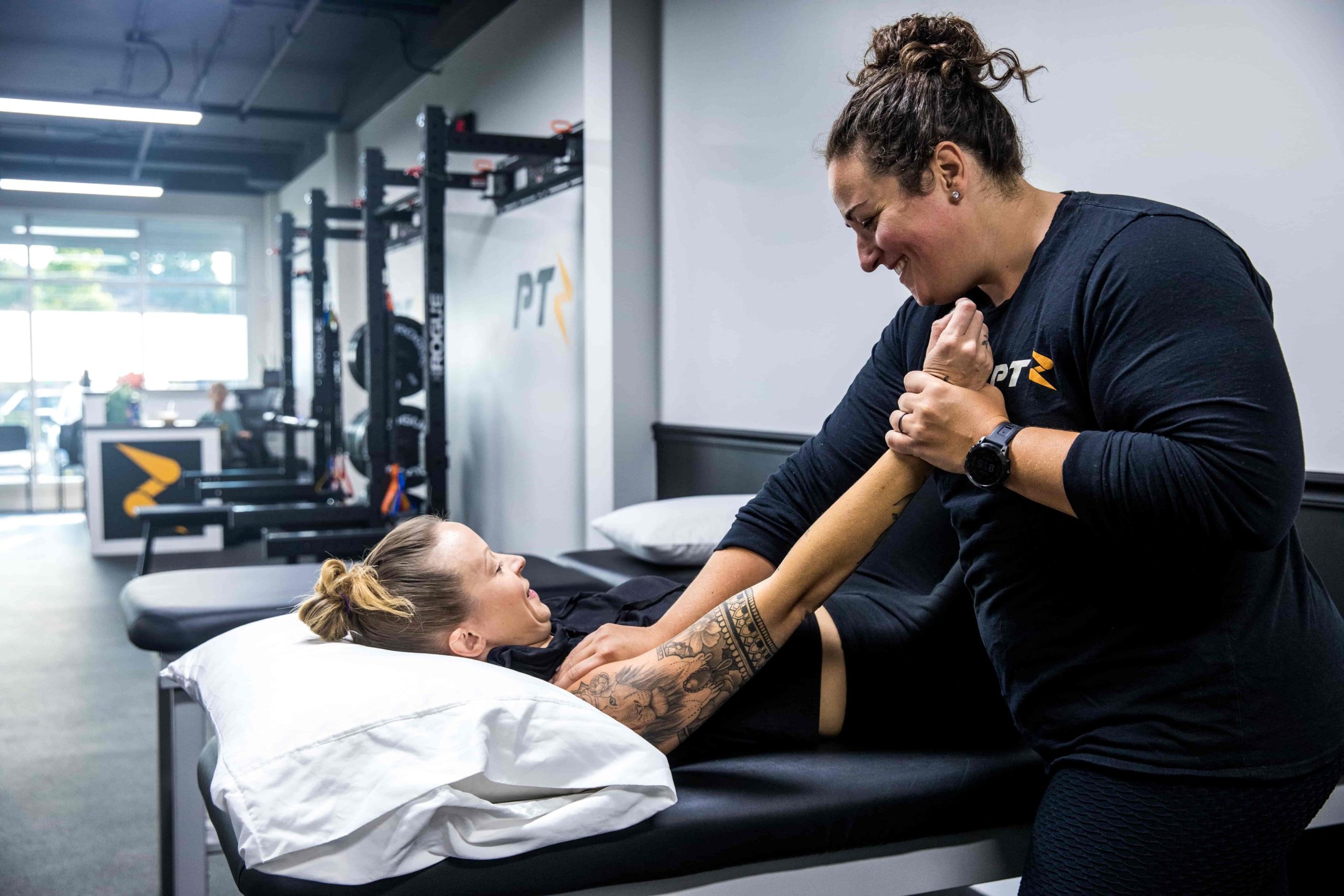
Certified Manual Therapy is a hands-on approach that addresses joint, muscle, and connective tissue dysfunction, reducing pain, improving alignment, and promoting faster, more efficient recovery.
-
Cupping
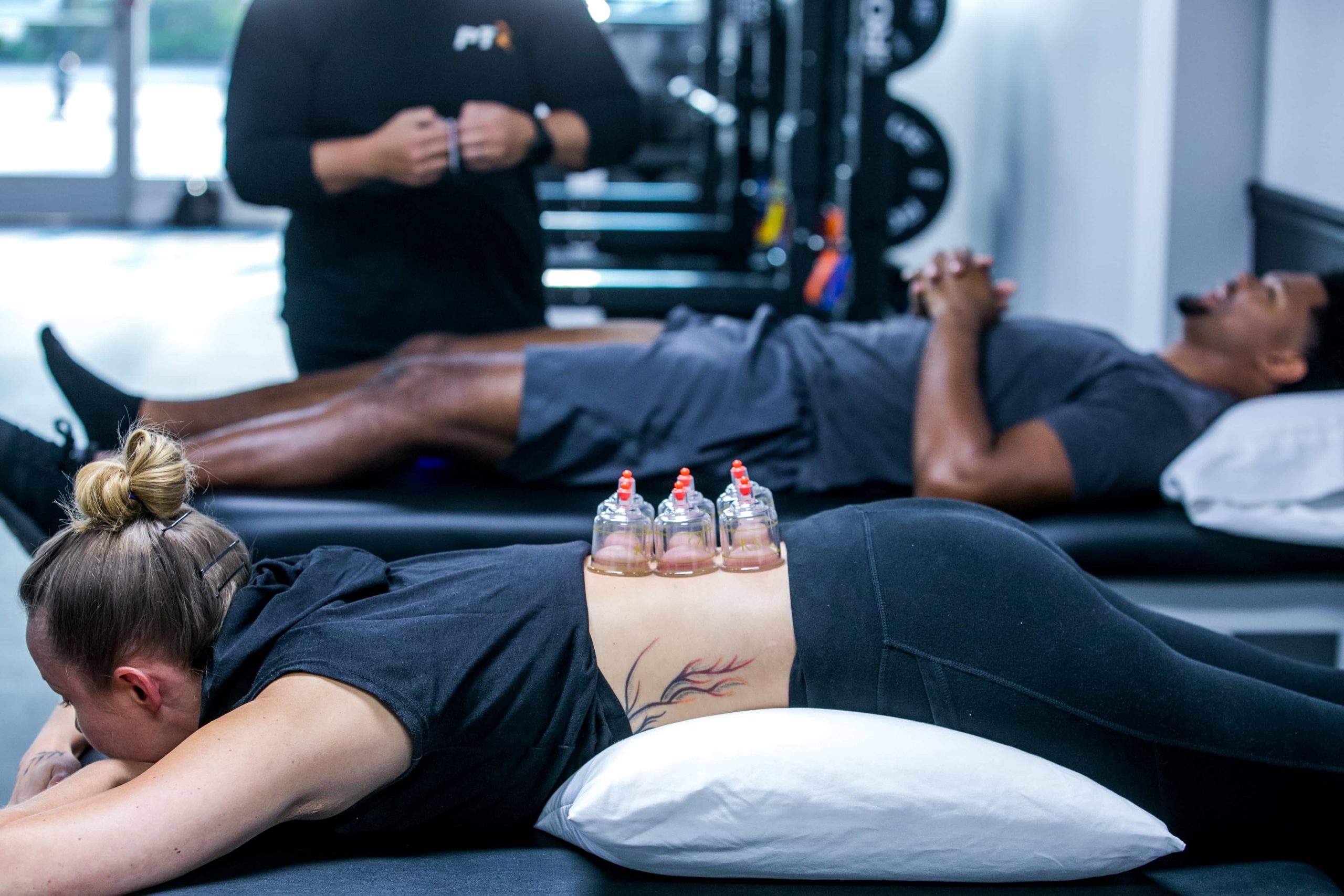
Cupping therapy is an ancient healing technique that uses suction to enhance circulation, relieve muscle tension, and promote the body’s natural recovery process.
-
Dry Needling
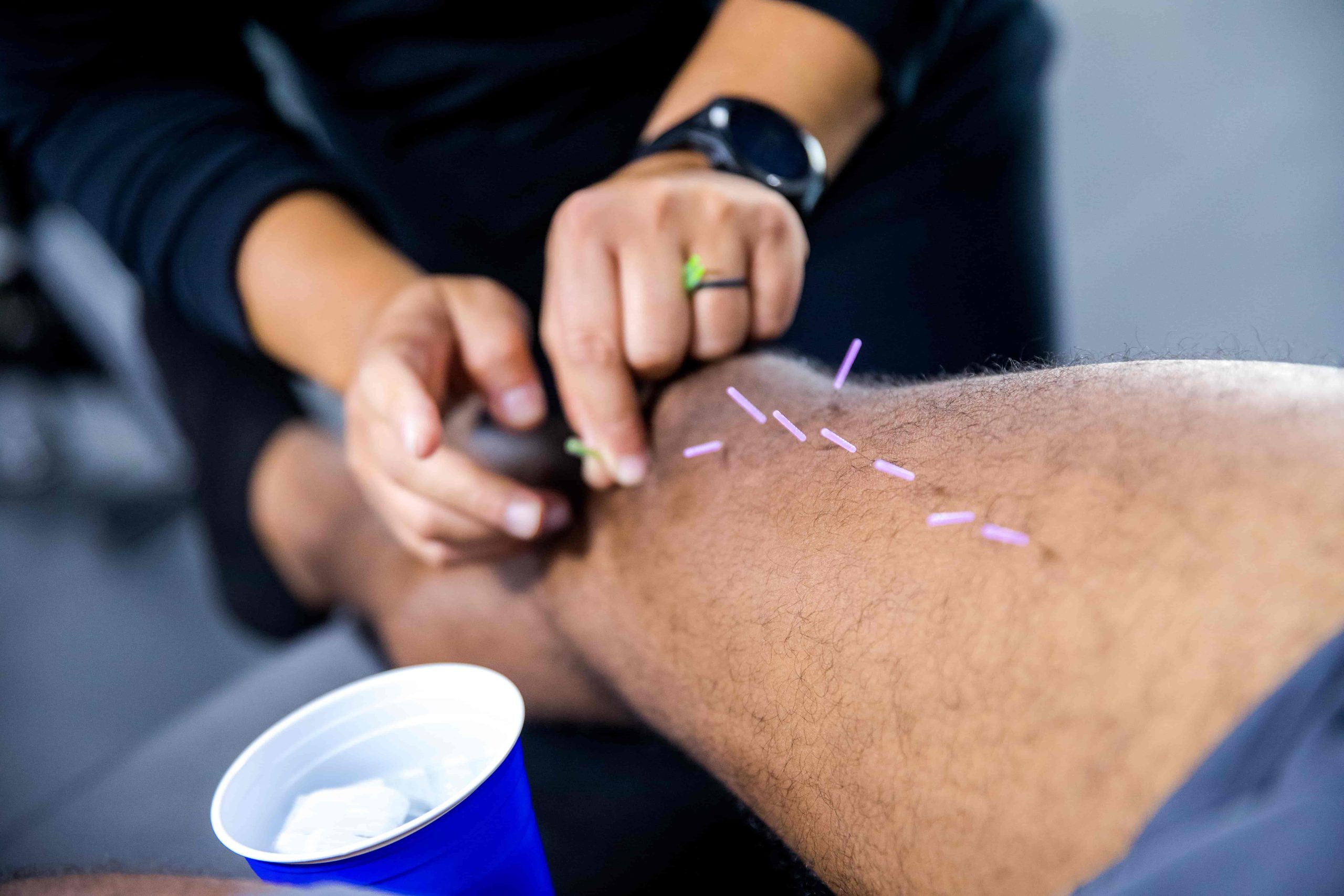
Dry needling is a modern therapy that targets muscle trigger points with thin needles to relieve pain, reduce tension, and restore mobility.
-
Gait Training
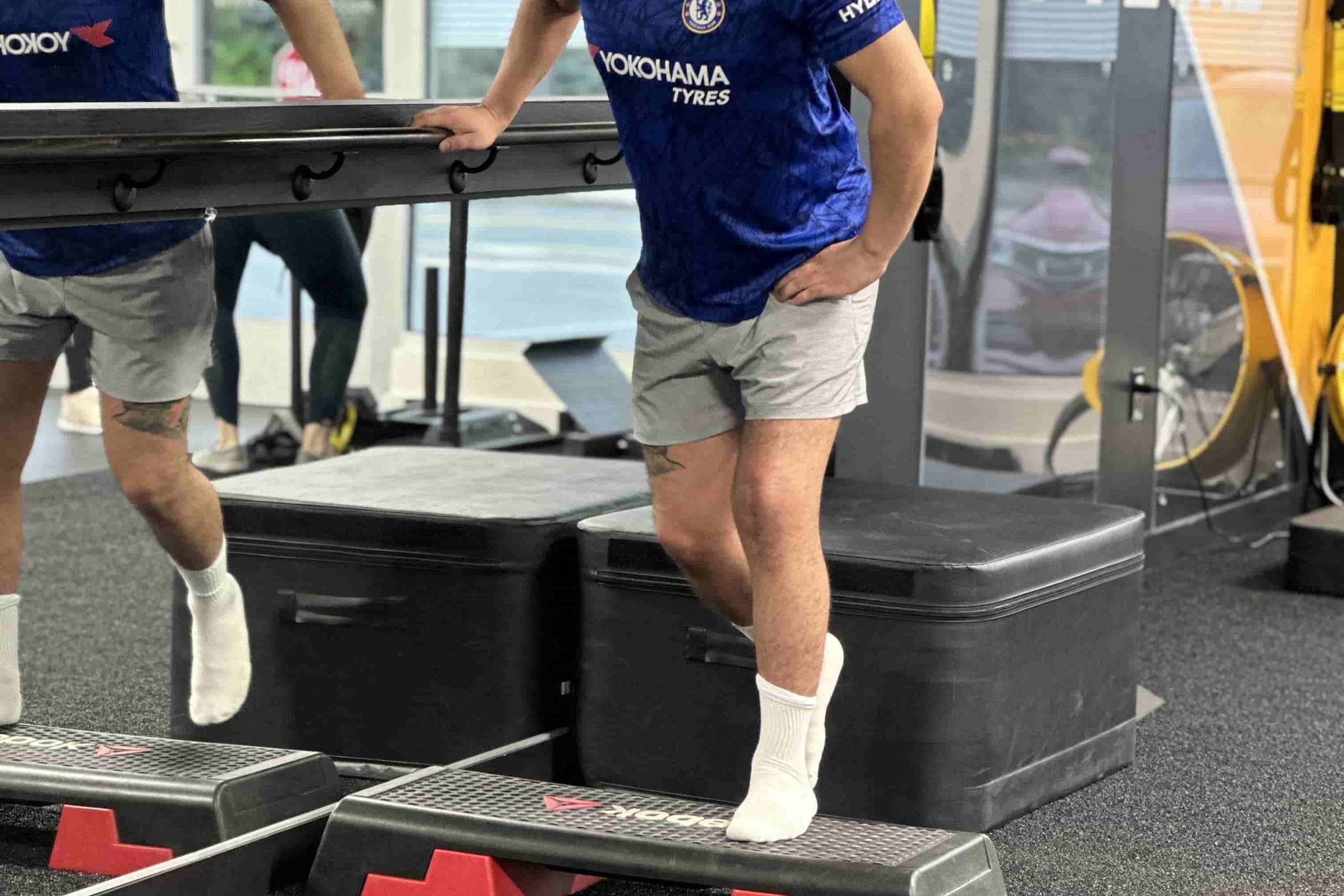
Gait Training is a specialized approach that enhances walking mechanics, improves lower-limb strength, and reduces re-injury risks, ultimately promoting more efficient movement.
-
Graston Technique
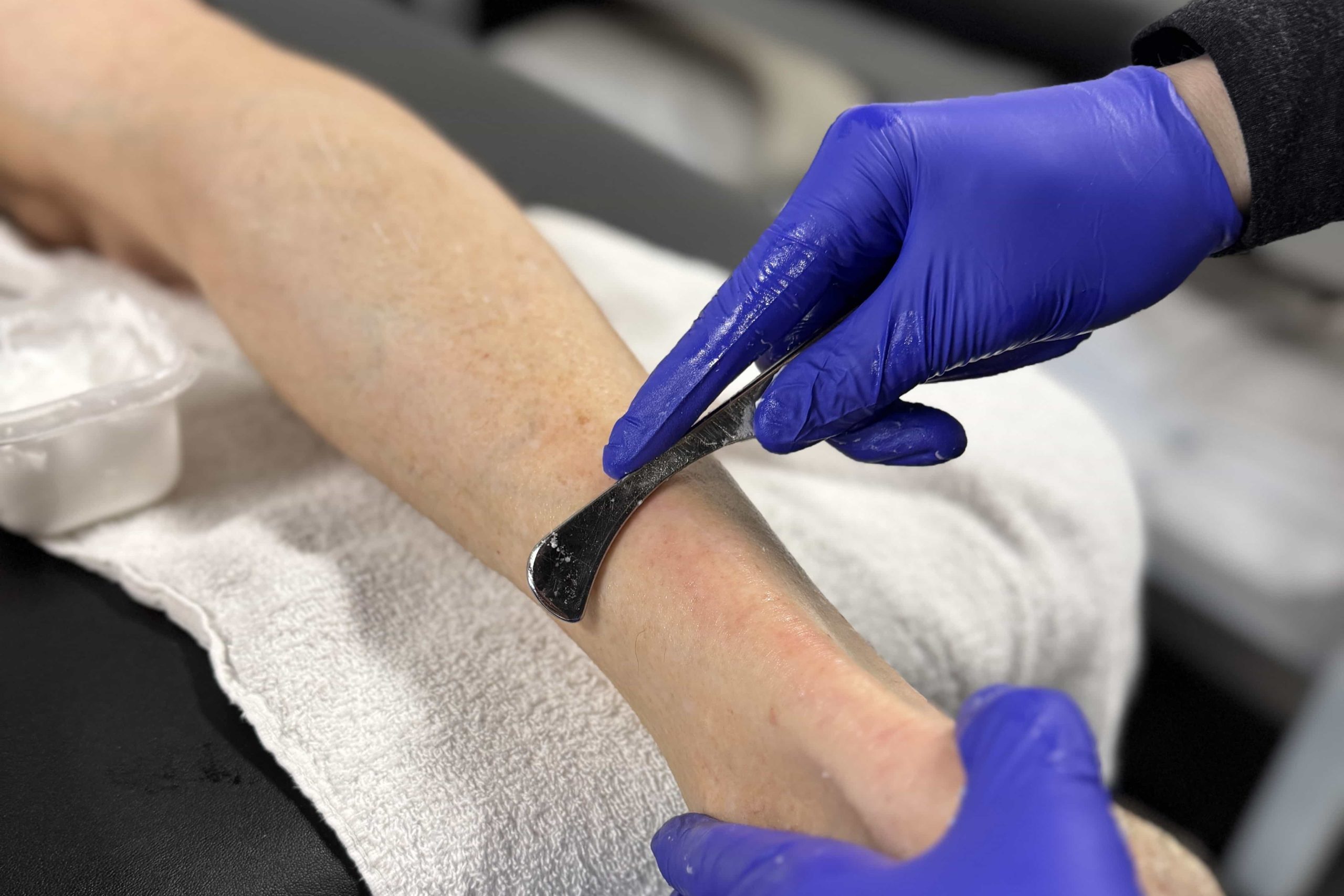
Graston Technique is a specialized manual therapy that uses stainless steel instruments to break down scar tissue, improve mobility, and accelerate healing.
-
Kinesiotaping
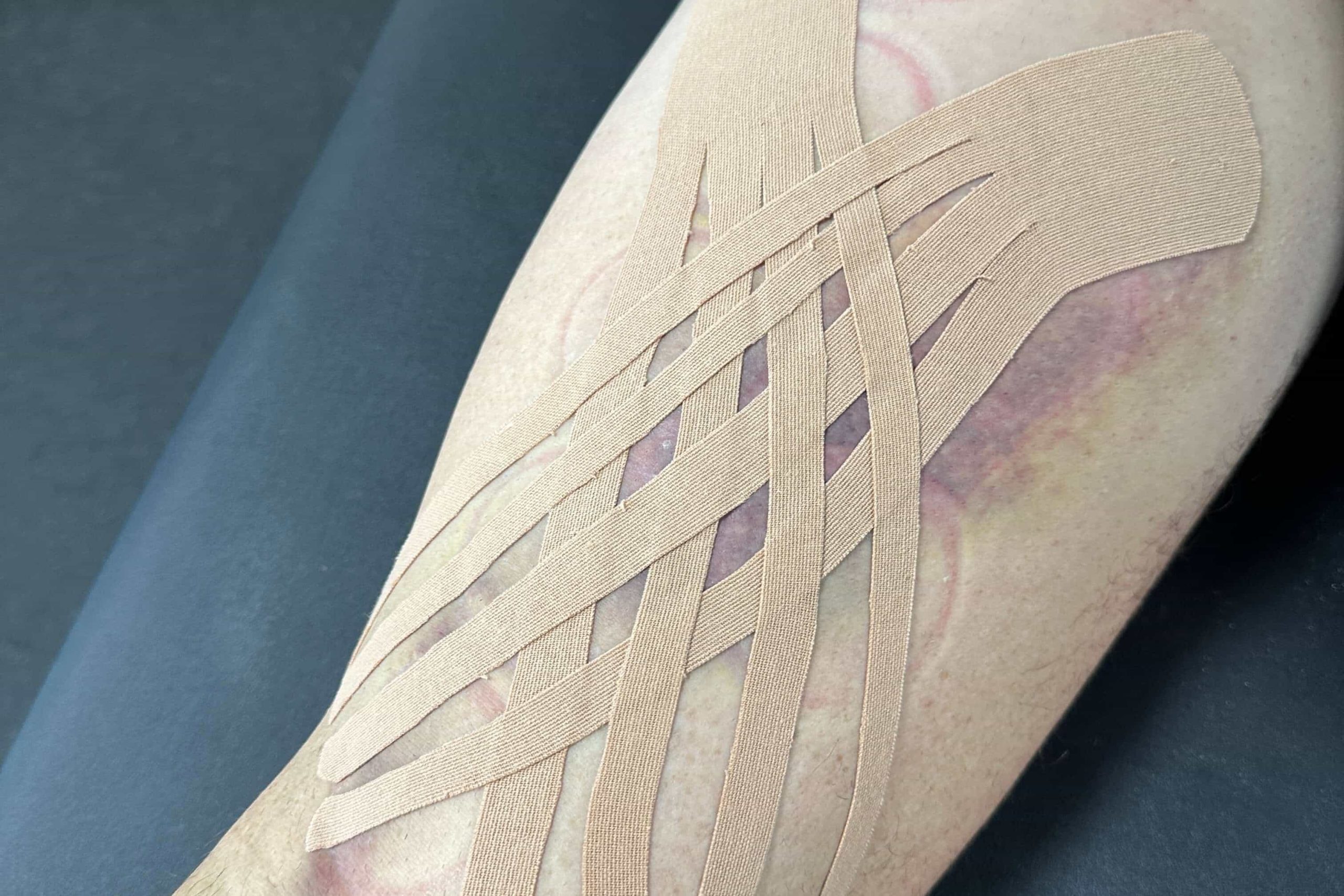
Kinesiotaping is a flexible taping method that provides gentle support, improves circulation, and helps maintain natural movement for a more comfortable and effective recovery.
-
Manual Traction
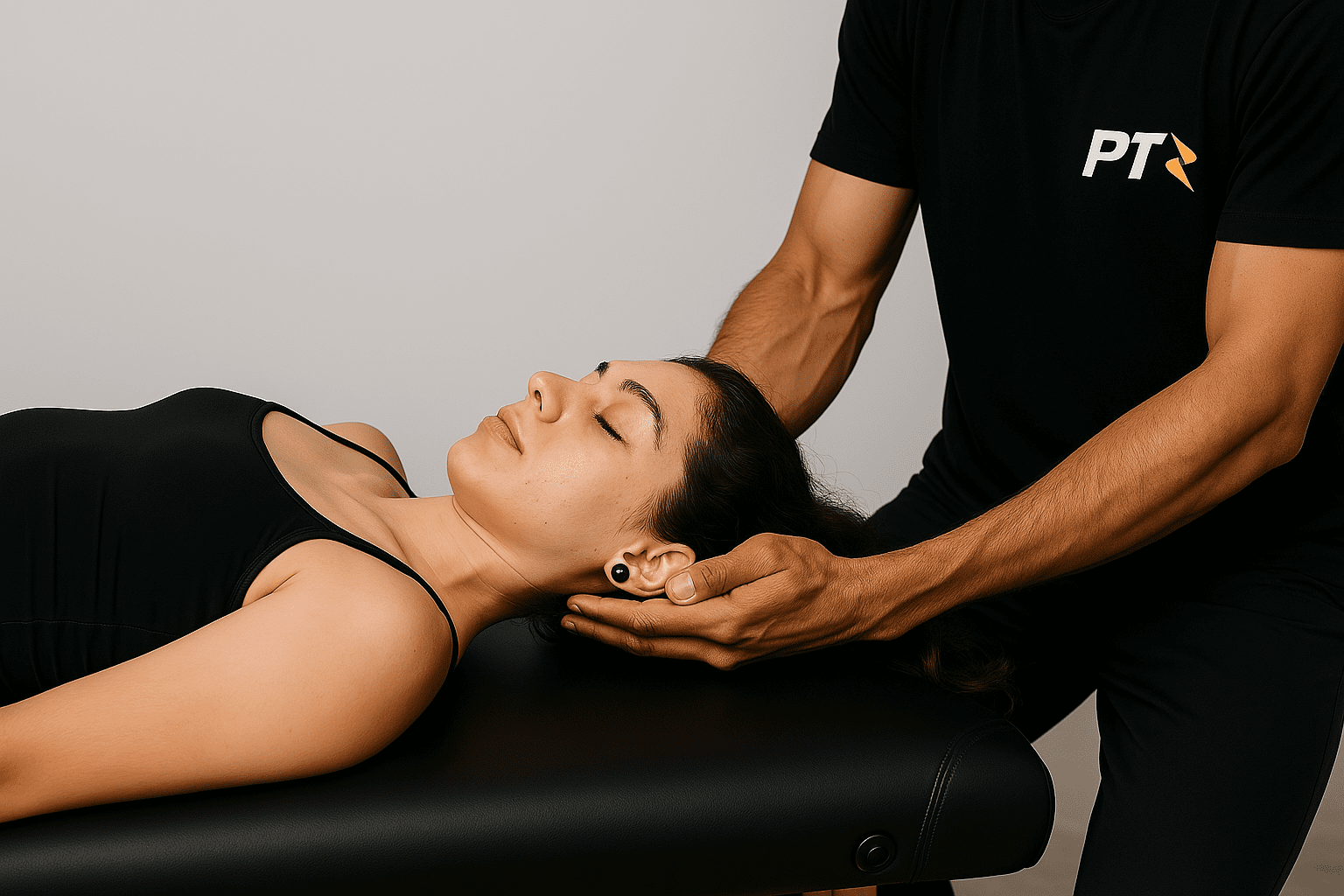
Manual Traction is a gentle, hands-on method used to decompress the spine, relieve pressure on discs and nerves, and improve overall comfort and mobility.
-
Post-Surgical Rehab
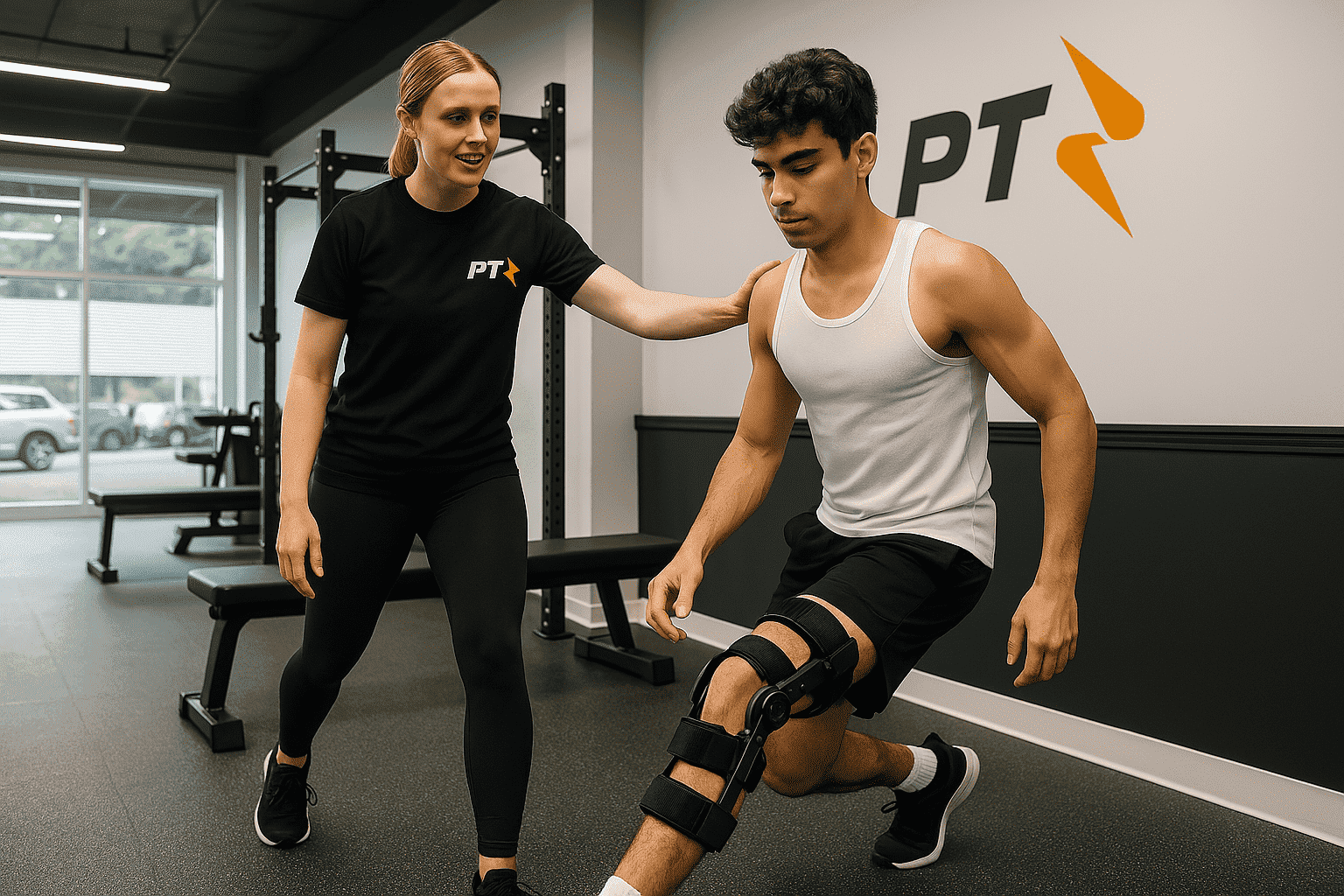
Post-Surgical Rehab is a structured recovery process designed to restore mobility, manage pain, and rebuild strength after surgery, ensuring a safer and faster return to your everyday activities or sports.
-
Physical Therapy for Weightlifters & CrossFit
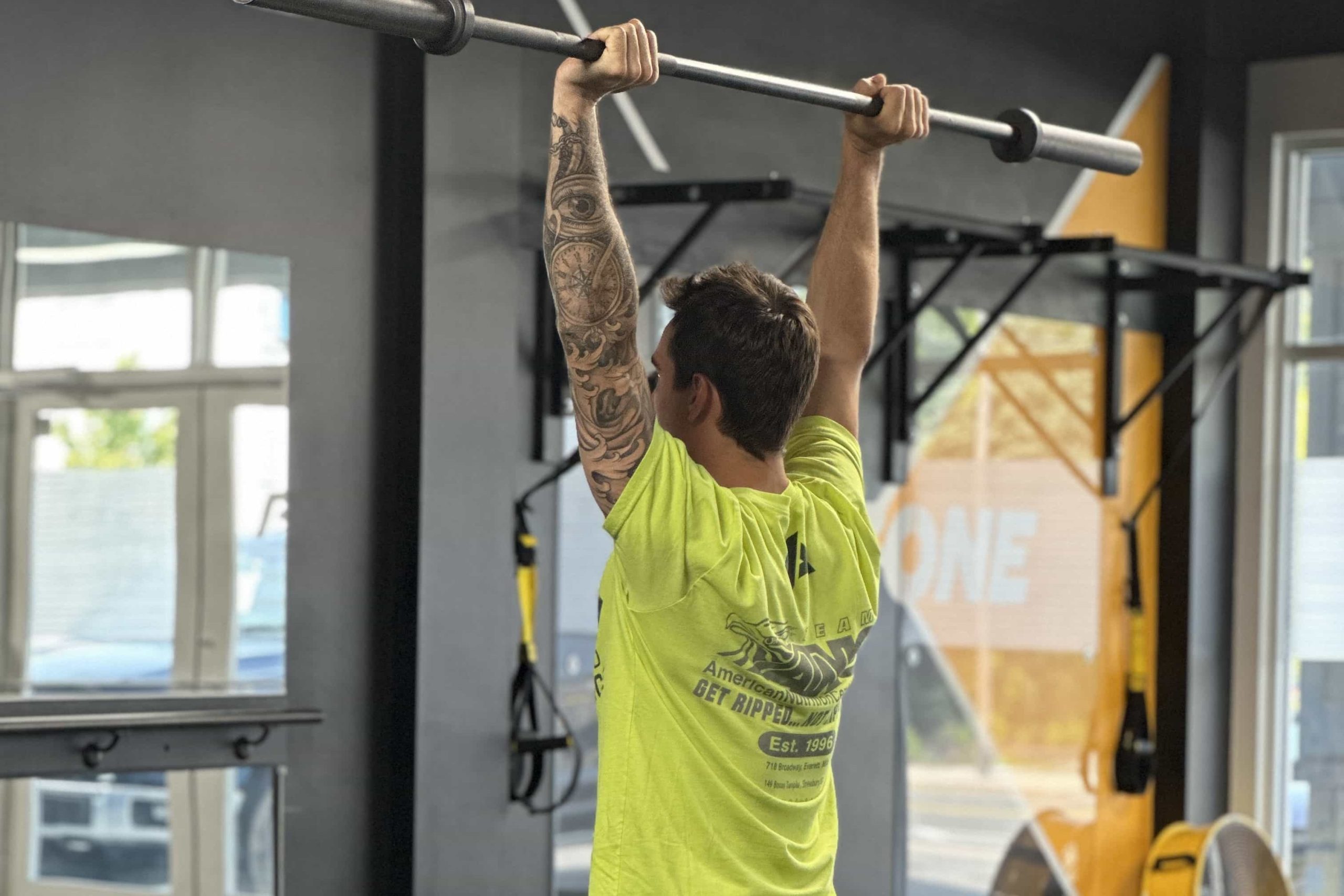
Physical Therapy for Weightlifters & CrossFit focuses on proper lifting mechanics, correcting muscle imbalances, and managing stress on joints to prevent pain, accelerate recovery, and enhance overall strength gains.
-
Physical Therapy For Runners
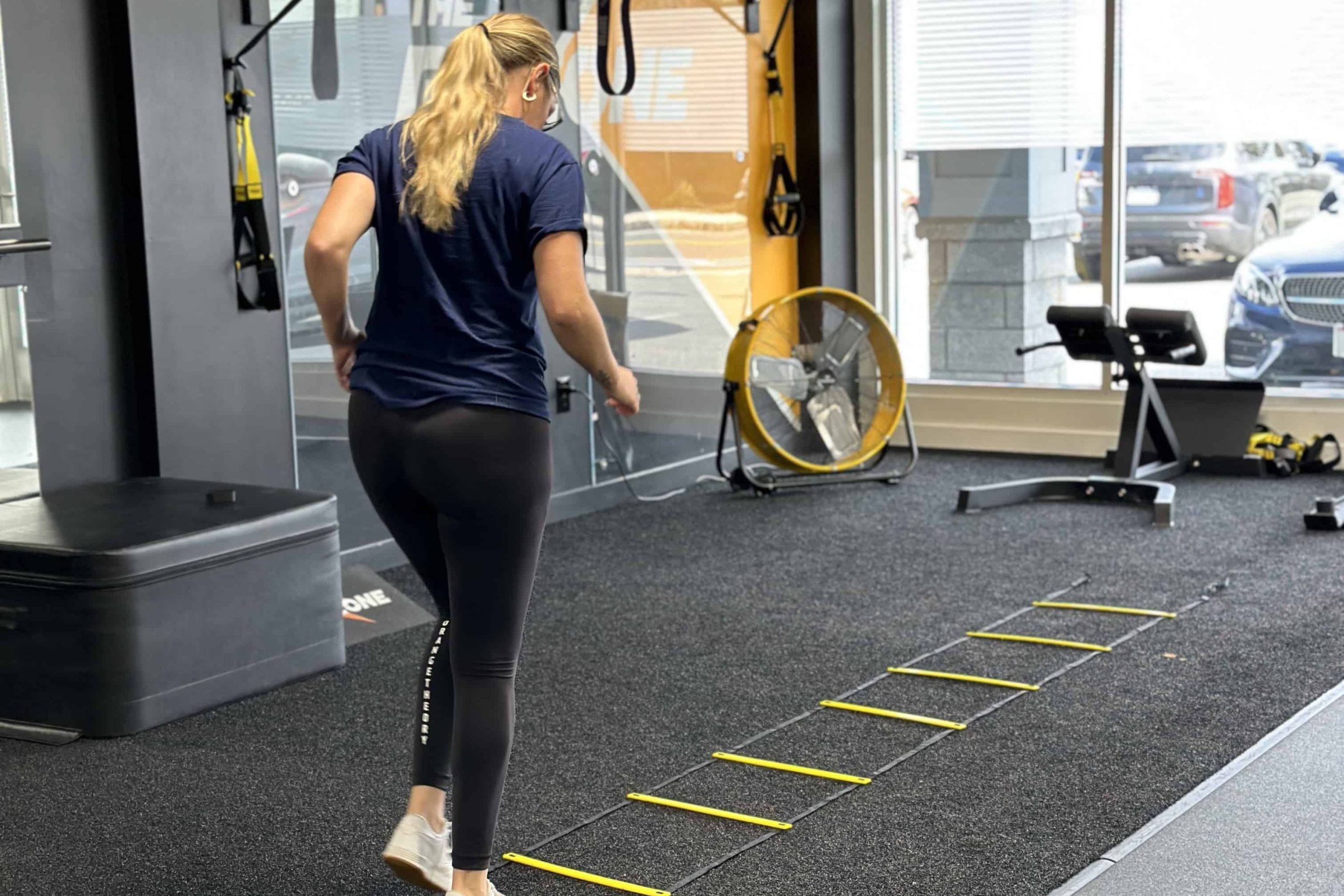
Physical Therapy for Runners focuses on refining running form, addressing muscle imbalances, and enhancing lower-limb stability to prevent injuries and boost performance.
-
Neuromuscular Massage Therapy
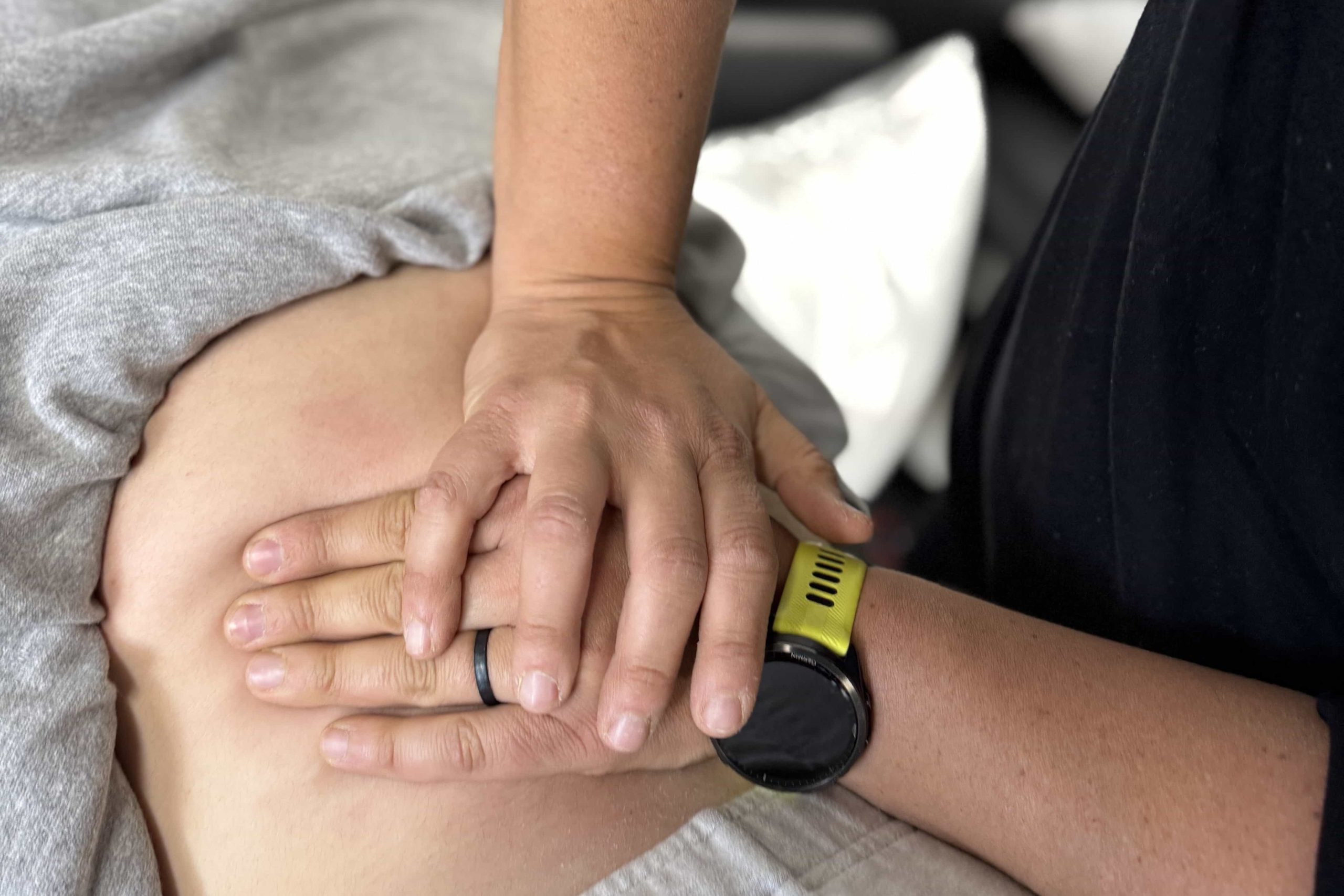
Neuromuscular Massage Therapy (NMT) precisely targets trigger points in muscles and connective tissues, relieving tension, restoring proper function, and promoting long-term pain relief.

At The PT Zone, we’re committed to helping you achieve long-term relief and restore your ability to move freely and without pain.
Our holistic approach to low back pain emphasizes both short-term relief and lifelong strategies to safeguard your spine. Let us guide you toward a stronger, more stable back—and a brighter, pain-free future.
Common Questions from Low Back Pain Clients
1. What are the most common causes of low back pain?
Low back pain often stems from muscle strains, herniated discs, spinal stenosis, or degenerative changes in the spine. Poor posture, sedentary habits, and repetitive bending or lifting can also contribute to ongoing discomfort. Sometimes, underlying conditions such as arthritis or scoliosis exacerbate these issues, making proper diagnosis and a personalized treatment plan essential for effective relief.
2. Can physical therapy really help with chronic back pain?
Yes. Physical therapy targets the root causes of your discomfort by addressing muscle imbalances, improving spinal mobility, and teaching safer movement patterns. Through guided exercises, manual therapy, and customized care, many clients experience significant pain reduction and better function. Chronic back issues don’t have to be permanent; with consistent therapy and lifestyle adjustments, you can find long-lasting relief.
3. How long does it take to recover from low back pain?
Recovery time varies depending on the severity of your condition, your overall health, and how faithfully you follow your therapy plan. Many clients see noticeable improvements within a few weeks, while more entrenched or complex conditions could take a few months. Consistent, tailored exercises and proper body mechanics often speed progress and help prevent recurrences in the future.
4. Should I rest completely, or continue being active?
Gone are the days when bed rest was the standard recommendation for back pain. Light to moderate activity, especially under the guidance of a physical therapist, often aids in recovery by promoting blood flow, reducing stiffness, and strengthening supportive muscles. A balanced approach—avoiding strenuous moves that aggravate pain while staying active in safe, targeted ways—tends to produce the best outcomes. Total inactivity can lead to muscle atrophy and prolonged discomfort.
5. Do I need imaging, like an MRI, before starting therapy?
Not always. Many low back issues can be effectively diagnosed and treated based on a thorough clinical evaluation. Imaging might be recommended if your symptoms suggest a more serious condition (like severe nerve compression or structural abnormalities) or if you fail to improve with conservative care. Your therapist and healthcare provider will decide if imaging is necessary. In many cases, beginning a structured therapy program first can yield significant improvements without the need for advanced diagnostics.
6. Which exercises are best for strengthening my low back?
It depends on your individual needs and underlying issues. Generally, exercises that engage the core and stabilize the spine—such as planks, bridges, or gentle yoga stretches—are beneficial. However, each back is different, so a physical therapist evaluates your muscle imbalances, posture, and movement patterns to select the most appropriate exercises for you. Proper technique is crucial; even a well-intentioned exercise can exacerbate pain if performed incorrectly.
7. How can I prevent future low back pain flare-ups?
Maintaining a regular exercise routine, focusing on core strength, and practicing good posture are key. Your therapist will likely recommend ongoing stretching and strengthening exercises you can do at home or in the gym. Being mindful of ergonomics—like setting up your workspace correctly and lifting objects with proper technique—also goes a long way. By continuing to engage in healthy movement habits, you can help protect your back from repeated strains or injuries.