
If you’re struggling with persistent joint pain, stiffness, and swelling that interferes with your daily activities, you may be dealing with arthritis. At The PT Zone, we specialize in helping clients find relief from arthritic discomfort and regain functional movement through evidence-based physical therapy techniques.
- Reduce joint inflammation and stiffness
- Improve circulation to nourish damaged cartilage
- Strengthen supporting muscles for better stability
- Enhance range of motion for greater flexibility
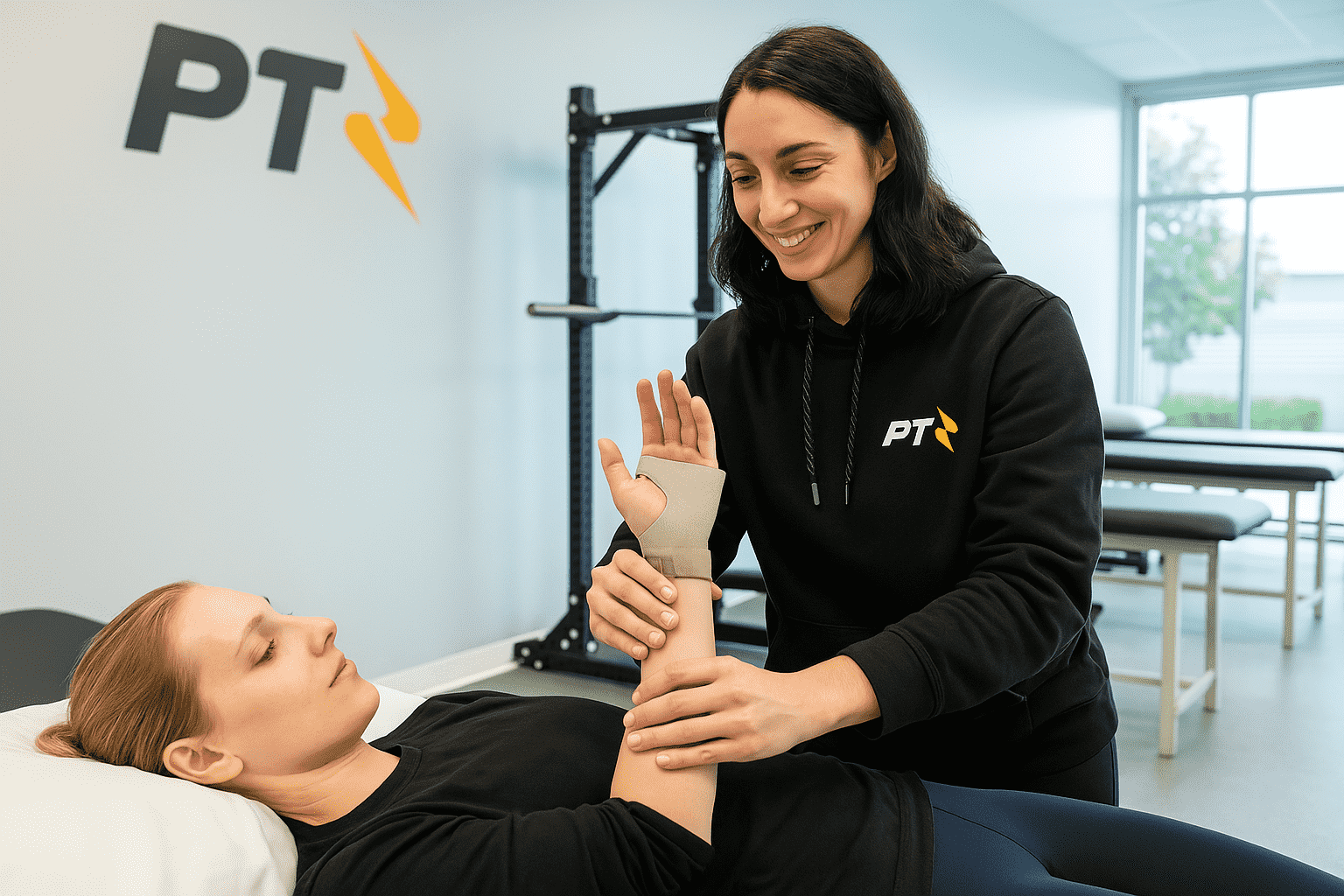
Find Lasting Relief and Renewed Mobility
Arthritis, in any of its various forms, can create a daily battle with discomfort. Simple tasks like gripping a pen, climbing stairs, or even walking for extended periods can become daunting due to inflammation and joint degeneration. Although it’s more common among older adults, arthritis can also impact younger individuals, especially those with a family history of the condition or who have experienced injuries that predispose them to joint problems. At The PT Zone, we understand that each case of arthritis is unique, and we prioritize careful assessments to target the specific challenges you face. By examining your range of motion, posture, and muscle balance, we gain critical insights into how best to address your arthritic pain.
Our philosophy goes beyond pain management. We focus on restoring functionality and supporting joint health over the long term. Through a combination of personalized exercise programs, gentle manual therapy, and patient education, our team helps you adapt your movements to safeguard vulnerable joints. This approach not only eases discomfort but also empowers you to maintain an active lifestyle, whether that means walking your dog, pursuing a favorite hobby, or simply performing household tasks without dread. By prioritizing flexibility, strength, and correct alignment, we aim to build a strong foundation for the future.
Our tailored programs also emphasize gradual progressions, ensuring we never overstrain affected joints. Depending on your needs, sessions may include targeted exercises like low-impact resistance routines to fortify the muscles that support your arthritic joints. Likewise, we incorporate techniques to enhance proprioception—your body’s sense of position—so that every movement you make is more stable and confident. By coupling active exercises with modalities to reduce inflammation, such as gentle joint mobilizations or ultrasound therapy, we aim to ease pain while building up your resilience.
Ultimately, our goal is to help you reclaim a sense of control over your body. Arthritis can be frustrating, but with the right plan and consistent care, it doesn’t have to dictate your life. From simple lifestyle adjustments to comprehensive therapy regimens, each strategy is chosen with your comfort, safety, and long-term improvement in mind. By tackling not just the symptoms but the functional limitations that arthritis brings, we work alongside you to cultivate genuine, lasting relief.
Our Therapies for Arthritis Recovery:
Each of our therapies focuses on alleviating joint stress and optimizing your body’s ability to move without pain. Below, explore a selection of targeted services designed to aid in arthritis recovery.
-
Balance Training
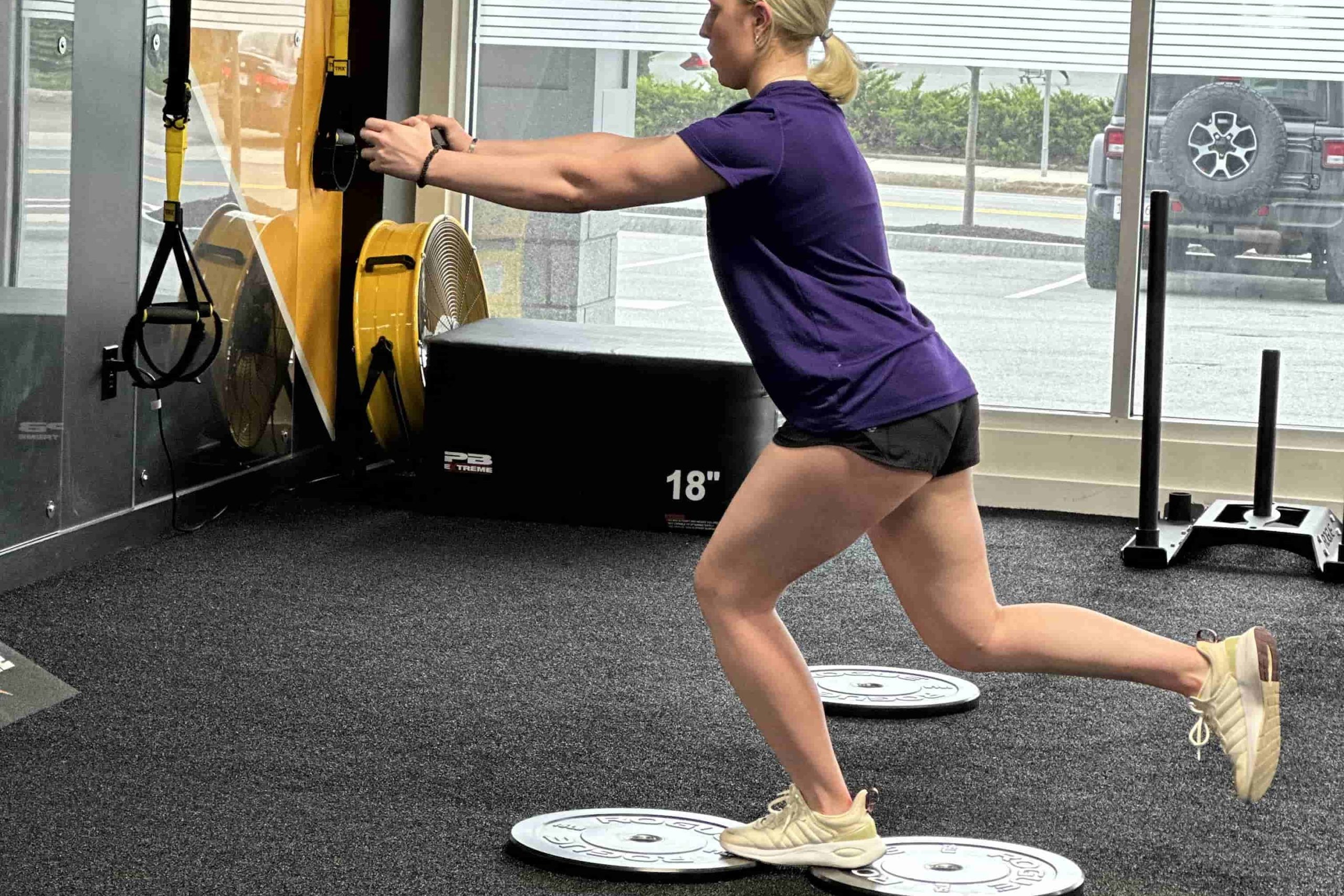
Balance Training is a specialized approach that strengthens stabilizing muscles, enhances coordination, and reduces fall risks, ultimately improving posture and promoting confident movement.
-
Certified Manual Therapy
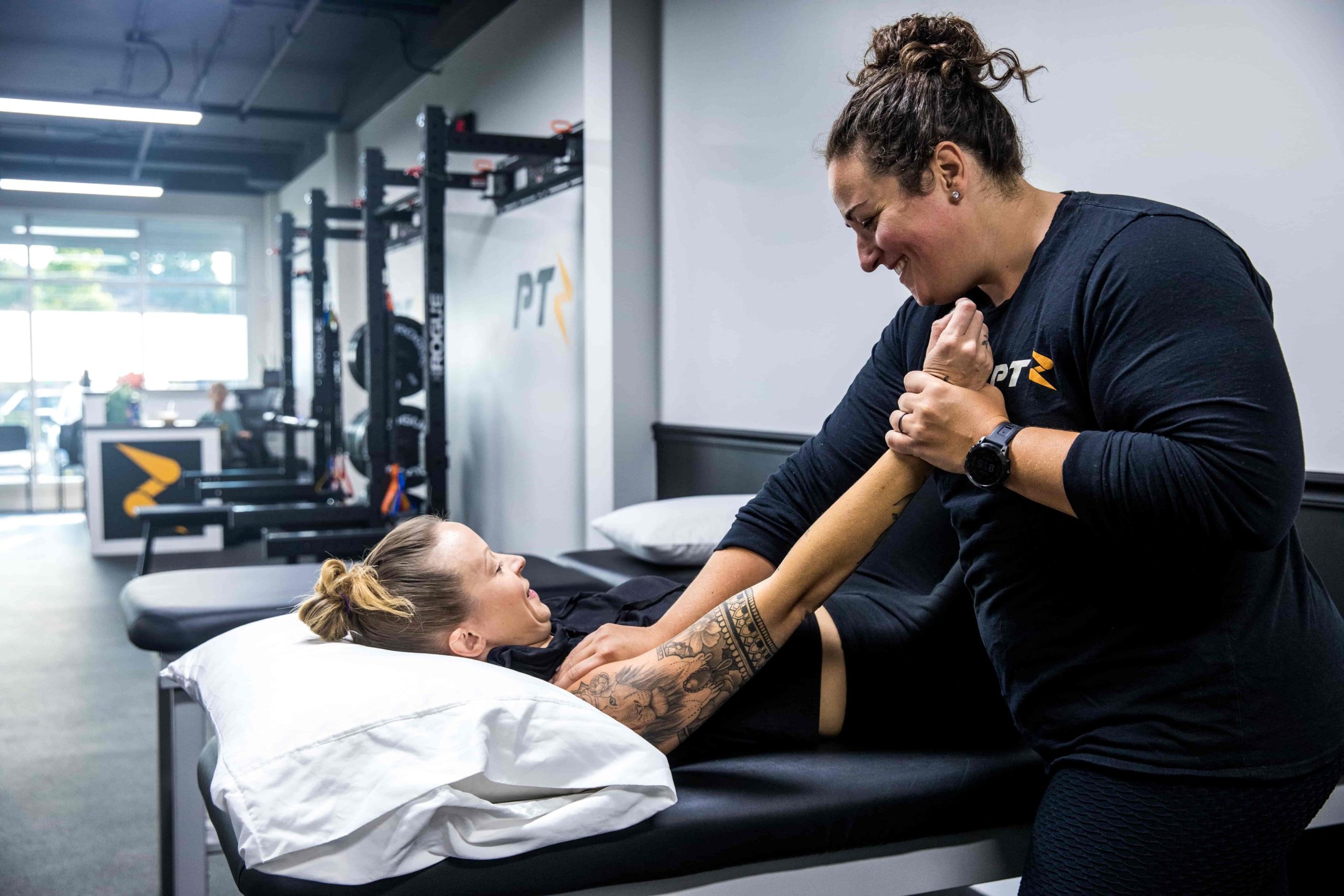
Certified Manual Therapy is a hands-on approach that addresses joint, muscle, and connective tissue dysfunction, reducing pain, improving alignment, and promoting faster, more efficient recovery.
-
Cupping
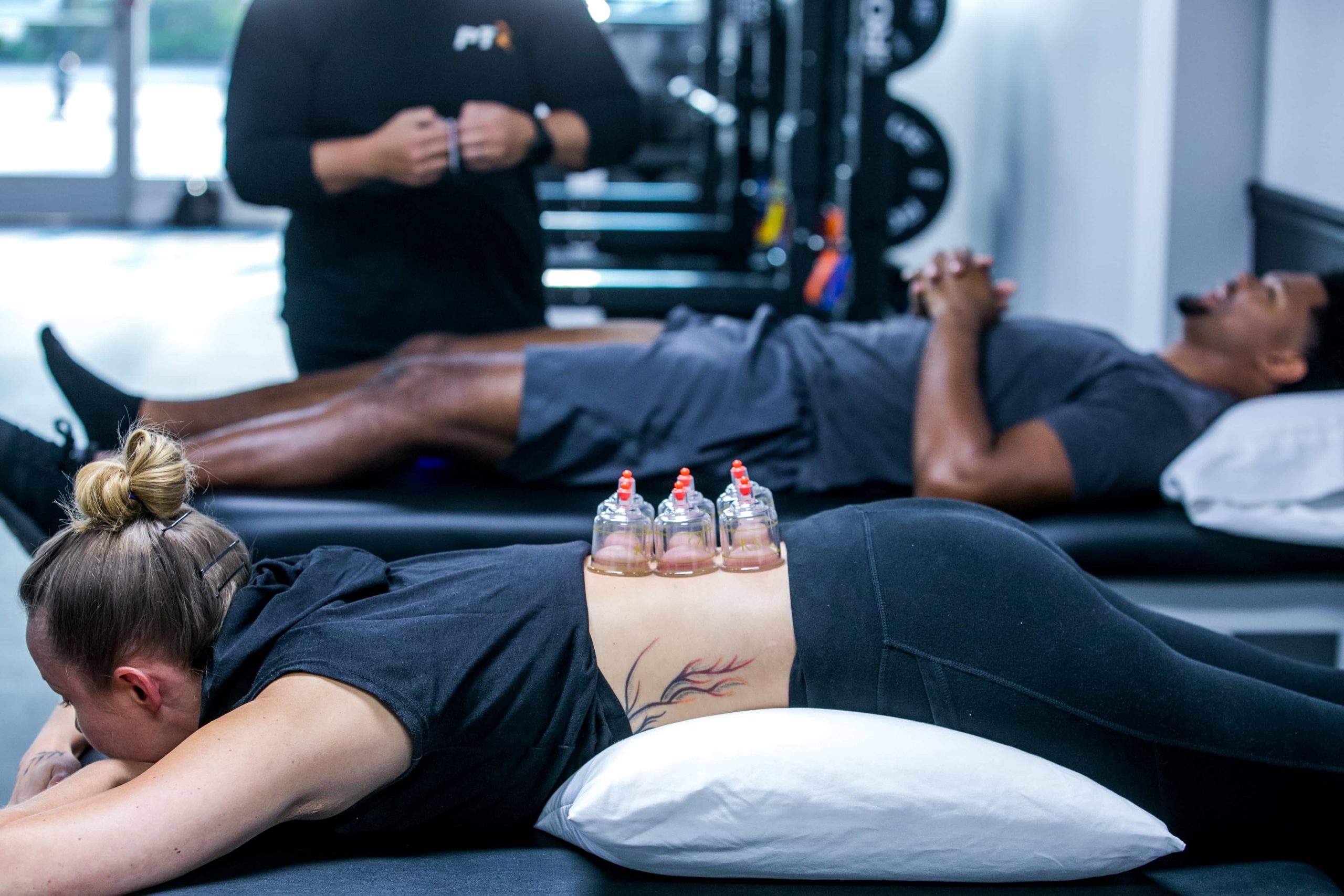
Cupping therapy is an ancient healing technique that uses suction to enhance circulation, relieve muscle tension, and promote the body’s natural recovery process.
-
Dry Needling
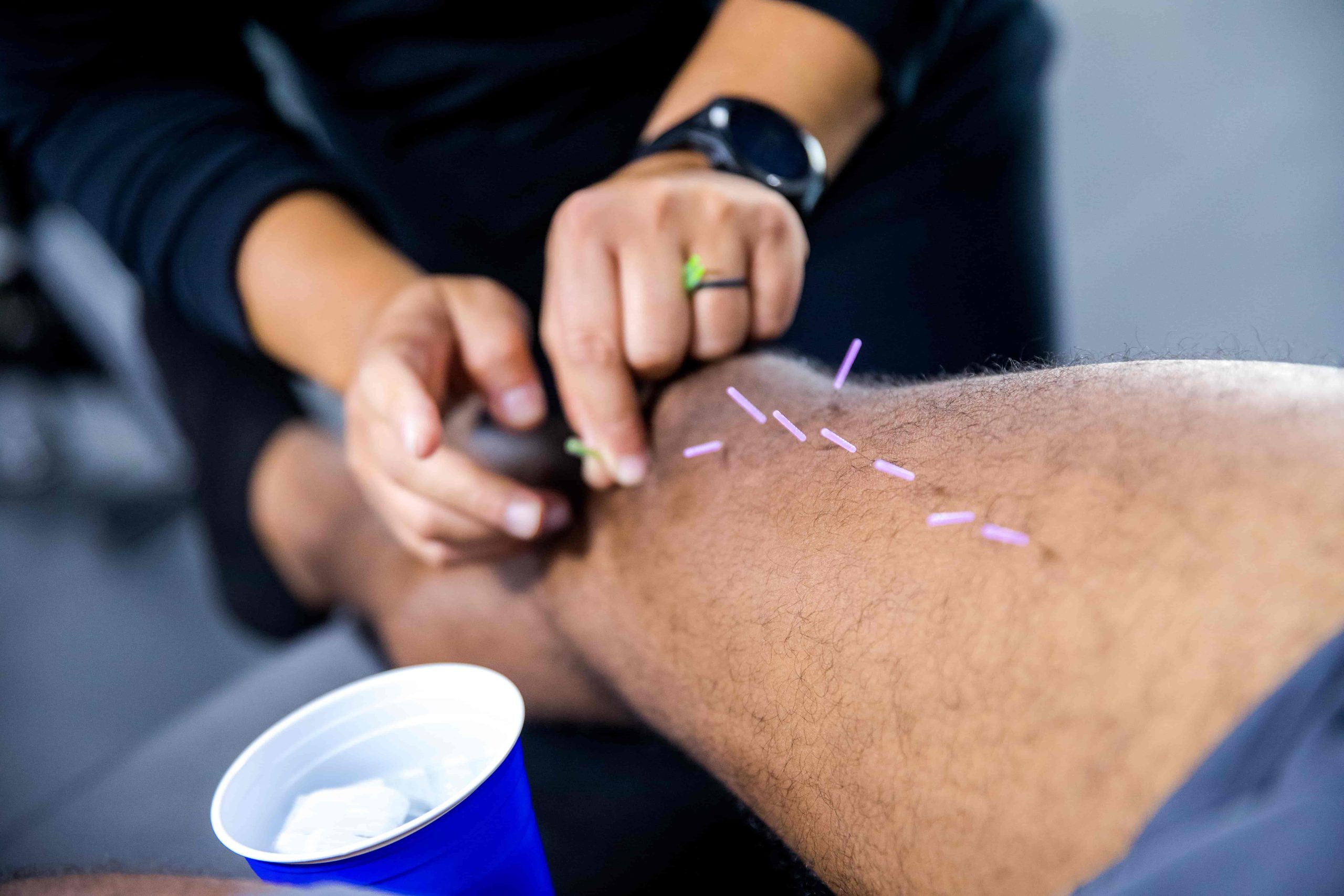
Dry needling is a modern therapy that targets muscle trigger points with thin needles to relieve pain, reduce tension, and restore mobility.
-
Gait Training
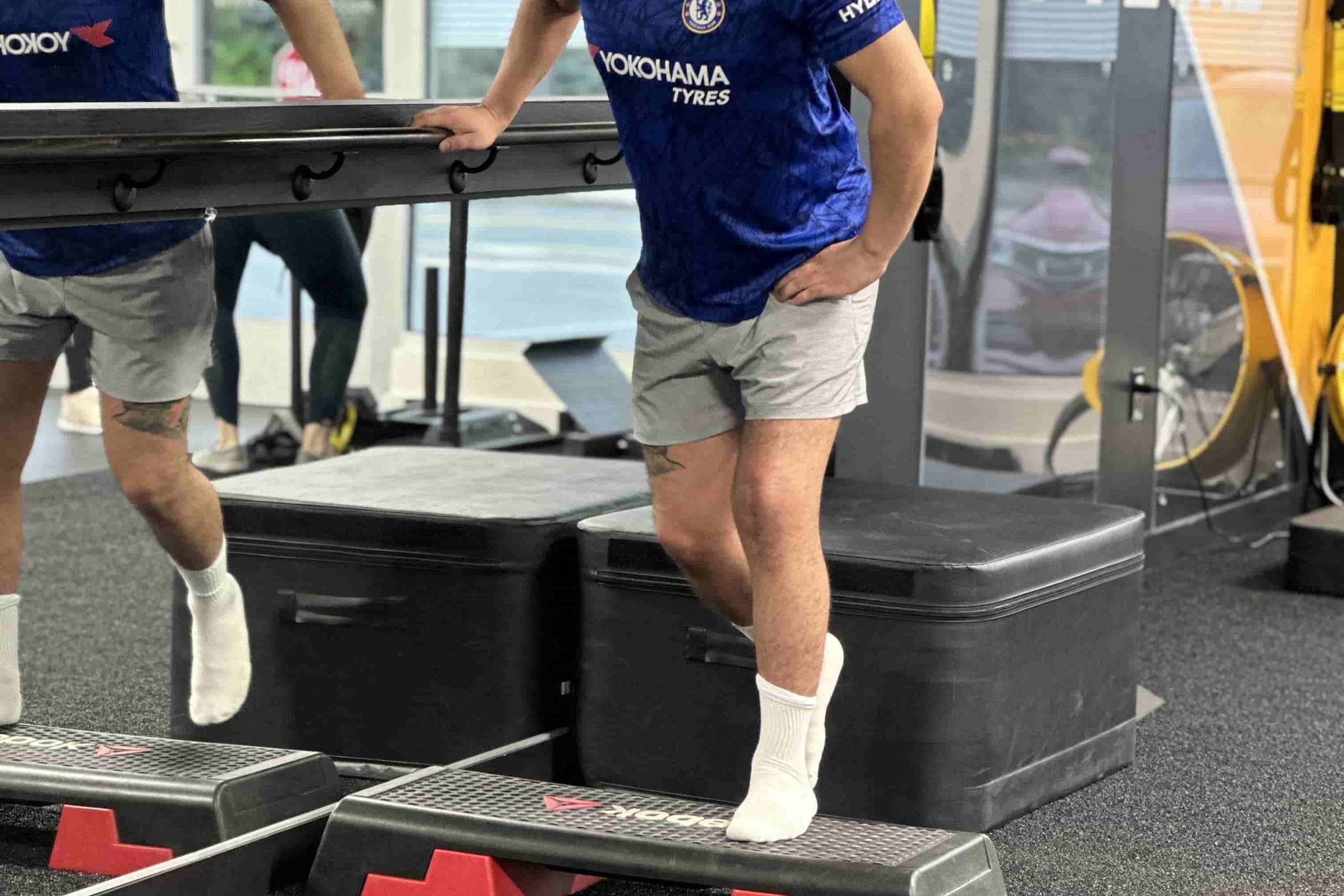
Gait Training is a specialized approach that enhances walking mechanics, improves lower-limb strength, and reduces re-injury risks, ultimately promoting more efficient movement.
-
Graston Technique
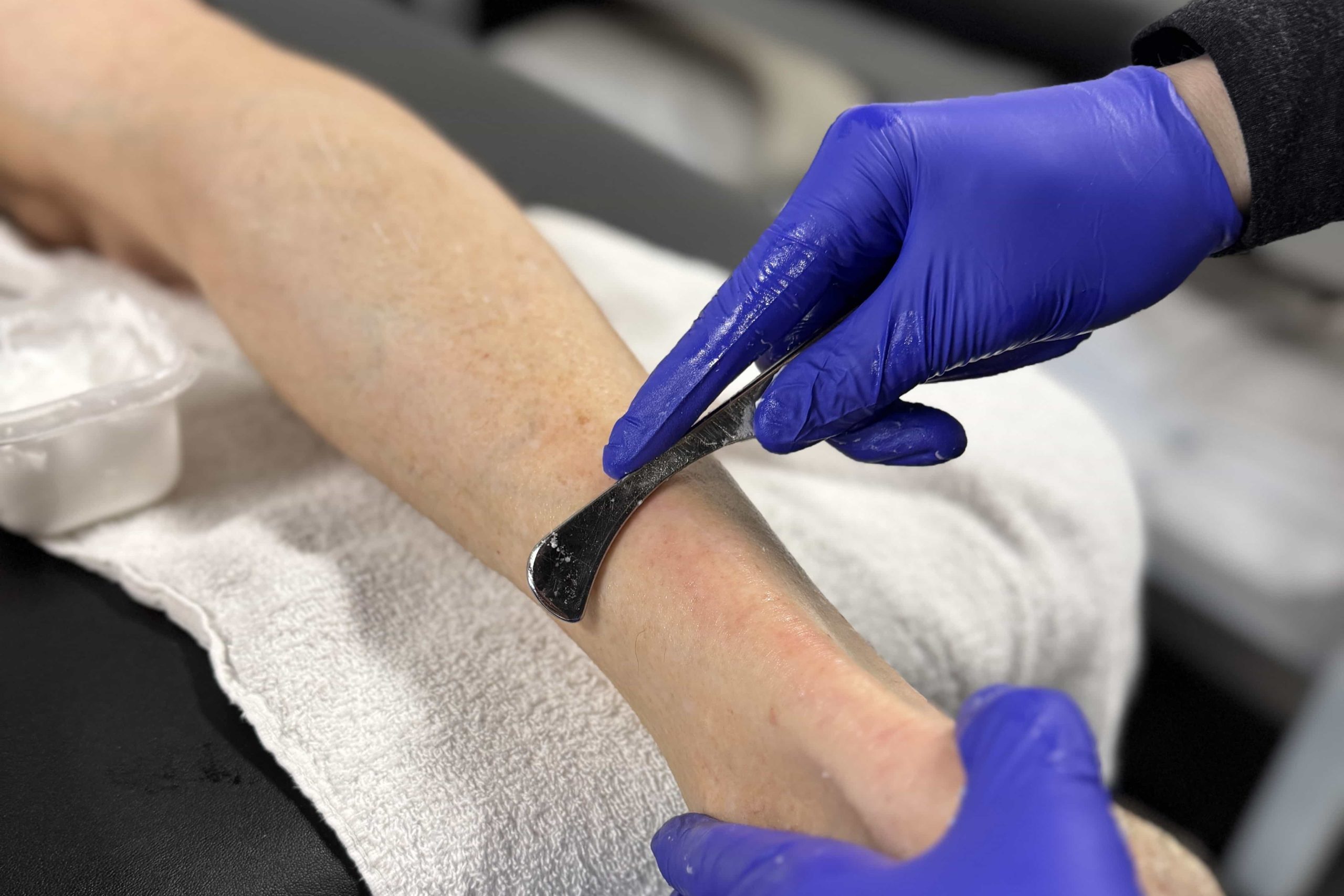
Graston Technique is a specialized manual therapy that uses stainless steel instruments to break down scar tissue, improve mobility, and accelerate healing.
-
Kinesiotaping
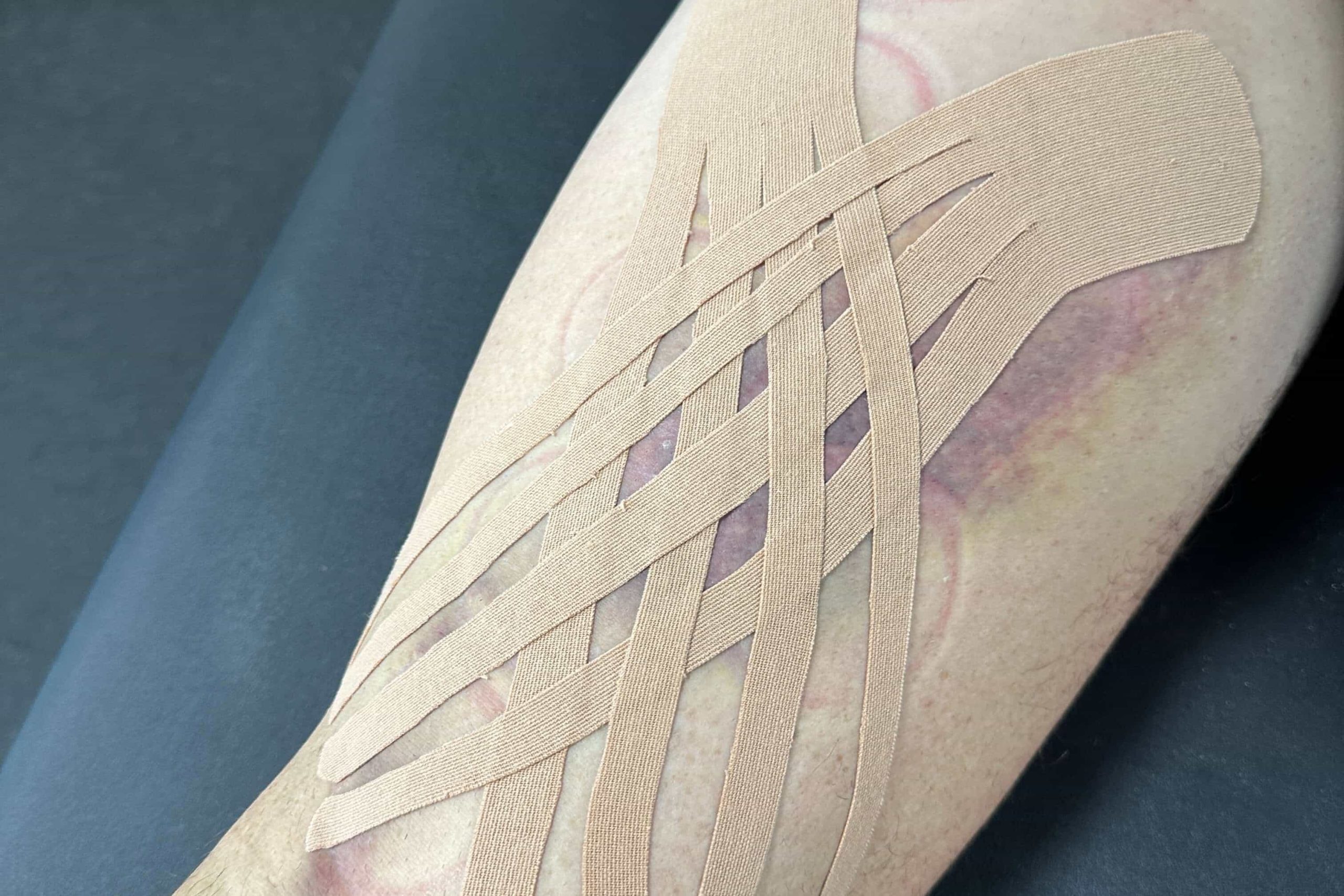
Kinesiotaping is a flexible taping method that provides gentle support, improves circulation, and helps maintain natural movement for a more comfortable and effective recovery.
-
Manual Traction
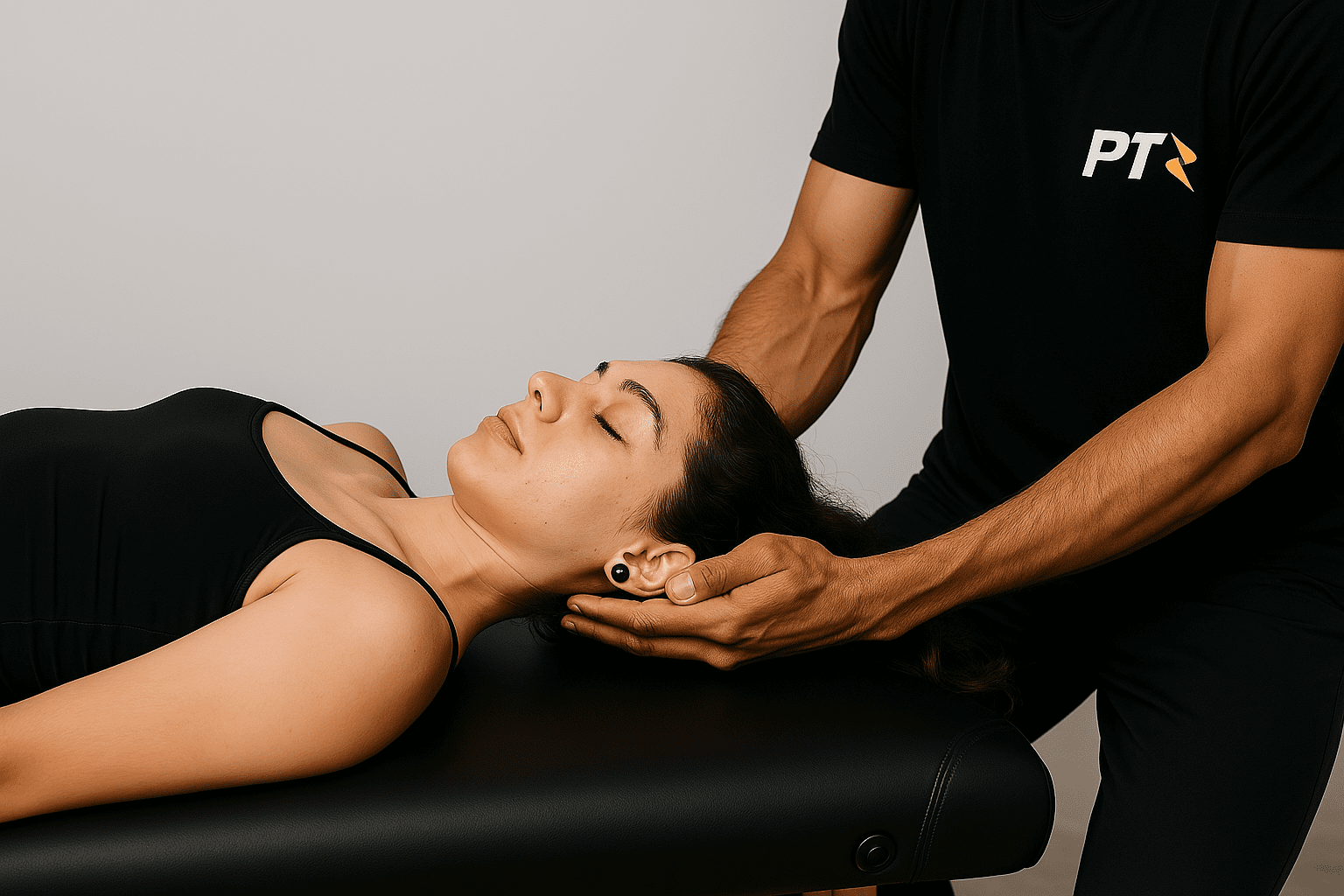
Manual Traction is a gentle, hands-on method used to decompress the spine, relieve pressure on discs and nerves, and improve overall comfort and mobility.
-
Post-Surgical Rehab
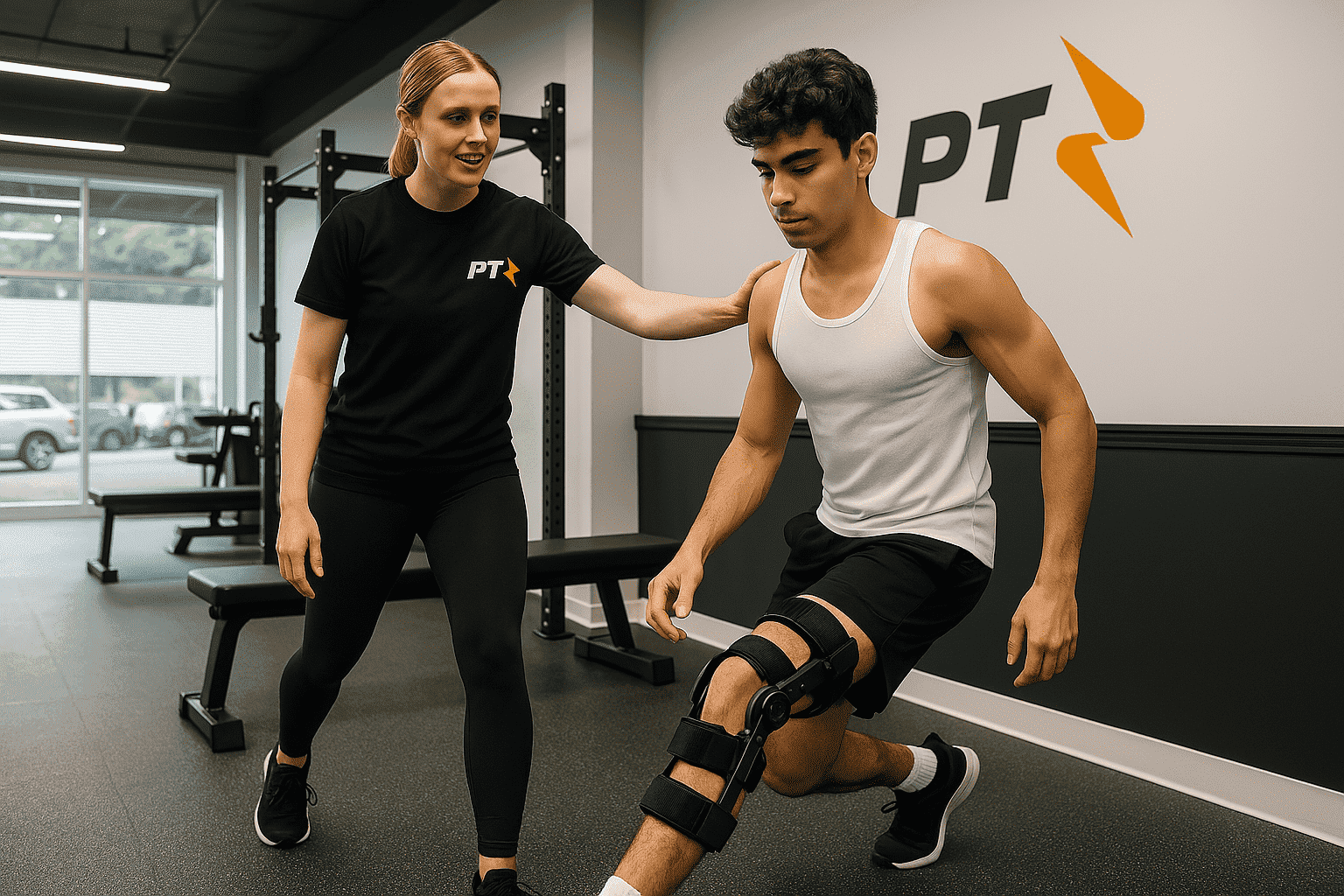
Post-Surgical Rehab is a structured recovery process designed to restore mobility, manage pain, and rebuild strength after surgery, ensuring a safer and faster return to your everyday activities or sports.
-
Physical Therapy for Weightlifters & CrossFit
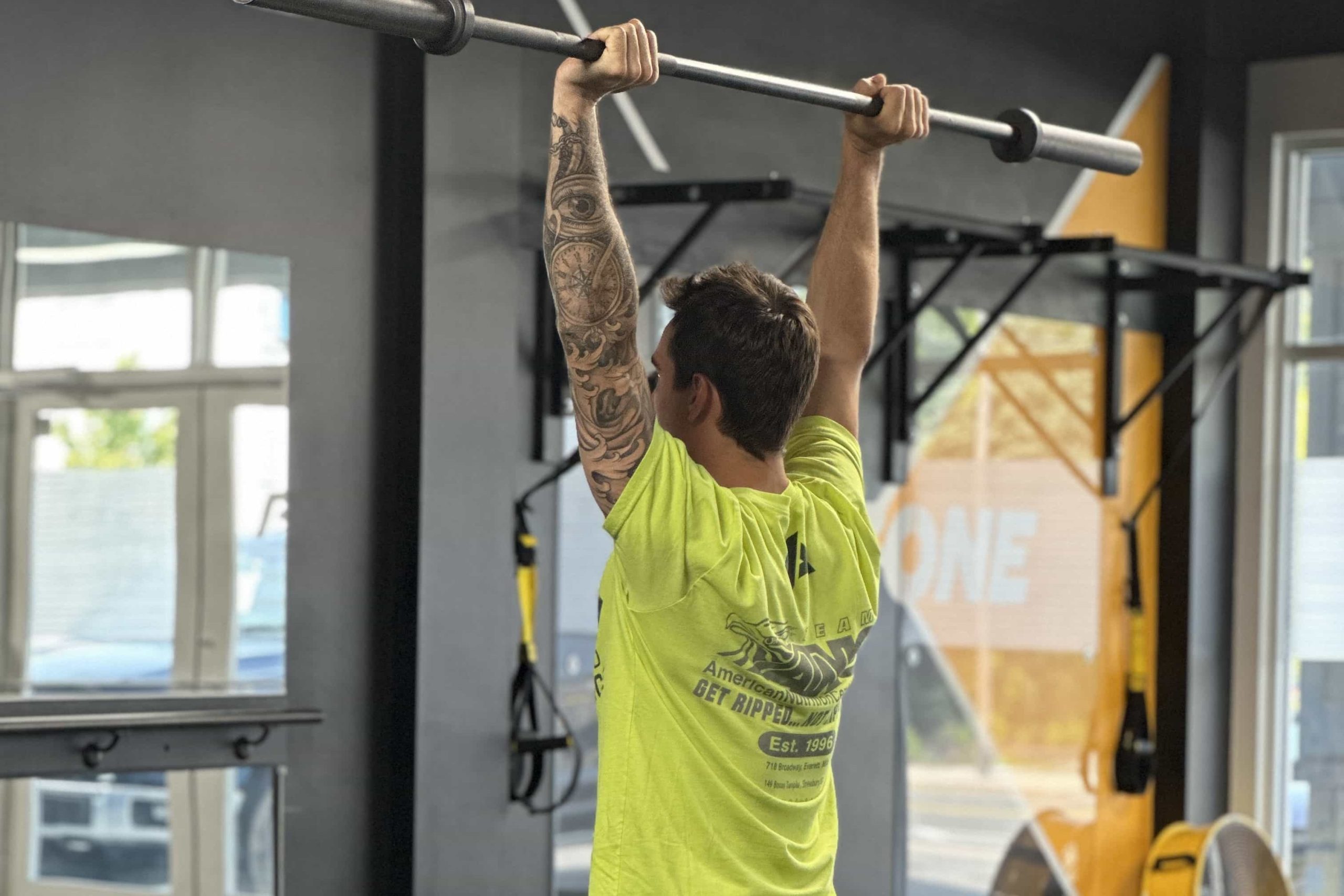
Physical Therapy for Weightlifters & CrossFit focuses on proper lifting mechanics, correcting muscle imbalances, and managing stress on joints to prevent pain, accelerate recovery, and enhance overall strength gains.
-
Physical Therapy For Runners
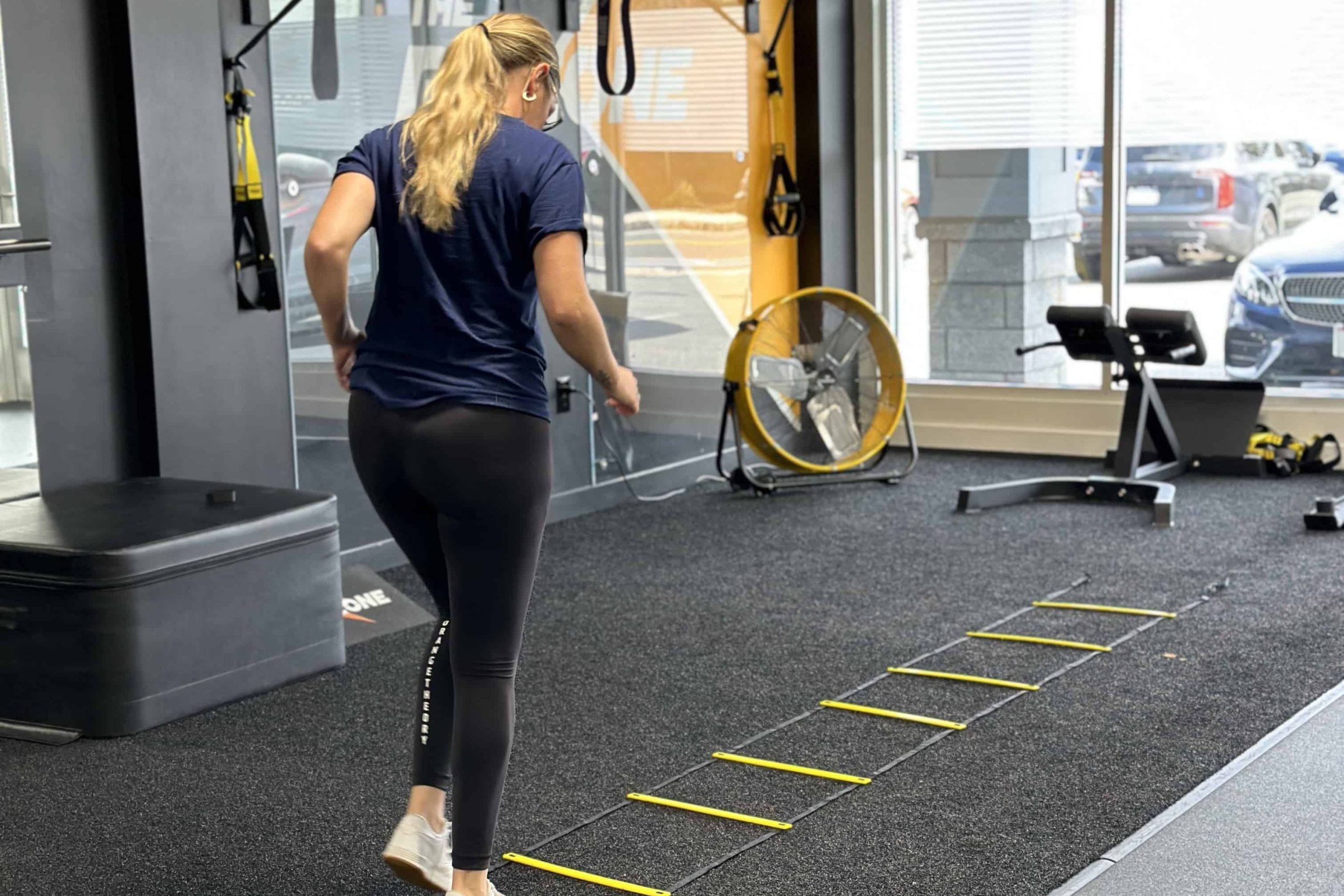
Physical Therapy for Runners focuses on refining running form, addressing muscle imbalances, and enhancing lower-limb stability to prevent injuries and boost performance.
-
Neuromuscular Massage Therapy
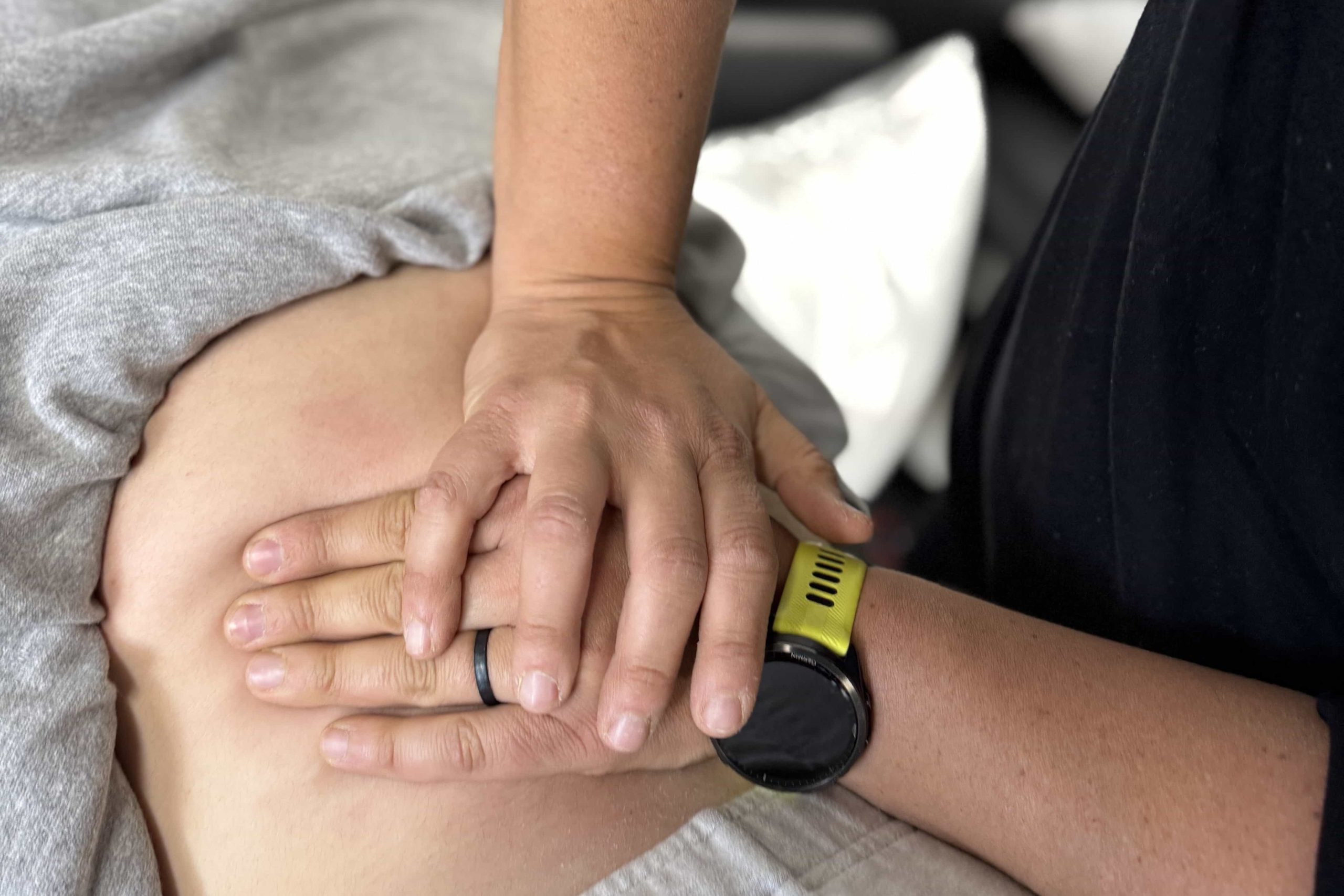
Neuromuscular Massage Therapy (NMT) precisely targets trigger points in muscles and connective tissues, relieving tension, restoring proper function, and promoting long-term pain relief.

At The PT Zone, we’re committed to helping you achieve long-term relief and restore your ability to move freely and without pain.
Our comprehensive approach ensures we address not only the discomfort associated with arthritis but also the biomechanical factors that influence how your joints function. From day one, we partner with you to foster sustainable improvements and a renewed sense of confidence in your movement.
Common Questions from Arthritis Clients
1. Can physical therapy really help with arthritis pain?
Yes. Physical therapy plays a vital role in managing the pain and mobility challenges caused by arthritis. By focusing on targeted exercises, you can strengthen the supporting muscles around your affected joints, which helps absorb stress and reduce discomfort. Additionally, therapeutic techniques like heat or ultrasound may improve blood flow to the inflamed tissues, promoting healing and easing stiffness. Over time, these methods can help delay or even avoid the need for more invasive treatments.
2. How often should I attend physical therapy sessions for arthritis?
Your therapy frequency will depend on factors like how advanced your arthritis is and how well you respond to each session. Most clients benefit from 1–2 sessions a week initially, allowing time for rest and application of home exercises. As you progress, your therapist may adjust the schedule to maintain gains and address lingering challenges. Ultimately, a consistent yet flexible approach gives your joints the best chance to adapt and heal at a steady pace.
3. Is it safe to exercise with arthritic joints?
In many cases, yes, but it’s crucial to follow a program that’s specifically designed for your condition. Physical therapists can show you low-impact exercises that minimize stress on the joints while still building muscle strength and flexibility. Gentle activities, such as swimming or using an elliptical, often help clients maintain cardiovascular health without exacerbating joint pain. Over time, controlled exercise routines can actually help stabilize the joints, improving function and reducing flare-ups.
4. Can physical therapy prevent my arthritis from worsening?
While there’s no definitive cure for arthritis, physical therapy can slow its progression by improving joint alignment and strengthening nearby muscles. When the supporting structures around the joint are strong, the joint itself experiences less wear and tear. This can significantly cut down on pain levels and might help you avoid certain invasive interventions down the line. By learning proper movement patterns and continuing with a home exercise routine, you can maintain these benefits over the long haul.
5. Will I eventually need surgery for arthritis?
Surgery can be an option for more advanced cases or when joint damage is severe. However, many people with arthritis manage their condition successfully with non-surgical methods like physical therapy, medication, and lifestyle adjustments. By keeping up with your therapy sessions and adhering to a personalized exercise routine, you may significantly reduce or delay the need for surgical intervention. Nonetheless, every situation is unique, and ongoing collaboration with your healthcare team ensures you make well-informed decisions.
6. How long does it take to see improvements from physical therapy?
Progress varies, but some people start experiencing reduced pain and improved mobility within a few sessions. Factors like your overall health, the severity of your arthritis, and how consistently you follow a home exercise routine all play pivotal roles in determining how fast you’ll see results. With steady therapy and proper self-care between sessions, you can build upon initial gains, eventually noticing less stiffness and greater flexibility. Remember that arthritis management is typically a marathon, not a sprint.
7. Are there lifestyle changes that can complement my physical therapy?
Absolutely. Simple adjustments like maintaining a healthy weight, optimizing your diet for anti-inflammatory benefits, and managing stress can support your therapy efforts. Low-impact activities like gentle yoga or swimming can further strengthen your joints without putting excessive pressure on them. Additionally, getting enough quality sleep helps your body repair and cope with daily strains. Together, these lifestyle choices and targeted therapy sessions create a well-rounded plan to manage arthritis effectively.