
A sideways curve in your spine—whether diagnosed in adolescence or discovered later in life—describes scoliosis. Mild curves may only cause posture concerns, while larger curves can trigger back fatigue, rib pain, or breathing limits. At The PT Zone, we craft curve‑specific programs that reduce discomfort, improve symmetry, and keep you active and confident.
- Ease muscular pain and tightness around spinal curves
- Enhance spinal mobility and thoracic expansion for easier breathing
- Strengthen core and postural muscles to slow curve progression
- Teach curve‑specific exercises for lifelong spine health
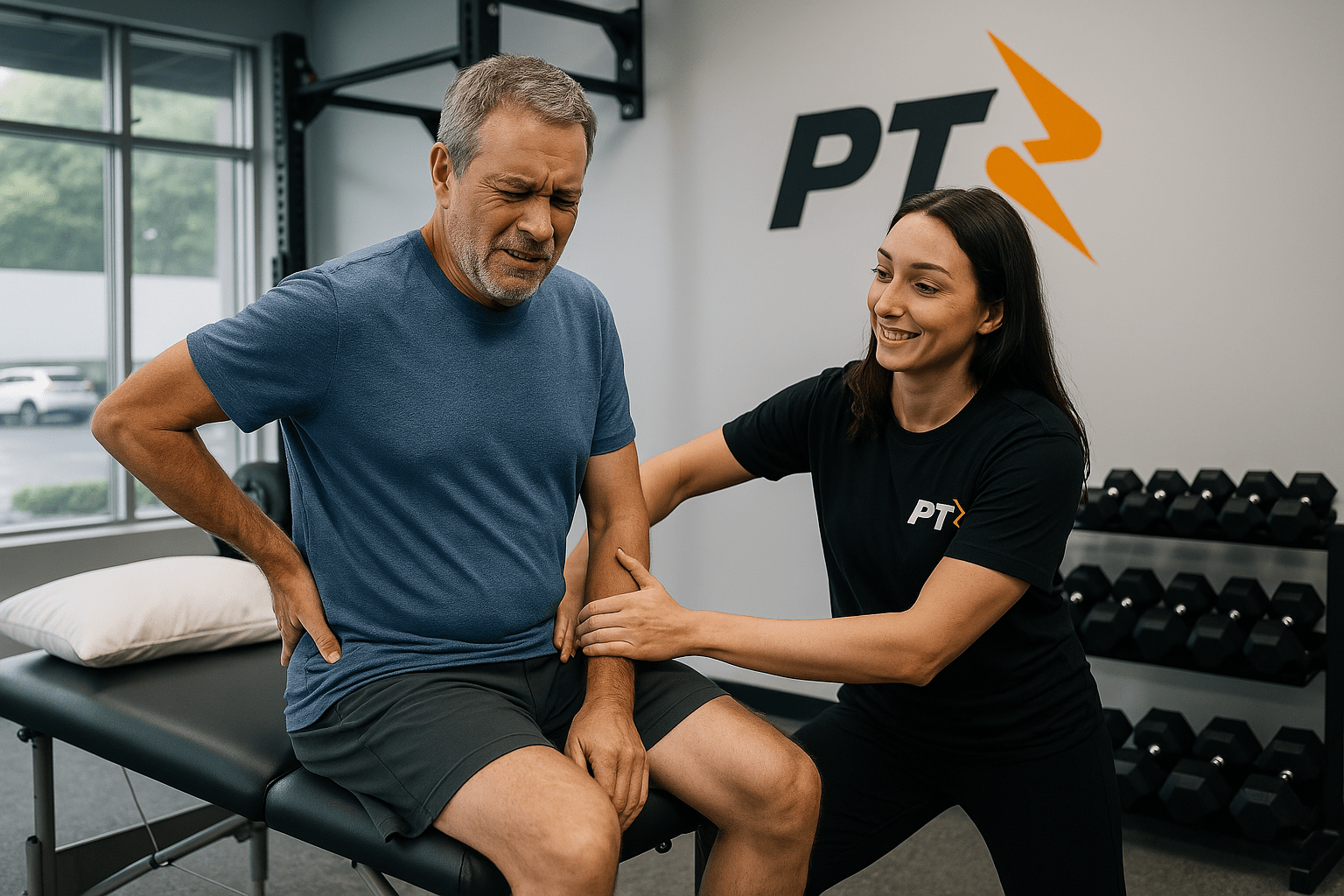
Straighten Up—
Strengthen Your Curve with Confidence
Scoliosis is more than an X‑ray finding; each curve pattern—thoracic, lumbar, double major—creates unique muscle imbalances and joint stresses. Weak deep core and multifidi let the spine drift, while tight concave‑side muscles and lengthened convex‑side tissues trap ribs and limit rotation. Our first priority at The PT Zone is a detailed postural and breathing assessment: measuring Cobb angle history, noting rib prominence, checking shoulder and pelvic alignment, and testing spinal flexibility. We then introduce curve‑specific elongation and derotation drills—think side‑shift or Schroth‑inspired breathing—that decompress the concave side and teach the ribs to expand where they’ve been stuck for years. Manual release to paraspinals and intercostals eases stiffness so corrective exercises can take hold.
Once mobility improves, we build targeted strength. Asymmetric planks, rotary bird dogs, and unilateral resistance band rows awaken underused convex‑side muscles, while anti‑rotation Pallof presses teach the spine to resist further deviation. We progress to functional patterns—split‑stance deadlifts, suitcase carries, kettlebell windmills—that load the spine evenly and reinforce a centered posture in real‑world tasks. Education on ergonomic setups, backpack weight, and sport technique keeps daily forces symmetrical, giving the curve fewer reasons to progress.
For adolescents in brace treatment, we integrate brace‑friendly mobility flows and core endurance circuits that fit the wearing schedule, making the orthosis more tolerable and effective. Adults managing degenerative scoliosis receive low‑impact conditioning—cycling, pool work—paired with spine unloading positions to calm facet irritation. Whatever your age, our goal is the same: a balanced spine capable of pain‑free work, sport, and sleep.
Most clients graduate reporting taller posture, easier breathing, reduced back fatigue, and the knowledge to maintain spinal health for decades. Your curve may not vanish, but your confidence and comfort will soar.
Our Therapies for Scoliosis Management:
Curve‑specific corrective exercise, Schroth‑style breathing, manual mobility work, core‑glute strengthening, and posture coaching—everything you need to tame scoliosis and live tall.
-
Balance Training
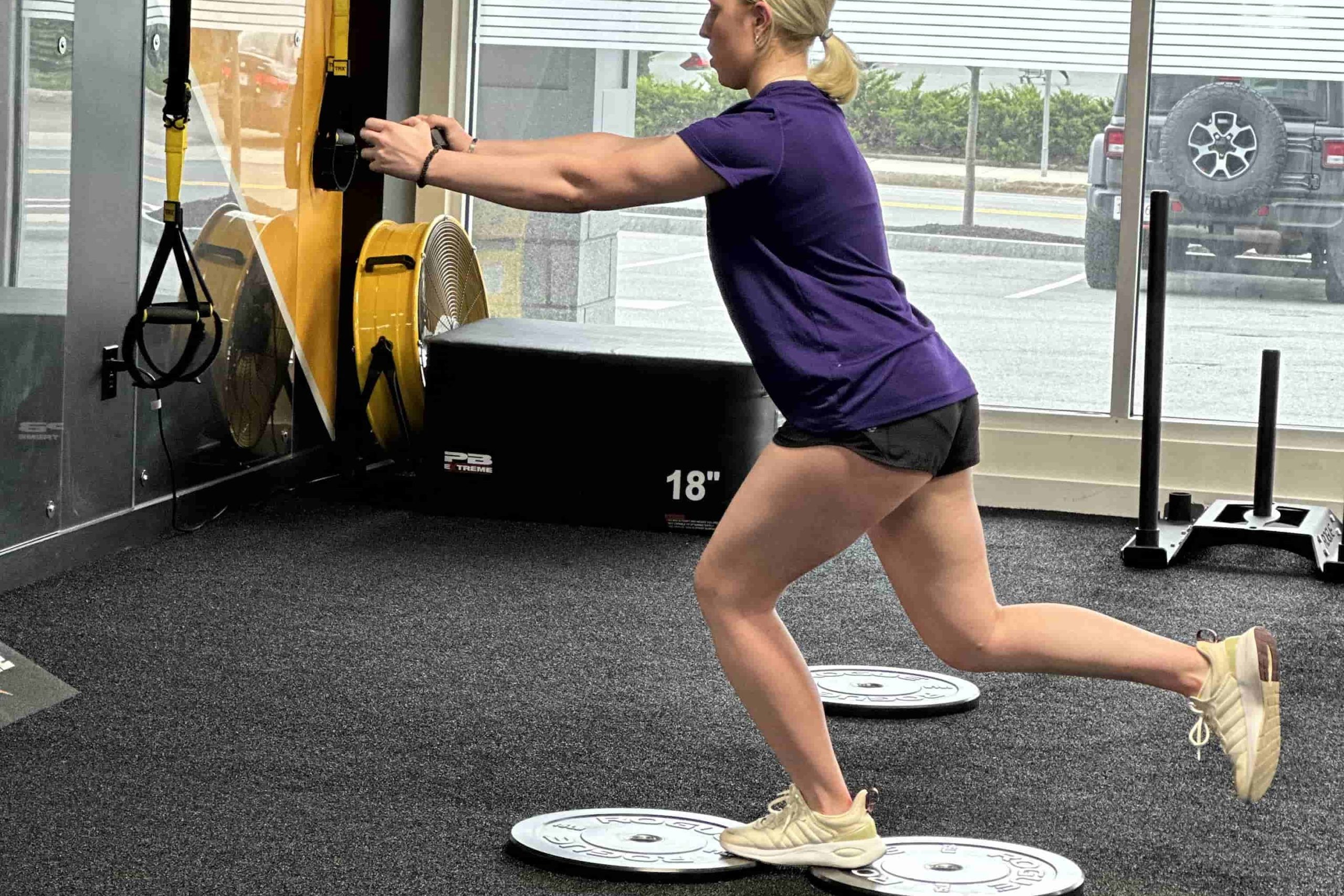
Balance Training is a specialized approach that strengthens stabilizing muscles, enhances coordination, and reduces fall risks, ultimately improving posture and promoting confident movement.
-
Certified Manual Therapy
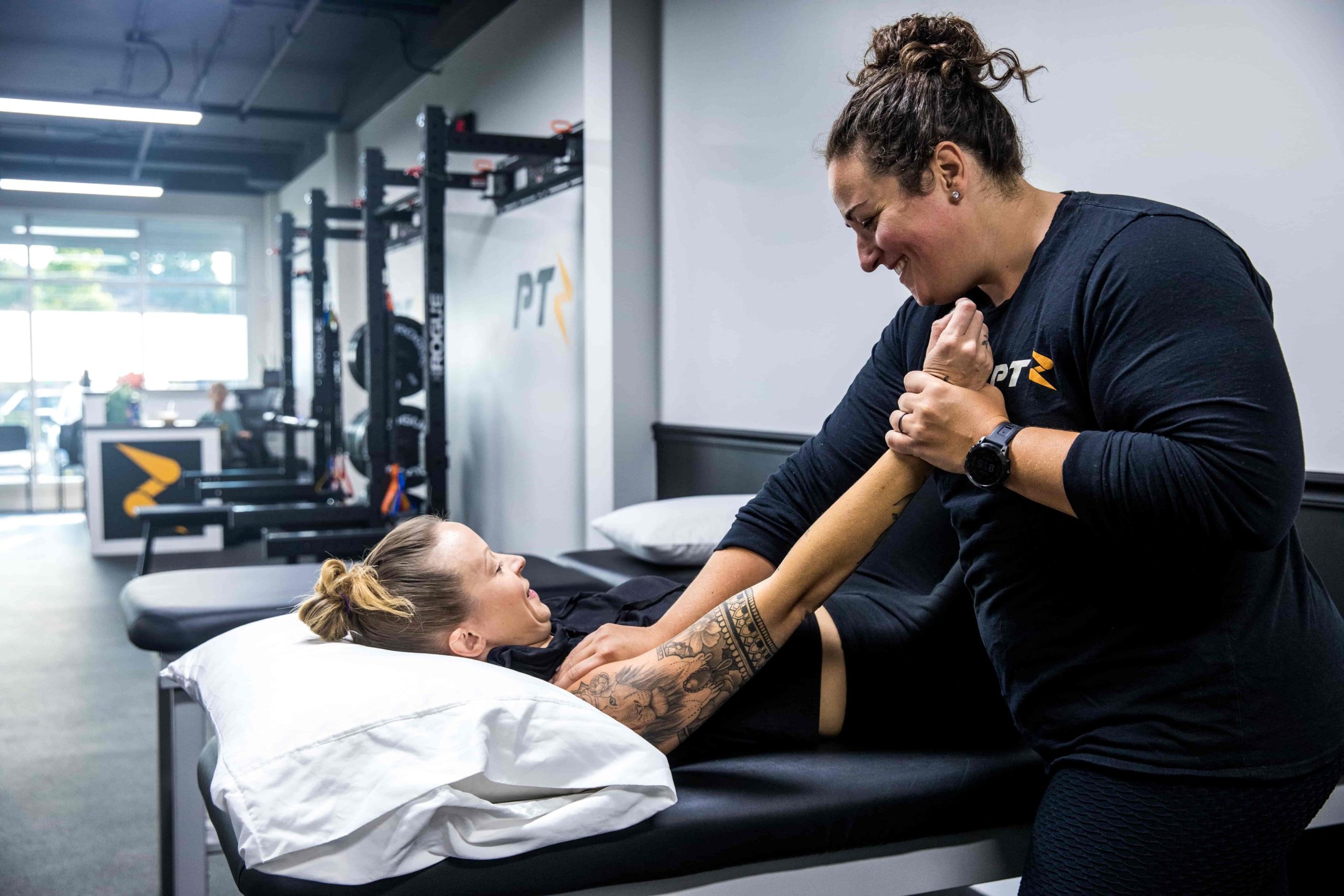
Certified Manual Therapy is a hands-on approach that addresses joint, muscle, and connective tissue dysfunction, reducing pain, improving alignment, and promoting faster, more efficient recovery.
-
Cupping
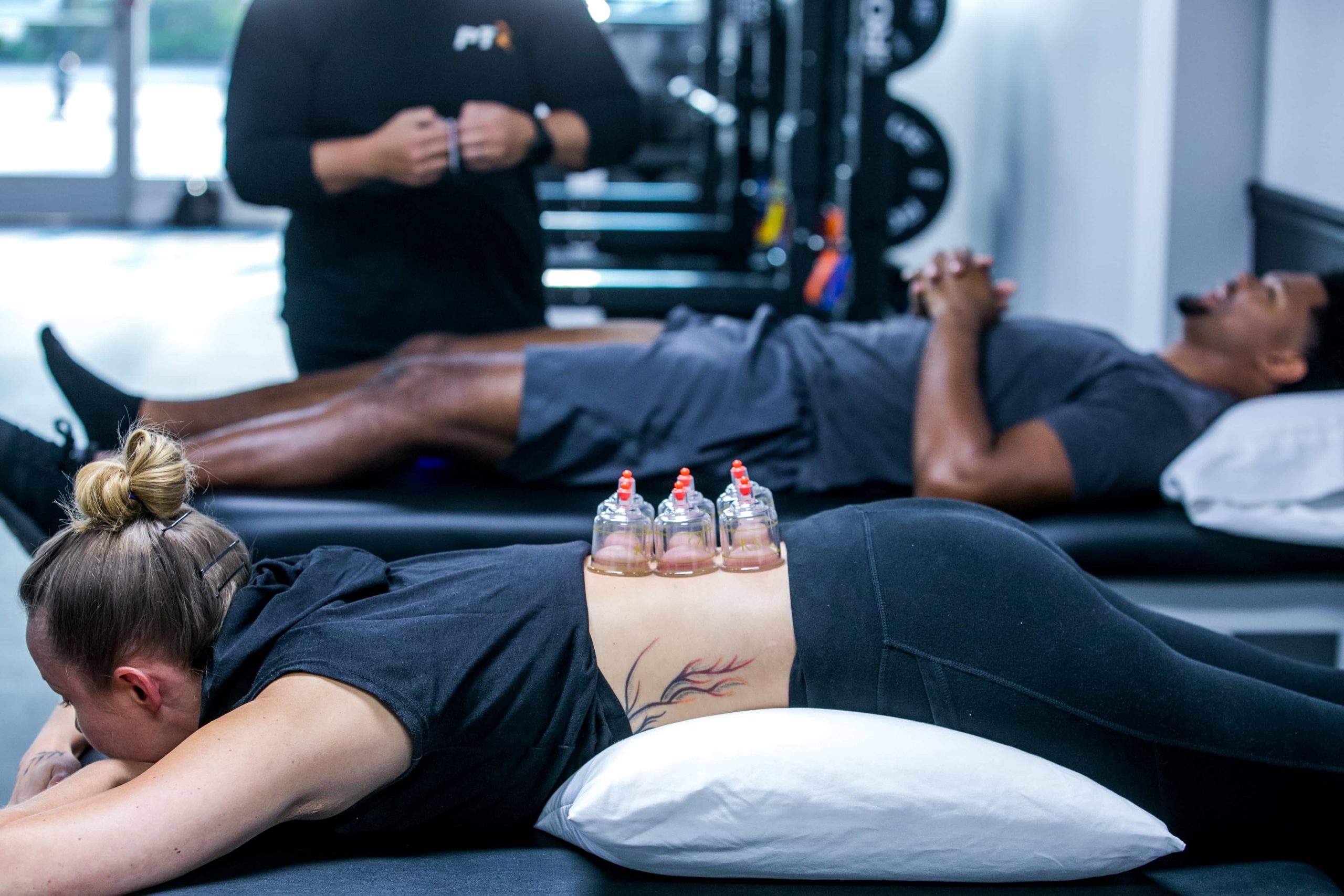
Cupping therapy is an ancient healing technique that uses suction to enhance circulation, relieve muscle tension, and promote the body’s natural recovery process.
-
Dry Needling
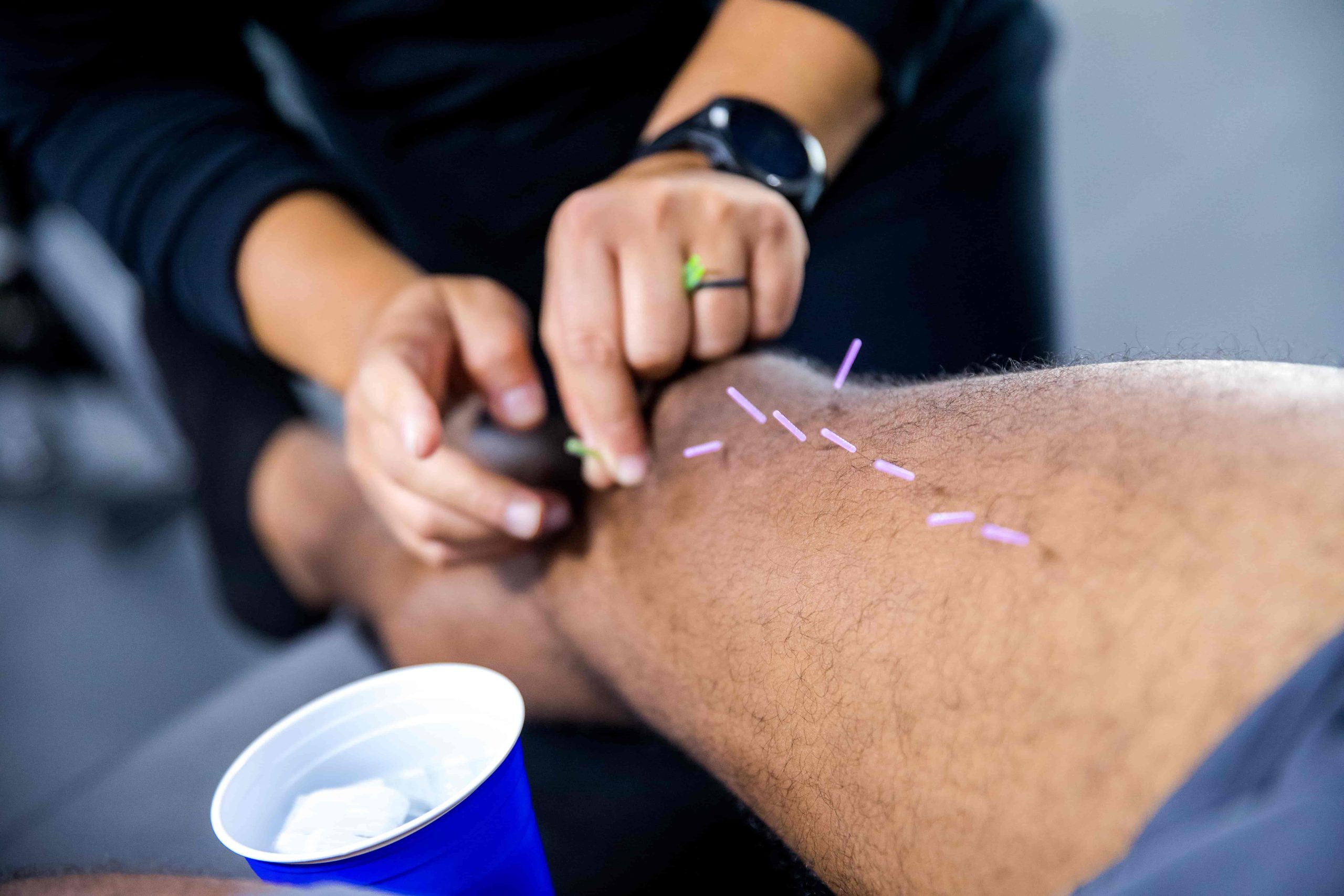
Dry needling is a modern therapy that targets muscle trigger points with thin needles to relieve pain, reduce tension, and restore mobility.
-
Gait Training
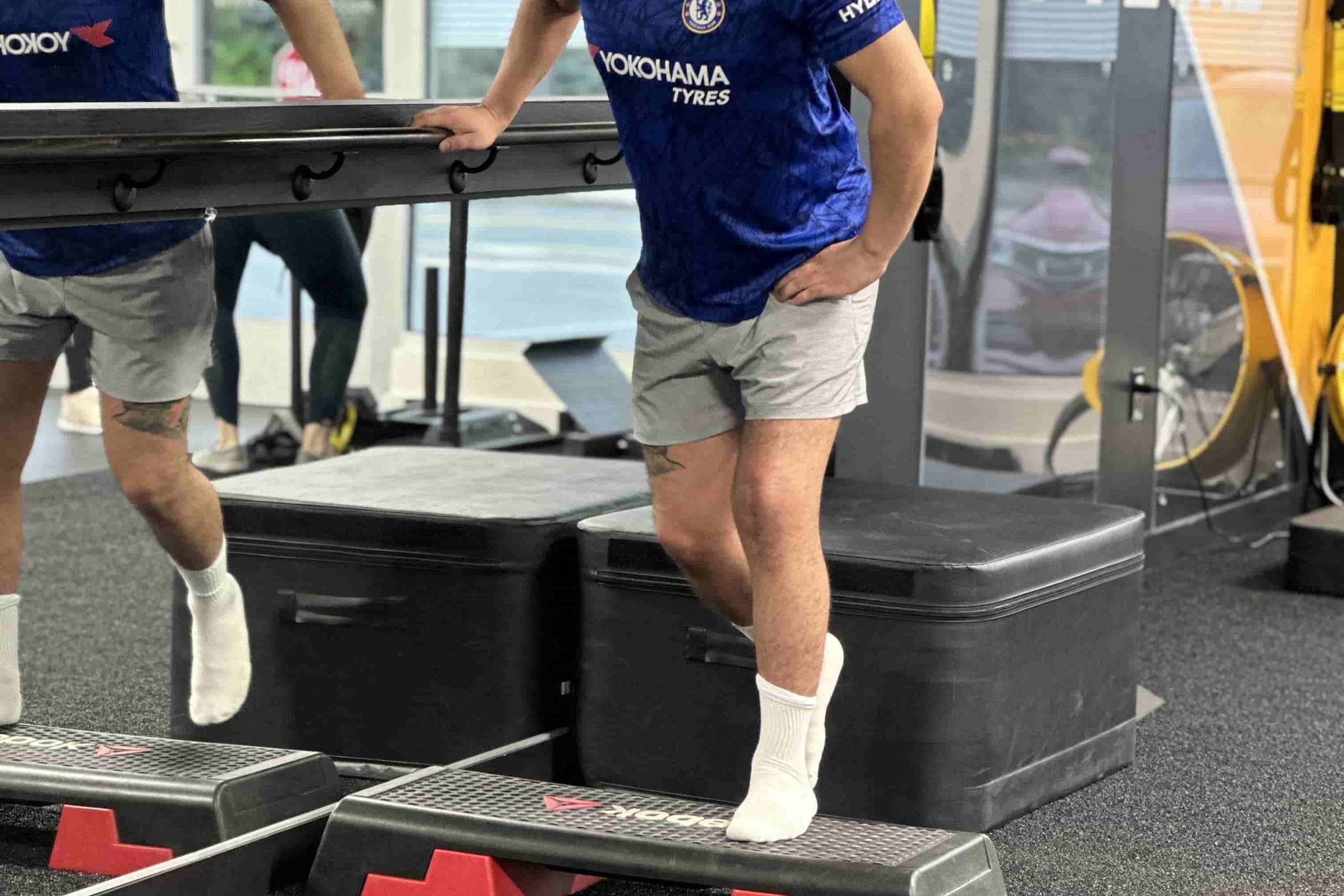
Gait Training is a specialized approach that enhances walking mechanics, improves lower-limb strength, and reduces re-injury risks, ultimately promoting more efficient movement.
-
Graston Technique
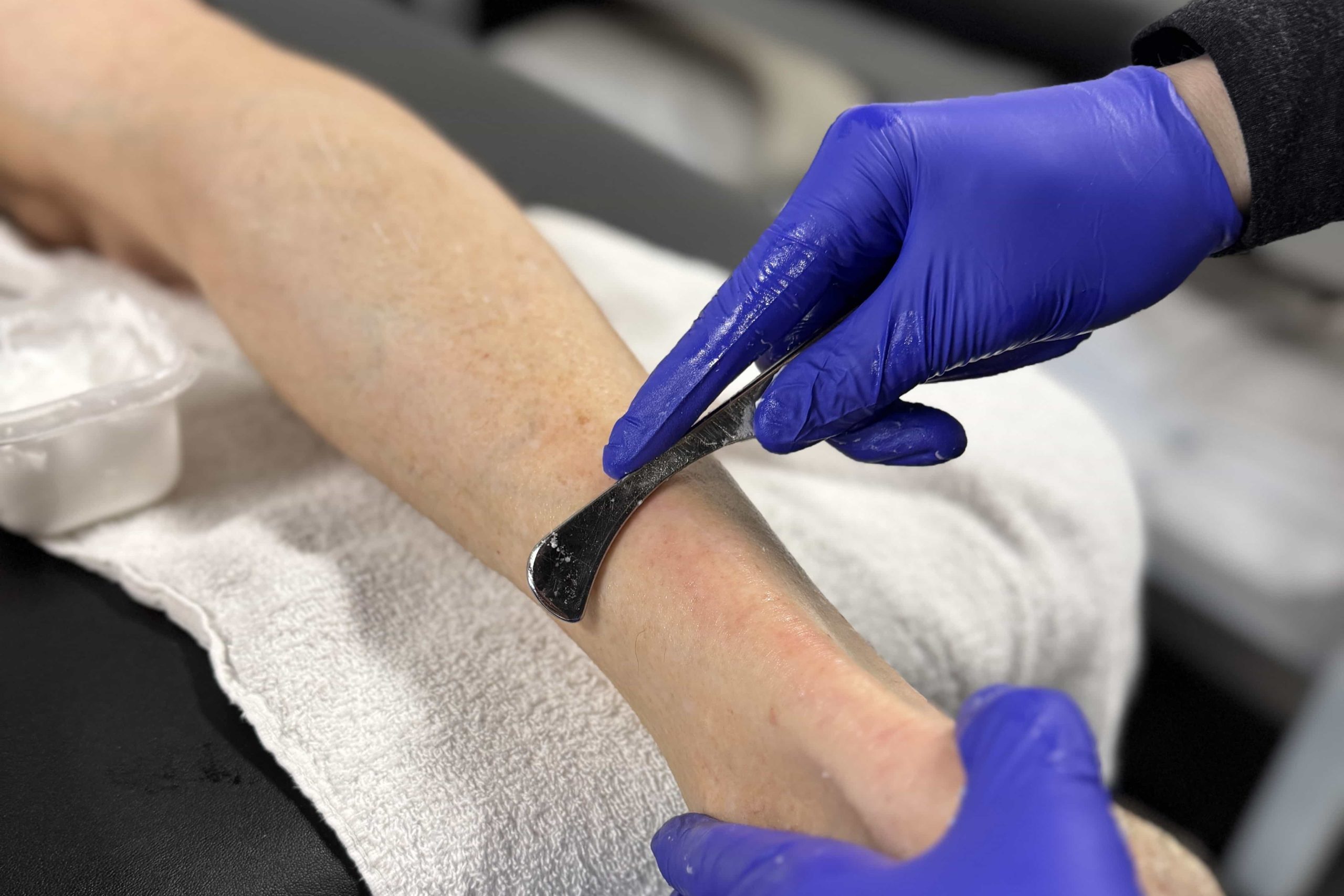
Graston Technique is a specialized manual therapy that uses stainless steel instruments to break down scar tissue, improve mobility, and accelerate healing.
-
Kinesiotaping
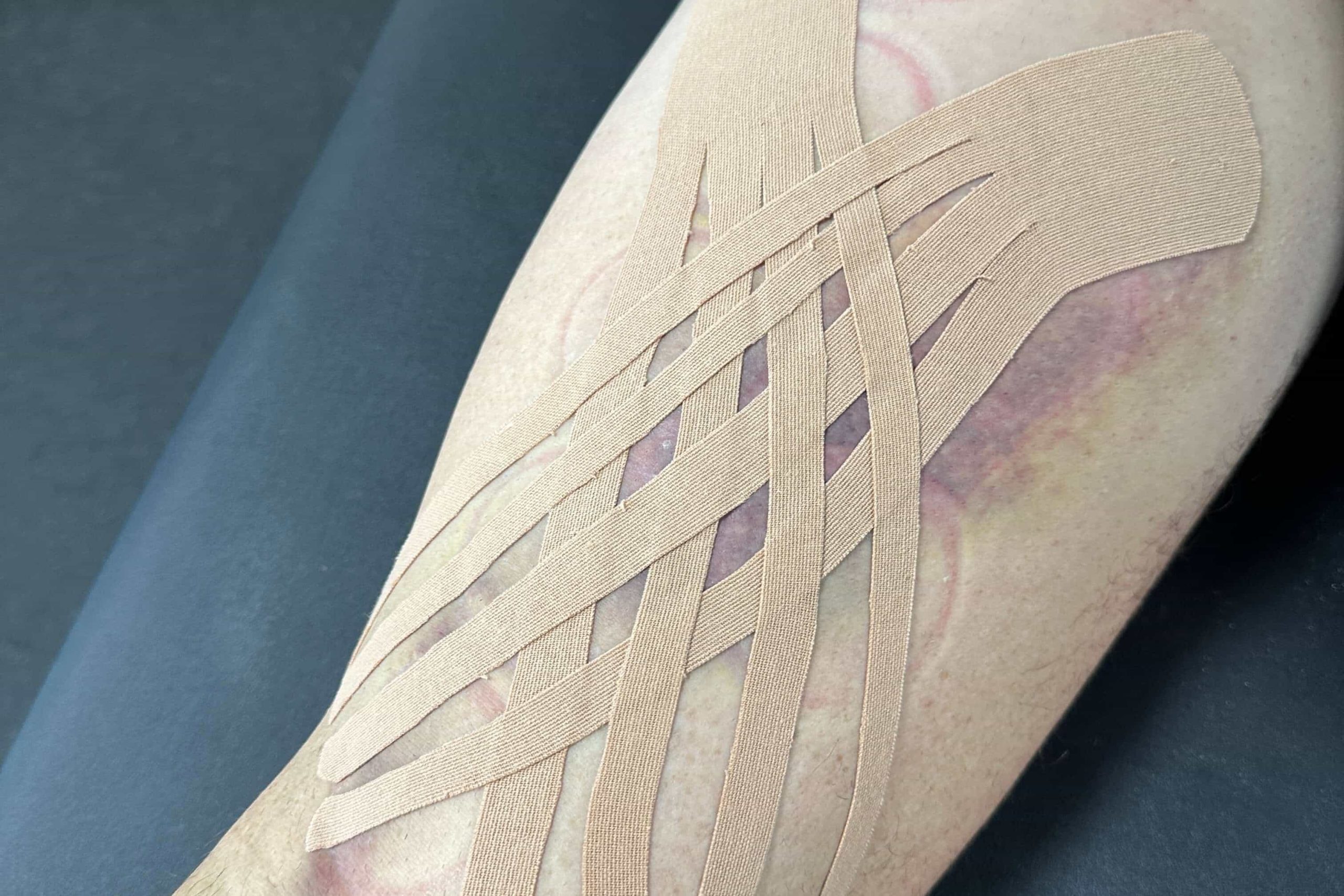
Kinesiotaping is a flexible taping method that provides gentle support, improves circulation, and helps maintain natural movement for a more comfortable and effective recovery.
-
Manual Traction
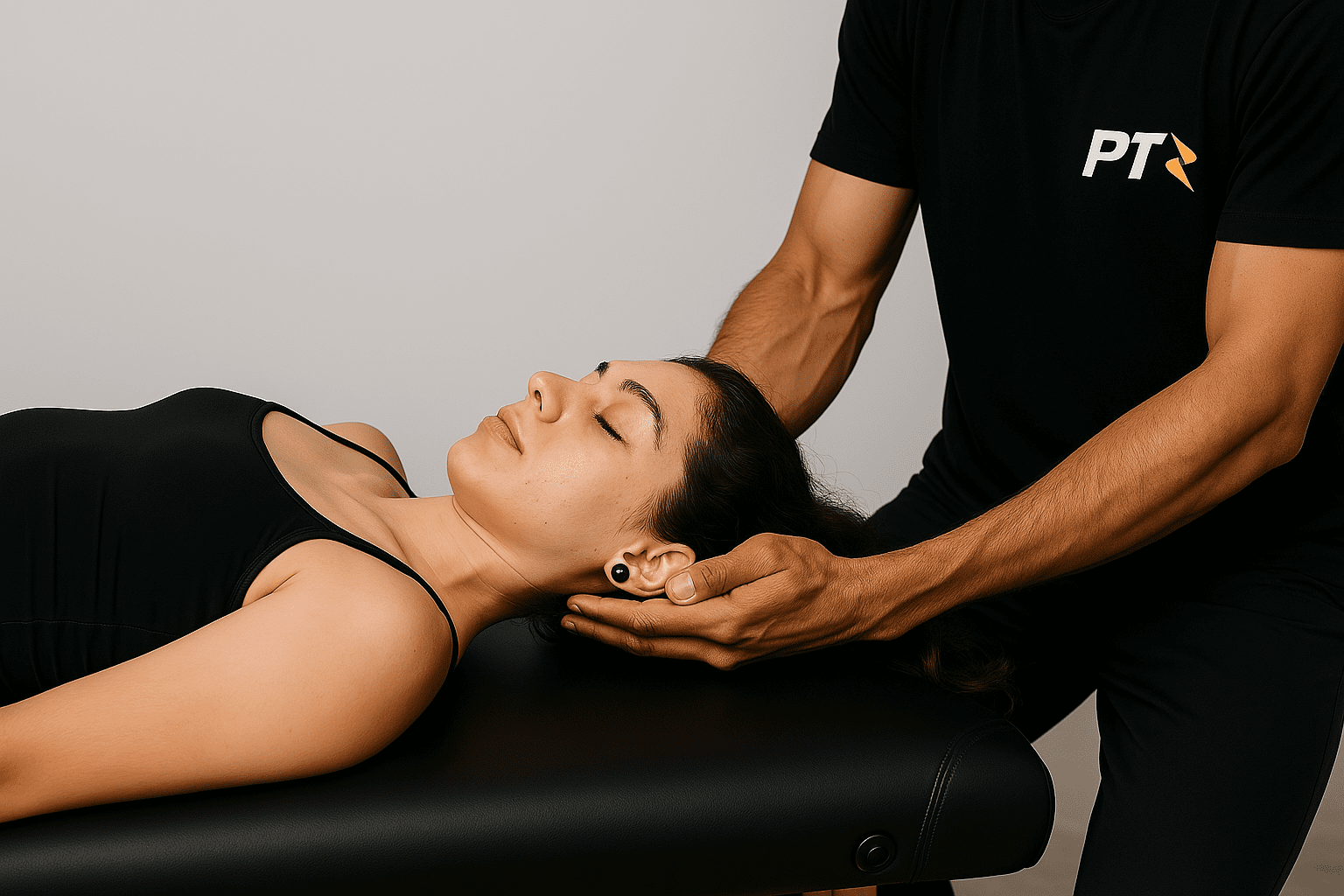
Manual Traction is a gentle, hands-on method used to decompress the spine, relieve pressure on discs and nerves, and improve overall comfort and mobility.
-
Post-Surgical Rehab
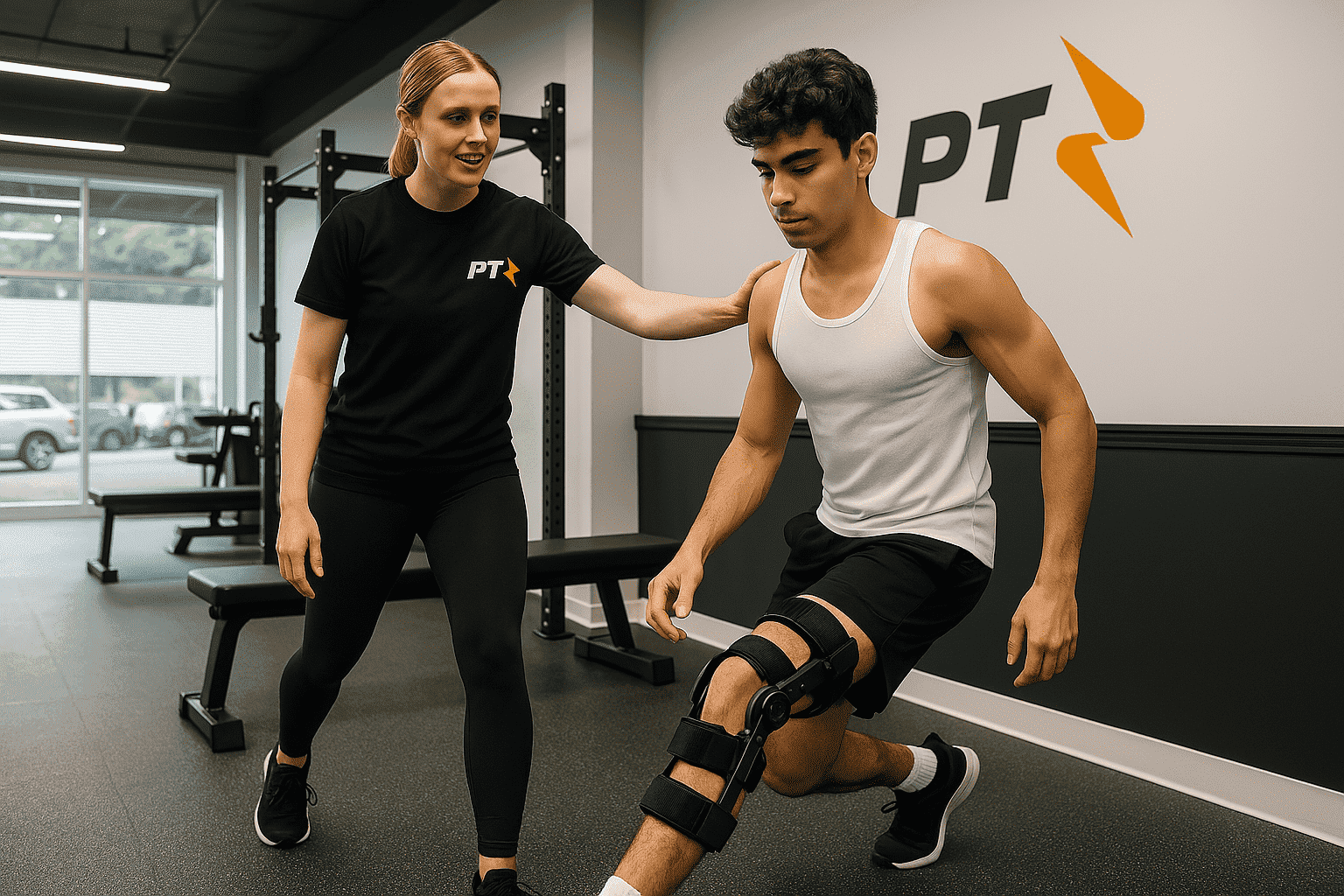
Post-Surgical Rehab is a structured recovery process designed to restore mobility, manage pain, and rebuild strength after surgery, ensuring a safer and faster return to your everyday activities or sports.
-
Physical Therapy for Weightlifters & CrossFit
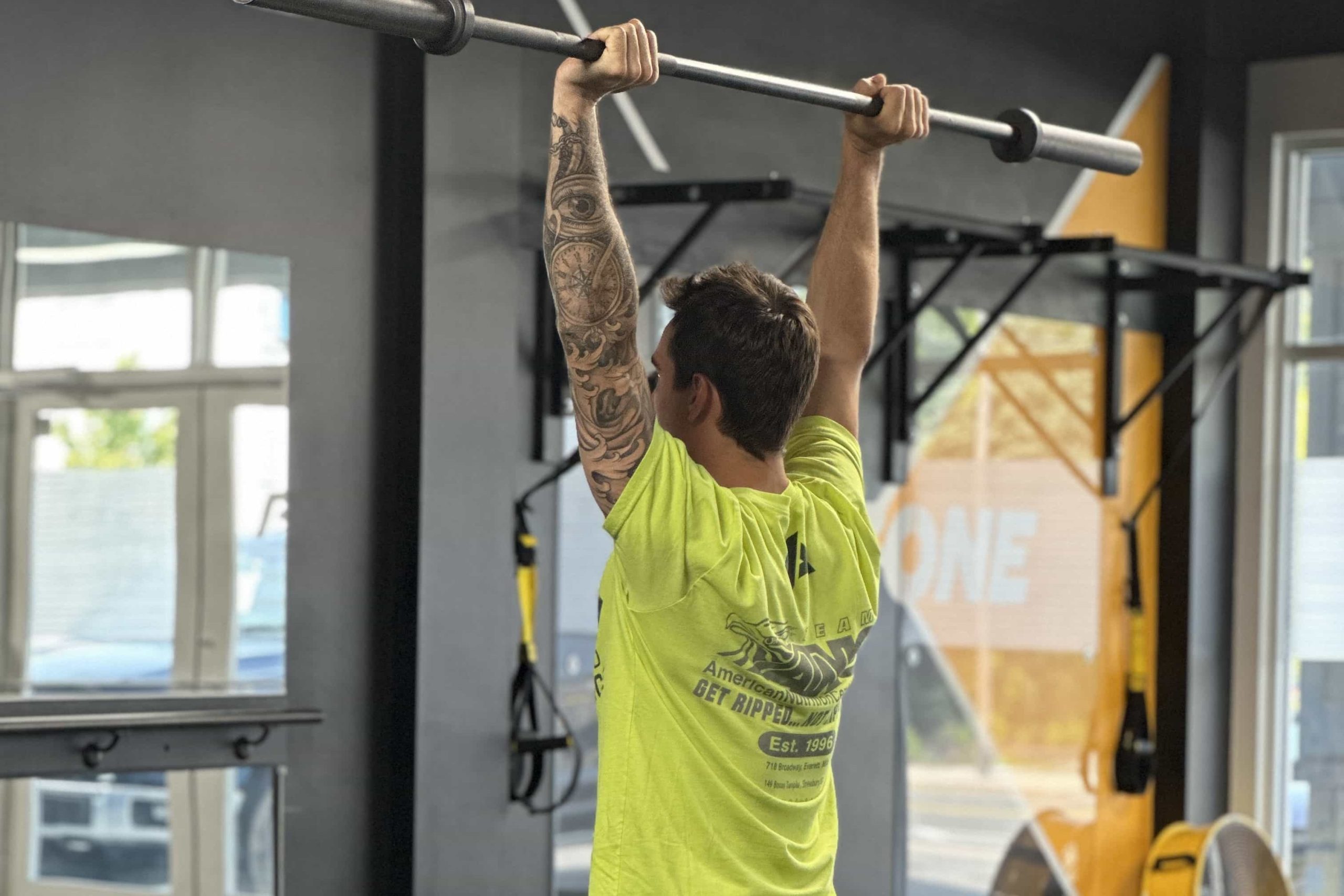
Physical Therapy for Weightlifters & CrossFit focuses on proper lifting mechanics, correcting muscle imbalances, and managing stress on joints to prevent pain, accelerate recovery, and enhance overall strength gains.
-
Physical Therapy For Runners
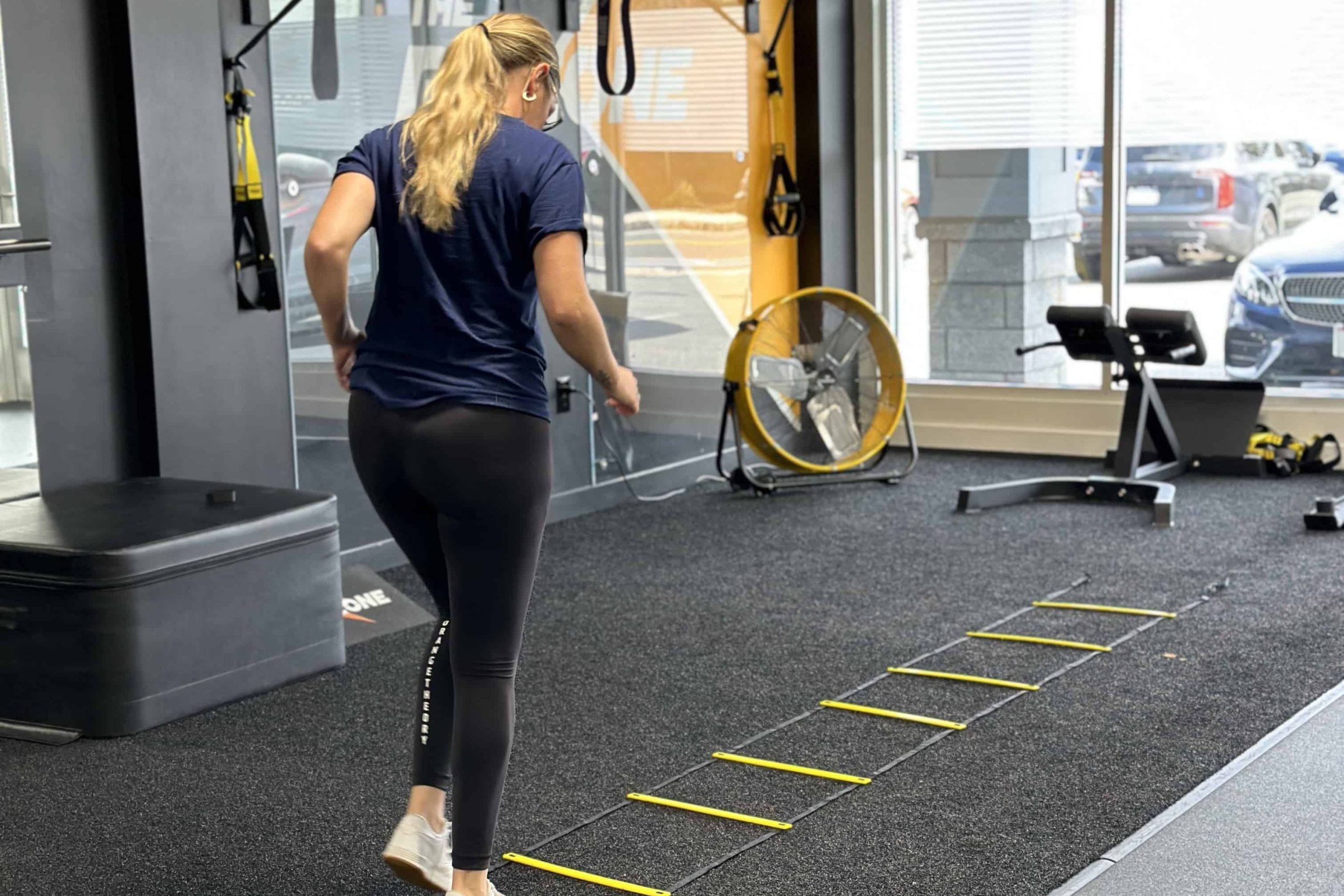
Physical Therapy for Runners focuses on refining running form, addressing muscle imbalances, and enhancing lower-limb stability to prevent injuries and boost performance.
-
Neuromuscular Massage Therapy
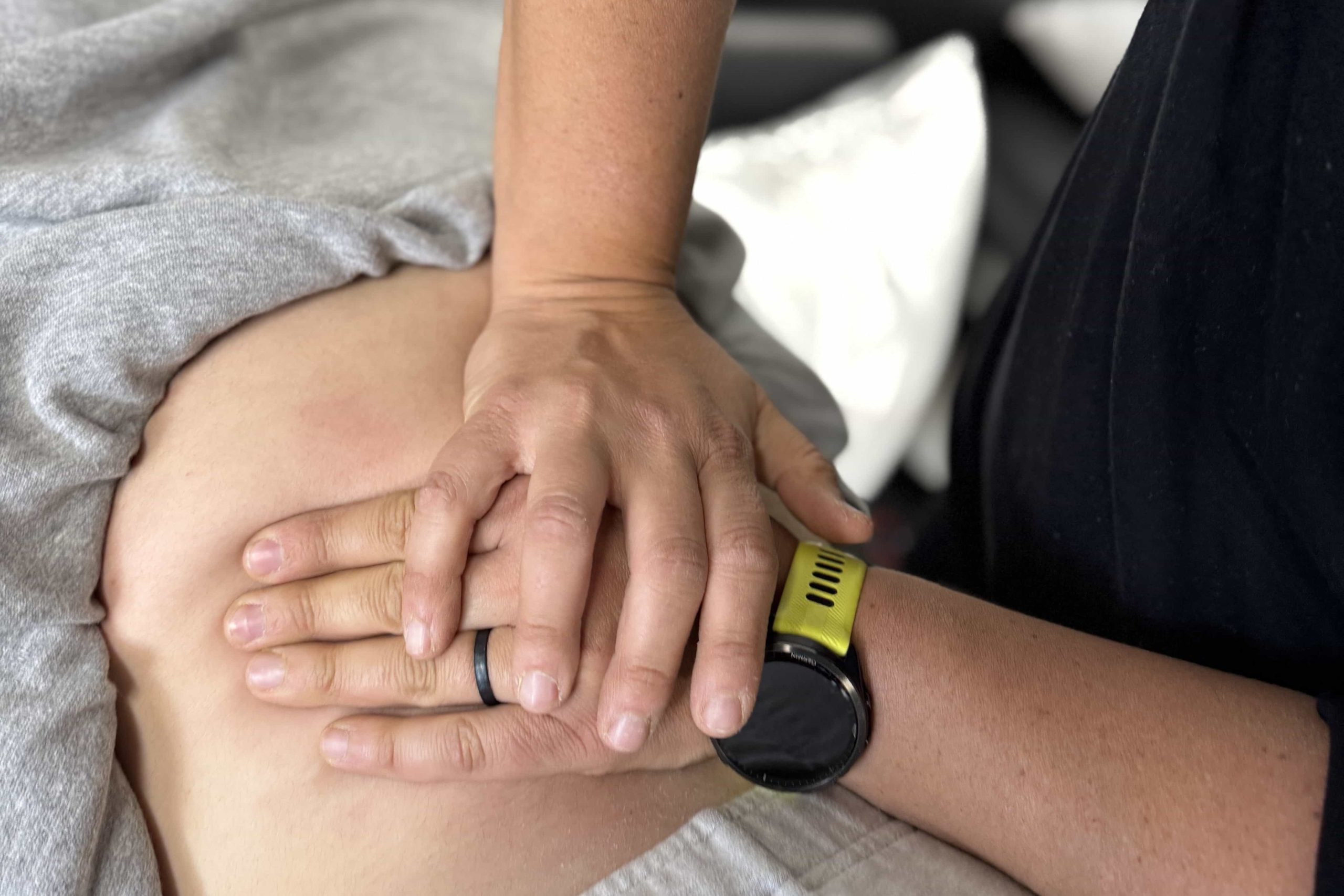
Neuromuscular Massage Therapy (NMT) precisely targets trigger points in muscles and connective tissues, relieving tension, restoring proper function, and promoting long-term pain relief.

The PT Zone is committed to long‑term relief—so your spine feels supported every step of the way.
Our individualized programs transform scoliosis concerns into strong, flexible confidence for life.
Common Questions from Scoliosis Clients
1. Can physical therapy really change my spinal curve?
In adolescents with growing spines, targeted exercise and bracing can slow or reduce curve progression. In adults, PT rarely straightens bones but significantly improves muscle balance, posture, and pain—making the curve functionally “smaller” in daily life.
2. Will I always need to wear a brace?
Bracing is time‑limited, usually until growth plates close. PT improves brace tolerance and builds strength so, once brace hours taper, your muscles maintain alignment without rigid support.
3. Is scoliosis the reason my back always feels tight?
Curved spines create one side of muscle overwork and the other side weakness, leading to chronic tight‑achy spots. Corrective mobility and strengthening evens out load, often reducing day‑to‑day tension dramatically.
4. Can I keep lifting weights or running with scoliosis?
Yes—exercise is encouraged. We teach neutral‑spine bracing, symmetrical loading, and curve‑specific mobility to make strength training and running safe and beneficial for your back.
5. Does scoliosis always get worse with age?
Curves under 30° rarely progress significantly after growth stops. Staying strong, flexible, and maintaining healthy bone density further lowers progression risk in adulthood.
6. Will I need surgery someday?
Surgery is considered for curves >45–50° that progress or cause severe pain or organ compromise. With consistent PT and monitoring, most people manage scoliosis conservatively for life.
7. What daily habits protect my spine?
Use ergonomic seating with lumbar support, alternate carrying loads between sides, keep core engaged when lifting, and practice your curve‑specific breathing and elongation exercises for 5 minutes each day.