
Slouching at a desk, craning toward a phone, or standing with one hip dropped can lead to persistent aches labelled postural dysfunction—often nicknamed poor posture or upper‑crossed syndrome. At The PT Zone, we restore balanced alignment, ease muscle imbalances, and help you sit, stand, and move pain‑free with confident posture.
- Reduce neck, shoulder, and low‑back strain from slouching
- Improve spinal alignment for better breathing and energy
- Strengthen weak stabilizers; lengthen tight postural muscles
- Prevent future aches with desk, phone, and workout tips
Stand Taller and
Move with Ease
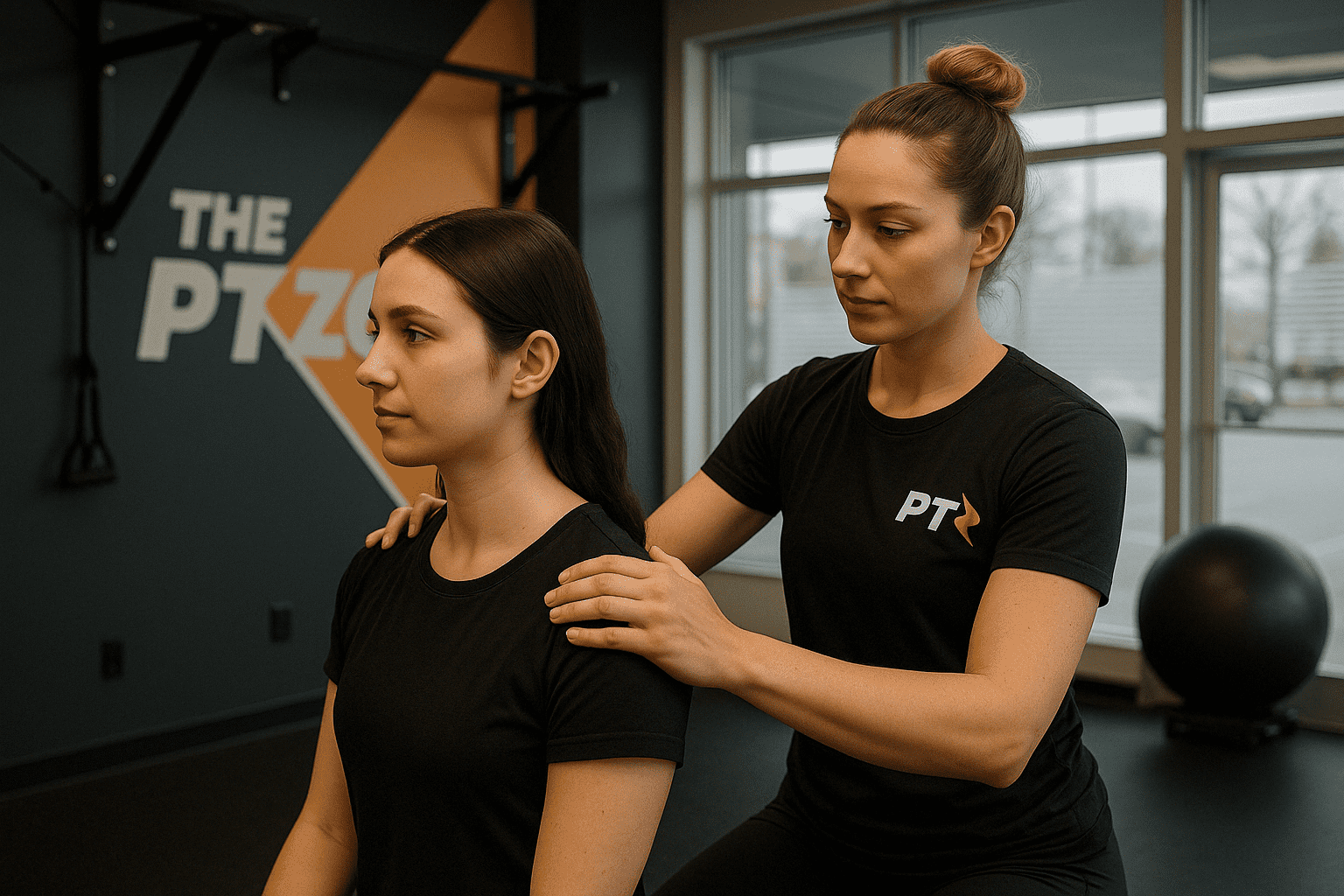
Postural dysfunction emerges when certain muscles grow overstretched and weak—think deep neck flexors, lower traps, gluteals—while others shorten and tighten, such as pectorals, upper traps, and hip flexors. The familiar combination of forward head, rounded shoulders, and sway back strains joints, restricts breathing, and drains energy. Whether you notice tension headaches at your laptop, low‑back fatigue on long drives, or shoulder pinching during workouts, poor alignment frequently sits at the root.
At The PT Zone we examine alignment from head to toe: spinal curves, scapular position, pelvic tilt, foot mechanics. Manual release eases trigger points in tight muscles while gentle mobilizations free stiff thoracic and hip segments. Clients often feel lighter and stand taller after the very first visit as tissue tone balances and rib‑cage expansion improves. Early relief creates buy‑in for the strengthening phase that cements new posture.
Our program then activates dormant stabilizers with wall‑slide scap drills, deep neck flexor holds, core bracing, and glute bridges. Tight structures lengthen through targeted stretches and mobility flows. Ergonomic coaching fine‑tunes desk height, monitor level, phone habits, and lifting technique so good alignment becomes your default instead of a conscious correction.
Finally, we equip you with brief posture breaks, resistance‑band sequences, and diaphragmatic breathing drills that slide easily into busy days. Over time, balanced strength plus mindful positioning yields confident posture, reduced pain, and improved performance—whether you’re presenting in the boardroom or powering through deadlifts at the gym.
Our Therapies for Postural Dysfunction (Upper‑Crossed Syndrome):
Manual release, spine and shoulder mobilizations, targeted strengthening, workstation redesign, and movement re‑education—everything you need to restore healthy posture.
-
Balance Training
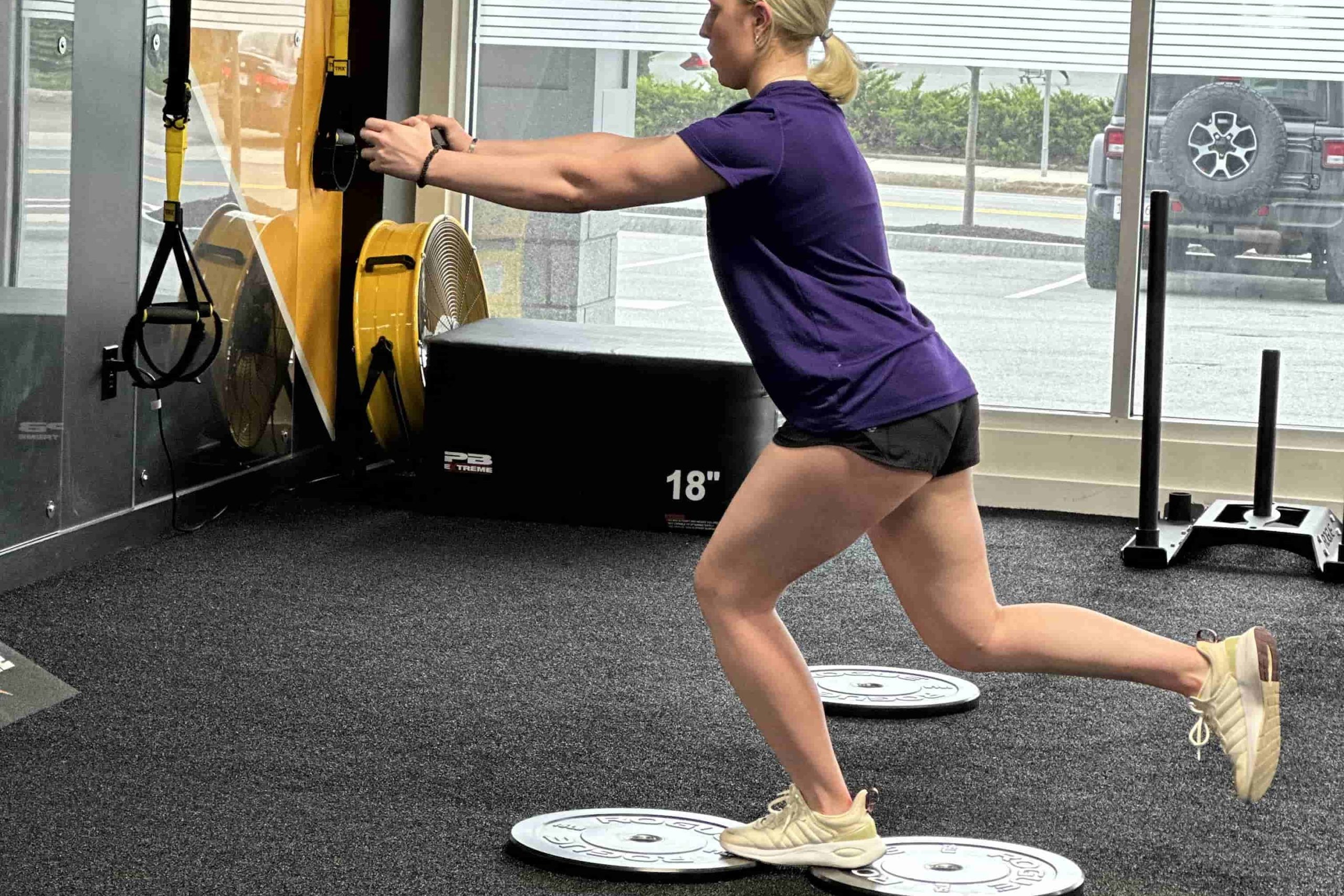
Balance Training is a specialized approach that strengthens stabilizing muscles, enhances coordination, and reduces fall risks, ultimately improving posture and promoting confident movement.
-
Certified Manual Therapy
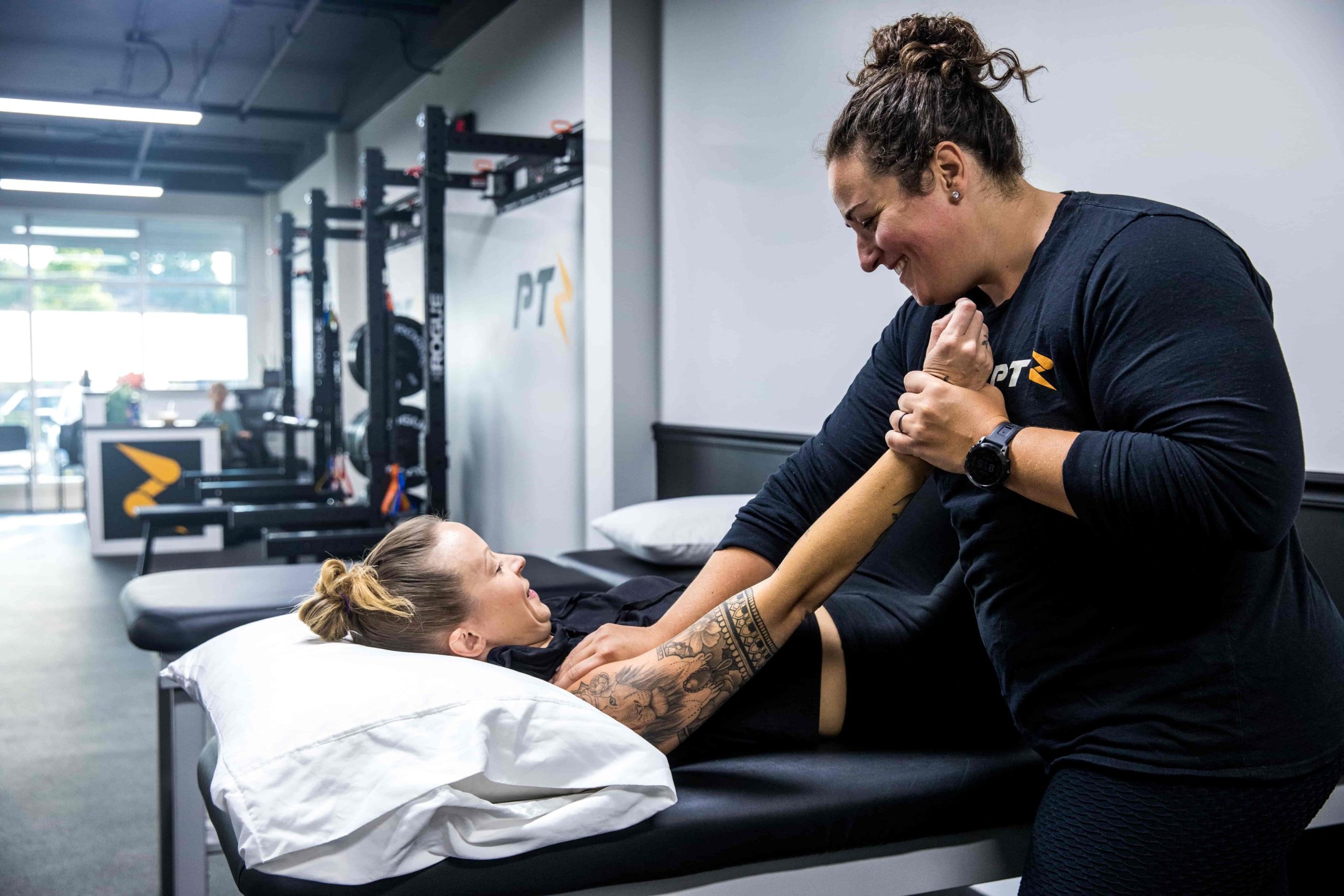
Certified Manual Therapy is a hands-on approach that addresses joint, muscle, and connective tissue dysfunction, reducing pain, improving alignment, and promoting faster, more efficient recovery.
-
Cupping
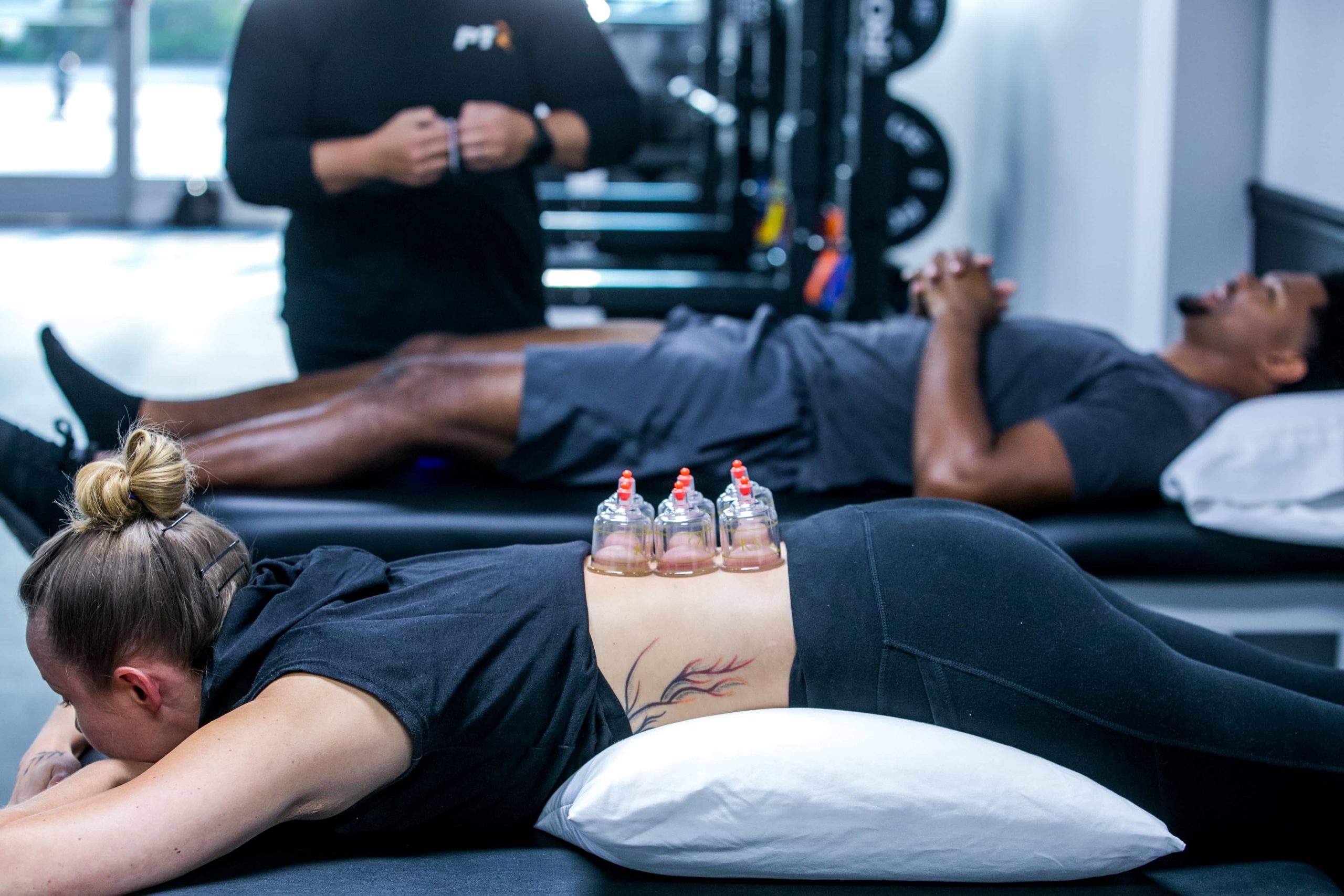
Cupping therapy is an ancient healing technique that uses suction to enhance circulation, relieve muscle tension, and promote the body’s natural recovery process.
-
Dry Needling
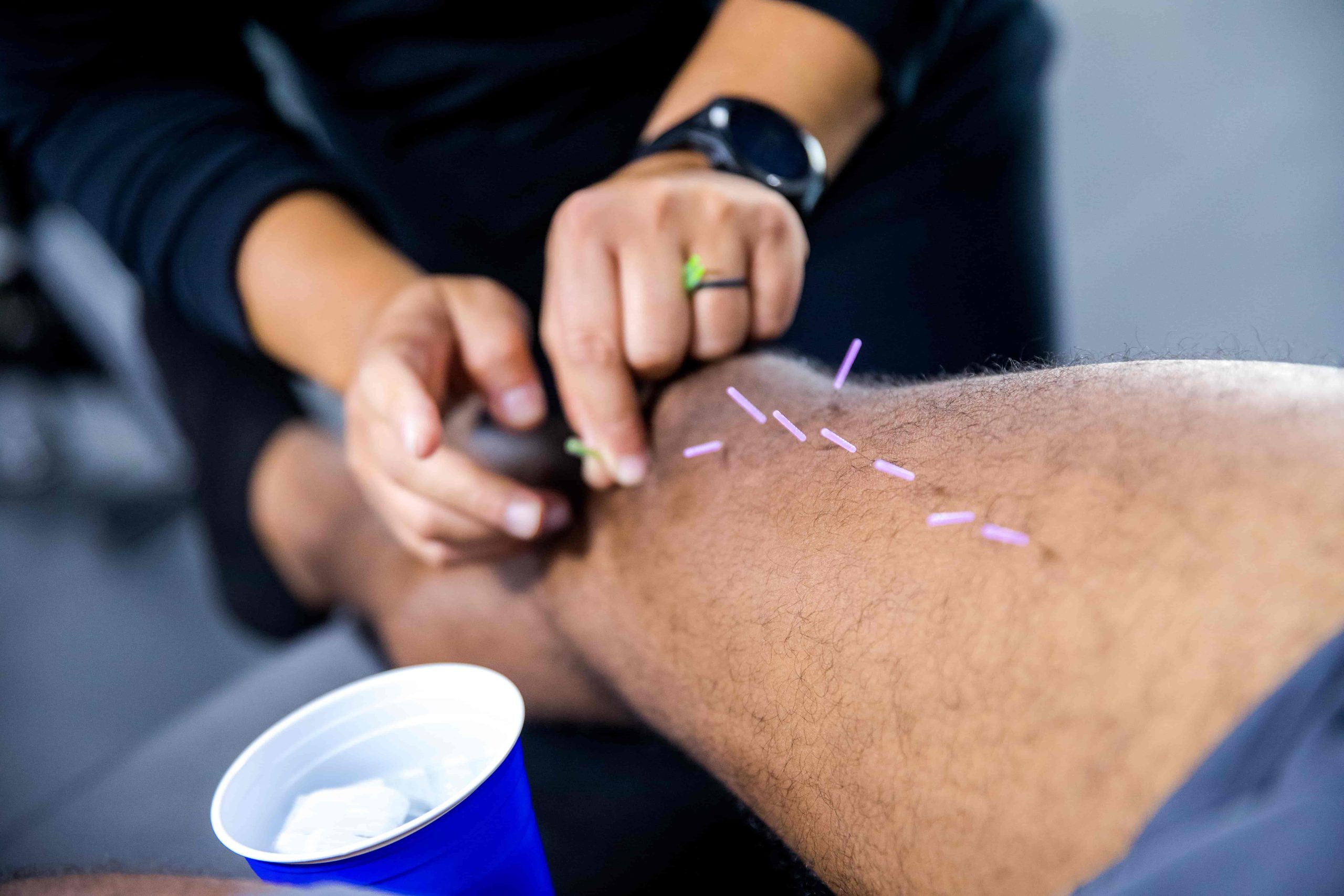
Dry needling is a modern therapy that targets muscle trigger points with thin needles to relieve pain, reduce tension, and restore mobility.
-
Gait Training
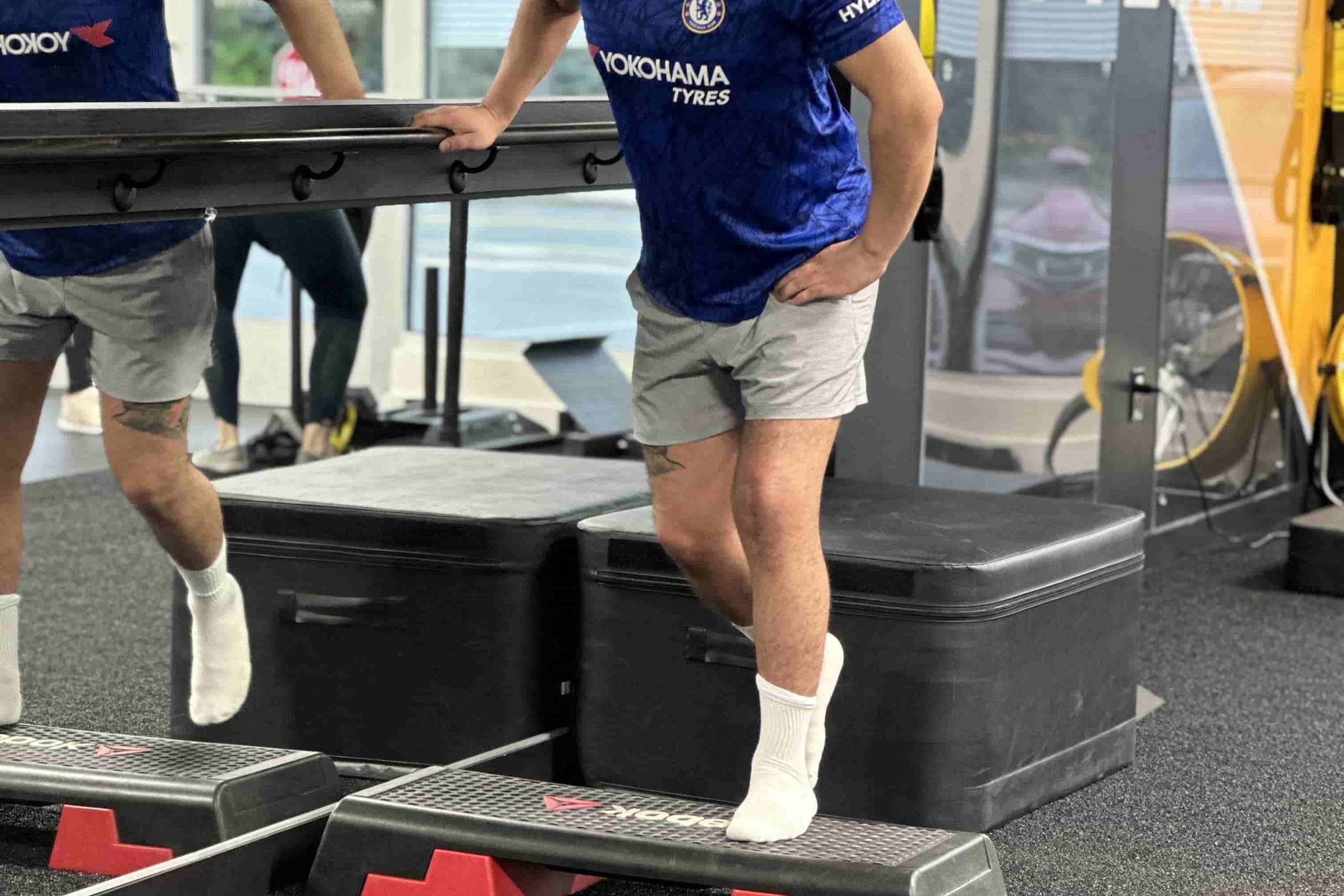
Gait Training is a specialized approach that enhances walking mechanics, improves lower-limb strength, and reduces re-injury risks, ultimately promoting more efficient movement.
-
Graston Technique
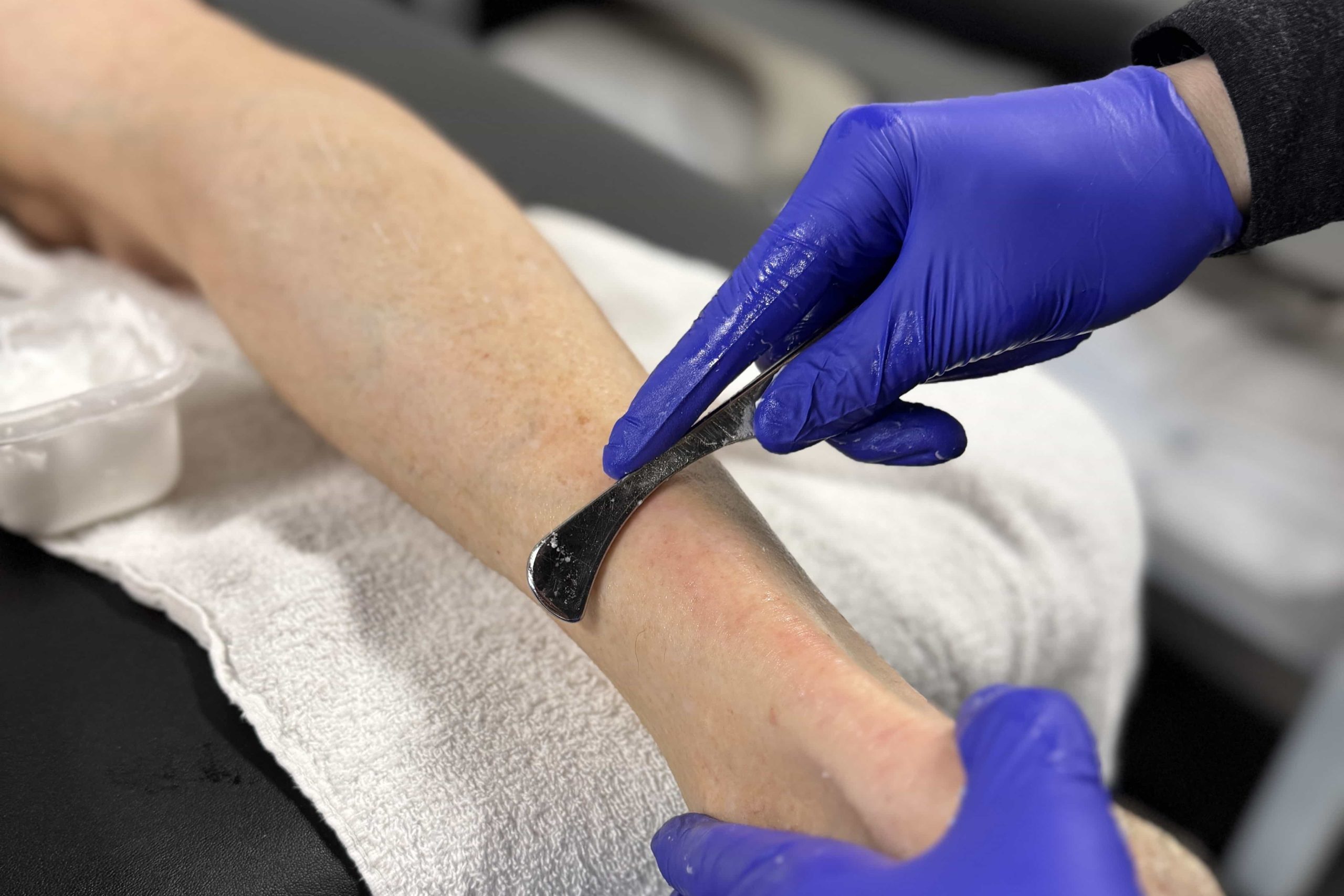
Graston Technique is a specialized manual therapy that uses stainless steel instruments to break down scar tissue, improve mobility, and accelerate healing.
-
Kinesiotaping
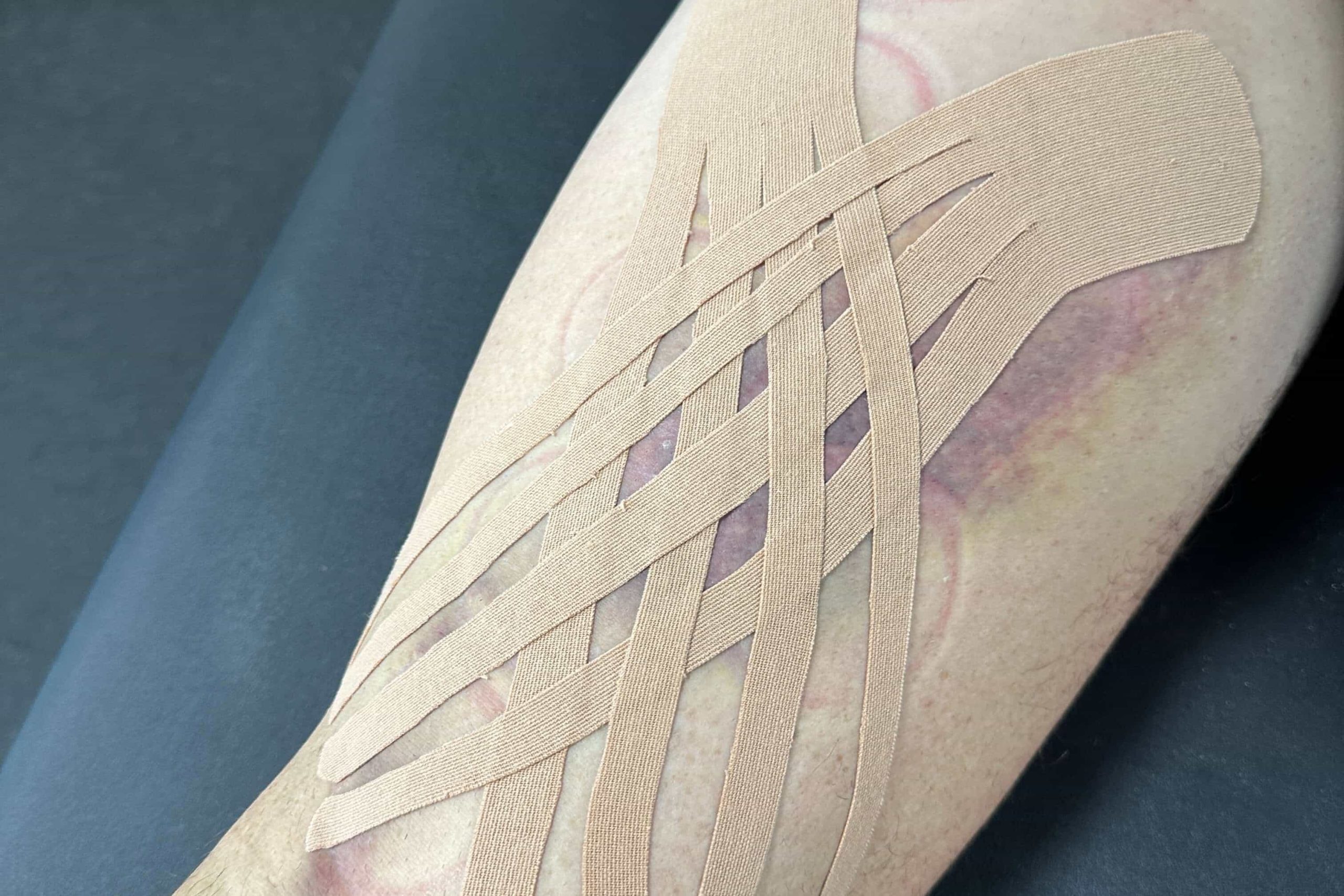
Kinesiotaping is a flexible taping method that provides gentle support, improves circulation, and helps maintain natural movement for a more comfortable and effective recovery.
-
Manual Traction
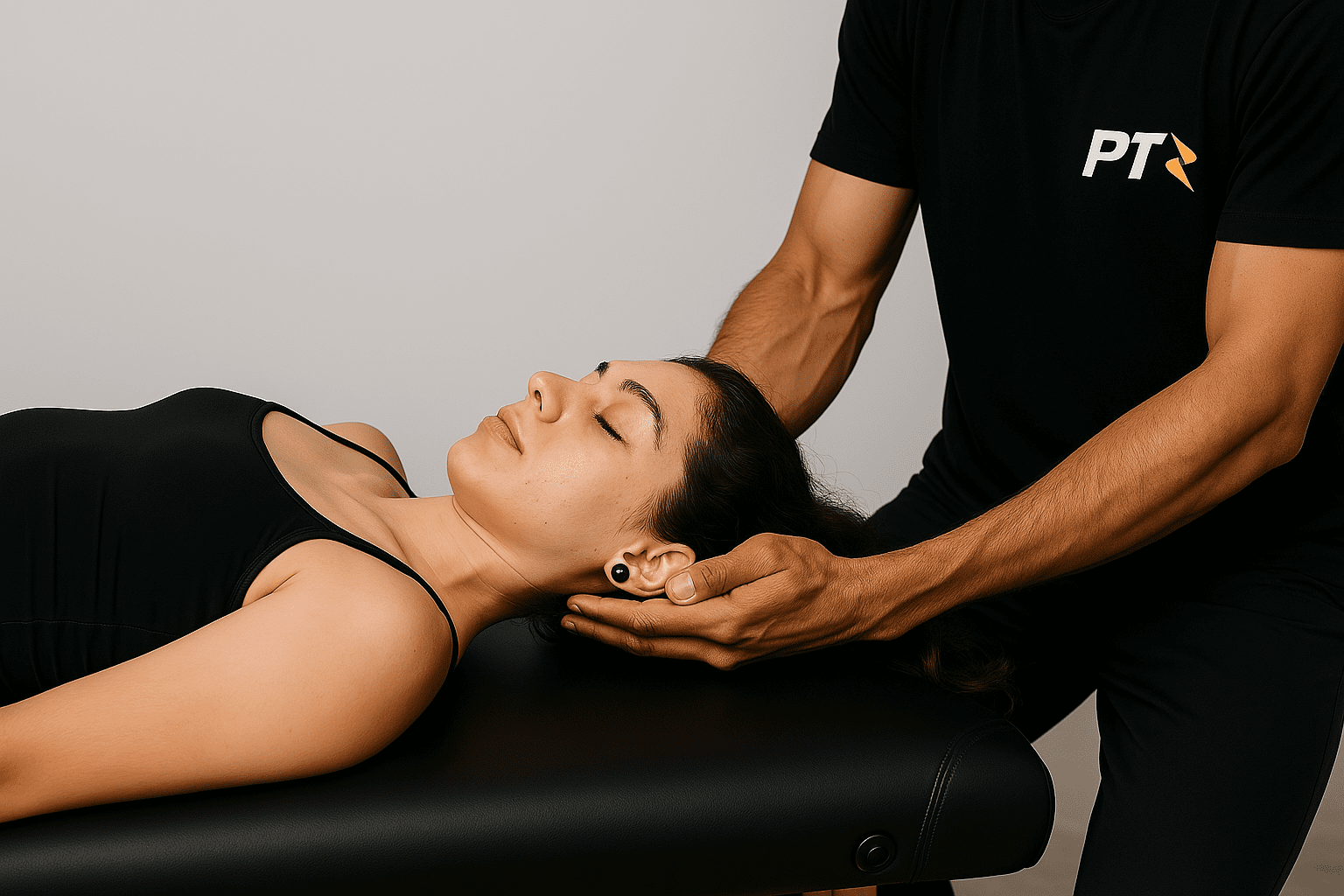
Manual Traction is a gentle, hands-on method used to decompress the spine, relieve pressure on discs and nerves, and improve overall comfort and mobility.
-
Post-Surgical Rehab
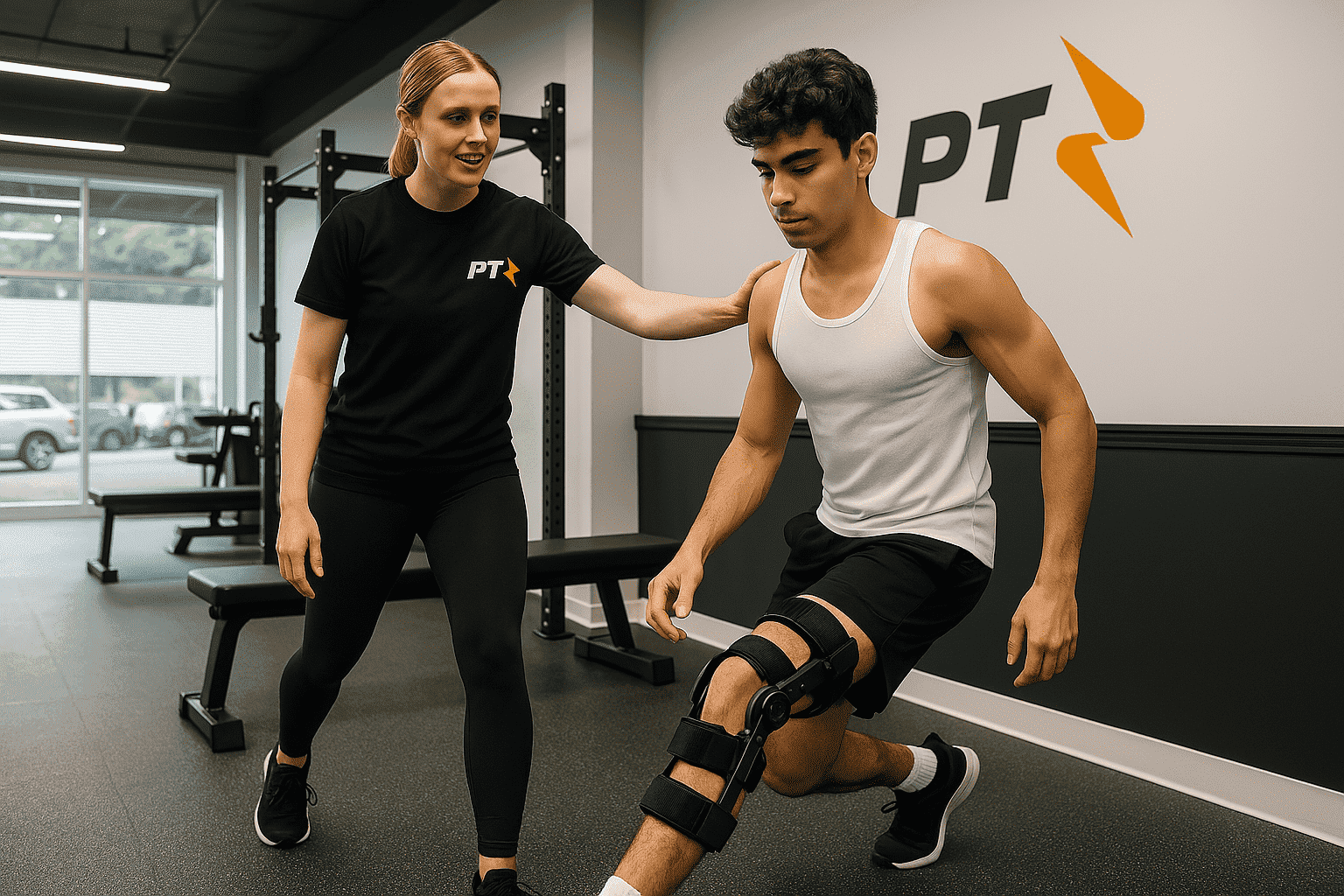
Post-Surgical Rehab is a structured recovery process designed to restore mobility, manage pain, and rebuild strength after surgery, ensuring a safer and faster return to your everyday activities or sports.
-
Physical Therapy for Weightlifters & CrossFit
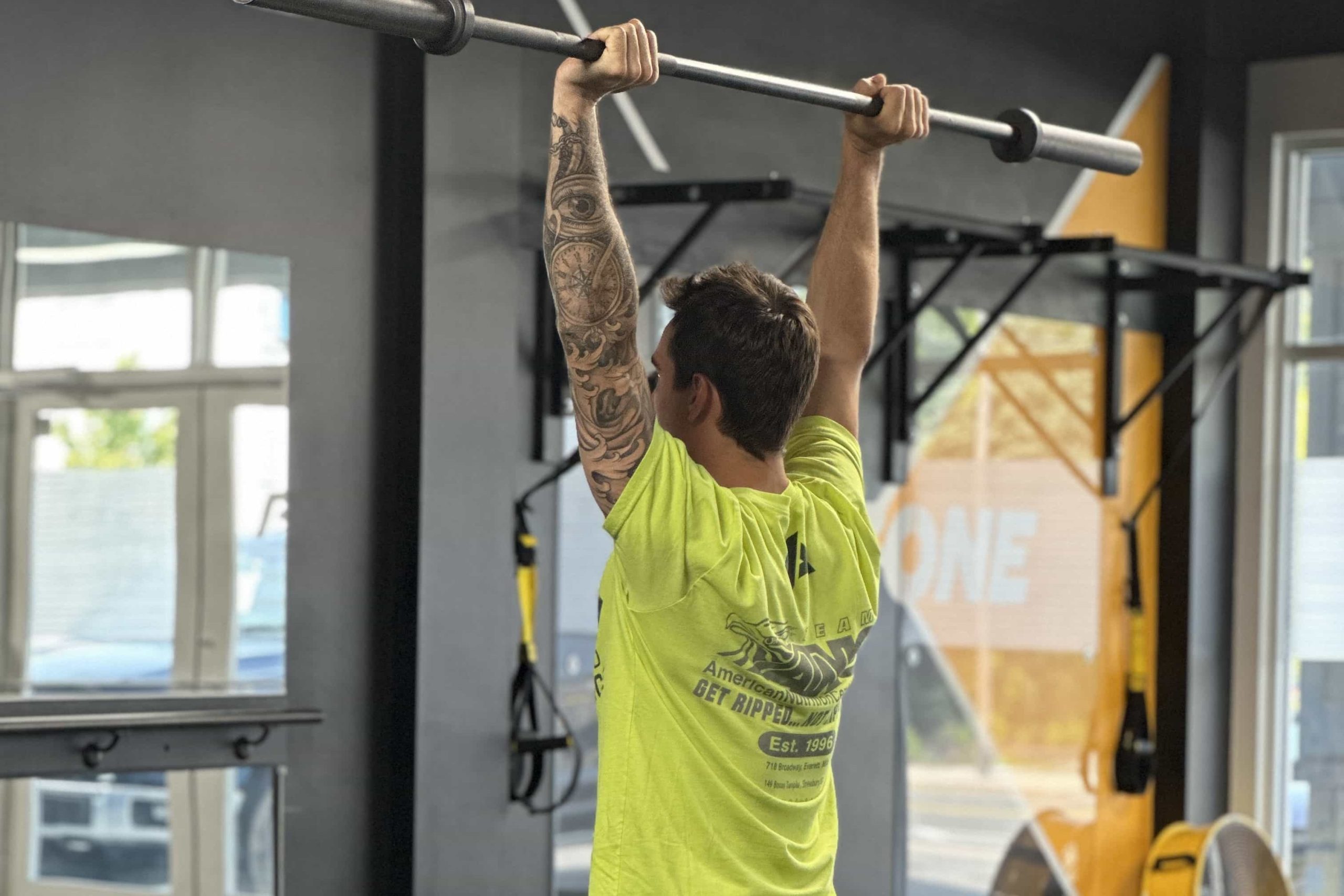
Physical Therapy for Weightlifters & CrossFit focuses on proper lifting mechanics, correcting muscle imbalances, and managing stress on joints to prevent pain, accelerate recovery, and enhance overall strength gains.
-
Physical Therapy For Runners
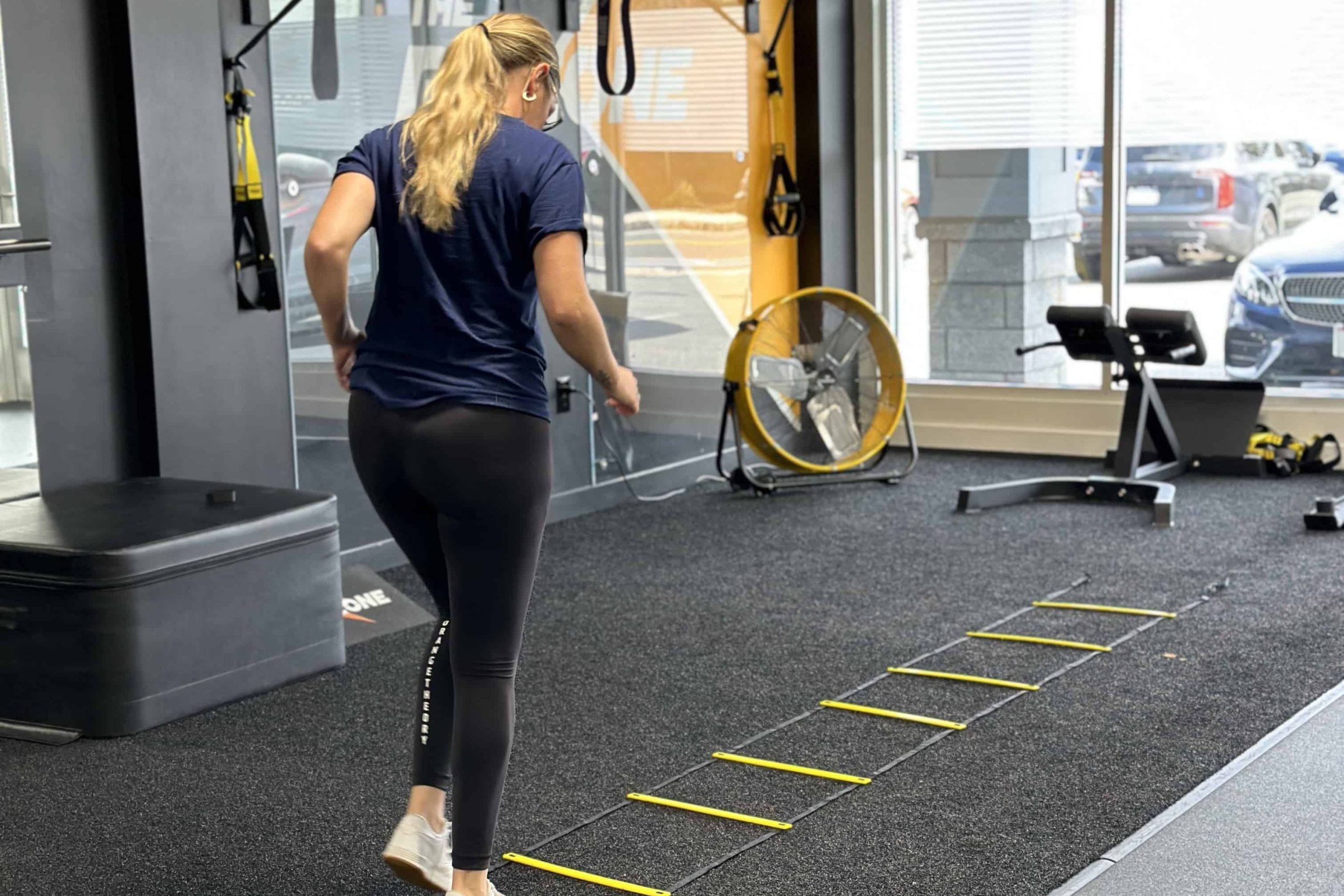
Physical Therapy for Runners focuses on refining running form, addressing muscle imbalances, and enhancing lower-limb stability to prevent injuries and boost performance.
-
Neuromuscular Massage Therapy
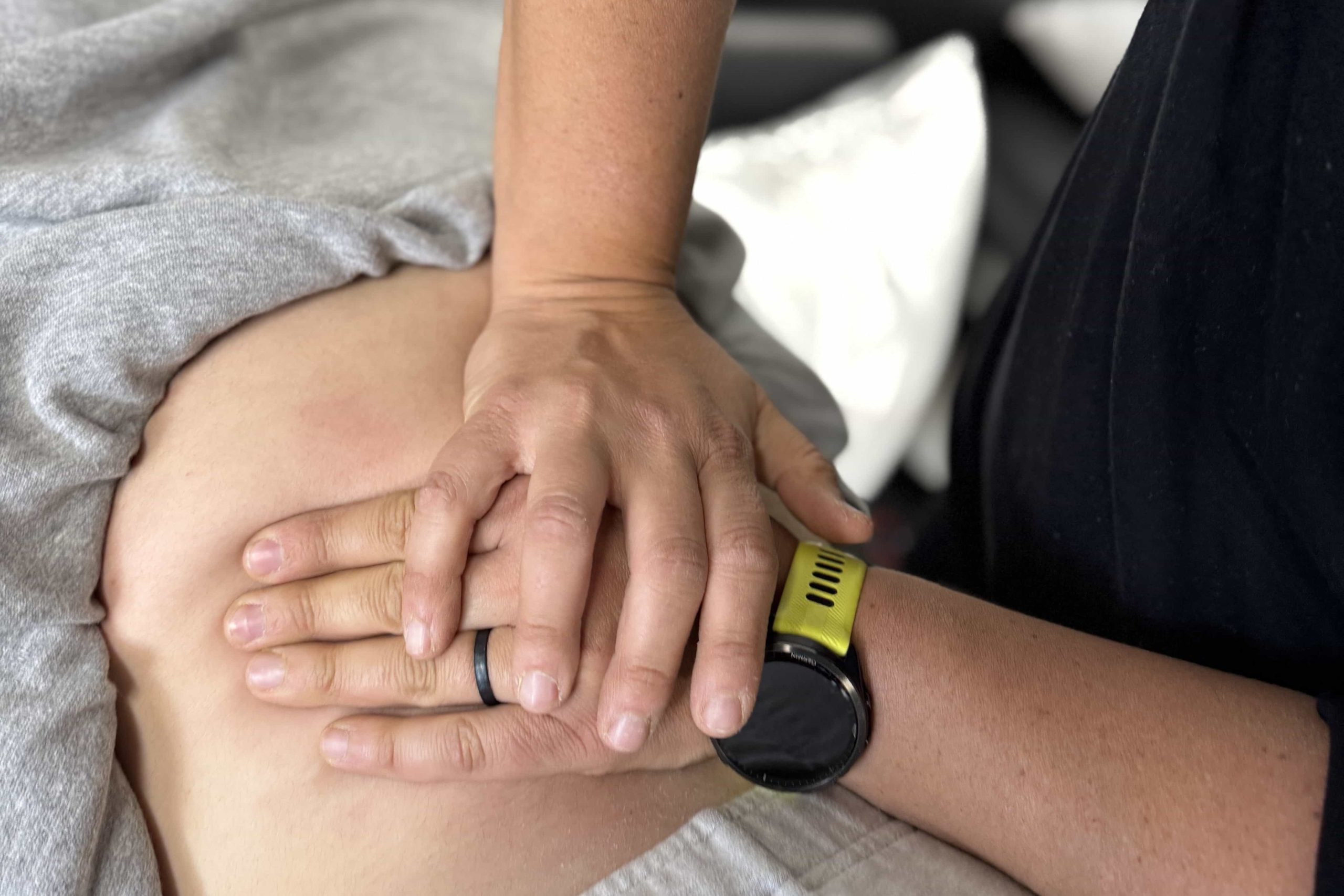
Neuromuscular Massage Therapy (NMT) precisely targets trigger points in muscles and connective tissues, relieving tension, restoring proper function, and promoting long-term pain relief.

The PT Zone is committed to long‑term relief—so you can move, breathe, and live upright and pain‑free.
Our holistic approach transforms poor posture into confident alignment—making “sit up straight” feel effortless again.
Common Questions from Postural Dysfunction Clients
1. How do I know my pain is posture‑related?
If discomfort builds the longer you sit or stand in one position and eases with movement or posture correction, alignment is likely a factor. Rounded shoulders, forward head, and sway back are visible clues confirmed during a posture assessment.
2. Can better posture improve my breathing and energy?
Yes. Slouched thoracic posture collapses the rib cage, limiting diaphragm excursion and oxygen intake. Restoring upright alignment expands lung capacity, improves circulation, and many clients report reduced fatigue and clearer focus.
3. Is bracing or taping a good long‑term solution?
Braces cue awareness but let supportive muscles relax if overused. We use taping or light bracing briefly while you strengthen stabilizers and build new habits to maintain alignment unassisted.
4. How long before I see posture changes?
Clients usually feel lighter within a week once tight muscles release. Visible, lasting changes in muscle tone and spinal curves emerge over 4–8 weeks of consistent strength and mobility work.
5. Do I need expensive ergonomic equipment?
Simple tweaks—monitor risers, lumbar rolls, footrests—often solve alignment issues. We recommend cost‑effective adjustments first and guide you if specialized equipment becomes necessary.
6. Can exercise alone fix my posture?
Exercise is essential but works best alongside habit changes—screen height, micro‑breaks, mindful standing. Combining corrective exercise with ergonomic tweaks delivers faster, longer‑lasting results.
7. How do I keep good posture after therapy?
Continue your daily strength and stretch routine, hold screens at eye level, and change positions every 30 minutes. Use mirrors or a posture app for quick self‑checks and address minor stiffness early so it never turns into pain.