
Whether it’s your hip, knee, or shoulder, undergoing a joint replacement can feel both hopeful and daunting—hopeful for renewed mobility and freedom from pain, yet daunting in terms of the recovery process. At The PT Zone, our specialized rehabilitation programs help ensure you reap the full benefits of your new joint, guiding you safely and efficiently from post-surgery limitations to restored function.
- Manage post-operative pain and swelling
- Regain range of motion and flexibility
- Strengthen muscles around the new joint
- Boost stability for safer mobility and daily activities
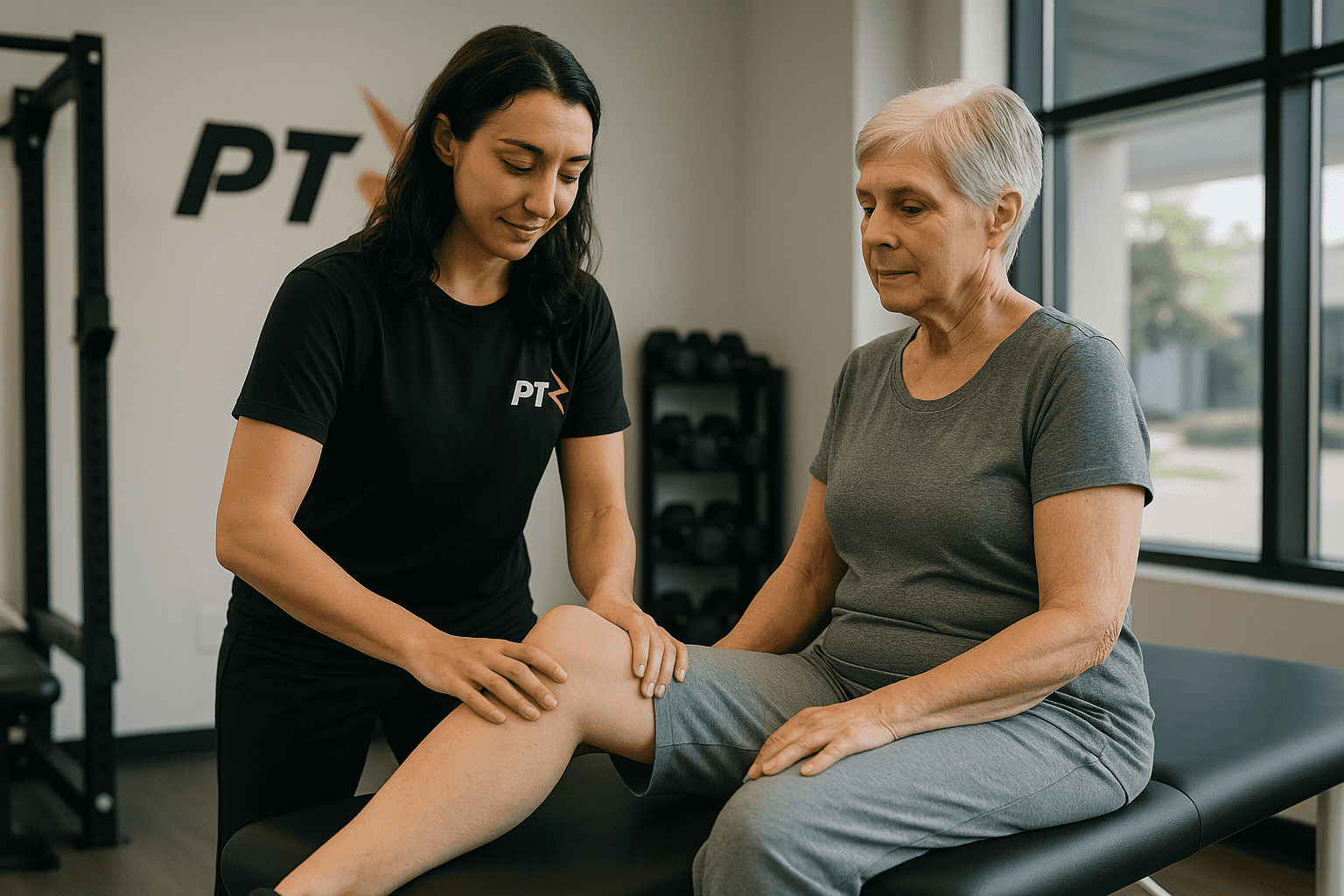
Reclaim Your Mobility and Confidence
Joint replacements—such as those for the hip, knee, or shoulder—are among the most transformative medical procedures for individuals suffering from debilitating arthritis, severe injuries, or chronic joint damage. Yet, the journey doesn’t end when surgery is complete. Successful recovery hinges on a structured plan aimed at strengthening muscles, improving range of motion, and reintegrating everyday functions. At The PT Zone, we believe that no two joint replacement recoveries are the same, which is why our therapists tailor your program to your specific needs, goals, and healing timeline.
In the early stages, therapy focuses on managing pain and swelling, as well as ensuring that the new joint is properly protected and supported. We’ll introduce gentle exercises to encourage circulation, reduce stiffness, and set the stage for increased mobility in the weeks to come. As you progress, our interventions expand to include targeted strengthening, balance activities, and functional movement drills. These advanced techniques help you return to tasks like walking, climbing stairs, reaching overhead, or even recreational sports if you wish.
Recognizing that each joint replacement (hip, knee, or shoulder) has its own nuances, our therapists adapt exercise progressions accordingly. For instance, hip replacement clients often concentrate on stabilizing the pelvic region and improving gait, while knee replacement patients benefit from careful balance work and quad-strengthening protocols. Shoulder replacement therapy zeroes in on restoring pain-free range of motion and rotator cuff stability. Throughout each phase, we also emphasize education, helping you understand proper movement patterns and safety guidelines so you can approach your recovery with confidence and reduce the risk of complications.
Whether your ultimate goal is to stroll around the neighborhood without discomfort, tackle a round of golf, or even engage in more demanding athletic pursuits, we’ll structure each step of your therapy to help you get there. With hands-on techniques, precise exercise routines, and ongoing support, The PT Zone team is dedicated to guiding you toward the fullest, most dynamic recovery possible. While joint replacement is a major decision, it can offer a remarkable return to function—and with the right rehabilitation approach, you’ll be amazed at how much you can achieve.
Our Therapies for Joint Replacement Recovery:
From initial post-surgical care to advanced functional training, our services are crafted to ensure a smoother, safer return to daily activities and the activities you love most.
-
Balance Training
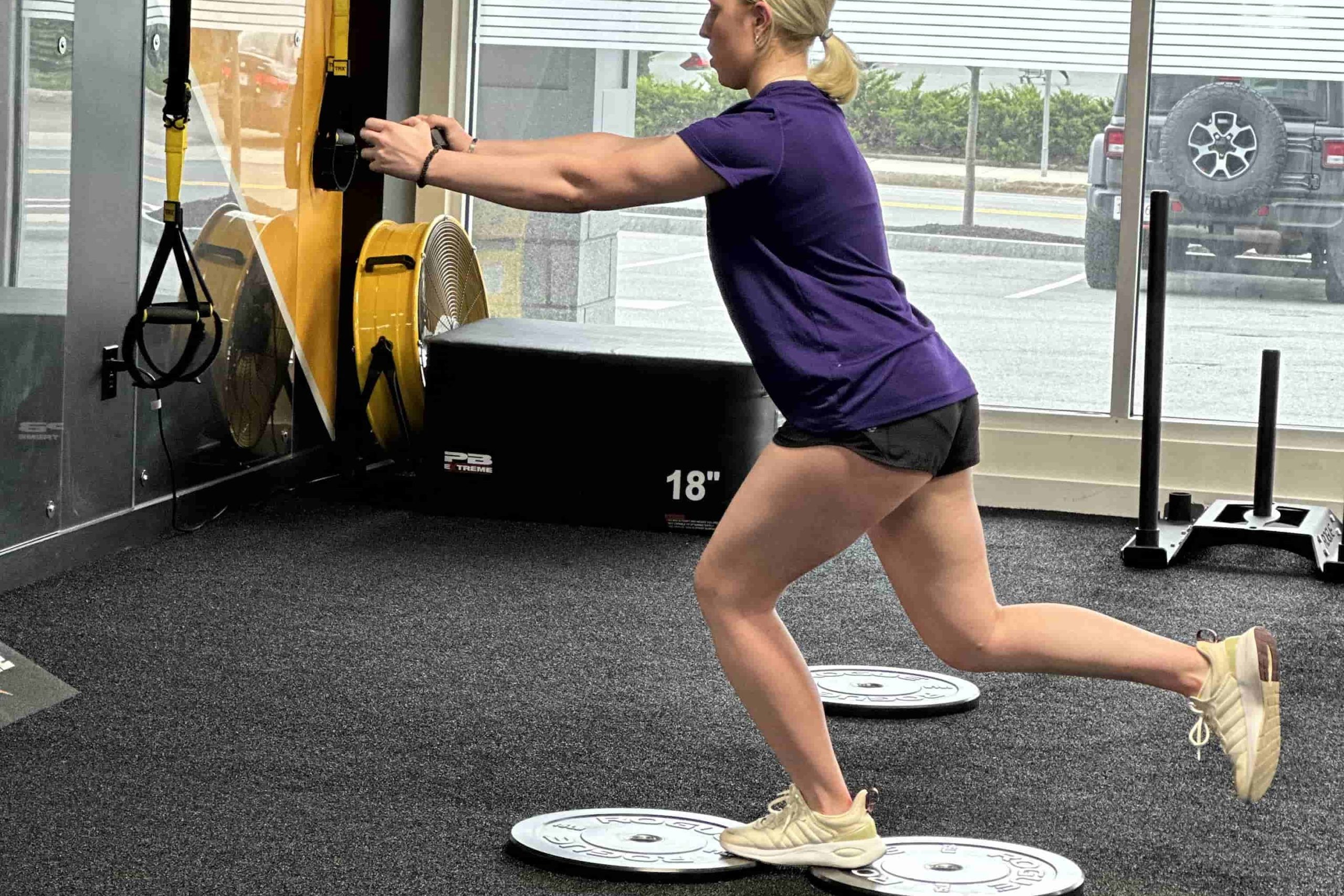
Balance Training is a specialized approach that strengthens stabilizing muscles, enhances coordination, and reduces fall risks, ultimately improving posture and promoting confident movement.
-
Certified Manual Therapy
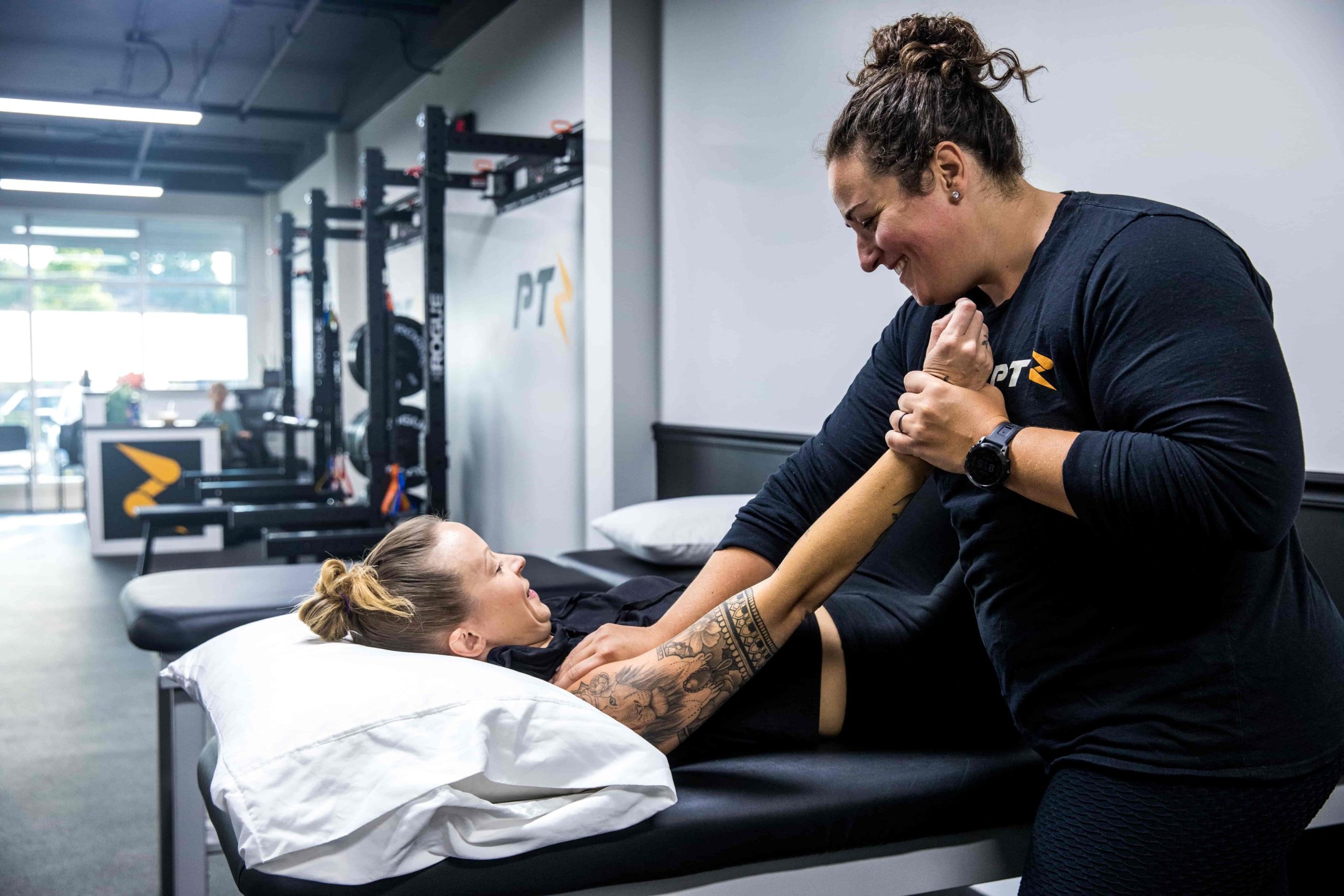
Certified Manual Therapy is a hands-on approach that addresses joint, muscle, and connective tissue dysfunction, reducing pain, improving alignment, and promoting faster, more efficient recovery.
-
Cupping
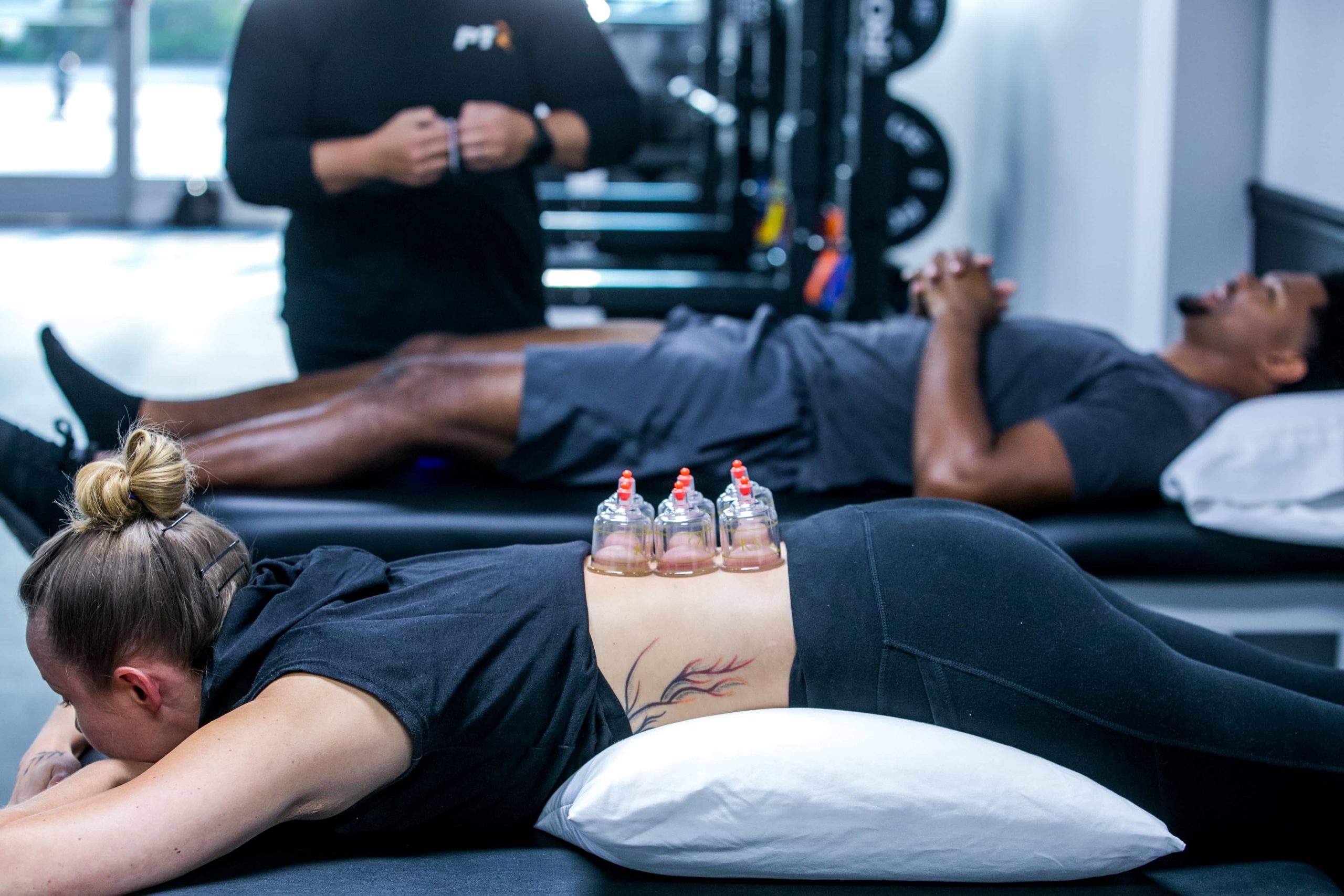
Cupping therapy is an ancient healing technique that uses suction to enhance circulation, relieve muscle tension, and promote the body’s natural recovery process.
-
Dry Needling
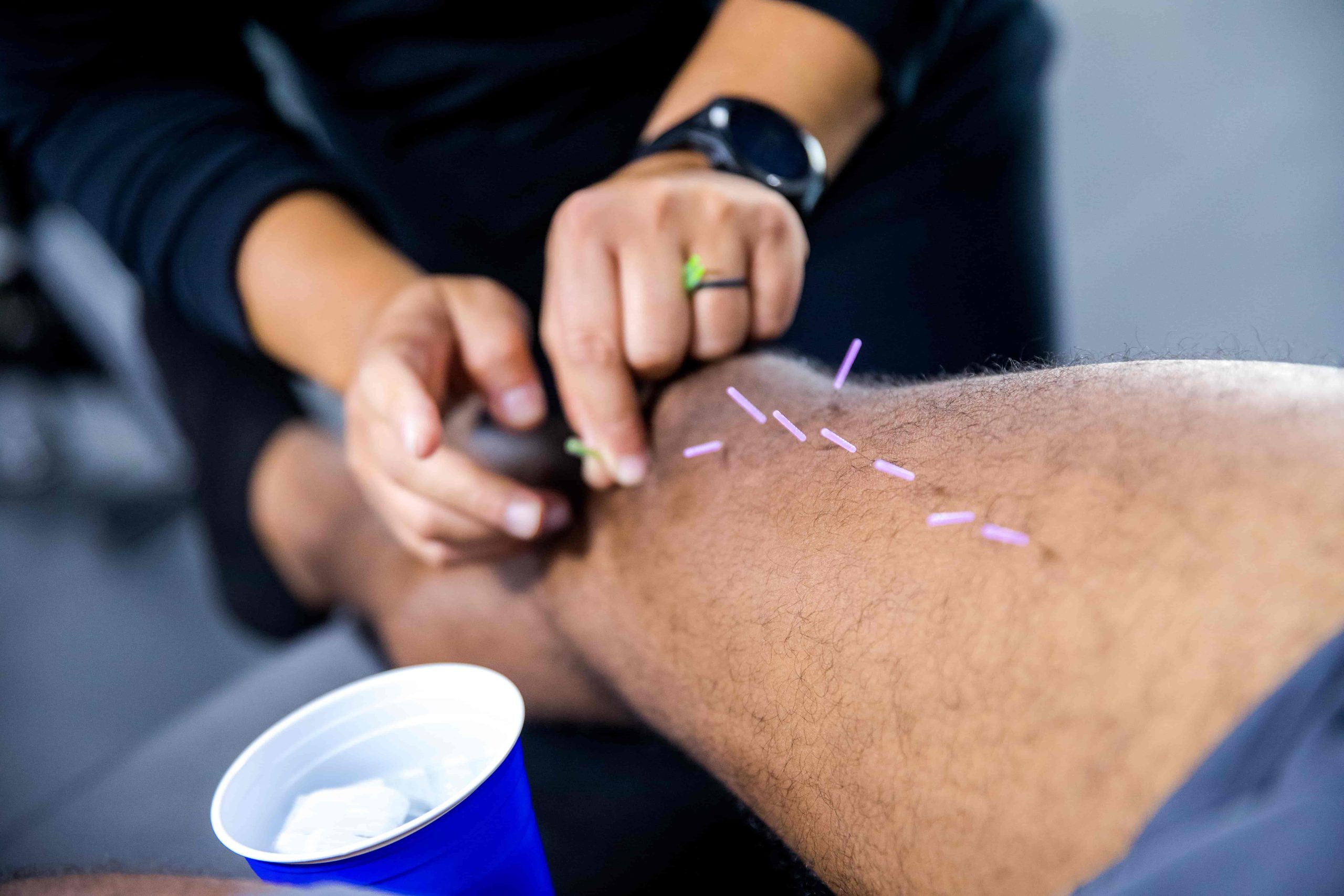
Dry needling is a modern therapy that targets muscle trigger points with thin needles to relieve pain, reduce tension, and restore mobility.
-
Gait Training
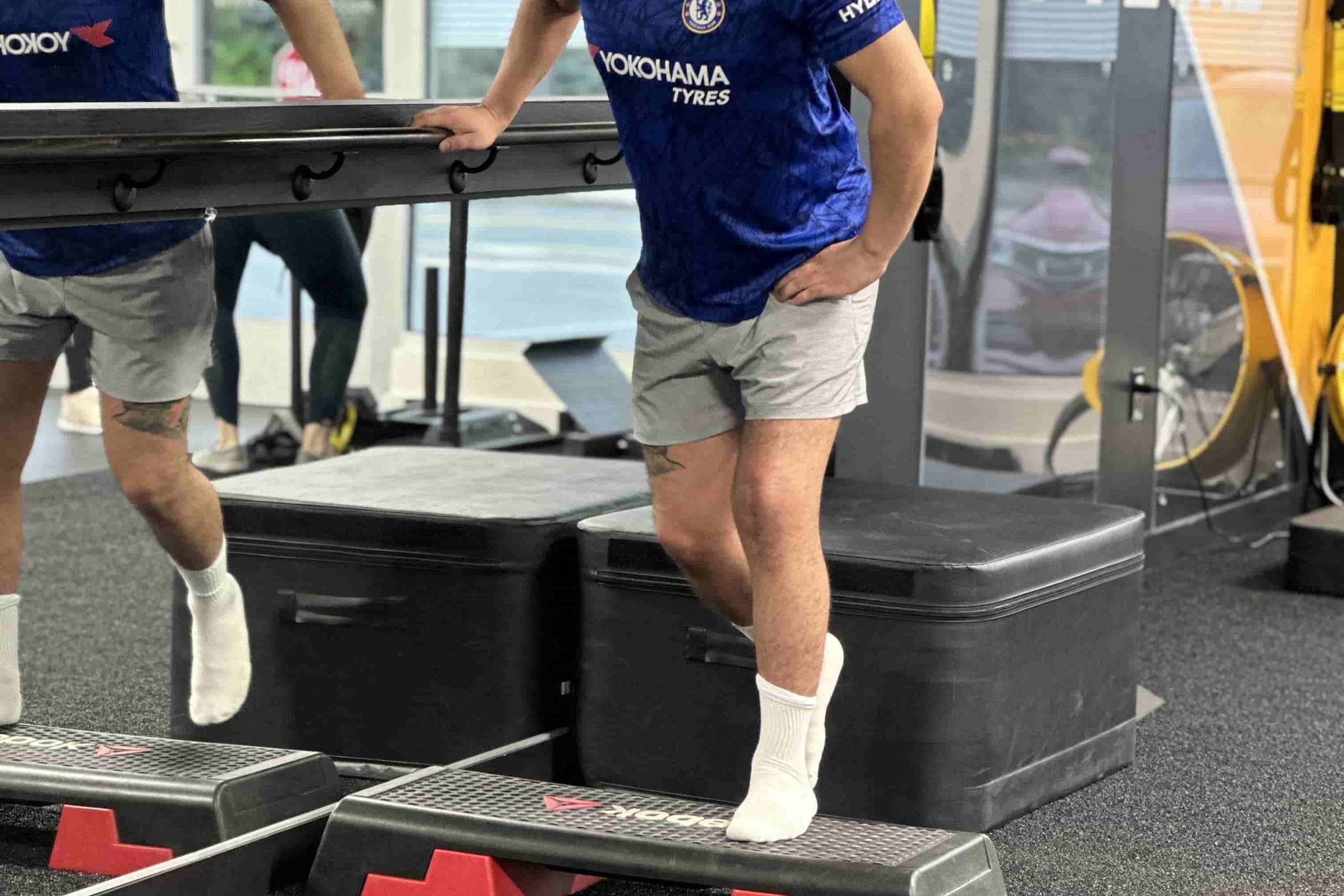
Gait Training is a specialized approach that enhances walking mechanics, improves lower-limb strength, and reduces re-injury risks, ultimately promoting more efficient movement.
-
Graston Technique
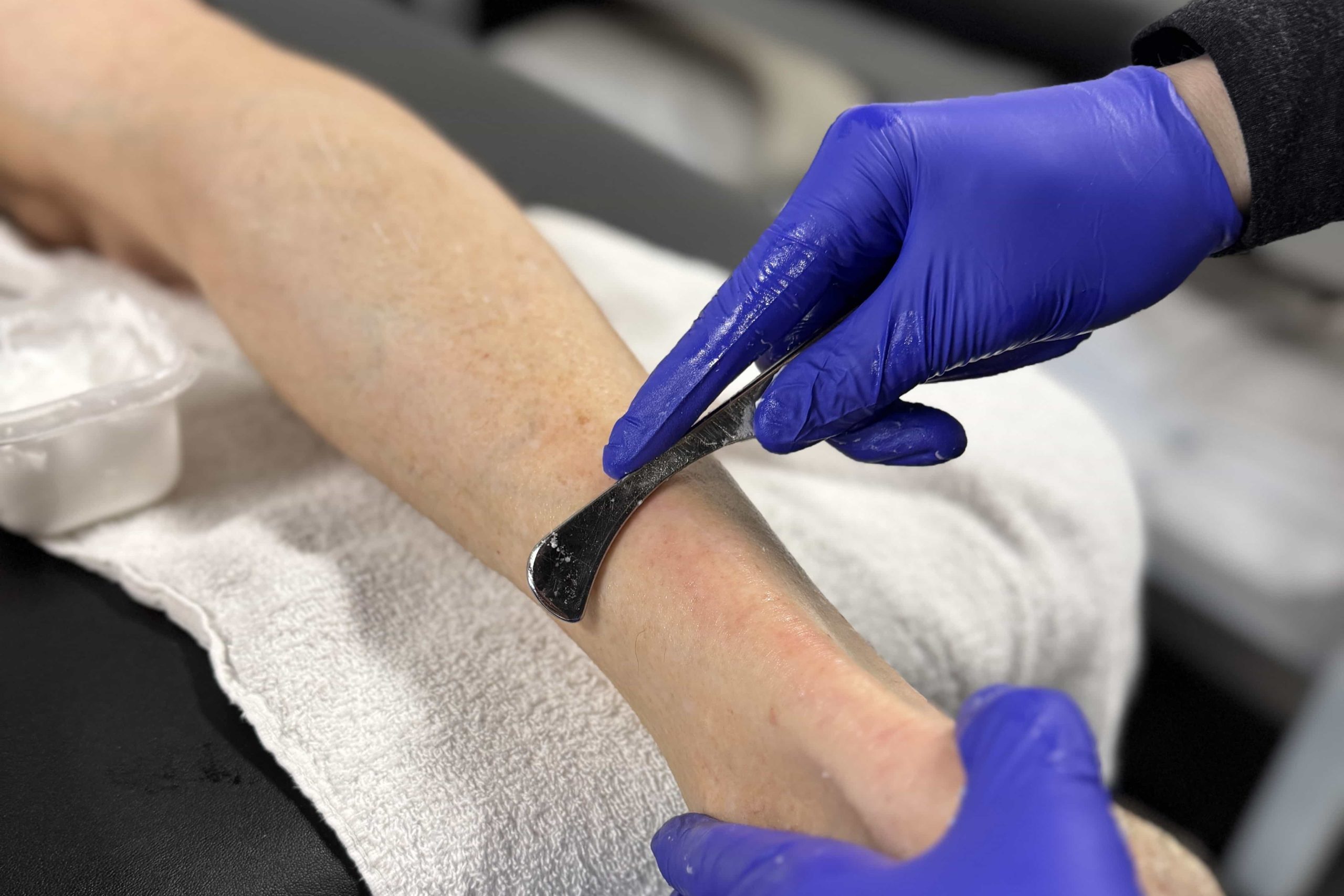
Graston Technique is a specialized manual therapy that uses stainless steel instruments to break down scar tissue, improve mobility, and accelerate healing.
-
Kinesiotaping
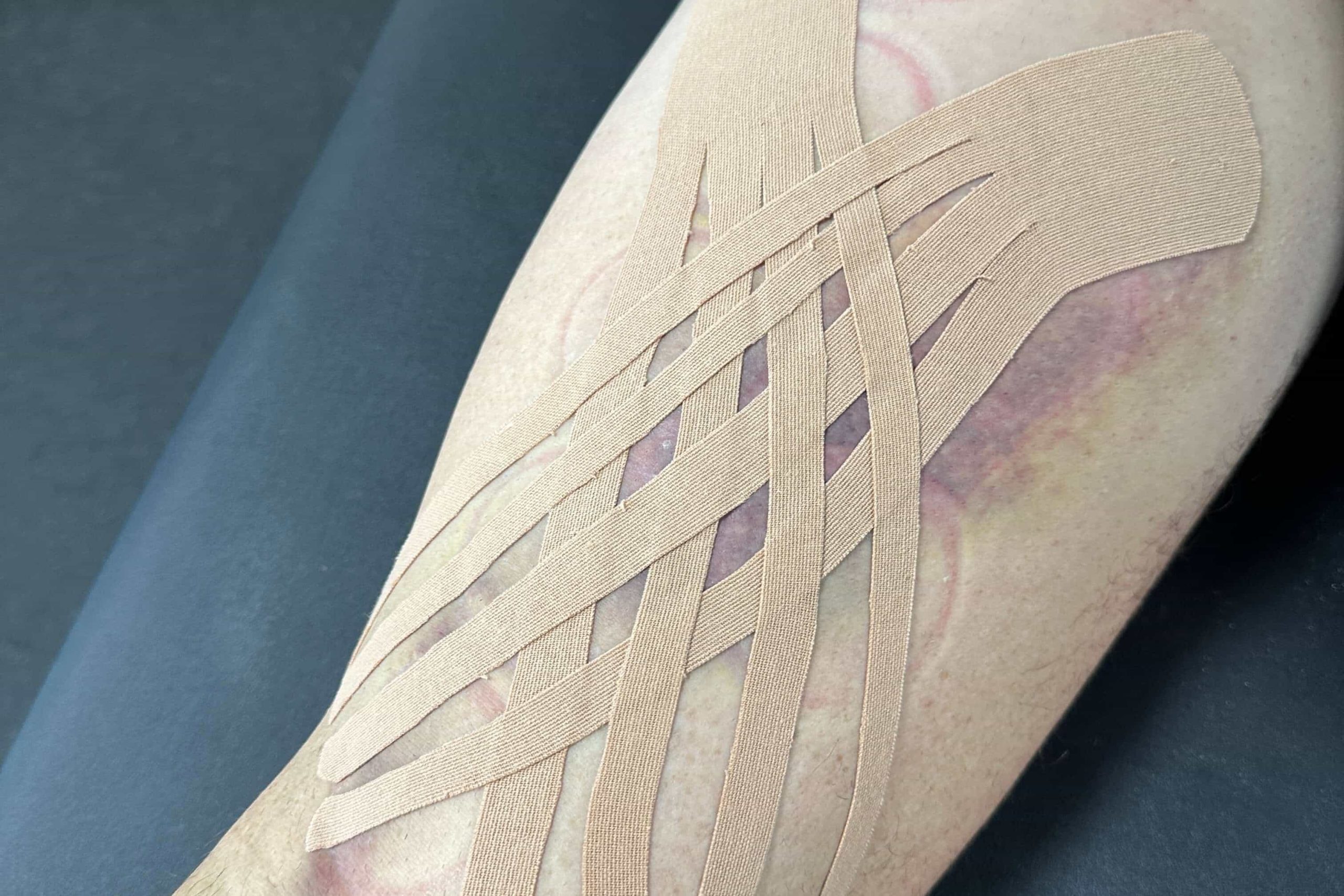
Kinesiotaping is a flexible taping method that provides gentle support, improves circulation, and helps maintain natural movement for a more comfortable and effective recovery.
-
Manual Traction
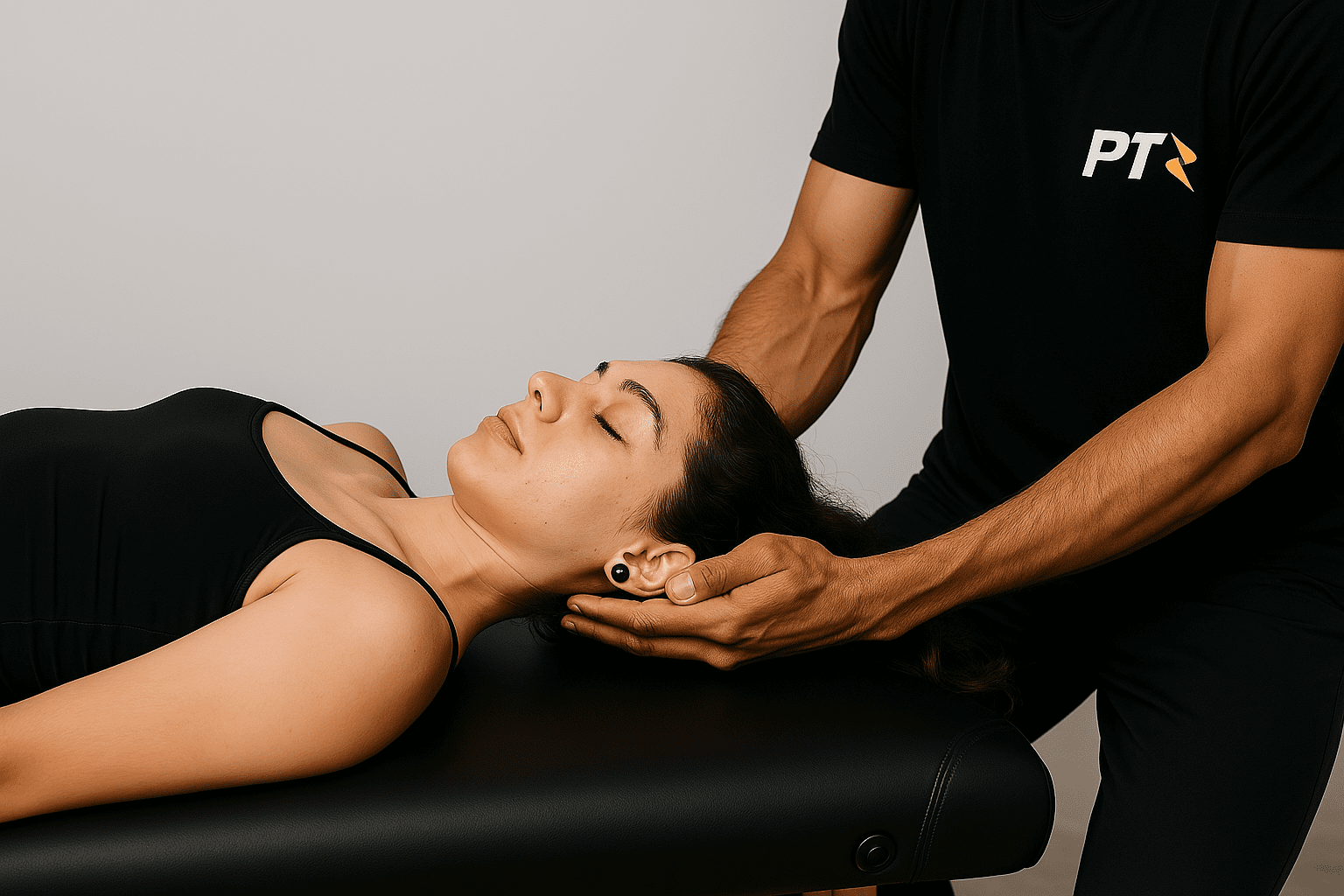
Manual Traction is a gentle, hands-on method used to decompress the spine, relieve pressure on discs and nerves, and improve overall comfort and mobility.
-
Post-Surgical Rehab
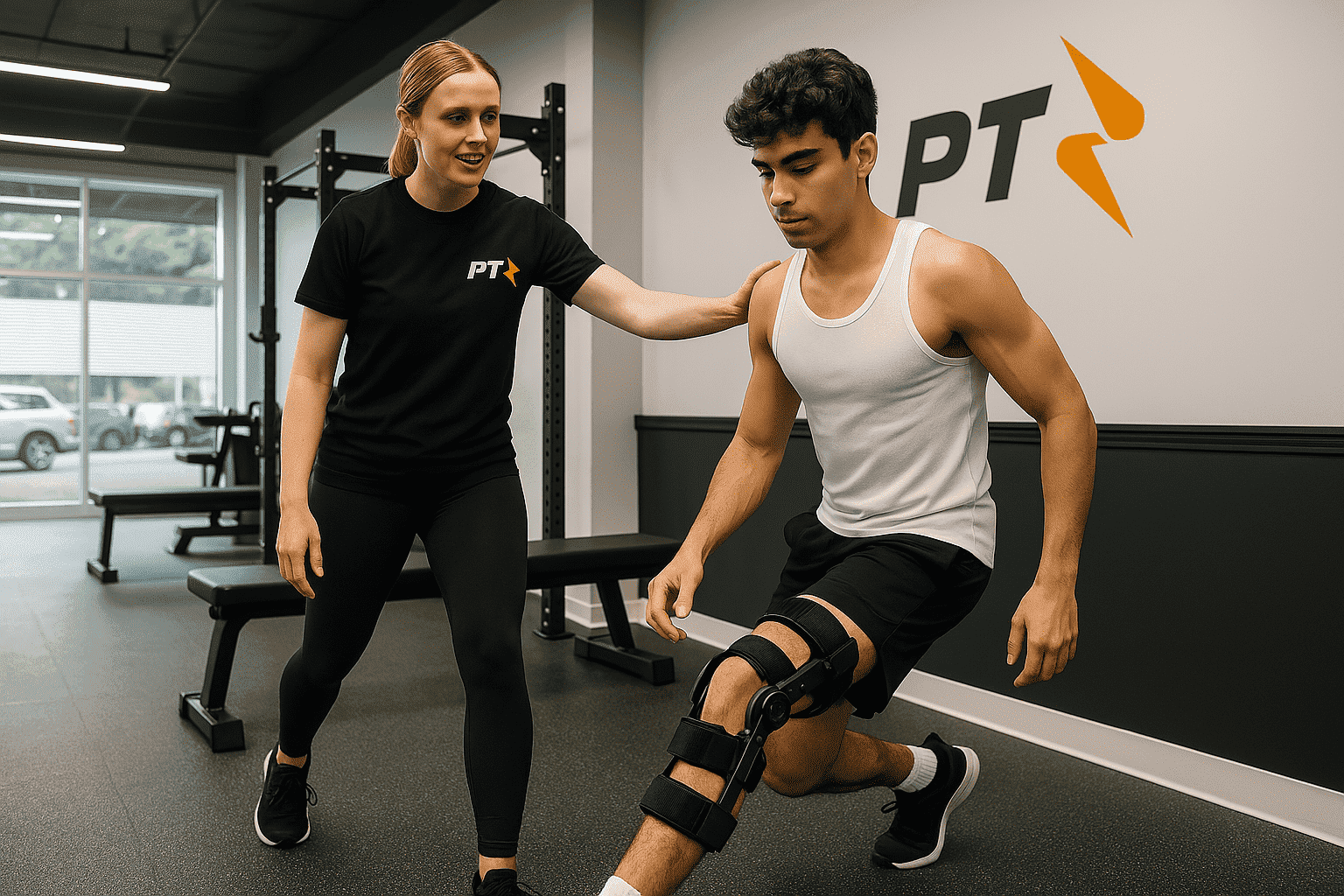
Post-Surgical Rehab is a structured recovery process designed to restore mobility, manage pain, and rebuild strength after surgery, ensuring a safer and faster return to your everyday activities or sports.
-
Physical Therapy for Weightlifters & CrossFit
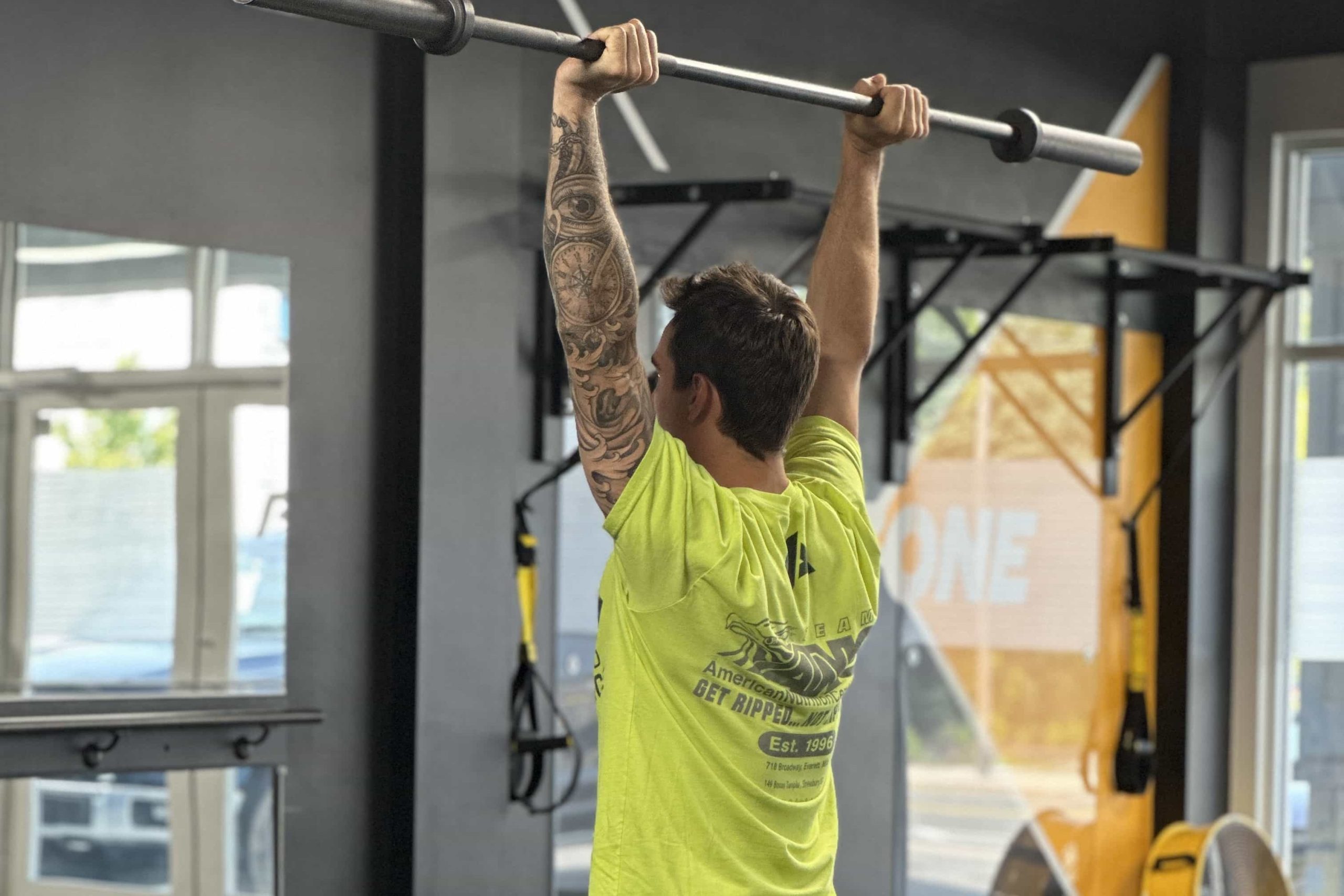
Physical Therapy for Weightlifters & CrossFit focuses on proper lifting mechanics, correcting muscle imbalances, and managing stress on joints to prevent pain, accelerate recovery, and enhance overall strength gains.
-
Physical Therapy For Runners
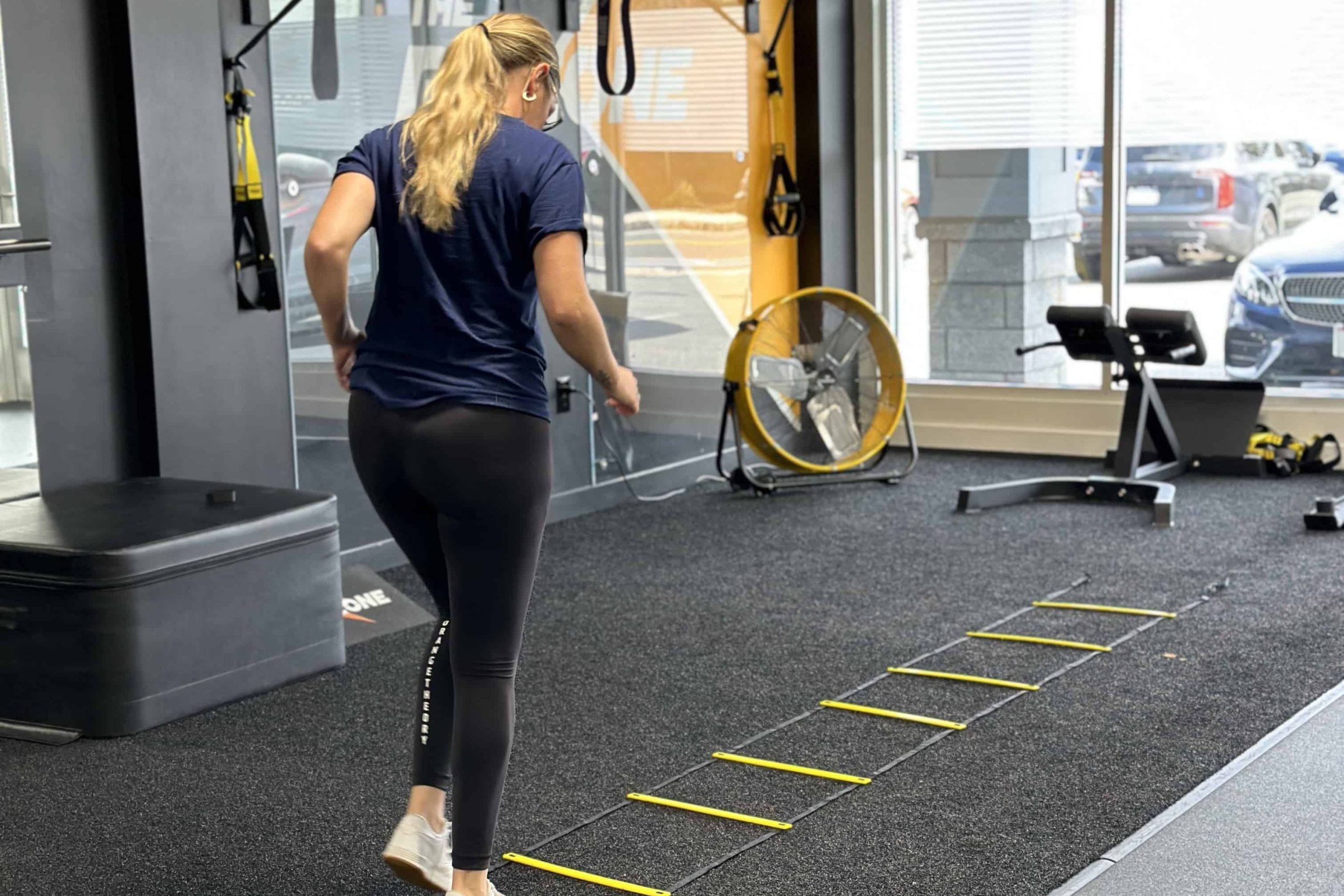
Physical Therapy for Runners focuses on refining running form, addressing muscle imbalances, and enhancing lower-limb stability to prevent injuries and boost performance.
-
Neuromuscular Massage Therapy
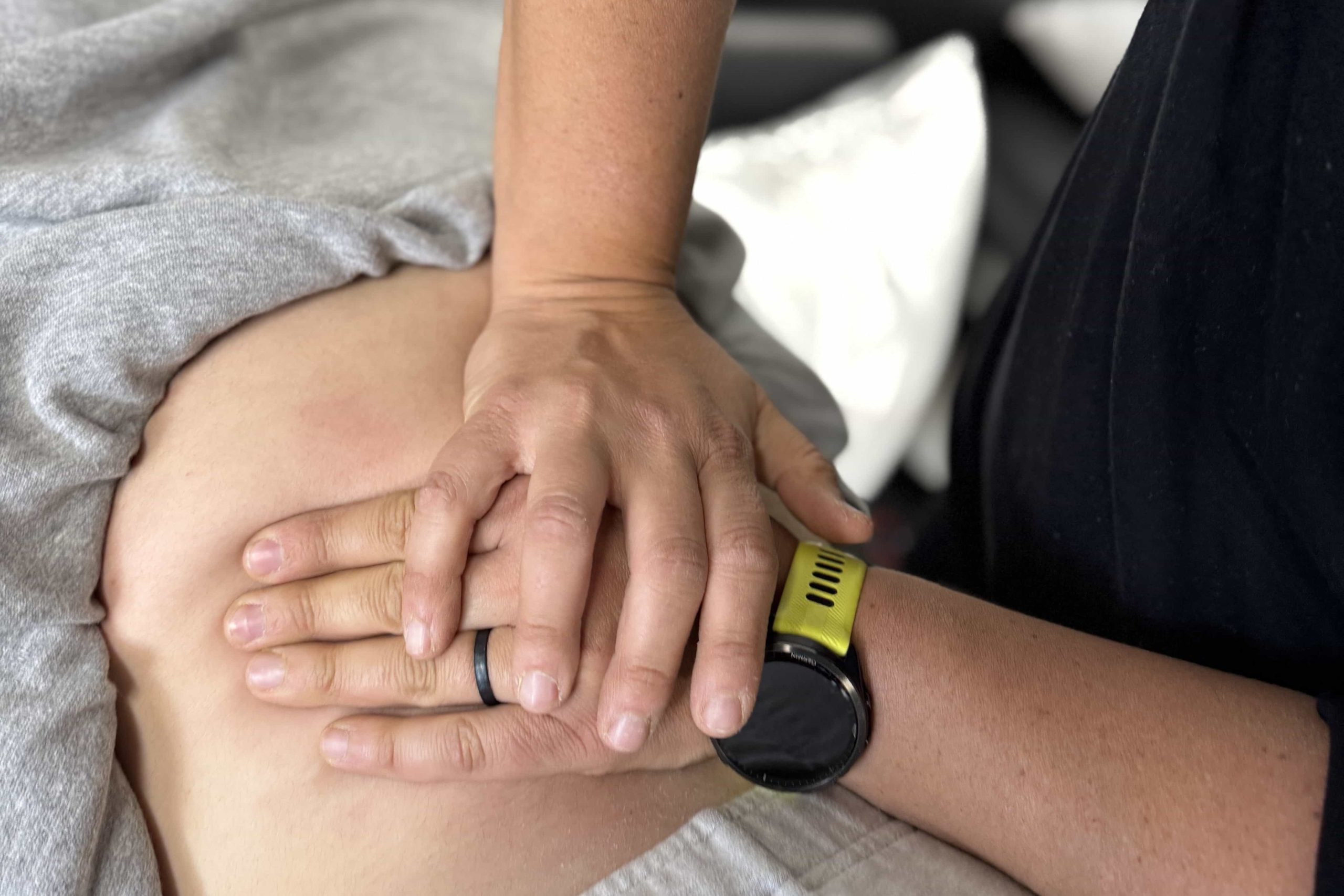
Neuromuscular Massage Therapy (NMT) precisely targets trigger points in muscles and connective tissues, relieving tension, restoring proper function, and promoting long-term pain relief.

At The PT Zone, we’re committed to helping you achieve long-term relief and restore your ability to move freely and without pain.
Our personalized approach ensures that we address each client’s unique recovery journey, whether you’ve had a hip, knee, or shoulder replacement. Let us guide you on the path to maximum mobility and freedom.
Common Questions from Joint Replacement Clients
1. How soon after surgery should I start physical therapy?
Most individuals begin therapy within days of their surgery, often while still in the hospital or shortly after returning home. Early movement, under guided supervision, helps prevent complications like stiffness, blood clots, or excessive swelling. Your surgeon and physical therapist will collaborate to determine the safest timeline for you. Starting rehab promptly lays the groundwork for smoother progress and more complete restoration of joint function.
2. Will physical therapy be the same for hip, knee, and shoulder replacements?
Not entirely. While all joint replacement rehabilitation includes phases of pain management, range-of-motion exercises, and strengthening, the specifics vary depending on which joint was replaced. A knee replacement client will place considerable emphasis on quad strength and stability for safe walking, while shoulder replacement therapy often highlights rotator cuff and scapular control. Hip replacements typically involve gait re-education and pelvic stabilization. Physical therapists tailor each program so you receive the specialized care relevant to your replaced joint.
3. How long does full recovery usually take?
Recovery timelines vary based on factors such as your overall health, the type of joint replaced, and how diligently you follow your rehab plan. Some people return to daily activities within a few weeks, while others require several months of structured therapy before feeling fully confident. Your physical therapist will continually assess your progress and adjust your exercises accordingly. Consistency—both in and out of the clinic—is key to achieving the best long-term outcomes.
4. How can I manage pain while still exercising?
It’s normal to experience some post-operative discomfort, but your therapist will guide you in balancing gentle movement with sufficient rest. Techniques like ice application, elevation, and controlled breathing can reduce pain and swelling, making exercise more tolerable. Over time, you’ll likely find that consistent activity actually helps decrease pain levels by improving blood flow, flexibility, and strength around the new joint. Your therapist may also suggest modifications or pacing strategies if certain exercises become too uncomfortable.
5. Can I return to sports or active hobbies after a joint replacement?
Many individuals do resume activities like golf, doubles tennis, or leisurely biking once they’ve built up sufficient strength and stability. More high-impact sports could be riskier for certain joint implants, so your medical team may advise caution. Working closely with a physical therapist ensures you learn the safest techniques and progressions to return to your favorite pastimes. Ultimately, your ability to re-engage in sports depends on your specific surgery, recovery rate, and willingness to adhere to the recommended guidelines.
6. Do I need special equipment or assistive devices?
Initially, items like walkers, canes, or elevated toilet seats can simplify daily tasks and reduce fall risks. As you gain strength and confidence, your reliance on these devices generally decreases. Your therapist may recommend specialized tools or adaptations at home—such as grab bars or reachers—to help you maintain independence while your joint fully heals. By gradually building muscle and stability, you can typically phase out these aids once you’re ready.
7. How can I maintain my progress once therapy ends?
Committing to a regular exercise routine, practicing good posture, and managing body weight effectively are key steps to preserving your new joint’s function. Your therapist will likely provide a home program tailored to your goals, allowing you to continue strengthening and improving flexibility. Periodic check-ins—like follow-up visits or group exercise classes—can help you stay on track. In essence, the habits you form during rehab can become a sustainable lifestyle that keeps your replaced joint in optimal shape.